REVIEW · BURKE BAKER PLANETARIUM
Houston Museum of Natural Sciences: Planetarium Ticket
Book on GetYourGuide →Operated by The Houston Museum of Natural Science · Bookable on GetYourGuide
A dark room and a sky overhead. That’s the magic of the Burke Baker Planetarium at the Houston Museum of Natural Science, where a short dome show can make space feel big, close, and oddly personal. The upgraded digital setup helps you move from stars to planets to asteroid-field scenes in one smooth session.
I especially like two things here: the high-resolution digital projection that makes the universe look sharp, and the chance to pick a show theme that fits your mood. One day you may want black holes and gravity stories; another day you may want something more travel-style like Passport to the Universe.
The main thing to keep in mind is that you’re buying time for just one show—most run about 20 minutes—so if you’re hoping for a longer planetarium marathon, you’ll want to plan around schedules and show choices.
In This Review
- Key highlights to know before you go
- Burke Baker Planetarium: what $12 gets you
- Choosing a dome show: Lamps of Atlantis to Black Holes
- Inside the dome: how the digital projection system feels
- Timing and show schedule: the 5 PM last show rule
- Comfort, rules, and what to watch for
- Value at the Houston Museum of Natural Science
- Who should book this planetarium ticket?
- Should you book this Houston planetarium ticket?
- FAQ
- How long is the planetarium show?
- What does the ticket include?
- Where does the experience take place?
- What shows are available?
- Is flash photography allowed?
- What are the hours for the last show?
- Is hotel pickup or drop-off included?
- Can I cancel, and what is the refund policy?
Key highlights to know before you go
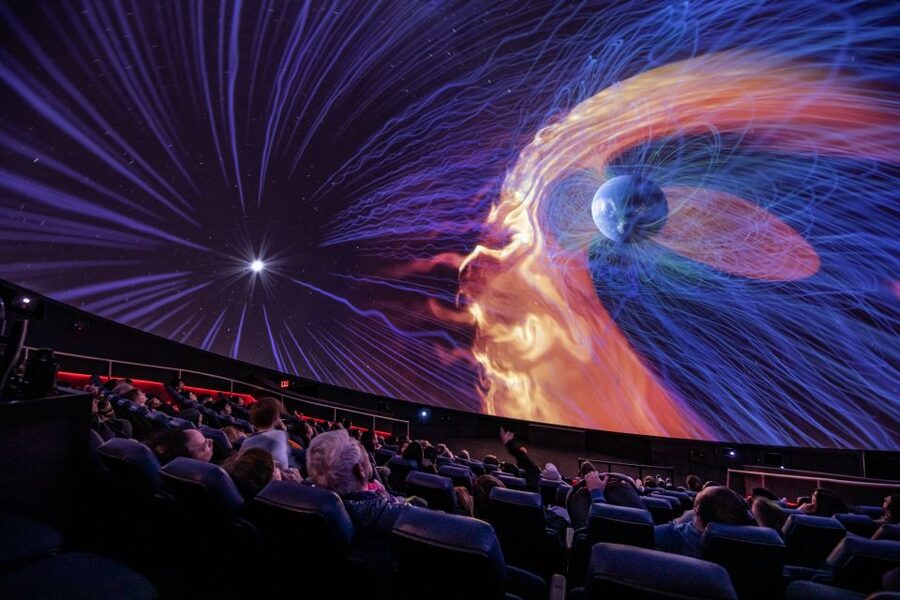
- World-class digital projection that turns planets, stars, and galaxies into dome-filling visuals
- Show variety with options like Lamps of Atlantis and Black Holes (varies by date/time)
- Asteroid and planetary surface scenes to give you a sense of scale, not just facts
- Most dome shows run 20 minutes, so timing matters more than you think
- No late entry, and the last show is at 5 PM
- Flash photography isn’t allowed, which keeps the dome experience calmer
Burke Baker Planetarium: what $12 gets you
For about $12 per person, you get one ticketed dome show at the Burke Baker Planetarium inside the Houston Museum of Natural Science. The show length is typically 20 minutes, and that brevity is part of the value. You’re not committing to a half-day experience in the dome; you’re slotting in a focused burst of space visuals.
Think of it like a high-impact “space movie” that treats the ceiling as the screen. The dome setup also helps you feel like you’re moving through the cosmos, not just watching it from the outside.
One practical note: this ticket covers only the planetarium show. It does not include other exhibits or additional shows at the museum. If you’re building a full museum day, you’ll want to budget time for everything else separately.
Choosing a dome show: Lamps of Atlantis to Black Holes
The biggest decision is which dome show you choose. The planetarium offers different dome programs depending on the date and time, and the themes can feel quite different even though they share the same dome format.
Here are some of the dome options listed for this planetarium experience:
- Lamps of Atlantis
- Are We Really Alone?
- Black Holes
- Starry Night Express
- Dark Side of the Moon
- Passport to the Universe
What I like about having choices is that you can match the show to your group. If you’re traveling with kids or anyone who gets restless, a more guided, journey-style program like Passport to the Universe can feel easier to follow. If your group leans more science-curious, something like Black Holes tends to scratch that “how does this work?” itch.
A useful caution from real-world experience with similar attractions: not every program hits at the same pace. One specific show has been called out as slow, so if you’re short on time, pick the theme that sounds most engaging to you before you lock it in.
Inside the dome: how the digital projection system feels
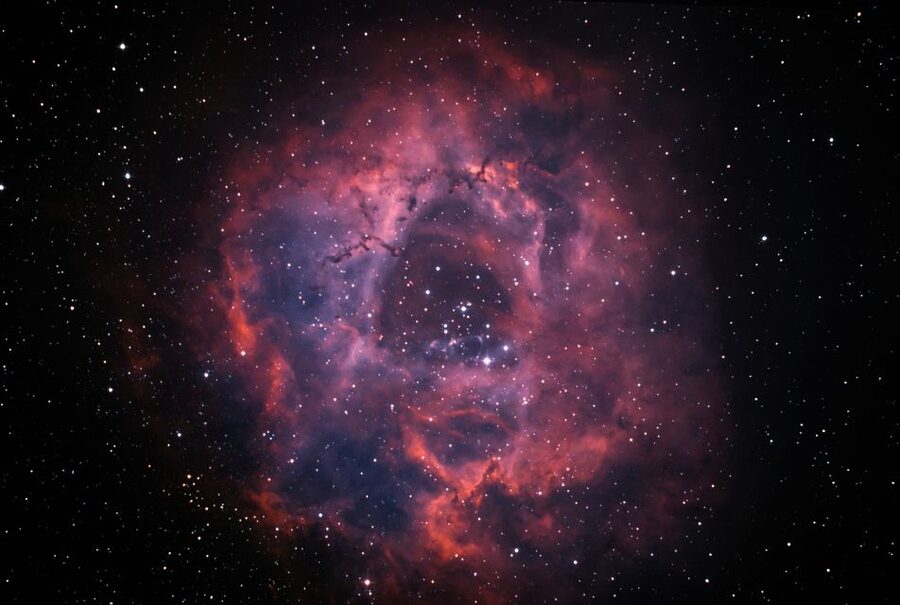
This planetarium isn’t using a basic “stars-only” trick. It’s upgraded with a digital projection system and dome software designed to keep visuals crisp and readable across the screen. The goal is simple: you should see more detail and feel more motion than with older projection setups.
In plain terms, you can expect to see:
- projections of planets and stars
- entire galaxies overhead
- scenes that suggest travel across asteroid fields
- an overall sense that you’re moving “off world” and into space
One of the best parts of this style of planetarium is that it helps you understand scale. Space is hard to picture from posters or textbooks. In the dome, the distances feel larger and more spatial, like you’re standing inside the view.
The technology also matters for the storytelling. High-resolution video and modern projection make the universe feel less like a slideshow. You’re more likely to stay tuned because the images stay sharp, not fuzzy.
Timing and show schedule: the 5 PM last show rule
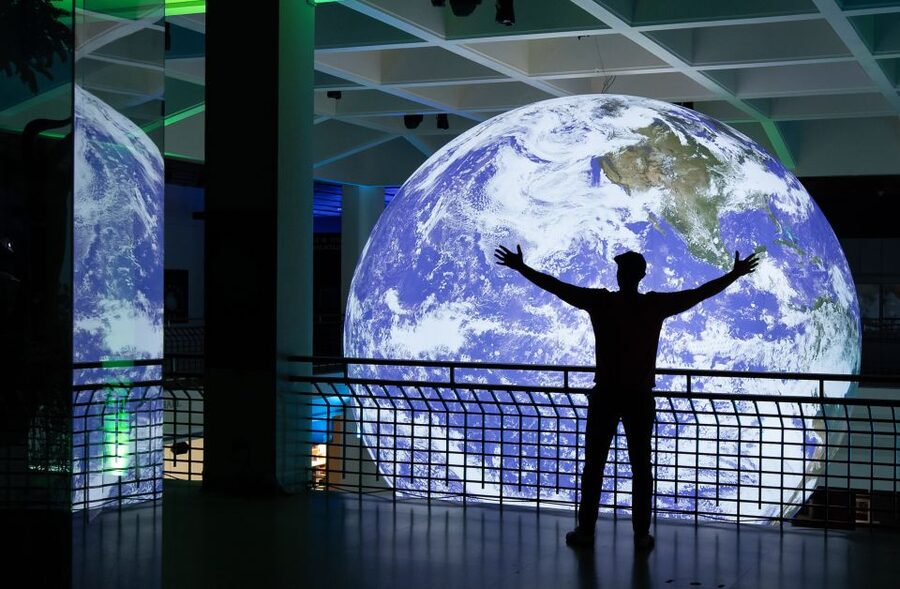
This experience runs in show blocks. Most shows last around 20 minutes, but starting times depend on availability and the day’s schedule. And there’s an important rule: the last show is at 5:00 PM with no late entry.
So don’t treat that start time like a suggestion. If you’re even a little behind, you could miss the show entirely. Give yourself buffer time to get oriented, find the planetarium room, and settle in.
If you’re visiting during a busy season, it can get crowded around the museum and especially around ticketed events. That doesn’t mean it’s unpleasant—it just means you should expect more people in the surrounding areas and plan to arrive a bit early rather than at the last second.
Comfort, rules, and what to watch for
Small details can change your comfort in a dome setting. Seats may require you to adjust your head position to see well at certain angles, so if you’re sensitive to neck strain, it helps to choose a seat where you can stay comfortable through the full 20 minutes.
Also note the clear house rule: flash photography isn’t allowed. That’s normal for planetariums, but it’s worth remembering if you’re used to taking quick photos at attractions. Keeping lights down is part of why the show feels focused.
If you’re trying to maximize the experience, here’s a simple approach:
- arrive with enough time to settle in without rushing
- keep your phone on silent and out of the way
- treat the dome like the main event, because it is
Value at the Houston Museum of Natural Science
This planetarium ticket is a strong add-on if your goal is “something memorable and educational” without a huge time commitment. For a museum day, it’s also easy to slot in. You can do the museum exhibits before or after, then use the dome show as the centerpiece.
The value equation works best when:
- you want a science experience that feels visual and fun
- you have kids and need something that holds attention
- you’d rather spend 20 minutes in a focused show than wander and hope you stumble into the best exhibit at the right moment
On the flip side, it’s not the best fit if you’re expecting this ticket to cover a whole museum circuit. It’s one show, and the rest is on you.
If you’re making a longer trip, check whether you can catch more than one planetarium program on the same day. The schedule can allow it, but the plan needs to account for the dome timing and the strict 5 PM last-show cutoff.
Who should book this planetarium ticket?
This is a good match for a wide range of people because the content is designed to explain space in a way that works for different ages. If you like astronomy topics, it’s also a low-effort way to get a “visual lesson” that sticks.
Book it if:
- you’re traveling with children or teens and want a structured science experience
- you prefer short activities with big payoff
- you want a calm, dark-room activity that doesn’t require stamina
Consider another option if:
- you want a long planetarium experience (this ticket is one show)
- you’re very sensitive to discomfort from fixed seating angles
- you’re traveling late in the day and can’t reliably make the 5 PM last show
Should you book this Houston planetarium ticket?
Yes, if you want a straightforward, high-impact space show that fits into a busy travel day. For the price, you’re not just paying for admission—you’re paying for a modern dome experience where the visuals are designed to pull you into planets, stars, and asteroid-field scenes in about 20 minutes.
I’d book it especially if you care about the theme. Pick the show that matches your curiosity—Black Holes for big concepts, Lamps of Atlantis for something more story-driven, or Passport to the Universe if you want a broad, journey-style tour of space.
If your schedule is tight, double-check the show times first. The 5 PM last show rule is real, and missing it is the kind of problem that’s totally avoidable.
FAQ
How long is the planetarium show?
Most dome shows last about 20 minutes.
What does the ticket include?
The ticket includes one show at the Burke Baker Planetarium.
Where does the experience take place?
You should go to Burke Baker Planetarium for the show.
What shows are available?
Show options can include Lamps of Atlantis, Are We Really Alone?, Black Holes, Starry Night Express, Dark Side of the Moon, and Passport to the Universe. Exact choices vary by date and time.
Is flash photography allowed?
No, flash photography isn’t allowed.
What are the hours for the last show?
The last show is at 5:00 PM, and there is no late entry.
Is hotel pickup or drop-off included?
No, hotel pickup and drop-off are not included.
Can I cancel, and what is the refund policy?
Free cancellation is available up to 24 hours in advance for a full refund.