REVIEW · SANTIAGO DE COMPOSTELA
Santiago de Compostela Cathedral and Museum Guided Tour
Book on GetYourGuide →Operated by Galicia Experience · Bookable on GetYourGuide
One stop in Santiago feels different from the start. This Cathedral and Museum guided tour gets you into the heart of the pilgrimage story with cathedral museum access and a practical skip-the-line entry.
What I really like is the way the guide connects art to meaning. You’re not just looking at stone and gold; you’re learning why the space matters to pilgrims, then stepping through the cathedral’s most important zones with context.
One consideration: it’s not wheelchair-friendly, and large backpacks are not allowed. Also, this is a tight 2 hours, so it’s focused on the interior experience rather than a long exterior façade walk.
In This Review
- Key things to know before you go
- Santiago Cathedral feels personal fast
- Museum first: the Cathedral Museum sets the story
- Step into the naves: chapels, restored areas, and the main altar
- A quick practical note
- The tomb of Saint James and the big spiritual core
- Codex Calixtinus: where sacred art meets documented history
- Treasury, Chapter House, and other interior rooms that answer questions
- Botafumeiro and the cathedral’s theatrical rhythm
- Balconies and the cloister walk: views and structure
- What “small group” really means in a crowded cathedral
- Price and value: what $29 buys you
- Who should book this tour
- Should you book this Santiago Cathedral and Museum tour?
- FAQ
- How long is the guided tour?
- What is included in the $29 per person price?
- Does the tour include skip-the-line entry?
- Where does the tour start?
- What languages are available for the live guide?
- Is this tour a wheelchair-friendly experience?
- Are backpacks allowed?
- Are there different starting times?
- Is free cancellation available?
Key things to know before you go
- Museum-first start: You begin at the Cathedral Museum, so the cathedral makes sense before you step into the naves.
- Saint James tomb + chapels: The route targets the core spiritual sights around the main altar area.
- Codex Calixtinus and other key rooms: You get stops tied to the cathedral’s sacred and historical identity.
- Skip-the-line entry: You enter through a separate access point, which matters when crowds stack up.
- Short, small-group format: Small-group touring keeps questions and pacing workable during a busy season.
- Guides named Carmen, Maria, Elena and more: Several guides are praised for clear explanations and a friendly pace.
Santiago Cathedral feels personal fast
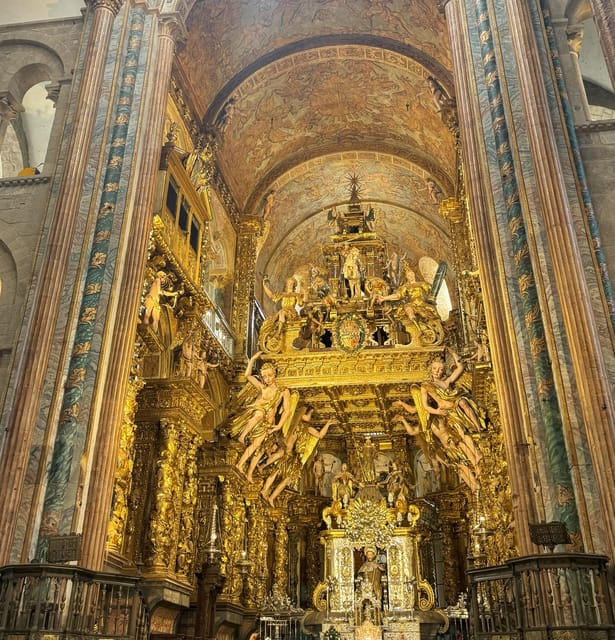
Santiago de Compostela Cathedral is famous for a reason, but what makes it work as a visit is how quickly you start feeling the place’s purpose. Even before you get to the main altar area, the guided format helps you read what you’re seeing: sacred art, architectural choices, and the story tied to Saint James the Great.
I also like that the tour is not only about big-ticket highlights. You move through a sequence that builds the cathedral step-by-step, starting with the museum and then continuing into the church itself. It turns a complicated building into something you can actually follow.
Finally, the guides you may meet (names that show up in past groups include Carmen, Maria, Miriam, Laura, Betty, Alberto, and Elena) tend to connect the dots in a way that keeps people from getting lost in the scale. If you enjoy asking questions, this kind of guided structure helps you keep momentum.
You can also read our reviews of more tours and experiences in Santiago De Compostela.
Museum first: the Cathedral Museum sets the story
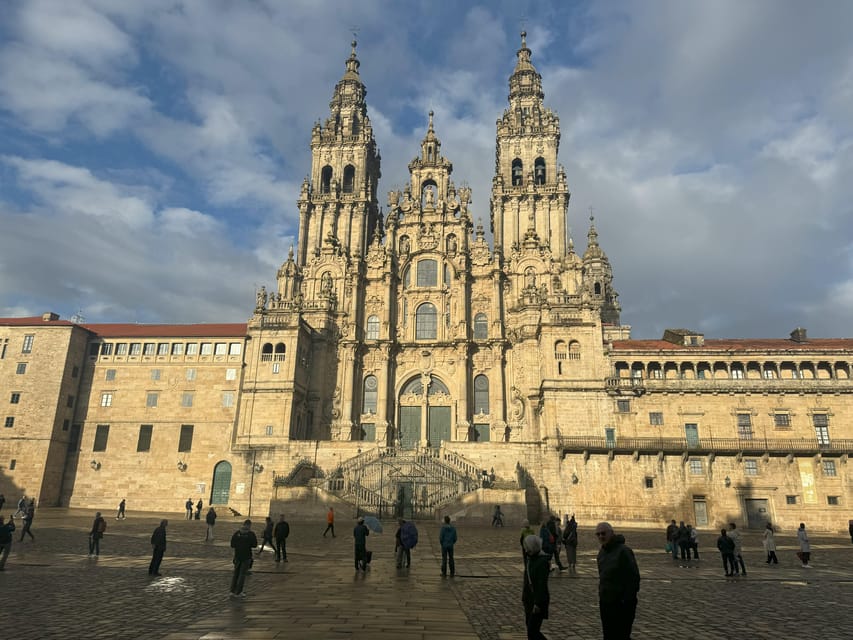
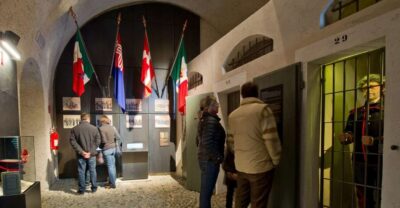
Your tour begins at the Cathedral Museum, and that choice is smart. If you start inside the cathedral without orientation, you can miss how much of the symbolism and sacred art has an entire backstory waiting in the museum rooms.
Inside the museum portion, you’ll learn about the cathedral’s significance and see main artworks connected to the site. The point here is understanding what you’re about to see in stone and glass. When you later stand in the cathedral, you’re not guessing why certain details exist—you already have the framework.
This museum-first approach is especially helpful if you care about the “why” behind the design. The cathedral is a living pilgrimage destination, but it also functions like a historical archive. A guide helps you keep those two layers straight: the spiritual role today and the cultural role over time.
Step into the naves: chapels, restored areas, and the main altar
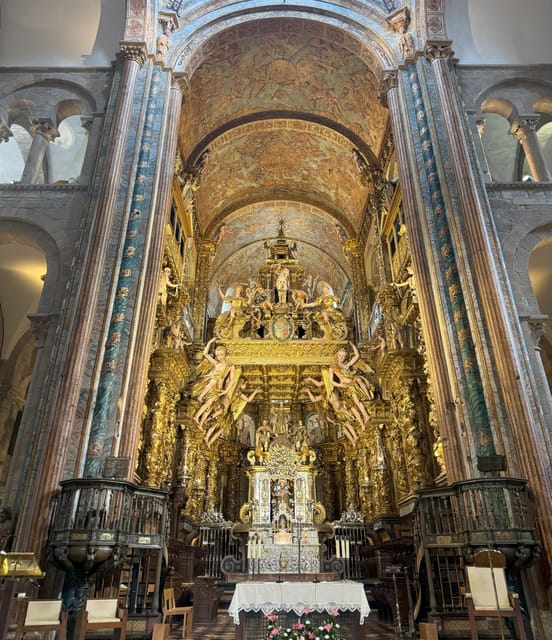
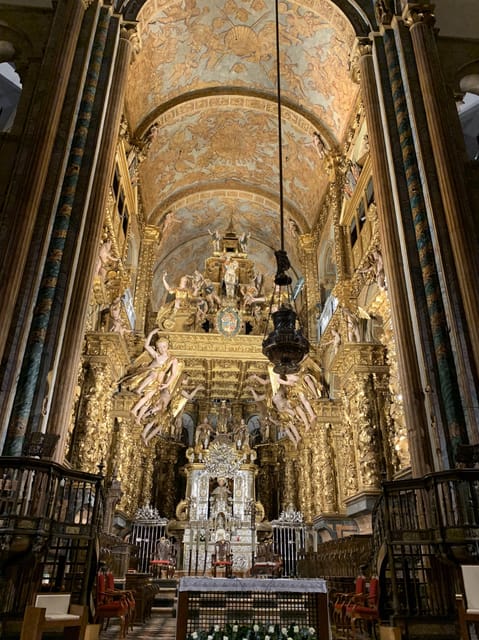
After the museum, you enter the cathedral itself. The tour includes time walking through the naves and discovering the decorative chapels around the main altar. This is a good part of the route because chapels can look similar if you’re just moving on your own—guides point out what’s distinctive and what each area is tied to.
You’ll also hear how the building’s recent restoration work affects what you’re seeing now. That matters because restoration changes surfaces, textures, and sometimes the way details catch your eye. With a guide, you’re more likely to notice the difference between what’s original, what’s renewed, and what restoration is trying to protect for the long term.
If you’re the type who likes to stand still for a minute and actually look, you’ll appreciate this segment. The cathedral isn’t a place to sprint through. The guided pacing helps you slow down without feeling stuck.
A quick practical note
Wear shoes you can stand in. Even though the total duration is 2 hours, the tour covers multiple indoor stops where you’ll pause for explanations.
The tomb of Saint James and the big spiritual core
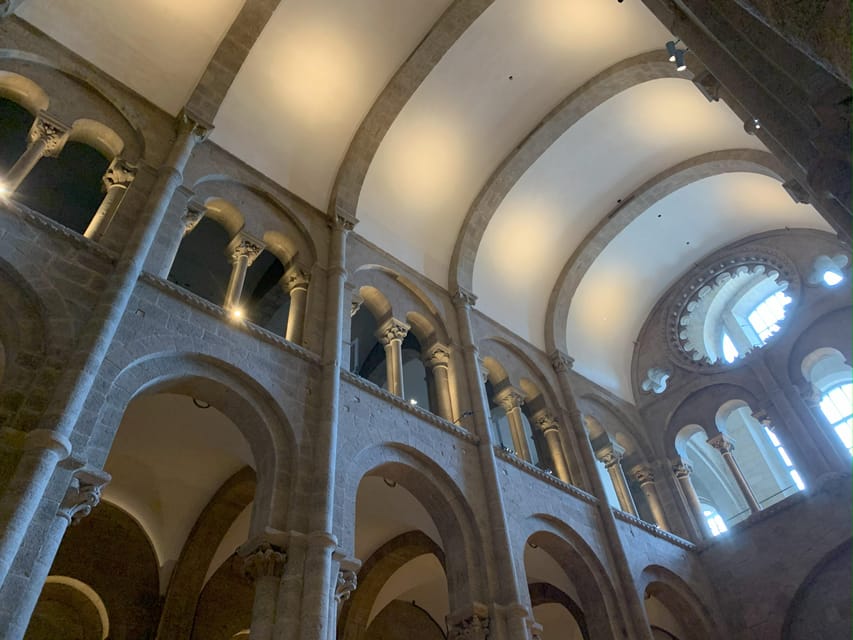
The visit is built around one undeniable center of gravity: the burial site associated with Saint James the Great. The tour includes seeing the tomb, and that alone is reason enough for many people to book.
But what makes the experience more than a photo stop is how the guide explains the cathedral’s role as a reputed burial site and why that draws pilgrims. In a place like this, context changes how you interpret the art. Sacred symbols start looking less like decoration and more like a language meant to guide belief and ritual.
You’ll also spend time around significant cathedral zones tied to the spiritual story, including the crypt. The crypt stop helps you understand the layered nature of the site: the cathedral isn’t only one level or one viewpoint. It’s designed to hold meaning at multiple heights.
Codex Calixtinus: where sacred art meets documented history
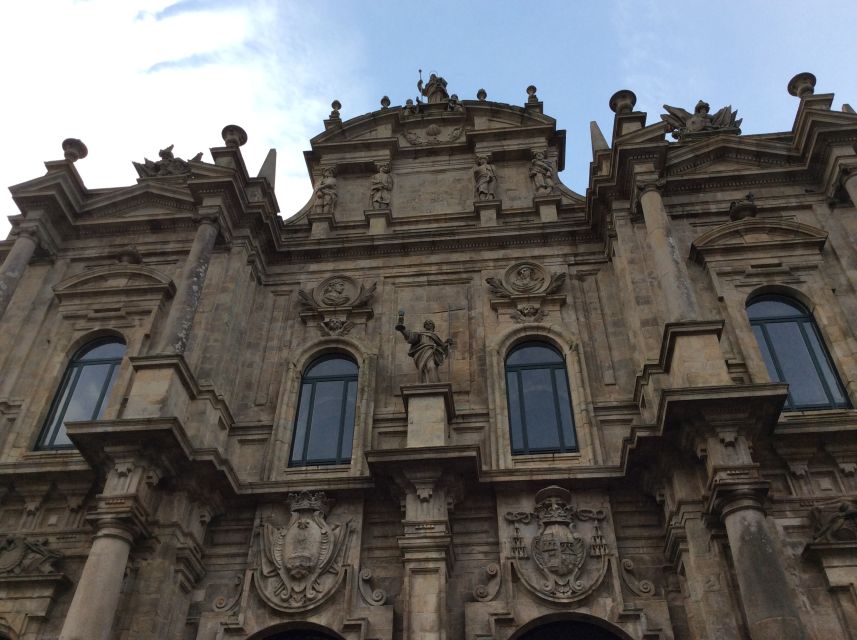
One of the standout elements of this tour is the stop related to the Codex Calixtinus. This is the famous manuscript connection that many people have heard of, but it’s hard to appreciate without guidance.
With the guide leading, you’re more likely to understand why it matters in the Santiago story and how it fits into the wider identity of the cathedral. Even if you’ve read a bit about pilgrimage, a guided explanation helps you turn names and references into something tangible.
This is also a place where a good guide can make a short visit feel satisfying. Guides such as Carmen and Elena have been singled out in past groups for connecting the cathedral to the Camino and for explaining what specific details mean, not only what they look like.
If you want a pilgrimage site where the history and the spiritual atmosphere actually meet, this stop is where that happens.
Treasury, Chapter House, and other interior rooms that answer questions
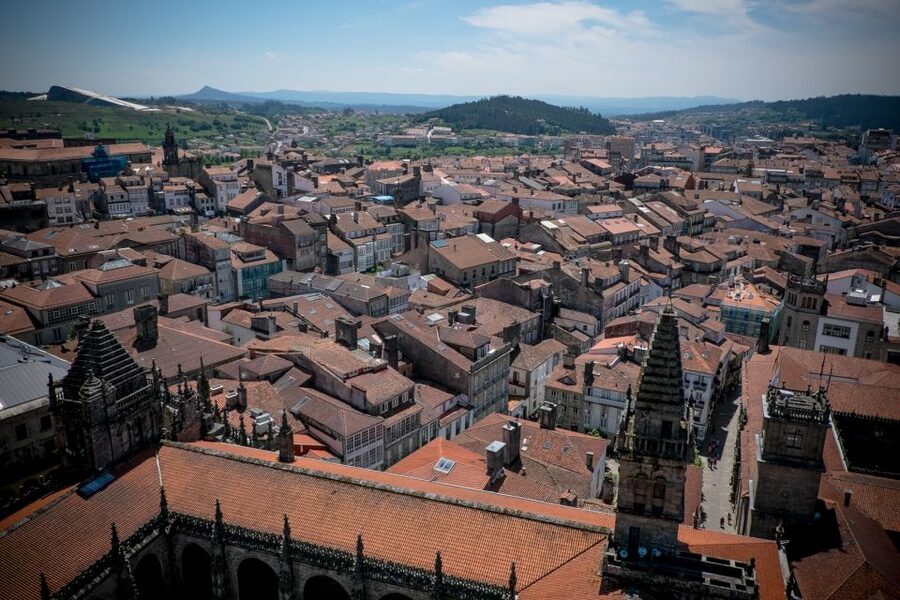
The route doesn’t stop at the main church highlights. You’ll also visit areas like the Treasury and the Chapter House. These are the kinds of spaces that can feel confusing when you’re on your own, because the value is partly in why these rooms exist and what they housed for centuries.
With a guide, you get the storyline that turns these rooms into more than additional ticketed areas. You learn how they relate to the cathedral’s operation as a sacred institution, not just a monument.
Also, you’ll have a guided look at key features that are easy to miss at your own pace. The whole point is to help you notice the meaningful details rather than doing a quick sweep and moving on.
Botafumeiro and the cathedral’s theatrical rhythm
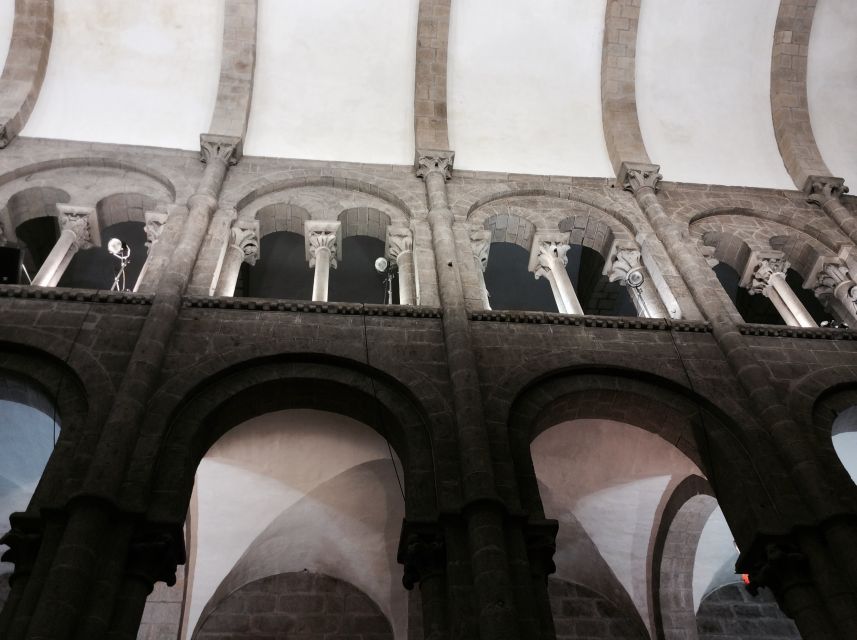
The tour includes the Botafumeiro. This is one of those Santiago elements that people talk about because it’s memorable and specific to this culture and this ritual.
In a 2-hour visit, you won’t get a long performance lesson, but you will get enough explanation to understand what it is in the cathedral context. A guide helps you see it as part of the cathedral’s identity, not only a spectacle.
This segment also changes the tone of the visit. You go from looking at sacred art and architecture to experiencing the cathedral’s ritual side. Even if you’re not deeply religious, the cultural logic still lands when it’s explained well.
Balconies and the cloister walk: views and structure
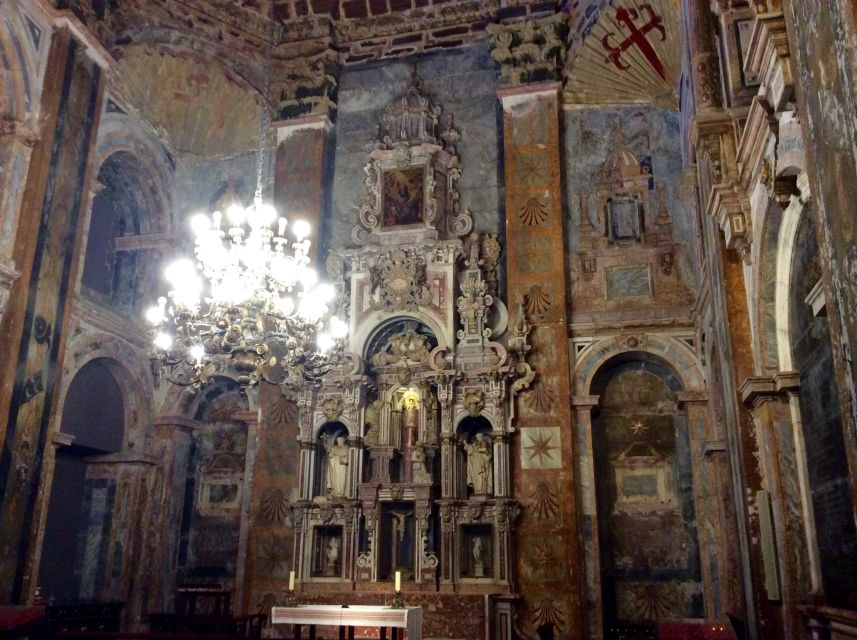
You’ll also enjoy views from balconies and explore the cloister. These parts of the visit matter because they give you spatial understanding. You start seeing how the cathedral complex is designed, how movement works through the space, and how different areas relate to each other.
The cloister stop especially helps you picture the cathedral as a whole system rather than one big room. It’s calmer than the main altar zones, and it gives you a mental reset between intense highlights.
And the balconies? They’re a reminder that Santiago isn’t just about ground-level sacred drama. There’s architecture up high, sightlines, and perspective. A guide’s interpretation keeps you from treating the views like a random bonus.
What “small group” really means in a crowded cathedral
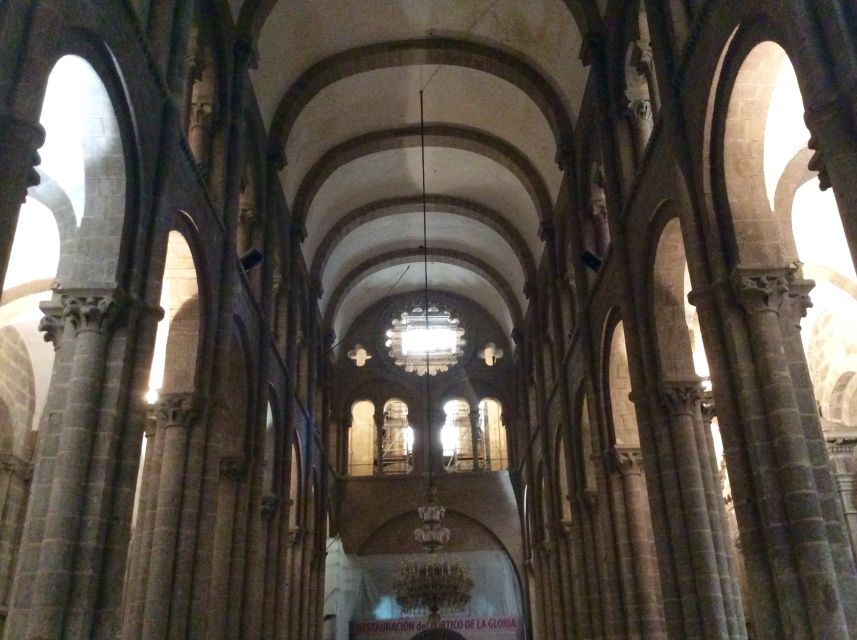
This tour runs for 2 hours and is described as a small group format, which is exactly what you want in a place like Santiago de Compostela Cathedral. Crowd flow can be chaotic. The value of a small group is that you can keep your place in the route without constantly negotiating where to stand and when to move.
You’ll also have live tour support in multiple languages: English, Spanish, Italian, Portuguese, and French. That matters because good explanations depend on clean communication, not just the ability to describe what you see.
Based on past experiences with guides like Carmen, Maria, Miriam, Laura, Betty, Alberto, and Elena, one recurring benefit is the blend of clear structure and space for questions. If you like to ask why a detail exists, you’re more likely to get satisfying answers here than in a large, fast-moving tour.
Price and value: what $29 buys you
At $29 per person for a 2-hour guided visit, the value comes from three things: guided interpretation, museum entry, and skip-the-line access.
Museum entry alone helps justify part of the cost. The guide helps you use the time in the cathedral effectively. And the skip-the-line element is practical because the cathedral is a magnet for crowds, especially during peak travel times.
So you’re not paying just for entry. You’re paying for time saved and context delivered. If you’re visiting Santiago for a short stay and want the cathedral to feel understandable and meaningful, this price point is a reasonable match.
One more value point: you get a route that covers major indoor areas in a compact format. That’s useful when your day includes other stops around the city or your schedule is tight.
Who should book this tour
This guided tour is a strong fit if:
- You want a focused cathedral experience without planning every chapel and room yourself
- You like sacred art and architectural explanations, especially tied to the Santiago pilgrimage story
- You enjoy meeting a guide who can answer questions and keep the pacing steady (many groups have praised guides such as Carmen and Elena for this)
It may be less ideal if:
- You need wheelchair accessibility, since it’s not suitable for wheelchair users
- You’re traveling with a large backpack, since large backpacks are not allowed
- You were hoping for a long exterior-focused experience around symbolic façades. This tour centers on the cathedral interior and museum route, so plan to explore outside on your own if that’s a priority
Should you book this Santiago Cathedral and Museum tour?
Yes, I’d book it if your goal is to leave with a clear sense of what the cathedral represents and why specific objects and spaces matter. The museum-first flow is a smart way to get oriented fast, and the interior route hits the key stops that define the Santiago story.
If you’re comfortable with the limits (no large backpacks, not wheelchair-friendly) and you like a guided, compact 2 hours, this is a good-use-of-time experience at a fair price. For many visitors, it turns a famous site into a place you can actually understand while you’re standing inside it.
FAQ
How long is the guided tour?
The tour lasts 2 hours.
What is included in the $29 per person price?
It includes a guided tour and an entrance ticket to the cathedral museum.
Does the tour include skip-the-line entry?
Yes. You’ll use a separate entrance to skip the line.
Where does the tour start?
The meeting point can vary depending on the option you book, and the tour begins at the Cathedral Museum.
What languages are available for the live guide?
The live tour guide is offered in English, Spanish, Italian, Portuguese, and French.
Is this tour a wheelchair-friendly experience?
No, it is not suitable for wheelchair users.
Are backpacks allowed?
Large backpacks are not allowed.
Are there different starting times?
Yes. You can check availability to see starting times.
Is free cancellation available?
Yes. You can cancel up to 24 hours in advance for a full refund.