REVIEW · ROTTERDAM
Rotterdam: Maritime Museum and historic museum harbor ticket
Book on GetYourGuide →Operated by Maritiem Museum Rotterdam · Bookable on GetYourGuide
Rotterdam’s port story sails right into town. The Maritime Museum Rotterdam blends modern exhibits about the world’s biggest port with a walk through a working museum harbor of cranes and historic vessels, so you get both context and real things you can see. I especially like how the museum explains Rotterdam’s port growth through galleries like Destination Port City, and I also love that you’re not stuck indoors—you can look around the old harbor area with ships and cranes outside. One thing to plan for: the kids’ exhibit Plons! The future of the sea needs a separate time slot, and the inner-harbor cruise isn’t automatically included with the standard ticket.
This is a very practical one-day outing in central Rotterdam, starting at Leuvehaven 1. You’ll get access to all exhibitions plus the museum harbor and workshops, and it’s set up for different ages. If you’re only stopping for an hour or two, you might feel like you’re skimming—this place works best when you actually wander.
In This Review
- Key points before you go
- Arriving at Leuvehaven: where the museum starts
- Museum harbor walk: cranes, ships, and the real working port vibe
- What’s inside: exhibitions that connect the past to port decisions
- Destination Port City: Rotterdam’s rise explained in plain language
- Offshore Experience: a themed challenge for energy and risk
- The workshop and maritime crafts you can actually picture
- Plons! The future of the sea: the kids’ exhibit with a time slot
- Optional inner-harbor cruise: add it if you want more motion
- Price and value: what $22 buys you in Rotterdam
- Timing tips for a smooth 1-day visit
- House rules that can affect your day
- Who this museum is best for
- Should you book Rotterdam’s Maritime Museum harbor ticket?
- FAQ
- Where is the Maritime Museum Rotterdam located?
- How much does the ticket cost?
- How long is the experience valid for?
- What’s included with the standard ticket?
- Is the inner harbor cruise included?
- Do I need a time slot for Plons! The future of the sea?
- Are there extra costs for Plons! if I already buy the regular ticket?
- What days is the museum closed?
- Is the museum wheelchair accessible?
- Are umbrellas and large bags allowed?
Key points before you go
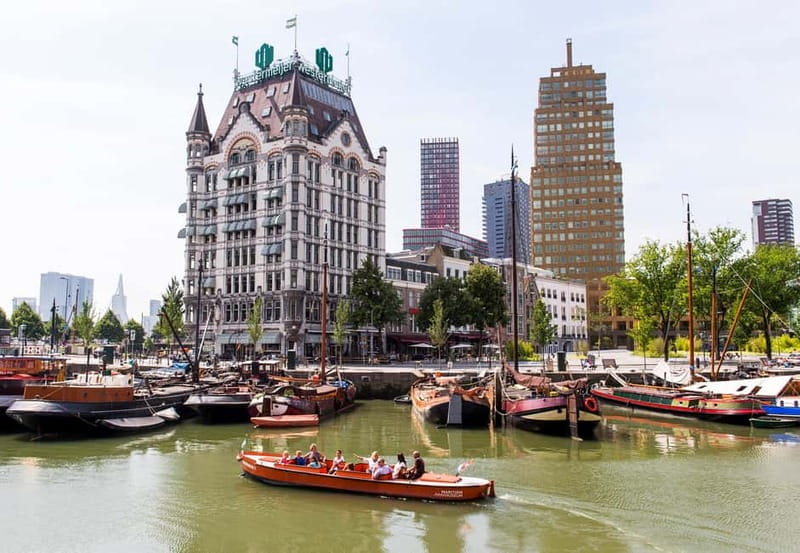
- Working museum harbor in the middle of Rotterdam: historic cranes and ships are maintained in operating condition for you to explore.
- Port-city storytelling that’s not just posters: areas like Destination Port City explain how Rotterdam became a major European hub.
- Hands-on style learning in the museum: the workshop area focuses on maritime crafts.
- Kids’ science-and-sea exhibit with strict timing: Plons! requires a booked time slot in addition to your entrance ticket.
- Optional inner-harbor cruise: you can add it at the museum, but it isn’t part of the included ticket.
Arriving at Leuvehaven: where the museum starts
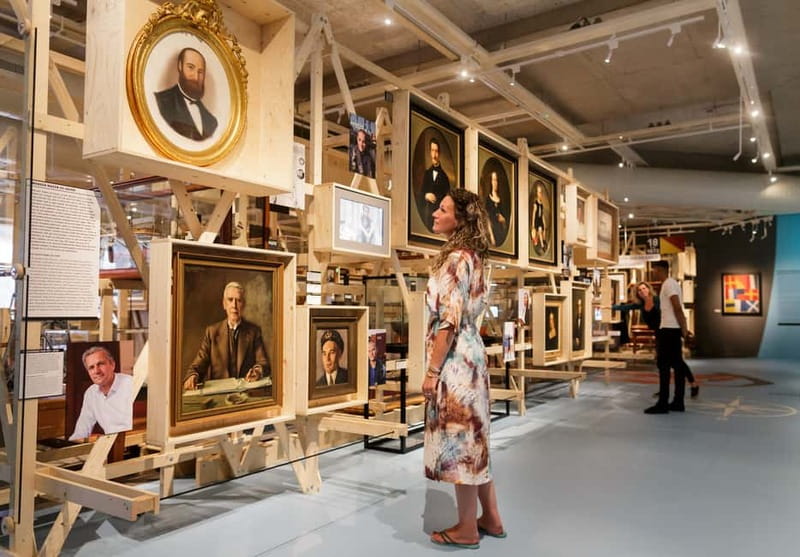
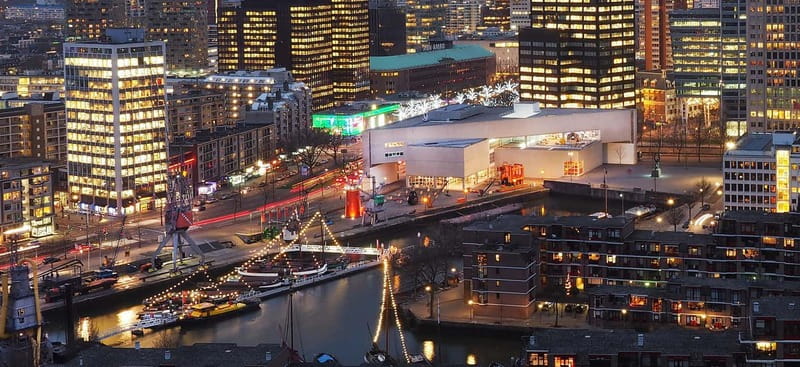
The museum’s main address is Leuvehaven 1, 3011 EA Rotterdam, which is right in the harbor district. That matters because you’re starting your visit in the same area Rotterdam built its identity around.
Getting there is easy with public transit. Use the metro to Beurs or the tram to Beurs (lines 8, 23, 25), take bus 32 to Westblaak, or use the watertaxi to Leuvehaven.
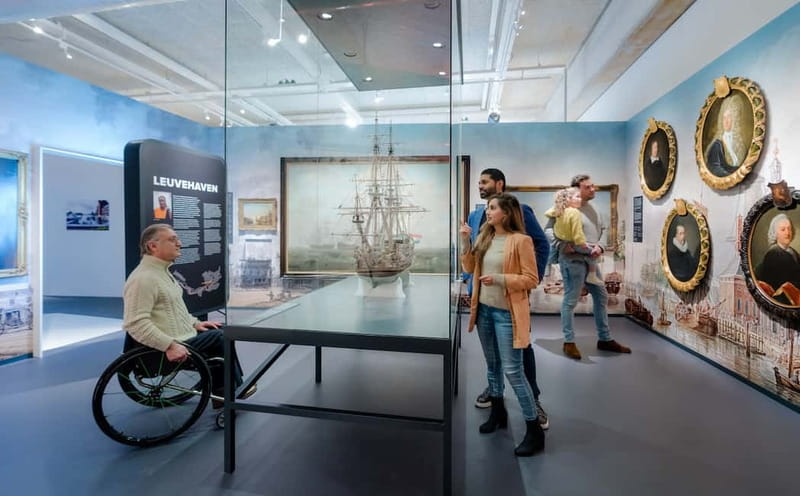
The museum is offered in English and Dutch, and it’s wheelchair accessible, which is great if you’re traveling with mobility needs. Plan to dress for a harbor day—cool air and wind can be real, especially when you spend time outside.
Museum harbor walk: cranes, ships, and the real working port vibe
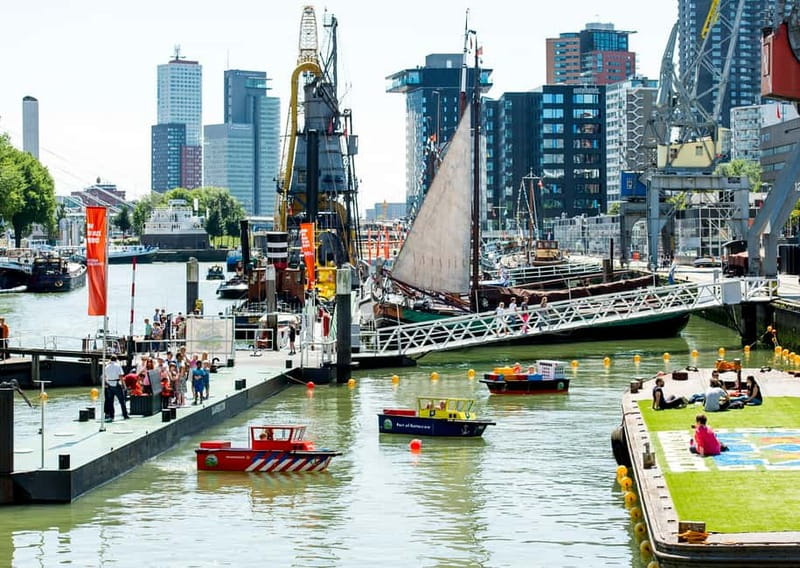
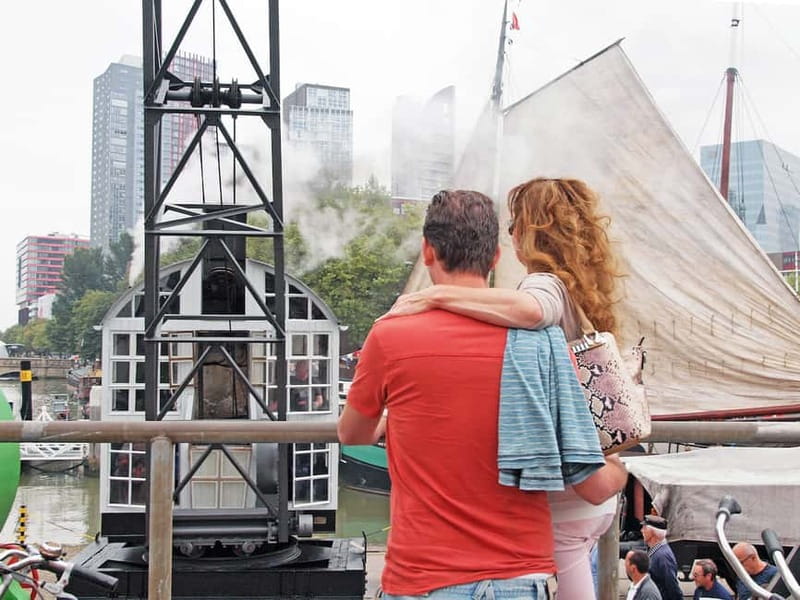
The Maritime Museum is located in one of the oldest and largest museum harbors in the Netherlands, and that’s not a marketing line. You get to see historic vessels and cranes outside, and the key detail is that many of these are maintained in working condition.
That changes the experience. Instead of reading about port life in a generic way, you can look closely at the scale of equipment and the practical layout that made loading, moving, and shipping possible.
It also helps you understand why Rotterdam became the Europe giant it is. The harbor setting gives you physical clues about where trade happens, how activity shaped the shoreline, and how industrial design turned into urban power.
A small planning tip: because this is an outdoor harbor area, expect weather to affect how long you want to linger outside. I’d build a little buffer into your day so you don’t feel rushed if it’s windy or rainy.
What’s inside: exhibitions that connect the past to port decisions
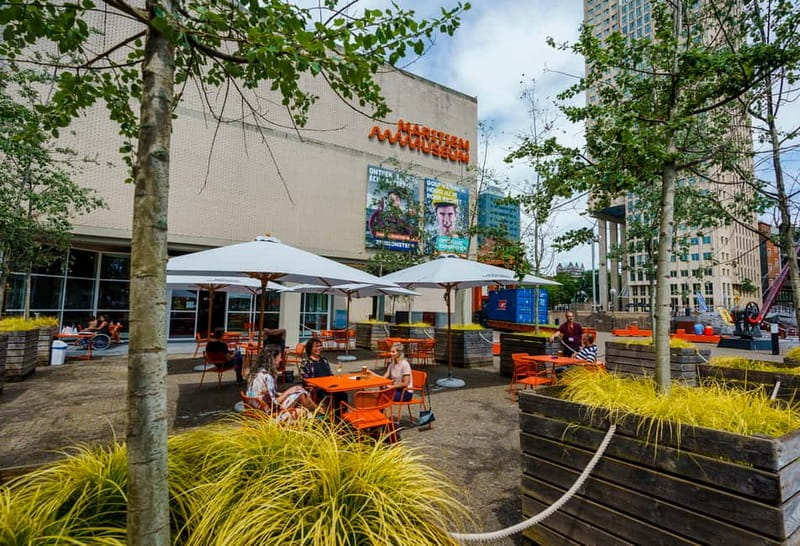
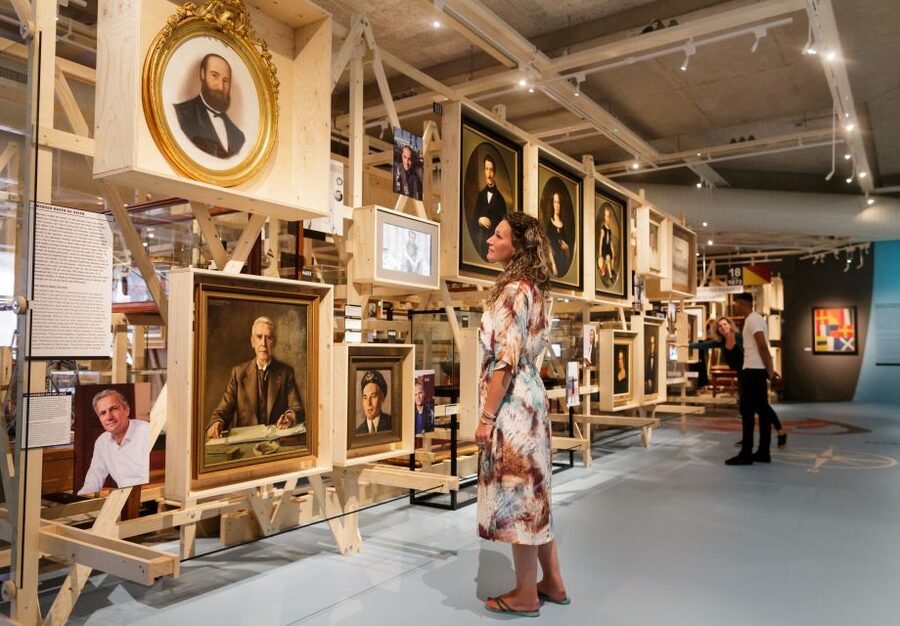
Your entrance ticket covers all exhibitions plus the museum harbor and workshops, so you can move at your pace. This is a museum that mixes story-driven galleries with exhibit spaces that focus on how the port works—past, present, and what’s next.
One of the themes I liked is that the museum doesn’t treat the port as a static object. It presents maritime work as a living system with new challenges, changing technology, and continuing pressure on the future of sea travel.
You’ll also see “prize exhibits” from the museum’s leading collection mentioned as part of the core experience. Even if you’re not a hardcore ship-history person, those standout pieces make the larger story feel more grounded.
If you like learning by moving between spaces, this format helps. You can go from hands-on and craft-oriented parts to larger context galleries without it feeling repetitive.
Destination Port City: Rotterdam’s rise explained in plain language
Destination Port City is one of the museum’s featured areas, focused on how Rotterdam developed into one of Europe’s biggest port cities. You’ll get the sense that the museum is building your map first—then adding detail.
This is a good stop if you want a framework. Rotterdam can feel like a blur of terminals and infrastructure from far away, but a gallery like this helps you connect what you’re seeing later in the harbor to the decisions and growth that shaped it.
I like how this kind of exhibit often explains trade in everyday terms: why location matters, why expansion happens, and why maritime cities evolve as shipping needs change. It’s not just dates; it’s “why this happened here.”
If you’re short on time, prioritize this area early so you know what you’re looking for when you’re back outside.
Offshore Experience: a themed challenge for energy and risk
Another featured option is the Offshore Experience, described as a challenging search for energy. Even without going too technical, that theme matters because it frames modern maritime work as more than cargo.
This is the kind of exhibit that works well if you like interactive learning or story-driven activities. It also balances the harbor visuals with a more forward-looking feel—how energy and maritime operations intersect.
If you’re traveling with kids, expect this to be one of those moments where the museum becomes less like reading and more like doing. If you’re traveling solo, it can still help you avoid museum fatigue by giving your brain a new task.
Time it wisely. Interactive areas often take longer than you expect, especially when you’re reading carefully.
The workshop and maritime crafts you can actually picture
The ticket includes access to the museum workshops, and that’s a big plus for anyone who likes practical skills. Maritime crafts are easier to understand when you see the working approach behind them, not just the final products or ship silhouettes.
Even if you only skim, workshop areas tend to clarify how tools and materials shape the work. In a maritime setting, that can mean everything from craft traditions to the “how” behind port operations.
This part of the visit is also a good counterbalance to the bigger exhibition halls. You get smaller-scale focus, and that helps you remember what you saw earlier outside.
If you’re the type who likes to take your time with details, plan to slow down here rather than rushing through everything.
Plons! The future of the sea: the kids’ exhibit with a time slot
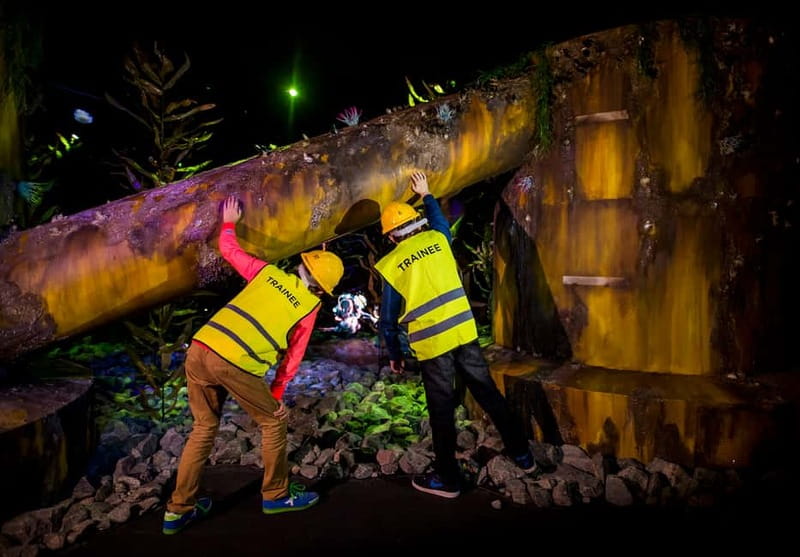
If you’re visiting with children—or if you just like sea-themed learning—make room for Plons! The future of the sea. The museum describes it as an immersive (under)water world, built to help kids think about opportunities at sea and the challenges around climate, pollution, and energy transition.
Here’s the practical catch: for Plons!, you need a separate time slot in addition to your entrance ticket. You’ll book it through the museum’s ticket page, and the good news is that the extra reservation is noted as free if you ordered a regular entrance ticket.
Because time slots mean you can’t wander in whenever you want, you should plan your day around it. I’d pick a slot early enough that it doesn’t crowd out your core harbor walking and main galleries.
Also, because it’s an interactive children’s exhibit, it’s often best when kids can move at their own pace without a deadline. Build your schedule around that reality.
Optional inner-harbor cruise: add it if you want more motion
The ticket you’re considering includes the museum harbor, but the cruise through the inner harbor museum section is not included. The museum notes that you should advise at the ticket counter if you want to visit the cruise section.
So think of it as a “nice upgrade,” not a guaranteed part of your day. If you love water views and moving scenery, the cruise could be worth adding. If you prefer self-paced walking and don’t want waiting, you might skip it and spend the extra time inside exhibits or the outdoor harbor area.
This is also where you can adjust to the weather. If the wind outside is strong, a short cruise could feel like a change of pace, but only if you’re comfortable with the additional planning at the counter.
Price and value: what $22 buys you in Rotterdam
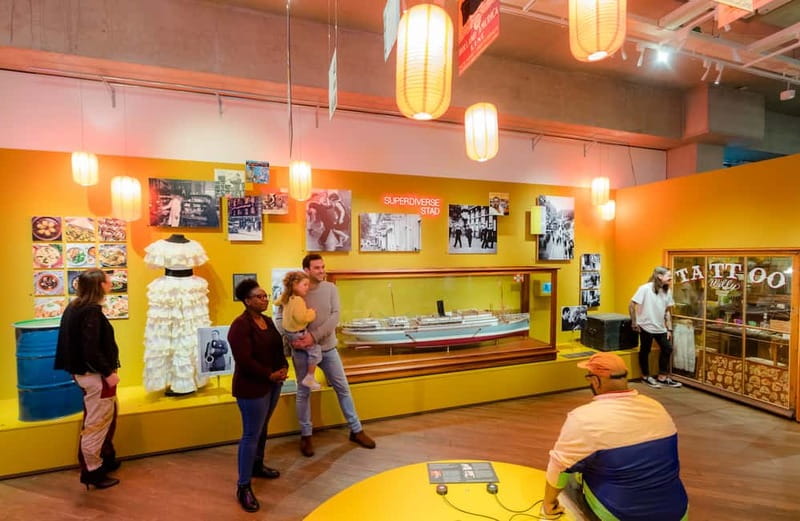
At $22 per person, the Maritime Museum ticket feels like a solid value for what you get. You’re paying for more than a single gallery: your ticket covers all exhibitions, the museum harbor, and the workshops.
That mix matters. Museums that charge a similar amount but focus only on indoor exhibits can feel one-dimensional. Here, you get both the “learn it” part (exhibitions and themed areas) and the “see it” part (historic cranes and ships outside).
Also, the museum location helps the value. Because you’re starting in a harbor setting, you’re not paying just for entertainment—you’re paying for context in the exact environment where maritime work happens.
If Plons! is part of your family plan, remember you’ll want that time slot. The timing requirement doesn’t add cash based on the note given, but it does add planning.
Timing tips for a smooth 1-day visit
This experience is sold as a valid 1-day outing, so your best move is to treat it like a full museum half-day plus harbor walking, rather than a rushed stop. If you like to read and watch, give yourself time in the main galleries and then schedule Plons! around your pace.
A smart flow is:
- Start with the harbor area so you know what the place feels like.
- Head indoors for the big context exhibits (Port City and Offshore-style areas).
- Use the workshops to slow down and focus on crafts.
- Finish with Plons! if you’re going (because the time slot is usually the “clock”).
If you’re mainly interested in ships and harbor scenes, you might still want a quick pass through the bigger galleries. Even short context stops make the outdoor exhibits more meaningful.
One more practical note: the museum has specific closure days, including Mondays, New Year’s Day, the Rotterdam Marathon, King’s Day, and Christmas. Double-check the day you’re going, especially if you’re coordinating with other Rotterdam plans.
House rules that can affect your day
The museum has a long list of items that aren’t allowed, so it’s worth checking before you show up. Key ones include no pets, no drones, no large bags/luggage, and no umbrellas.
Also note that flash photography is not allowed, and smoking indoors and vaping are not allowed. There are restrictions on weapons or sharp objects, and the museum also limits items like bikes and skateboards/skates.
If you’re traveling light, you’ll breeze through. If you’re used to bringing an umbrella as “just in case,” remember you may need to store it or manage without.
Who this museum is best for
This is a great fit for people who like ports, shipping, and how cities connect to industry. The museum harbor setting makes it especially appealing if you want real structures and not just model ships.
It’s also family-friendly in a targeted way because of Plons! The kids’ exhibit is designed to pull children into sea and climate topics, and the time slot structure helps keep it organized.
If you’re a casual museum visitor, you’ll still find enough to enjoy thanks to the harbor visuals and the featured galleries. Just don’t plan this as a quick photo stop—spend time so the story lands.
Should you book Rotterdam’s Maritime Museum harbor ticket?
Book it if you want a port museum that feels like the real place, not a detached indoor collection. The value comes from the combination of exhibitions + museum harbor + workshops, plus the chance to add the inner-harbor cruise if it fits your style.
Skip it or adjust expectations if your schedule is tight or you dislike time-slot requirements—Plons! can shape your day. Also, check your visit date carefully since the museum closes on specific days and holidays.
If you want Rotterdam’s maritime identity in one day, this ticket is a strong choice. You’ll leave with a clearer picture of how a European port became what it is, and you’ll have seen the cranes and ships where that story actually takes shape.
FAQ
Where is the Maritime Museum Rotterdam located?
The meeting point is Leuvehaven 1, 3011 EA Rotterdam.
How much does the ticket cost?
The price is listed as $22 per person.
How long is the experience valid for?
The ticket is valid for 1 day. You can check availability for the starting times.
What’s included with the standard ticket?
The ticket includes entrance to all exhibitions, the museum harbor, and workshops.
Is the inner harbor cruise included?
No. The cruise through the inner harbor museum section is not included, and you should advise at the ticket counter if you want to add it.
Do I need a time slot for Plons! The future of the sea?
Yes. Plons! requires a separate time slot booked alongside your entrance ticket.
Are there extra costs for Plons! if I already buy the regular ticket?
The additional reservation is stated as free if you ordered a regular entrance ticket.
What days is the museum closed?
It is closed on Mondays, New Year’s Day, during the Rotterdam Marathon, King’s Day, and Christmas.
Is the museum wheelchair accessible?
Yes, the experience is listed as wheelchair accessible.
Are umbrellas and large bags allowed?
No. Umbrellas and oversize luggage/large bags are not allowed.