REVIEW · PORTO
Porto: Chocolate Museum – Unwrap the Secrets of Chocolate
Book on GetYourGuide →Operated by The World of Wine (WOW) · Bookable on GetYourGuide
Chocolate has a timeline, not just a taste. At The Chocolate Story in Porto, this 90-minute chocolate museum experience strings together 5,000 years of cocoa history and shows how it’s made today, including a look at the working Vinte Vinte factory with tastings along the way.
I really like the bean-to-bar storytelling that’s built around your senses: you’ll see, smell, and taste your way through the process. I also appreciate the pacing option—since you get an audioguide, you’re not stuck reading every label like it’s homework.
One consideration: the museum leans a lot on signage and panels, and the walking flow can feel a touch confusing at times. Plus, parts of the factory action are more like watching through glass than hands-on work.
In This Review
- Key things I’d plan around
- Entering The Chocolate Story in Porto: What happens first
- A 90-minute schedule that works even if you’re not a superfan
- The museum route: 5,000 years of chocolate, told in a sensible order
- The Vinte Vinte factory moment: watching production without the mess
- Tastings that actually teach you something
- Audioguides in four languages: a huge help for keeping up
- Price and value: is $23 reasonable in Porto?
- What might feel less satisfying (and who should plan to love it)
- Practical visit tips so you enjoy it more
- Should you book this Porto chocolate experience?
- FAQ
- Where is the meeting point for the chocolate museum ticket?
- How long is the experience?
- What’s included with the ticket?
- What’s not included?
- Which languages are available for the audioguide?
- What are the opening hours in Porto?
- Can I use my ticket any time during the day?
- Is the experience wheelchair accessible?
- Are unaccompanied minors allowed?
- Is it a good activity for children?
Key things I’d plan around
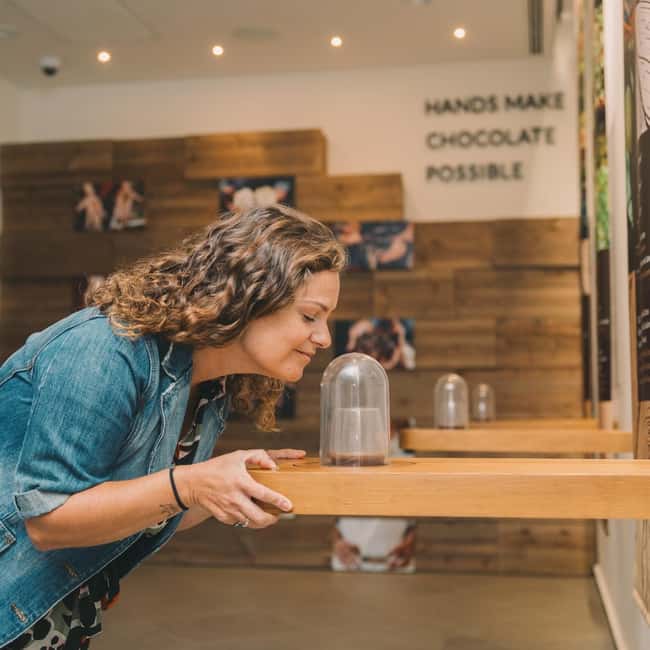
- See, smell, and taste as part of the core route, not just at the end
- 5,000 years of chocolate history tied to how it spread globally
- Live factory context through the Vinte Vinte setup (and it may vary by day)
- Tastings with cacao basics like raw cacao and artisan chocolate samples
- Audioguide in English, Spanish, Portuguese, and French so you can move at your own speed
Entering The Chocolate Story in Porto: What happens first
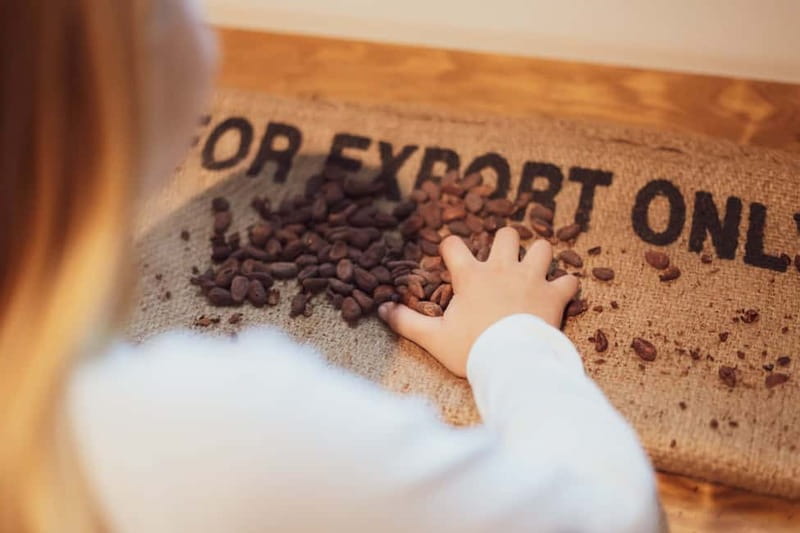
You’ll want to start by finding the right check-in point: show your ticket directly at The Chocolate Story. There’s no hotel pickup, so plan to arrive on your own time and get settled before your audio starts.
Once you’re inside, the experience is structured like a guided walk through chocolate’s past and present. The museum is designed so you can follow the story in order, but you won’t be glued to a single group leader the whole time. If you like knowing what you’re about to see, hang back for a minute at the start and get your route straight.
You can also read our reviews of more museum experiences in Porto



A 90-minute schedule that works even if you’re not a superfan

The ticket is for 90 minutes, which is a great length for a rainy afternoon or a break between Porto neighborhoods. It’s long enough for tastings, history panels, and a factory-focused segment. It’s short enough that you won’t feel trapped if you’re not a chocolate nerd.
In practice, this kind of museum works best when you pace yourself. Spend a little extra time at the tasting moments and don’t rush the early history sections—you’ll understand the later “why chocolate became global” story much faster when you catch the earlier context.
The museum route: 5,000 years of chocolate, told in a sensible order
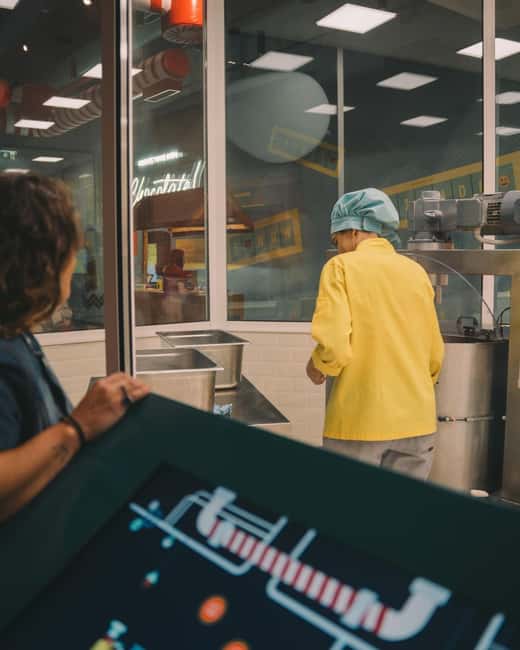
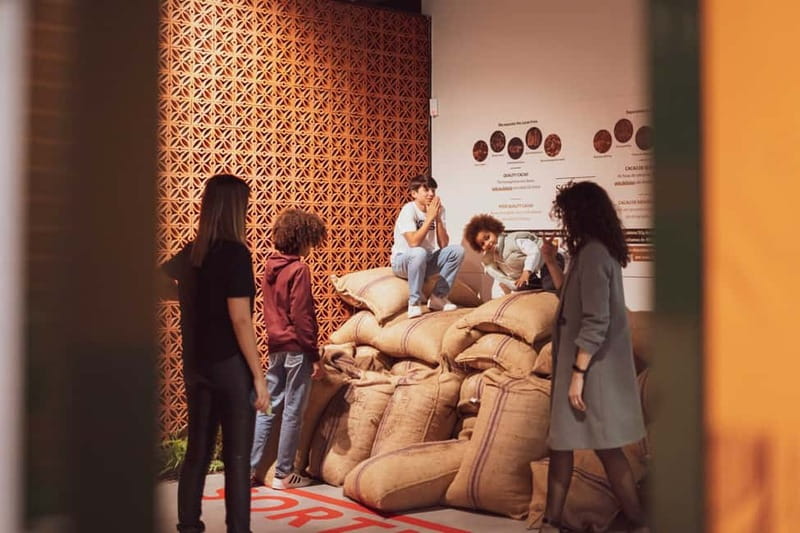
The core theme is the journey: where cacao came from, how chocolate rituals and traditions evolved, and how the product became a worldwide obsession. You’ll move through the story from sacred Mesoamerican traditions to chocolate’s rise as a popular treat, with clear explanations of why people valued it and how it changed over time.
What I like about this approach is that it connects chocolate to real human behavior. You’re not just learning that cacao exists—you’re learning what it meant in different places and why demand grew. The museum also covers how chocolate influenced advertising, packaging, and production, which is one of those details that makes the history feel modern instead of dusty.
Also expect plenty of reading. If you love facts and diagrams, you’ll be happy. If you prefer faster, story-first experiences, you might skim a bit and focus on the sensory stations and factory parts.
The Vinte Vinte factory moment: watching production without the mess
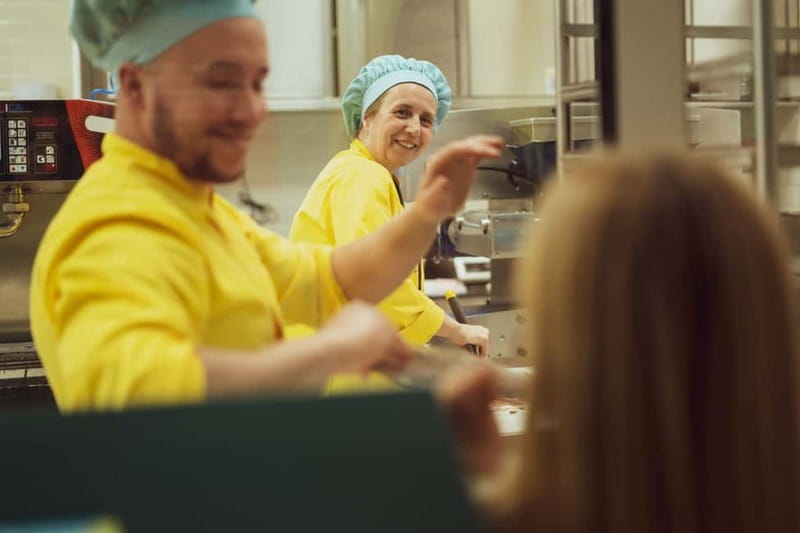
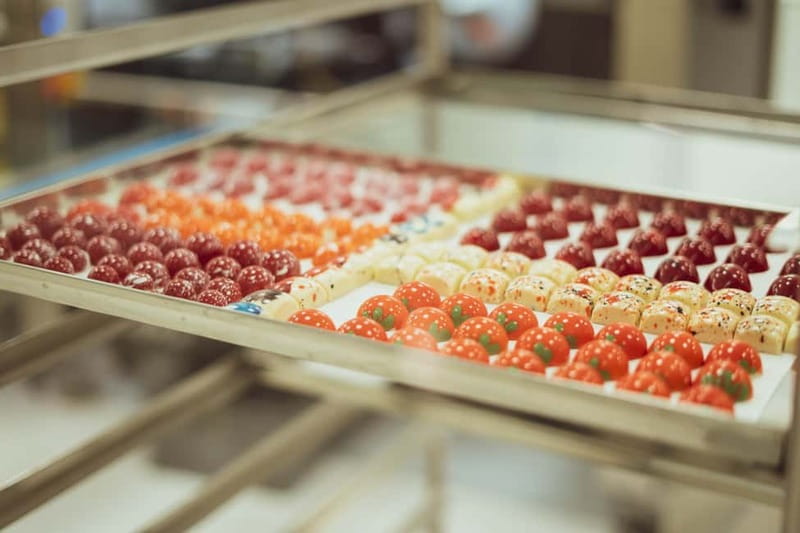
One of the big promises is seeing chocolate-making in action via their live, working chocolate factory setup. This is the part that helps the museum go from “interesting” to “oh, so that’s how it actually happens.”
That said, it’s worth calibrating your expectations. Some parts of the production viewing can feel like you’re watching behind glass rather than getting a real production role-play. If you want to physically do steps, you might find it a bit limited.
There’s also a practical tip from experience: if you specifically care about seeing the in-house chocolate factory at work, plan your visit carefully. One note to take seriously is that the factory action may not be the same on a Sunday. If you’re choosing between days, pick the one most likely to have active production.
Tastings that actually teach you something
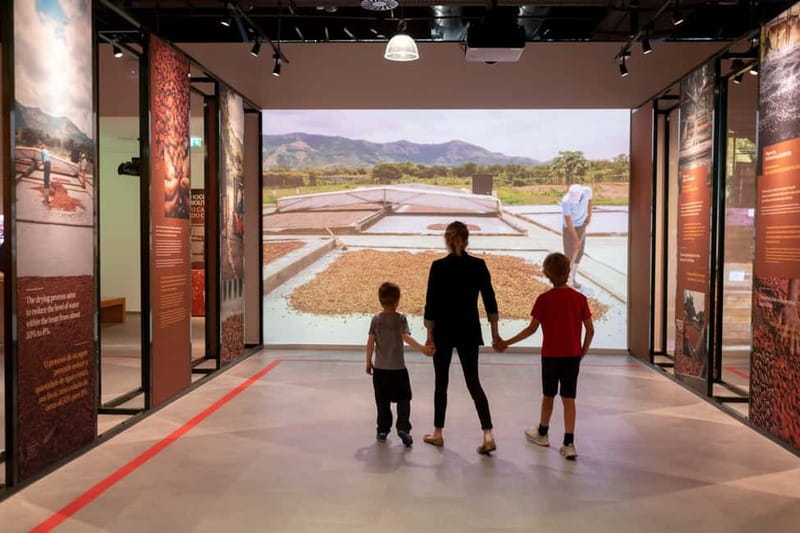
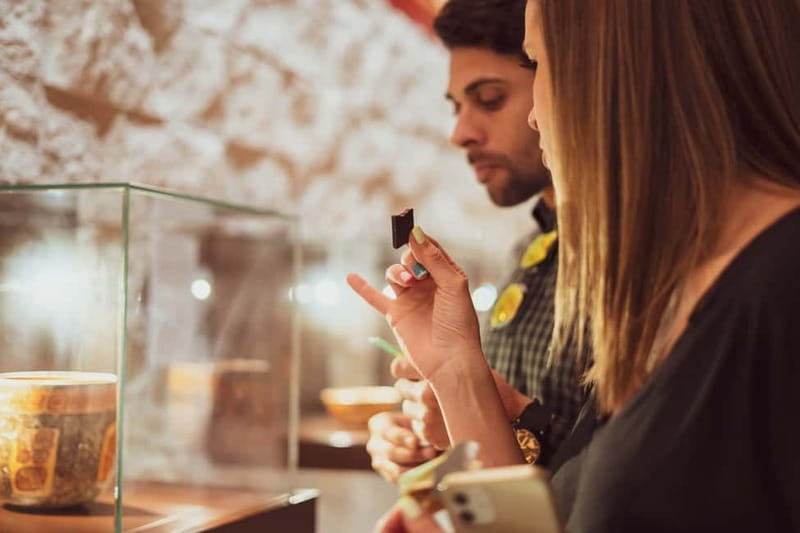
The tasting portion is a highlight for good reason. You get a chocolate tasting tied to their brand 20|20, plus raw cacao and artisan samples. This isn’t just sugar-on-sugar. The goal is to make you notice differences between cacao origins, cacao forms, and chocolate styles.
Here’s what you can usefully focus on while you’re tasting:
- Raw cacao tastes different from chocolate because it hasn’t been transformed the same way.
- 100% cacao (when offered in the stations) is your “no-safety-net” baseline—great for understanding bitterness and how processing changes flavor.
- The artisan samples help you connect what you learned in the bean-to-bar story to what you taste in the cup.
You’ll likely move through multiple tasting stations rather than receiving everything in one lump. That spread-out structure also keeps the route from feeling one-note.


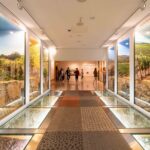
Audioguides in four languages: a huge help for keeping up
You get an audioguide tour, available in English, Spanish, Portuguese, and French. This is one of the best value pieces of the ticket because it lets the history and process feel like a coherent talk instead of a wall of text.
I like audioguides in museums when they’re used as a “second layer.” Here, you can read what you want, then listen for the connections—why certain steps matter and how chocolate became what it is today.
You also have flexibility: your ticket is usable on your selected date during museum opening hours. That means you’re not locked to one exact second. Use that freedom to arrive when you’re ready, not when you’re rushed.
Price and value: is $23 reasonable in Porto?
At about $23 per person and roughly 90 minutes, this sits in the “worth it if you like learning with tastings” category. Here’s why the value makes sense:
- You’re paying for more than entry. The ticket includes 20|20 tastings and an audioguide, which makes the time feel guided rather than self-directed.
- The experience combines history plus process. Many chocolate stops in Europe focus only on tasting. This one pairs tasting with a bean-to-bar explanation and a factory-related segment.
- You’ll get multiple sensory moments. Seeing, smelling, and tasting are hard to beat for building a memory.
The main value downside is the shop. If you want to take chocolate home, you may find the museum shop pricing is on the high side. It’s not a dealbreaker—just go in knowing you might be tempted, and temptation is where budgets go to die.
What might feel less satisfying (and who should plan to love it)
I found the “less satisfying” issues tend to fall into two buckets.
First: interaction level. The museum has interactive elements, tastings, and games in the mix. Still, some production elements may feel observational rather than hands-on. If your ideal experience is getting your hands on ingredients, you may want to balance this visit with something more workshop-style elsewhere.
Second: flow and reading. Some people note that directions can feel unclear in spots, and the amount of text can be heavy. If you’re the type who hates reading panels, focus on the audioguide audio, tastings, and the factory viewing areas.
Who’s this best for?
- Families looking for a kid-friendly learning break
- Chocolate lovers who want context, not just dessert
- Curious adults who enjoy food history and process
If you’re coming with toddlers, it can still work, but unaccompanied minors aren’t allowed, so plan on staying with your child throughout.
Practical visit tips so you enjoy it more
A few small choices can make the difference between good and great:
- Don’t treat the tastings like an afterthought. If you wait until the end, you may miss how the earlier history helps your palate make sense of what you’re tasting.
- Use the audioguide as your backbone. Let it guide you through the story when the signs feel like a lot.
- Plan your day around the timing. The experience runs daily from 10:00 AM to 7:00 PM (last entrance). If you’re aiming for factory action, check your day choice because it may vary.
- Budget for souvenirs. There’s a shop and likely a cafe area at the end, which is handy for a snack after all that chocolate.
Should you book this Porto chocolate experience?
If you want a structured, 90-minute chocolate visit that mixes history, science, and tastings, this is an easy yes. The audioguide plus 20|20 tasting makes the ticket feel like more than just walking through displays.
I’d also book it if you like the idea of a live, working factory component—just go in expecting observation rather than hands-on chocolate-making. If your goal is pure tasting only, or you’re strongly anti-reading, you might feel less satisfied.
My rule of thumb: book it when you want the story behind the flavor, and when you have room in your afternoon for a guided sensory stop.
FAQ
Where is the meeting point for the chocolate museum ticket?
Show your ticket directly at The Chocolate Story.
How long is the experience?
Plan on about 90 minutes.
What’s included with the ticket?
Your ticket includes entry to the museum, a chocolate tasting of their 20|20 brand, and an audioguide tour.
What’s not included?
Hotel pickup and drop-off are not included.
Which languages are available for the audioguide?
The audioguide is available in English, Spanish, Portuguese, and French.
What are the opening hours in Porto?
It’s open daily from 10:00 AM until 7:00 PM, with the last entrance at 7:00 PM. Bank holiday hours may vary, so it’s smart to check the official website.
Can I use my ticket any time during the day?
Yes. You can use your ticket at any time on your selected date during museum opening hours.
Is the experience wheelchair accessible?
Yes, it’s wheelchair accessible.
Are unaccompanied minors allowed?
No. Unaccompanied minors are not allowed.
Is it a good activity for children?
It can work well for families, and it often feels more fun for kids older than about 8, though younger children can still enjoy parts of the experience.