REVIEW · PADUA
Padua: Jewish Heritage Museum and Synagogue Tour
Book on GetYourGuide →Operated by Fondazione per il Museo della Padova Ebr · Bookable on GetYourGuide
A synagogue tour with stories you can feel. In Padua’s Jewish Ghetto, you’ll visit a former Ashkenazi synagogue museum and the Italian Synagogue, guided live by someone who knows how to make history human.
I love the way this tour connects centuries of community life to real objects you can stand in front of, and I love ending at a prayer space that’s still active today. One thing to consider: there’s a strict dress code (no shorts, no sleeveless shirts), so plan your outfit before you head in.
Highlights I can’t stop thinking about
- The Aron-ha-Kodesh in the Italian Synagogue, a polychrome marble focal point on the eastern wall and still used for prayer
- A museum inside a restored Ashkenazi synagogue, with multimedia storytelling and character-based narration
- A guided walk through narrow ghetto streets, linking daily life to religious practice and community commerce
- Character-led history from origins to today, including figures tied to Padua’s Jewish scholarly tradition
- Skip-the-line entry and a 1–1.5 hour format, ideal when you want meaning without a full afternoon loss
In This Review
- Where Padua’s Jewish Heritage Lives: the Ghetto area you can walk into
- Museum inside the former Ashkenazi Synagogue: multimedia + characters
- The tour’s “why”: understanding Jewish life as part of Padua, not a side exhibit
- The narrow ghetto streets: where story meets geography
- Ending at the Italian Synagogue: architecture, prayer focus, and the Aron-ha-Kodesh
- Guides who make it work: storytelling names you might hear
- Price and value: $17 per person, but watch weekday ticket notes
- Who should book this Padua Jewish Heritage Tour
- Quick practical notes before you go
- Should you book this tour of the Padua Jewish Museum and Synagogue?
- FAQ
- How long is the Padua Jewish Heritage Museum and Synagogue Tour?
- Where do I meet the guide?
- What’s included in the ticket price?
- Does the tour have an English guide?
- Will I be inside a synagogue that is still used for prayer?
- What do I see in the museum?
- Is the tour wheelchair accessible?
- Is there a dress code?
- Is free cancellation available?
- Can I reserve now and pay later?
Where Padua’s Jewish Heritage Lives: the Ghetto area you can walk into
This tour centers on the historical core of Padua, in the ancient ghetto area. That matters, because you’re not just looking at a room on a map—you’re seeing how the community’s life fit into the city’s physical layout. The route takes you through restricted, narrow streets before ending at the Italian Synagogue.
You’ll meet by looking for a magenta-colored building, then show your voucher at the ticket counter before the tour starts. That step is small, but it keeps things smooth—especially if you’re arriving from the train station or from nearby sights in Padua.
Timing is also friendly: plan for about 1 to 1.5 hours total. It’s short enough to fit into a busy day, but long enough for your guide to explain what you’re seeing instead of rushing past it.
Museum inside the former Ashkenazi Synagogue: multimedia + characters
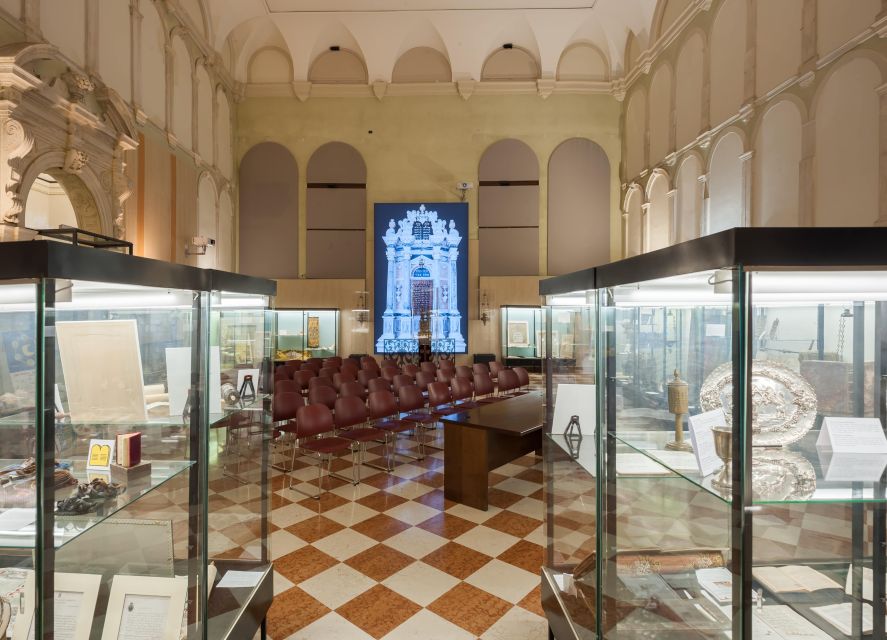
The first main stop is the Padua Jewish Museum, located in the former Ashkenazi synagogue. If you like museums that feel like places—not just display cases—this format helps. You’ll get a multimedia video installation experience, created by film director Denis Brotto, and the storytelling is designed to take you through the community’s events and rituals from origins to the present.
One of the most practical things about this museum setup is that it turns Jewish history into a sequence you can track. Rather than a list of dates, you’re guided through the life of 10 illustrious characters tied to Padua’s Jewish world. In the synagogue setting, those character stories land differently than they would in a standard museum hall.
You’ll also learn about the museum’s larger physical story: it’s in a restored space connected to the Ashkenazi synagogue tradition. Visitors have noted that the synagogue was rebuilt in the 1990s after destruction by a fire set by fascists in 1943. That context doesn’t change the art and objects you’ll see—but it deepens the feeling of why this place matters to the community today.
You can also read our reviews of more tours and experiences in Padua.
The tour’s “why”: understanding Jewish life as part of Padua, not a side exhibit
What I like most about this tour is that it treats Jewish heritage as part of Padua itself—its social life, commerce, culture, and religion. During the guided walk, you’re not just hearing what synagogues are. You’re hearing how a community formed routines, built relationships, and sustained learning in a city over centuries.
In other words, the tour helps you connect big ideas to street-level reality. When your guide explains the Jewish settlement and the past of the ghetto’s social and religious life, you can look at the narrow lanes and understand why those details mattered.
If you’re the type who likes to know the “so what,” this is where you get it. You’ll leave with more than facts about Jewish history—you’ll have a sense of how that history functioned on the ground in Padua.
The narrow ghetto streets: where story meets geography
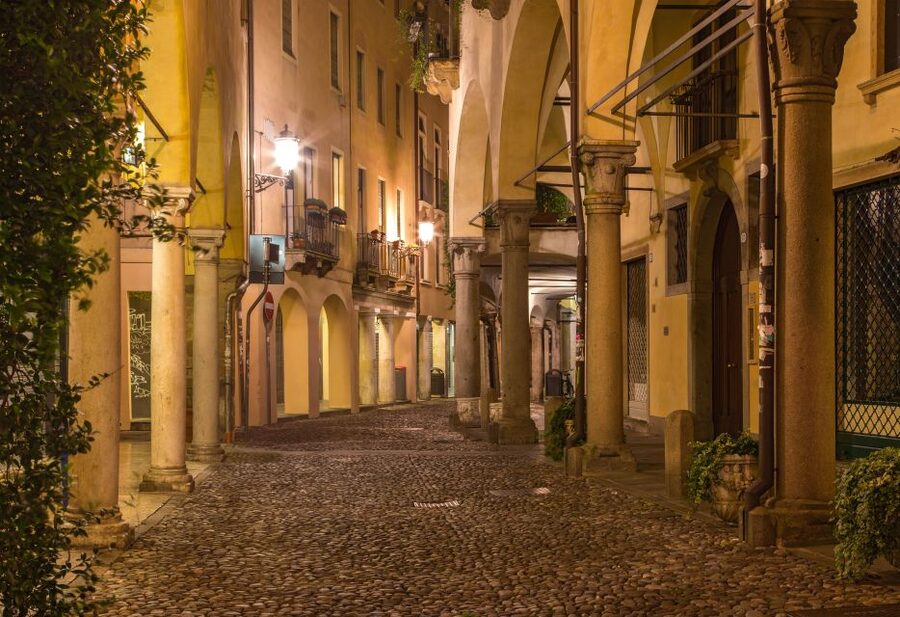
After the museum portion, the tour continues through the ghetto area’s narrow and restricted streets. This part works because geography becomes part of the explanation. You start to notice how movement, proximity, and space shape community life.
Your guide will connect the streets to the story of Jewish settlement in Padua—especially how daily commercial, social, cultural, and religious life developed over time. It’s the kind of walk that doesn’t require you to be an architecture nerd, but it rewards you if you are.
Practical tip: wear comfortable shoes. The tour is short, but you’ll be standing inside sacred spaces and walking on older streets that can feel uneven.
Ending at the Italian Synagogue: architecture, prayer focus, and the Aron-ha-Kodesh
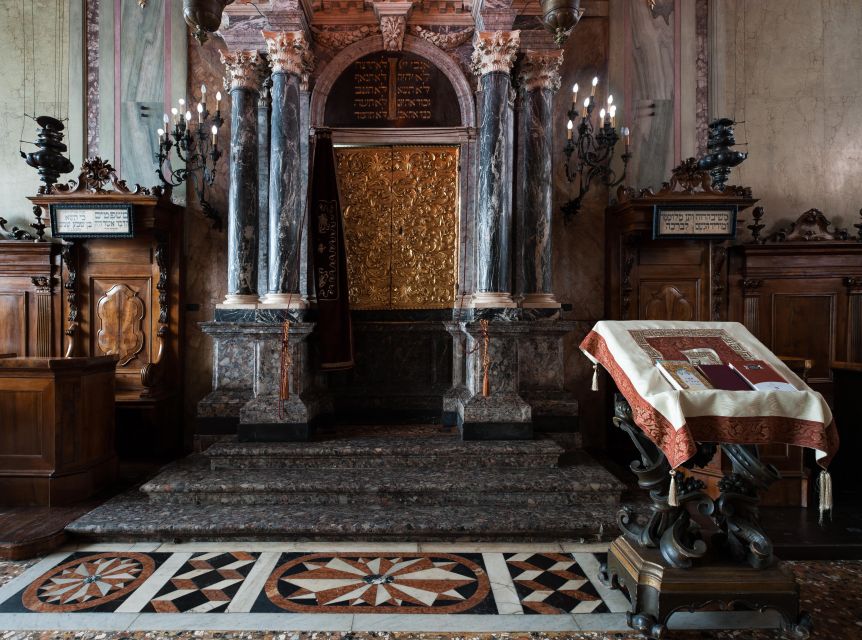
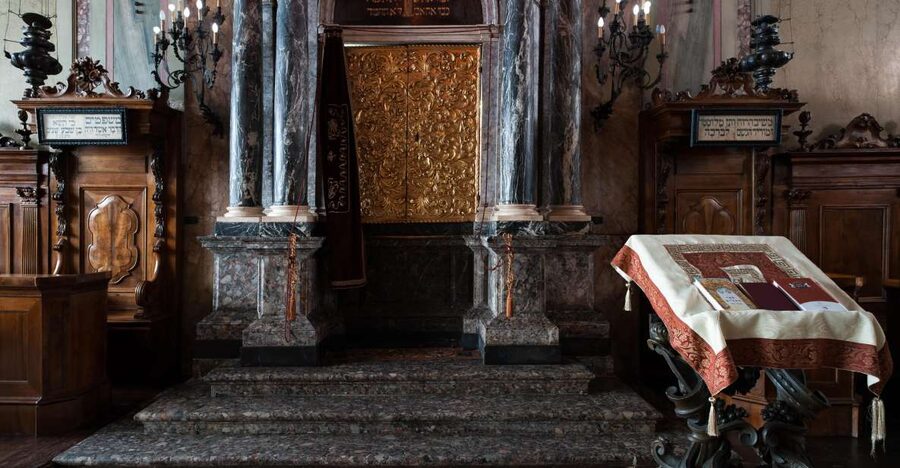
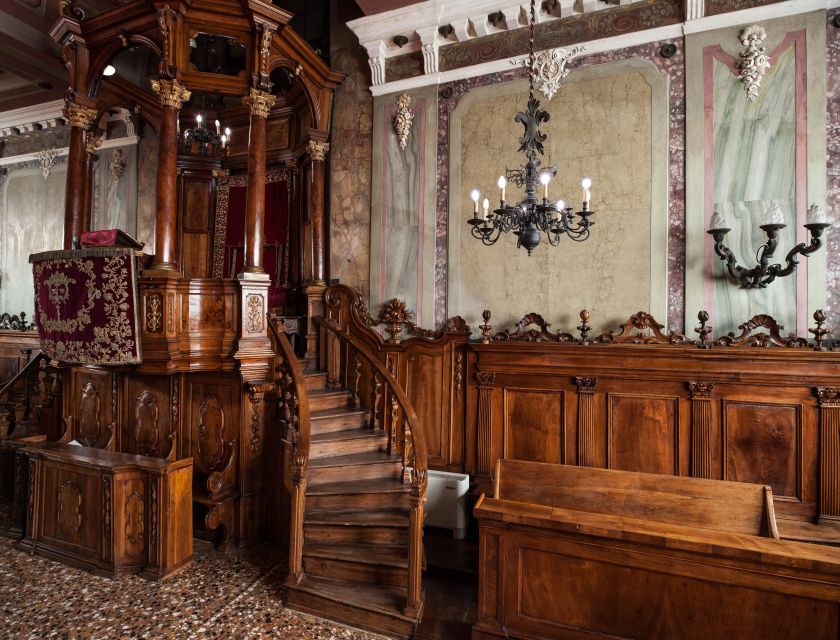
The finish is at the Italian Synagogue, which is still the prayer site for the members of the Padua community. That detail changes the mood. You’re not only learning about what a synagogue is—you’re standing in one that still has a living purpose.
One of the most striking things you’ll be pointed to is the Aron-ha-Kodesh, the sacred chamber positioned on the eastern wall. It’s described as polychrome marble, and that combination of color and reverence makes it a central visual anchor for the space.
Your guide should also explain the architecture and style of the synagogue. That’s where a good guide earns their fee—not by reciting, but by helping you see what matters: symmetry, sacred placement, and how the room communicates meaning.
If you want a personal “last impression” moment, this is it. Ending here gives the tour a full arc: history in the museum, community life on the streets, and then prayer space at the end.
Guides who make it work: storytelling names you might hear
A lot of the quality comes down to the guide running the tour. Several English/Italian-speaking guides have been praised for their ability to handle both history and respectful tone.
Names that have come up include Antonella and Simonetta, plus Isaiah, who has a volunteer connection to the Jewish Museum and shared detailed context during tours. If your guide shares figures such as the Ramchal, Rabbi Judah Minz, Maharam Padua, or R Moshe Chaim Luzzatto, you’ll see how Padua’s Jewish scholarly tradition overlaps with broader Italian history and education.
What you should look for in the tour experience is clear, human storytelling—especially when you’re learning about sensitive topics. The best guides keep it respectful while still making the architecture and artifacts feel real.
Price and value: $17 per person, but watch weekday ticket notes
The listed price is $17 per person for a 1 to 1.5 hour guided tour that includes entry to the museum and the synagogue, plus the guided experience and multimedia content. For many visitors, that’s strong value because you’re paying for more than an entrance fee—you’re paying for interpretation in a place where context matters.
One important caution: the provided info also notes that weekday reservations request a €60 ticket. That means the final cost may differ depending on the day you book, even if the headline price looks low. Before you confirm, double-check what you’ll actually pay for your specific date.
Either way, the time commitment is compact, and you’ll get a guided route that ends in an actively used synagogue—hard to replicate on your own in that short window.
Who should book this Padua Jewish Heritage Tour
This tour is a great fit if you want:
- A focused, meaningful Padua experience that isn’t just churches and palaces
- A guided explanation of Jewish heritage tied to a real urban area (the ghetto streets)
- A museum visit that includes multimedia and character-based storytelling
- A respectful ending in a synagogue that’s still used for prayer
It’s also family-friendly in concept, and the tour highlights bringing your family along. The dress code requirement (no shorts or sleeveless shirts) can make this more doable for some families than others, so plan clothing that fits.
If you’re a visitor who prefers quiet self-guided sightseeing only, this tour might feel structured. But if you like your history with a human voice and a clear path, it’s a smart choice.
Quick practical notes before you go
Plan for:
- Dress code: no shorts, no sleeveless shirts, and no nudity
- Meeting point: find the magenta building, then show your voucher at the ticket counter
- Language options: English or Italian
- Group pace: short total time (1–1.5 hours), with multiple stops you’ll stand and listen in
- Ticket efficiency: entry includes skip-the-ticket-line for the museum and synagogue
Should you book this tour of the Padua Jewish Museum and Synagogue?
Yes—if you want a compact tour that gives you both place and meaning, book it. This isn’t just synagogue sightseeing. You’re getting a museum program with multimedia storytelling, a guided walk through ghetto streets, and then a finish in a synagogue that’s still active for prayer, highlighted by the Aron-ha-Kodesh on the eastern wall.
Double-check two things before you commit: your outfit (shorts and sleeveless shirts won’t work) and the weekday pricing note that mentions a €60 ticket request. If those match your plans, this is a high-value way to see Padua from a less common but deeply significant angle.
FAQ
How long is the Padua Jewish Heritage Museum and Synagogue Tour?
The tour runs about 1 to 1.5 hours total. Start times depend on availability.
Where do I meet the guide?
Meet in the historical center of Padua by looking for a magenta-colored building. You’ll show your voucher at the ticket counter before the tour begins.
What’s included in the ticket price?
Your ticket includes entry to the Padua Jewish Museum and the Padua Synagogue, a guided tour, and a multimedia experience.
Does the tour have an English guide?
Yes. The live tour guide is available in English and Italian.
Will I be inside a synagogue that is still used for prayer?
Yes. The Italian Synagogue visited on the tour is still used as a prayer site for the Padua community.
What do I see in the museum?
You’ll see museum exhibits plus a multimedia experience, including a video installation by film director Denis Brotto, and you’ll hear stories tied to the life of 10 notable characters in Padua Jewish life.
Is the tour wheelchair accessible?
Yes, the tour is listed as wheelchair accessible.
Is there a dress code?
Yes. Shorts and sleeveless shirts are not allowed, and nudity is not allowed either.
Is free cancellation available?
Yes. You can cancel up to 24 hours in advance for a full refund.
Can I reserve now and pay later?
Yes. The booking option includes reserve now & pay later, so you can hold a spot and pay later.