REVIEW · NUREMBERG
Nuremberg: 1-day ticket Germanisches Nationalmuseum
Book on GetYourGuide →Operated by Germanisches Nationalmuseum · Bookable on GetYourGuide
A museum ticket that actually feels like a day plan. The Germanisches Nationalmuseum in Nuremberg covers centuries of German and European life, inside a mix of historic and modern architecture. You can wander at your own pace, then pull the “big ideas” together with a museum overview built into your visit materials.
I love the museum’s standouts that go beyond paintings: the UNESCO-listed oldest globe in the world is a genuine, must-see anchor. I also like how the collection jumps across eras, from old masters like Albrecht Dürer and Rembrandt to modern artists such as Hannah Höch, so the museum doesn’t feel stuck in one mood.
One consideration: it’s a lot of museum. If you only want a quick hit, you’ll need to choose your route carefully, because the “whole day” freedom can also tempt you to overpack your brain.
In This Review
- Key reasons this Nuremberg museum ticket works
- Germanisches Nationalmuseum: why $11 can buy you a full day
- Start with the UNESCO oldest globe and the museum’s architectural story
- The art route: Dürer and Rembrandt, then Hannah Höch
- Courtyards and Café Arte: where your feet can actually recover
- Special exhibitions included: how to choose what to spend energy on
- The daily guided tour at 3:00 pm: when it helps
- Rules that affect your day: bags, food, and the do-not-touch list
- Price and value: what $11 really covers (and what costs extra)
- Who this museum ticket suits best
- Should you book this Nuremberg day ticket?
- FAQ
- What does the 1-day ticket include at the Germanisches Nationalmuseum?
- Is an audio guide included?
- Is there a guided tour included on specific days?
- Are there any museum rules about bags, food, or touching exhibits?
- Is the museum free on Wednesdays?
- Can I reserve and pay later, and cancel?
Key reasons this Nuremberg museum ticket works

- Oldest globe (UNESCO): a rare world-famous object that instantly gives the visit a bigger scale
- Art from Dürer to Hannah Höch: you get continuity across time instead of isolated rooms
- Architectural history as you walk: you’re moving through different eras of building design, not just displays
- Beautiful inner courtyards: a real break area when your feet start negotiating
- Special exhibitions included: you can use today’s themes to guide what you spend more time on
- Tour materials help you orient fast: an orientation map and info materials make it easier to navigate
Germanisches Nationalmuseum: why $11 can buy you a full day
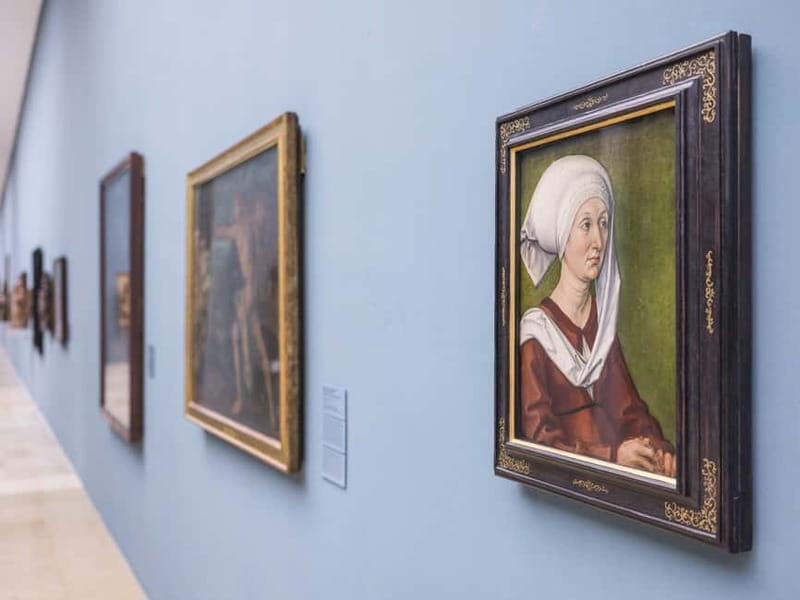
For around $11, this is one of those rare museum values where the price doesn’t shrink the experience. Your 1-day ticket lets you stay for the whole day, and it covers both the permanent exhibition and the changing special exhibitions. That’s the key: you’re not paying just to see one gallery highlight. You’re buying time to see the museum’s story unfold.
The museum itself is built around a mix of historical and modern architecture, so even before you start reading wall labels, your walk feels like part of the exhibit. That matters on a practical level: it helps you stay interested even when you’re moving through rooms quickly. If you’re the type who gets museum fatigue, this layout gives your eyes different “targets” beyond art—courtyard views, changing hall vibes, and architectural transitions.
I’d also call out the vibe of the visit. The museum tends to reward people who take a steady pace rather than a sprint. The experience notes a very broad sweep—600,000 years of cultural history—so plan for breadth, not just a checklist.
Start with the UNESCO oldest globe and the museum’s architectural story
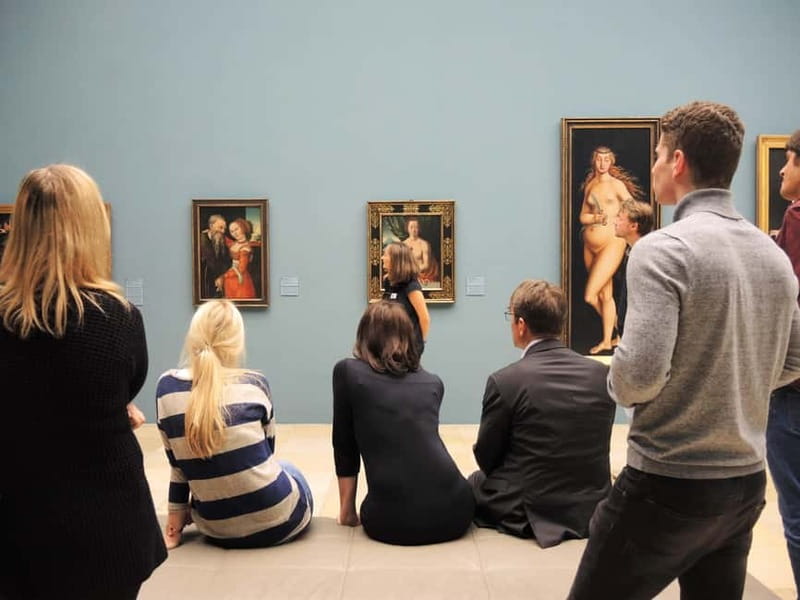
Your visit has a built-in advantage: the museum’s big-catch object is not hidden away in a side room. The museum is home to the oldest globe in the world, a UNESCO World Heritage Site, and it’s the kind of thing that pulls you into curiosity right away. Even if you’re not a “world history of maps” person, a globe like that changes your posture in the room. Suddenly you’re not just looking at objects—you’re thinking about how people once pictured the world.
From there, I like using the architecture as your second anchor. The museum is known for blending historical and modern spaces, and the experience is literally described as a journey through architectural history as you move through. In plain terms: you’ll be walking through different building styles and “eras” of design, which helps break up long hours.
Practical tip: when you first arrive, use your orientation map and info materials to sketch a simple route. Don’t try to hit everything. Instead, decide what you want to see twice: one must-see art highlight and one must-see “big object” like the globe. That way, if you slow down later, you’re not panicking because you already got the main payoff.
The art route: Dürer and Rembrandt, then Hannah Höch
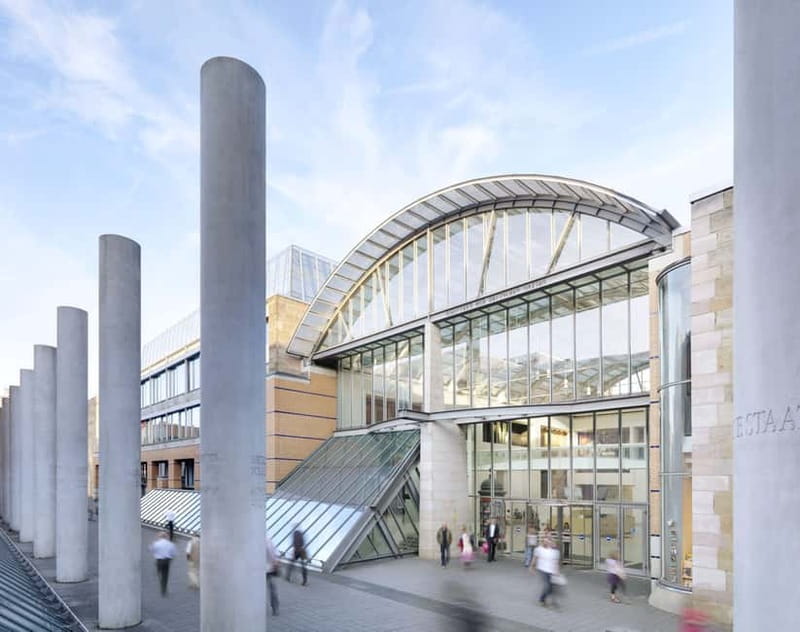
One reason this ticket stays popular is the range. You can move from masterworks associated with Albrecht Dürer and Rembrandt to more recent modern work by Hannah Höch. That isn’t a typical museum formula, because lots of places split “old masters” and “modern art” into separate worlds with no conversation between them.
Here, the museum description makes the connection feel intentional: you’re seeing different approaches to art across time. Dürer and Rembrandt bring you into technical skill and classic subject matter. Then Höch pushes your expectations in a different direction, making the museum feel like a living cultural timeline rather than a storage unit for famous names.
What I’d suggest for your time management: pick one artist to “zoom in on” with extra attention and let the rest be discoveries. If Höch’s modern pieces catch you, spend longer in those rooms. If Dürer’s work pulls you, stay with the Renaissance rhythm. The museum’s breadth means you can tailor the experience without missing the point.
Also note the language reality: some content is shown in its original language. If you’re not fluent, don’t worry—art and objects still work without perfect comprehension. But if you want deeper context, consider adding the paid audio guide option.
Courtyards and Café Arte: where your feet can actually recover

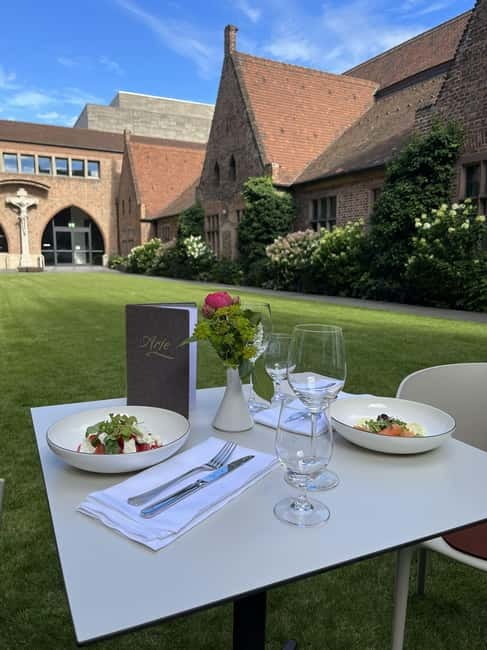
Museums can be rough on timing—especially when you’re paying attention, reading labels, and stopping often. What helps here is that the museum has beautiful inner courtyards, which gives you a natural pause button.
This matters more than it sounds. A courtyard break resets your pace. You come back inside with fresh energy, and you’re less likely to rush the next rooms. It’s also a good spot to regroup if you’re traveling with someone who wants slower turns.
Then there’s Café Arte. The museum invites you to take a break there for coffee or lunch. Just remember the on-site rules: you can’t bring food and drinks inside the museum areas, so your best “real break” is to eat in the café instead of snacking on the go.
A quick strategy: plan one courtyard-and-café stop roughly halfway through your day. That’s usually when museum attention starts to dip. Treat it like your mid-visit reset, not an afterthought.
Special exhibitions included: how to choose what to spend energy on
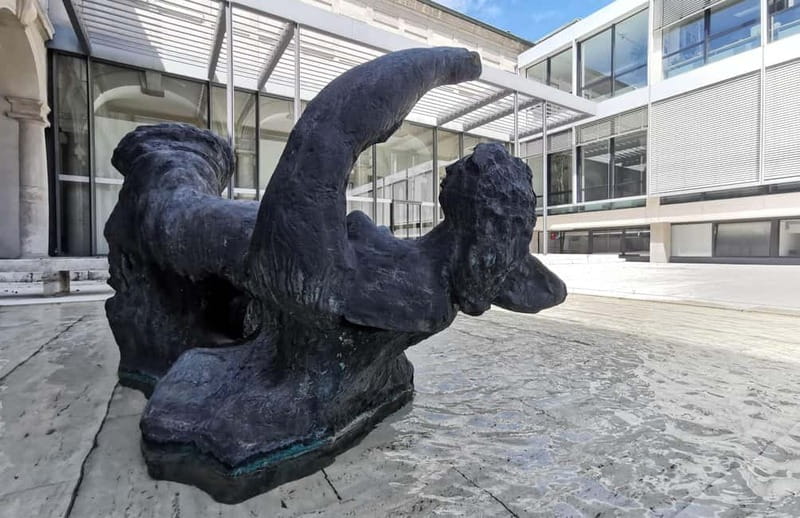
Your ticket includes admission to the permanent exhibition and the changing special exhibitions. That’s good value, because special exhibitions often cost extra at other museums. Here, you get them as part of the day.
The catch is simple: special exhibitions can tempt you to over-prioritize. If you only chase whatever looks most dramatic, you can end up missing the threads that make the museum feel coherent. The way to solve that is to use special exhibitions as your “flavor” for the day, not the only storyline.
Practical approach:
- Start your day with your biggest must-see (the globe is a great first move).
- Use special exhibitions to guide where you linger.
- Return to the permanent collection when you want the steady long-view.
This way, your day has both an anchor and flexibility. And since the ticket keeps you free to explore at your leisure, you can slow down around exhibits that actually hold your attention.
The daily guided tour at 3:00 pm: when it helps
There’s a daily guided tour to get to know the GNM, listed for Tue–Sun at 3:00 pm. Your ticket includes the guided tour in the overall offering, but participation in guided tours and events is noted as not included, so you should plan for the possibility that you may need to register separately to actually join the group.
Even with that uncertainty, the existence of a scheduled tour is still useful. If you’re the kind of visitor who likes structure, that 3:00 pm option can act like a time marker. It gives you a gentle schedule: you can do “self-guided exploration” in the morning, then connect details during the guided overview if you can join.
If you can’t participate, you’re not losing the main value. The museum also provides detailed information and an orientation map, which helps you get bearings fast even without a guide.
Rules that affect your day: bags, food, and the do-not-touch list
Before you go, skim the museum rules. They’re straightforward, but they change how you travel with your day pack.
Key limits include:
- No pets
- No food and drinks (you’ll want to use Café Arte instead)
- No luggage or large bags
- No backpacks
- No smoking indoors
- No alcohol or drugs
- No flashlights
- No touching exhibits
If you show up with a backpack, your plan may get disrupted. The museum also may restrict larger items, so consider packing light. A day kit that’s easy to carry and doesn’t look like “storage” tends to work best.
Wheelchair access is listed as available, so the museum is set up with that in mind. Still, because bags are restricted, it’s worth thinking about how you’ll store any essentials comfortably.
Price and value: what $11 really covers (and what costs extra)
The headline price—$11 per person—is the first reason to consider booking. But the real value comes from what’s included with that ticket.
You get:
- Admission for the permanent exhibition
- Admission for changing special exhibitions
- Detailed information materials, including an orientation map
- Access for the full day (your ticket is valid for 1 day)
Not included:
- An audio guide (listed at 3 EUR)
- Participation in guided tours and events
So the main “extra cost” decision is whether you want the audio guide. If you’re someone who likes context while walking, it can be worth it. If you prefer reading at your own pace, you may not need it.
Also keep in mind a free option: admission to the museum is free on Wednesdays from 5.30 pm. That doesn’t change the value of the ticket, but it’s a great budget lever if you’re flexible with your schedule.
Who this museum ticket suits best
This 1-day Germanisches Nationalmuseum ticket fits best if you:
- Want a big museum day in Nuremberg without paying for multiple attractions
- Like seeing art across eras, including classic masters and modern works
- Enjoy architecture and want the building itself to be part of the story
- Prefer self-guided wandering, with optional structure around special exhibitions
It may be less ideal if you only want a short visit. The museum spans a huge timeframe—600,000 years of cultural history—so rushing can make it feel like everything is slightly “off-screen.” If you’re time-tight, pick your priorities first: globe, one art focus, then courtyards.
Also note that some content is in original language. If you want maximum text-based context, you may choose the audio guide, but you can still enjoy the objects even without it.
Should you book this Nuremberg day ticket?
If your goal is a memorable, high-value museum day, I’d book it. The combination of the UNESCO oldest globe, major art names like Albrecht Dürer and Rembrandt, and modern work by Hannah Höch is a strong mix. Add in included special exhibitions and the inner courtyards, and you’ve got more than “just a stop.”
One more nudge: with a 4.6 rating based on 31 reviews, the overall pattern points to people loving how informative and historically wide the museum feels, plus how well it’s organized to make the visit manageable.
Go for it if you’re the type who likes to spend hours absorbing details at a comfortable pace. Pass or adjust if you’re chasing a quick hit, because you’ll want time to let the museum’s different sections work on you.
FAQ
What does the 1-day ticket include at the Germanisches Nationalmuseum?
Your 1-day ticket includes admission to the permanent exhibition and the changing special exhibitions, plus detailed information materials with an orientation map.
Is an audio guide included?
No. The audio guide is listed as an extra cost of 3 EUR.
Is there a guided tour included on specific days?
A daily guided tour to get to know the GNM is listed for Tue–Sun at 3:00 pm. Participation in guided tours and events is noted as not included, so joining the tour may require additional steps.
Are there any museum rules about bags, food, or touching exhibits?
Yes. Pets are not allowed, you can’t bring food and drinks, luggage or large bags and backpacks are not allowed, and flashlights and touching exhibits are also prohibited.
Is the museum free on Wednesdays?
Admission is free on Wednesdays from 5.30 pm.
Can I reserve and pay later, and cancel?
The experience offers free cancellation up to 24 hours in advance for a full refund, and it also offers reserve now & pay later (book now and pay nothing today).