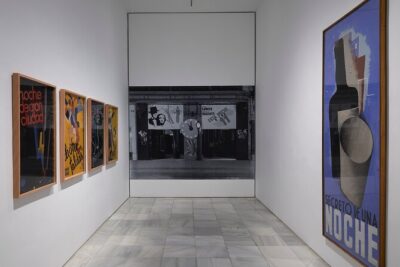
REVIEW · GDANSK
Museum of the Second World War Gdansk Private Tour & Tickets
Book on Viator →Operated by Rosotravel Tours Gdansk · Bookable on Viator
WWII lessons feel heavier when you follow a local guide. This private tour links the Museum of the Second World War with key Gdansk memorials and Solidarity-era landmarks, and I love that it comes with skip-the-line museum tickets plus a licensed, English-speaking guide. You don’t just see displays—you get help making sense of how events in Poland connect to the wider war and the years that followed.
The one drawback to plan for is the 4-hour version: it’s a moderate walking route with some uneven ground and steps, and it runs rain or shine.
In This Review
- Key things to know before you go
- Meeting point in Gdansk: where your tour starts cleanly
- Museum of the Second World War: how the skip-the-line part really works
- Defenders of the Polish Post Office: war resistance, then the next fight
- European Solidarity Centre and the BHP Hall: independence after occupation
- Tour length options: 2 hours vs 4 hours (and what changes)
- Price and value in Gdansk: what $153.49 buys you
- Transportation and getting around: easy once you’re there
- Who should book this private WWII and postwar history tour
- Should you book this tour?
- FAQ
- Where does the tour start?
- Where does the tour end?
- How long is the tour?
- Is this a private tour?
- Does the ticket help you avoid long lines?
- Does skip-the-line mean I skip the entrance too?
- What sites are included besides the museum?
- Is hotel pickup included?
- Is the tour only in English?
- What if it’s raining?
- Can I cancel for free?
Key things to know before you go
- Skip-the-line museum tickets (with a time slot): you skip the ticket office, but you still need to get to the entrance on time.
- Private, licensed guide: you can move at your pace and ask questions without sharing attention with strangers.
- More than one WWII stop: the route builds from the museum into war memorial sites tied to resistance and aftermath.
- Optional length based on your interests: the longer options add the postwar communist and Solidarity story.
- Comfort matters: proper shoes are smart, especially on the 4-hour walking segment.
Meeting point in Gdansk: where your tour starts cleanly
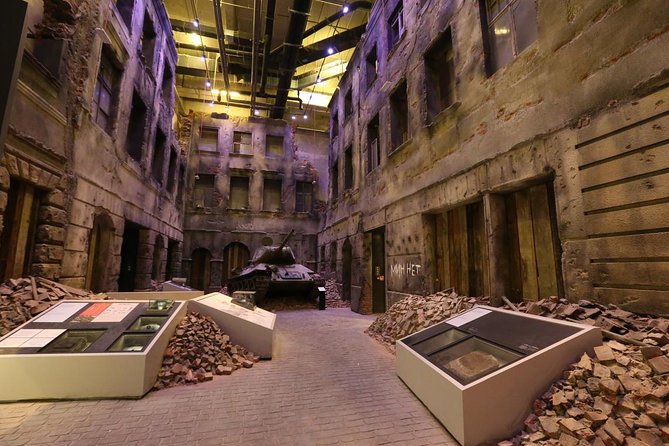
You’ll start at Plac Władysława Bartoszewskiego 1 (80-862 Gdańsk), meeting your guide in front of the Museum of the Second World War near Pomnik Rotmistrza Witolda Pileckiego. I like this setup because it cuts down on guesswork. You’re already standing where the main museum experience begins, so you can focus on the day instead of figuring out logistics.
If you choose an extended option, pickup can be arranged—but only from accommodations in Gdansk Old Town, and only within about 1.5 km of the meeting point. If your hotel is outside Old Town, plan to meet at the museum instead. That’s common for city walking tours, but it’s worth checking before you commit.
You can also read our reviews of more tours and experiences in Gdansk.

Museum of the Second World War: how the skip-the-line part really works
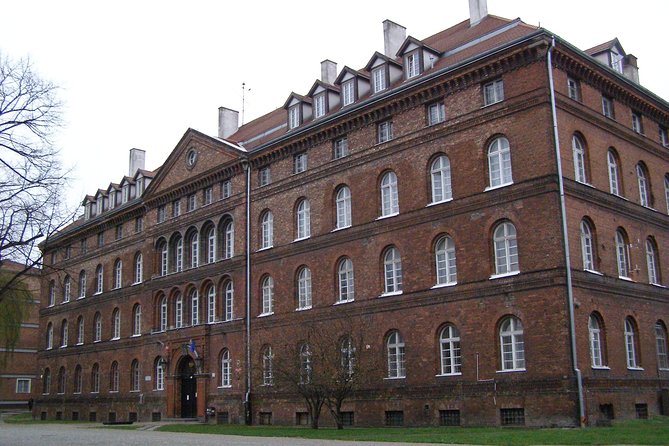
The museum stop is the core of the tour: a private guided visit lasting about 2 hours (or more depending on your selected option). Your ticket is for the permanent exhibition, and that matters. If you’re expecting a menu of temporary shows, this option is focused on the main set of galleries and displays.
Here’s the key detail about the skip-the-line promise: your ticket skips the ticket office, not the entrance. Also, the admission is valid only for your pre-booked date and time. So when your guide meets you at the museum, you still need to arrive with enough time to get through the entrance on schedule.
What you’ll see inside is built around both Poland’s experience and the global scale of World War II. The museum uses artifacts, documents, photographs, and interactive elements to connect the dots between occupied Poland, the wider conflict, and the human cost. The guide’s job is to give you the storyline—why certain themes are emphasized and how the museum’s presentation helps you understand events rather than just reading captions.
A small but useful tip: because it’s a private tour, you can ask for clarification in real time. If something feels confusing—who fought whom, what happened next, or why a particular Polish figure matters—this is the kind of format where your questions don’t get pushed to the end.
Defenders of the Polish Post Office: war resistance, then the next fight
After the museum, the route shifts from galleries to places you can stand in. In the longer options, you’ll walk to the Defenders of the Polish Post Office memorial, which honors those who fought in one of the early clashes of World War II.
This part of the experience is about cause and effect. The museum gives you the background, and this stop helps you translate that background into a specific local story tied to Gdańsk. From there, you continue to other significant sites linked with resistance against Nazi occupation and the later struggle under communism.
On the way, you’ll also see:
- the Church of St. James
- the Monument to the Fallen Shipyard Workers
I like this sequence because it doesn’t treat WWII as a closed chapter. Instead, it shows how the conflict’s aftermath shaped new kinds of resistance—first against Nazi rule, and later against communist control. If you’re the kind of visitor who wants the “what happened next” answer, this walking segment adds real value.
One practical note: your guide will adapt the pace to your group, which can be a big deal on a memorial route where everyone will naturally slow down to read.
European Solidarity Centre and the BHP Hall: independence after occupation
The last major stop in the extended itinerary is the European Solidarity Centre. This is where your day’s story turns from wartime events toward Poland’s path to independence.
You’ll visit the historic BHP Hall, the site connected with the August Agreements—an important moment in the Solidarity movement. You’ll also see the Obrońca mural (a tribute to those who defended Poland) and you’ll visit a preserved WWII air raid shelter. Ending with the Imperial Shipyard area ties the wartime industrial setting to the postwar political and social changes.
If the museum can feel emotionally heavy, this section gives you perspective. You’re still in history, but it’s history with direction: how people organized, how negotiations mattered, and how daily life and industry shaped politics.
Also, because you’re with a private guide, you can ask how Solidarity connects to what you learned earlier—especially if you’re comparing resistance during the war with later resistance after the war.
Tour length options: 2 hours vs 4 hours (and what changes)
This private experience comes in different lengths, usually from about 2 to 4 hours. The exact mix depends on the option you select, but here’s the pattern that matters for planning:
- 2-hour option: you’ll focus on the museum and the core WWII story.
- 4-hour option: you add the walking route tied to postwar communist history plus the Solidarity-related sites.
That means the extended version gives you more context across decades, not only within the WWII timeline.
The 4-hour route is described as a moderate walk and it can include uneven surfaces or steps. The guide adapts pace to your group, but you’ll still want comfortable shoes. And yes—this runs rain or shine. Pack accordingly so the weather doesn’t squeeze the enjoyment out of the day.
Price and value in Gdansk: what $153.49 buys you
At $153.49 per person, this is not a “cheap and cheerful” sightseeing add-on. It’s priced like a proper private history tour.
What you’re paying for, in plain terms:
- a licensed private guide fluent in English
- skip-the-line museum tickets for a pre-booked time slot
- a structured route that includes multiple major sites beyond the museum
- optional added walking content focused on the postwar communist period and Solidarity story
- hotel pickup only for Old Town (and only in the extended version), when available
In other words, you’re not just buying entrance tickets. You’re buying interpretation and timing. That can be worth it in a museum like this, where the story is big and you’ll appreciate help organizing it while you’re there.
A note on timing: the experience is commonly booked about 65 days in advance on average. If your dates are firm, it’s smart to lock in early—especially if you want a specific time slot for the skip-the-line entry.
Transportation and getting around: easy once you’re there
This tour is near public transportation, so you’re not stuck hunting for parking. Starting at the museum also keeps your day straightforward: you’re not bouncing between far-off corners of the city.
Because your end point is back at the meeting point, you’re free to continue exploring Gdańsk afterward on your own—grab food nearby, walk the waterfront, or just re-center before your next plan.
Who should book this private WWII and postwar history tour
This is a great fit if you:
- want a private, guided museum visit instead of doing it on your own
- care about how WWII history connects to postwar communism and Solidarity-era change
- like asking questions and getting answers in real time
- prefer a route with clear structure: museum first, then meaningful walking stops
It’s also a good option for most people since participation is described as generally possible for most travelers. If you have accessibility needs, the operator says they’re happy to accommodate individuals with disabilities when possible—so you’ll want to contact support in advance.
Should you book this tour?
Book it if you want WWII history with a local guide who can explain the why behind the artifacts and memorials—and if you’re interested in more than just the war year itself. The extended option is the one that really earns its keep, because it links the museum to postwar resistance and then to Solidarity’s political path.
Skip it if your day is already packed and you only want museum browsing with minimal walking. In that case, the shorter museum-focused option may be enough—just remember the tickets are tied to a specific pre-booked time, so being on time still matters.
FAQ
Where does the tour start?
The tour meets at Plac Władysława Bartoszewskiego 1, 80-862 Gdańsk, in front of the Museum of the Second World War near Pomnik Rotmistrza Witolda Pileckiego.
Where does the tour end?
The tour ends back at the meeting point.
How long is the tour?
The duration is about 2 to 4 hours, depending on the selected option.
Is this a private tour?
Yes. It’s a private tour/activity, and only your group participates.
Does the ticket help you avoid long lines?
You get skip-the-line tickets for the Museum of the Second World War, which means you skip the ticket office.
Does skip-the-line mean I skip the entrance too?
No. The info says you skip the line at the ticket office, but not at the entrance. Your pre-booked time still matters.
What sites are included besides the museum?
The extended walking route can include the Defenders of the Polish Post Office memorial, the Church of St. James, the Monument to the Fallen Shipyard Workers, the European Solidarity Centre, the BHP Hall (August Agreements), the Obrońca mural, a preserved WWII air raid shelter, and the Imperial Shipyard area.
Is hotel pickup included?
Pickup is possible only in the extended version, only from accommodations in Gdansk Old Town, and only within 1.5 km of the meeting point.
Is the tour only in English?
Yes, it’s offered in English.
What if it’s raining?
The tour runs rain or shine. You should wear comfortable shoes and dress for the weather.
Can I cancel for free?
Free cancellation is available. You must cancel at least 24 hours in advance for a full refund.