REVIEW · GDANSK
Gdansk: Private Communism Tour with Solidarity Center Museum
Book on GetYourGuide →Operated by Rosotravel Poland · Bookable on GetYourGuide
Politics on a shipyard street. This 4-hour private tour in Gdańsk makes the story of the fall of communism feel tangible, starting with the European Solidarity Centre and moving out toward the shipyard heart of the movement. I especially love the skip-the-line ticket advantage, plus the way a real guide keeps the politics readable instead of turning it into dates-only history.
You’ll also get hands-on context at the Sala BHP where the 31 August 1980 Gdańsk Agreement was signed, and then see why the shipyard mattered so much in the Polish People’s Republic (PRL). One drawback: it’s not a light “photos and viewpoints” tour—plan for walking and a fairly serious, political storyline. Also, Gdańsk Shipyard is closed on Saturdays and Sundays, so your day needs to match.
In This Review
- Key Things That Make This Tour Worth It
- What You’re Actually Doing in These 4 Hours
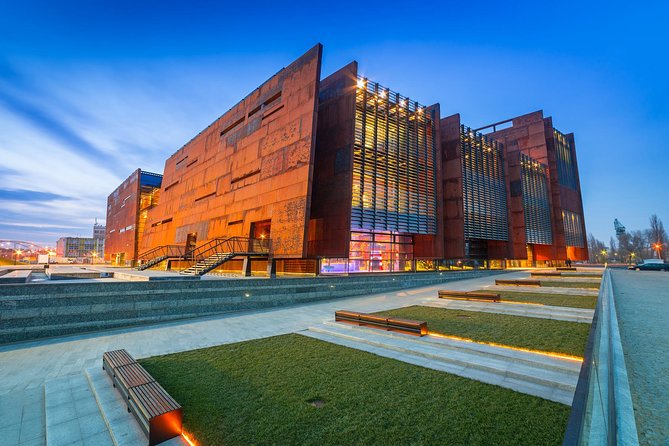
- European Solidarity Centre: The Museum That Explains the Revolt
- Solidarity Square and the 1970 Tragedy: Why 1980 Didn’t Start from Nowhere
- Sala BHP: The Place Where the Gdańsk Agreement Took Shape
- Stocznia Gdańsk: 17,000 Shipbuilders and the Idea of Civil Resistance
- The Private Guide Factor: Why This Feels Better Than a General Tour
- Price and Value: Is $184 per Person Fair for What You Get?
- Getting There: Pickup, Meeting Point, and Timing Tips
- Who This Tour Suits Best
- Should You Book This Private Communism Tour in Gdańsk?
- FAQ
- How long is the tour?
- What does the meeting point look like?
- Do you offer pickup from my hotel?
- Is skip-the-line entry included?
- What can I see at the European Solidarity Centre?
- Is Gdańsk Shipyard open on weekends?
- Does the tour include a vodka shot?
Key Things That Make This Tour Worth It
- Skip-the-line entry saves you from the museum crowd grind
- A private, licensed guide helps you connect exhibits to real events
- Sala BHP (Gdańsk Agreement) gives you a specific place to anchor the story
- Solidarity Square + 1970 monument shows the long build-up, not just 1980
- Stocznia Gdańsk access on the tour route explains why the resistance grew there
- A traditional vodka shot is included on the 4-hour option (if you’re up for it)
What You’re Actually Doing in These 4 Hours
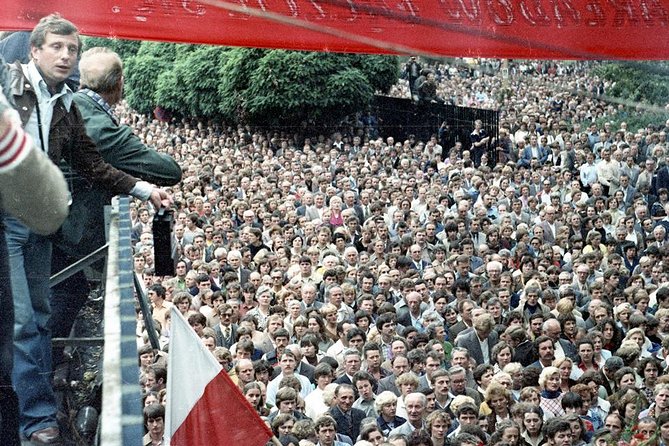
This tour is designed around one big question: how did a trade union movement turn into a political earthquake that reshaped Eastern Europe? You don’t just read about it—you walk through the geography of the Solidarity story in Gdańsk.
The best part is that the pacing is built for understanding. The museum gives you the documents and timeline, then the walking route connects the exhibit themes to real sites outside. If you like history that has a clear chain of cause and effect, you’ll feel it click fast. If you prefer casual sightseeing, you may want to treat this as your “serious morning” (or “serious afternoon”) and pair it with lighter stops later.
And yes, it’s private—so you can ask questions in your group’s language (English, German, Polish, Russian), and your guide can tailor explanations on the fly.
You can also read our reviews of more private tours in Gdansk
European Solidarity Centre: The Museum That Explains the Revolt
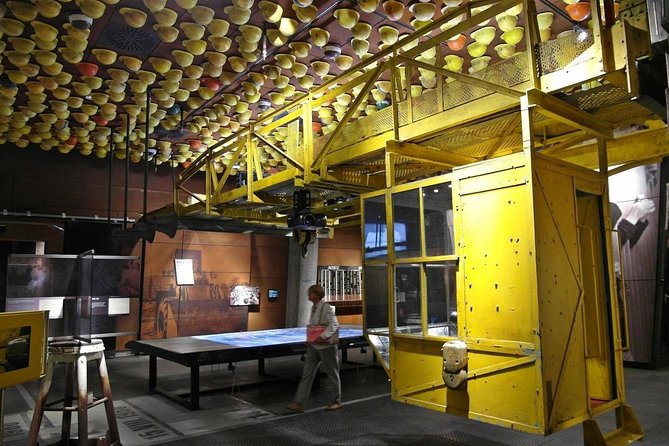
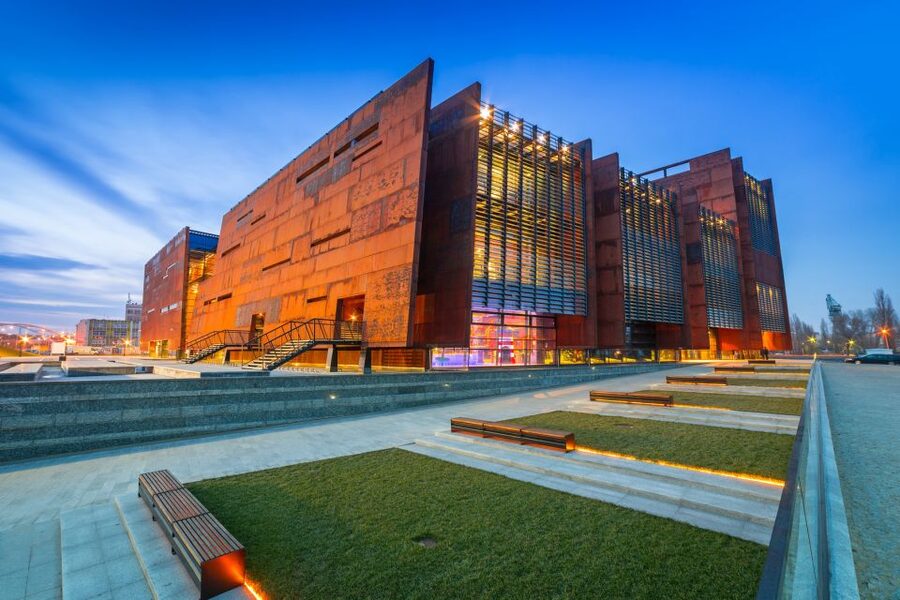
The European Solidarity Centre is the anchor stop, and the skip-the-line entry matters more than you’d think. Museums like this draw people who are deeply interested, and saving time means you spend more of your energy on the exhibits and less on waiting.
Inside, the museum walks you through Solidarity step by step. You’ll see artifacts tied to the demands of the strike wave, including the original written Tables of the 21 Postulates from the strikers at the (then) Lenin Shipyard, now Gdańsk Shipyard. That detail is powerful because it turns the movement from a slogan into a set of concrete asks.
You also get the broader sweep:
- how the strikes unfolded
- how the movement fed into the 1989 round table talks
- how Poland reached the first pluralistic election since 1947
- the human leadership behind the campaign, including Lech Wałęsa and Anna Walentynowicz
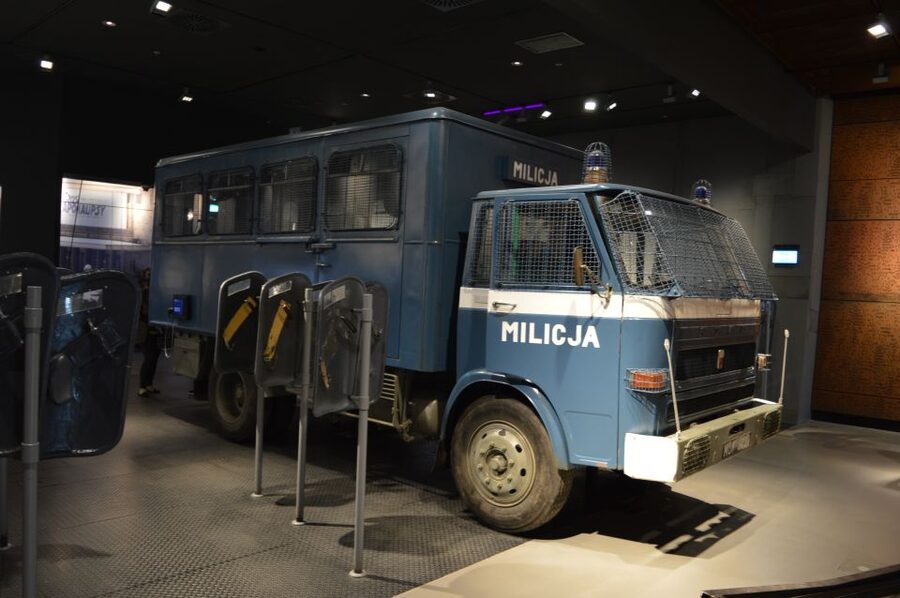
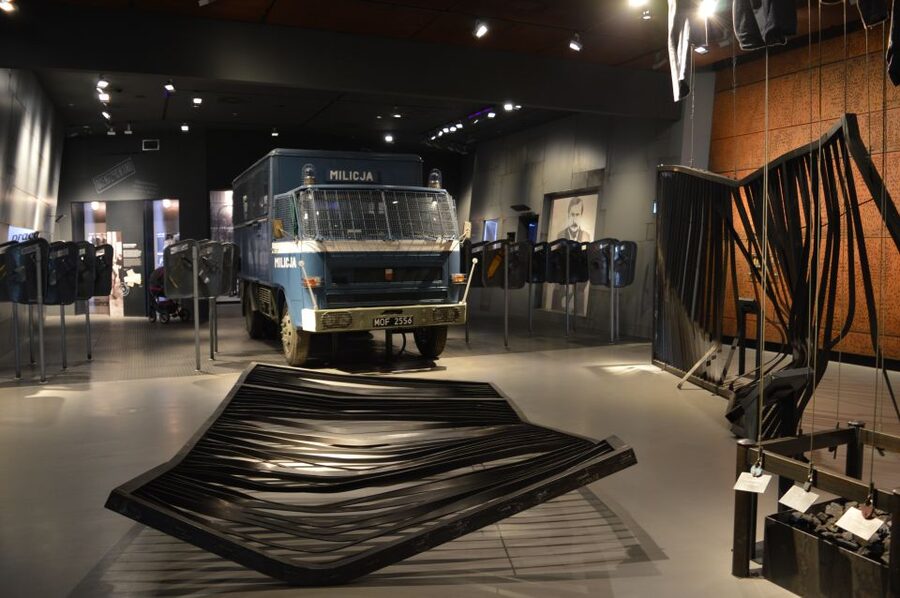
The guided part makes the difference. A museum can overwhelm you with names, years, and documents. With a history-focused guide, you get the why behind the what—so you can connect the exhibit story to the real-world pressure PRL faced and how a civic coalition gained momentum.
Tip: if you care about speeches and personal stories, ask your guide to point out the sections that connect the leadership (Wałęsa, Walentynowicz) to the documents you’re seeing. It helps the museum feel like a living narrative instead of a display case.
Solidarity Square and the 1970 Tragedy: Why 1980 Didn’t Start from Nowhere
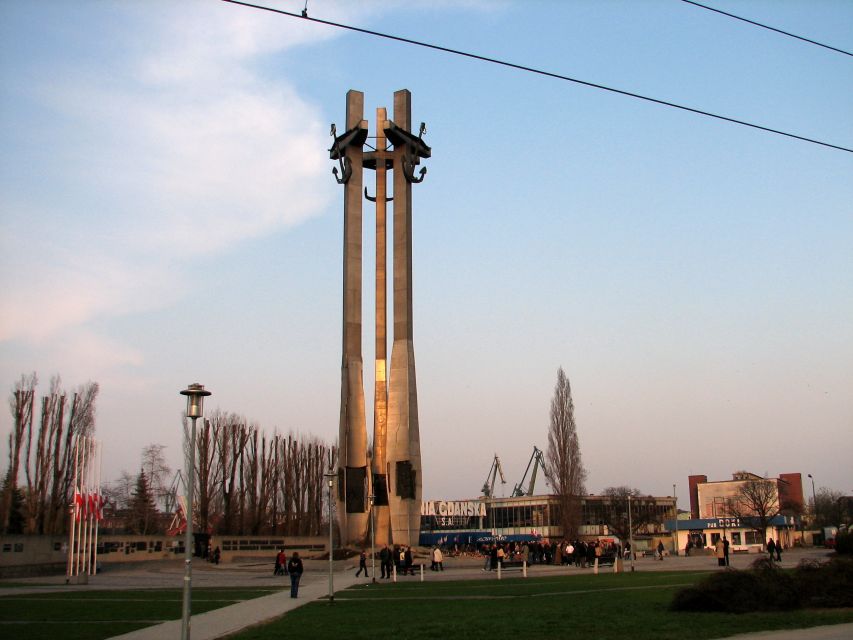
After the museum, the tour moves back into the city with Solidarity Square and the tragic story behind the Monument to the Fallen Shipyard Workers of 1970. This is a key shift. Many people arrive thinking Solidarity is only about 1980.
Here you get the sense of a longer arc—how earlier labor conflict and repression shaped what came next. That matters because it explains why shipyard workers weren’t starting their resistance “fresh.” They had lived through earlier attempts at protest, and the 1970 tragedy is part of the emotional and political memory that fed later mobilization.
Walking in this area also helps you get your bearings fast. Gdańsk has layers, and Solidarity-related sites cluster in a way that makes thematic touring practical. With a guide, you’ll understand what you’re looking at instead of just seeing statues and plaques.
Sala BHP: The Place Where the Gdańsk Agreement Took Shape
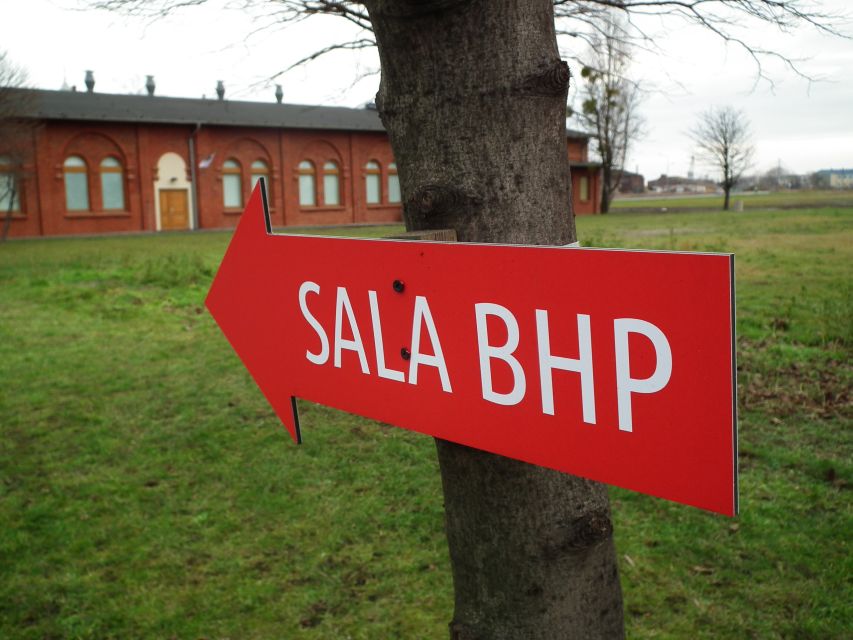
If you want one stop that gives you the feeling of a turning point, it’s Sala BHP—the historical room where the 31 August 1980 Gdańsk Agreement was signed. Seeing it as a named site on a map is one thing. Seeing it through the lens of what you learned inside the museum is another.
This room is tied to the shipyard’s center of worker protection, and it’s often remembered because it signals negotiations that could not be ignored anymore. Your guide should connect the written demands from the strike period to how talks moved forward under pressure—so you understand the agreement as a process, not a miracle.
Practical note: because this tour is “story-driven,” you’ll get the most out of Sala BHP if you stay present and let your guide connect it to the exhibits you saw earlier. If you wander off or tune out for too long, the significance can blur.
Also, this is the moment where the theme “communism vs. democracy” becomes less abstract. You start seeing how worker power and civic bargaining changed the rules of the game.
Stocznia Gdańsk: 17,000 Shipbuilders and the Idea of Civil Resistance
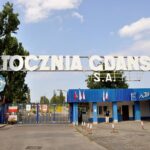
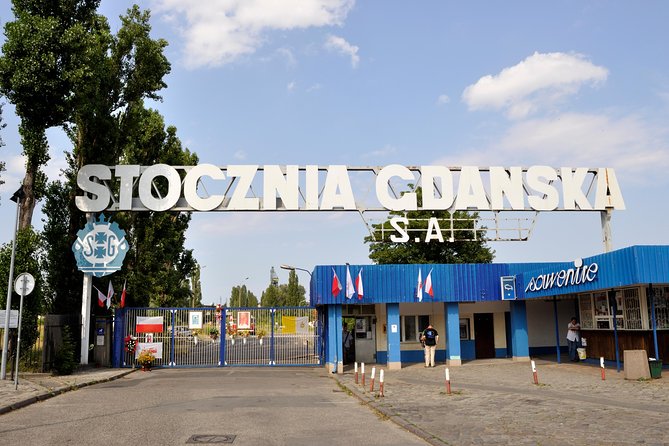
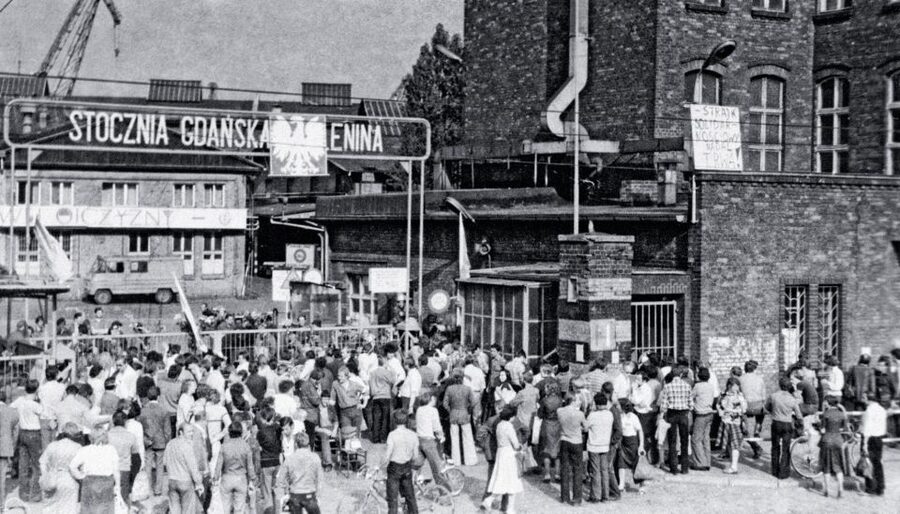
The final big historical stop is Gdańsk Shipyard (Stocznia Gdańsk), where the movement’s resistance took shape when 17,000 shipbuilders began pushing back against the communist regime in 1980. Even if you’re not a shipyard person, the logic is easy: this was industrial concentration where people worked closely, communicated, and organized fast.
What I like about this portion is that it’s not just “here’s where it happened.” A guide helps you interpret why the environment mattered—why the shipyard could act like a hub, and why that kind of collective labor makes political change more likely to spread.
One more detail that helps: the shipyard area changes block by block, and a good guide will help you orient yourself so you don’t feel lost in industrial clutter. If you’re in a group, this also keeps everyone together and helps your time feel purposeful.
Important scheduling reality: Gdańsk Shipyard is closed on Saturdays and Sundays. That can affect whether the route can include this stop on your chosen day, so pick your date with that in mind.
You can also read our reviews of more museum experiences in Gdansk

The Private Guide Factor: Why This Feels Better Than a General Tour
This tour hinges on the guide. You’re not just receiving a script; you’re getting someone trained to explain the era in plain language and answer the follow-up questions that pop up when you see real documents and sites.
You may hear examples from a guide’s own approach—how they explain context, how they handle group questions, and how they connect exhibits to outdoor locations. On at least one occasion, the tour included a guide named Małgorzata, who was noted for guiding visitors through the European Solidarity Centre and the shipyard area with strong language control and practical knowledge of the sites. (That’s not guaranteed for every departure, but it’s a sign the guiding quality can be excellent.)
A small group dynamic helps here, too. When the tour is private, you can slow down at the parts that matter to you: documents at the museum, names and leadership, or the negotiation moment at Sala BHP.
Price and Value: Is $184 per Person Fair for What You Get?
At $184 per person for a 4-hour private experience, the value comes from the combination—not just the museums.
Here’s what you’re paying for in real terms:
- Private guide time focused on political history you can actually understand
- Hotel pickup and drop-off (within the Old Town area constraints)
- Skip-the-line entry to the European Solidarity Centre
- Paid entry for Sala BHP and Gdańsk Shipyard on the 4-hour option
- A small included cultural touch: a shot of Polish vodka (on the 4-hour option)
If you’re comparing costs to a self-guided plan, the big difference is time and clarity. Without a guide and without skip-the-line access, you’d spend more of your limited vacation hours sorting out context and waiting to enter. With a guide, you’re getting an explanation of what you’re seeing while you’re seeing it.
For a serious history-minded traveler—especially someone who wants a coherent story rather than scattered facts—this price tends to make sense.
Getting There: Pickup, Meeting Point, and Timing Tips
You meet your guide under the Monument to the Fallen Shipyard Workers of 1970, at Plac Solidarności, 80-001 Gdańsk.
Pickup is available only if your accommodation is in the Gdańsk Old Town area and within 1.5 km of the meeting point. If you’re outside that range, the tour can adjust the itinerary accordingly, so check before you assume you’ll be collected at the door.
A quick timing tip: because the shipyard stop is the one with the closure issue, plan your day around the calendar. Pick a weekday when possible if you want the full 4-hour arc.
You should also check your email the day before the tour for important details.
Who This Tour Suits Best
This is a great match if you:
- want to understand the rise of Solidarity as a turning point in modern Polish and Eastern European history
- like guided interpretation at museums (especially when documents are part of the story)
- enjoy walking between historic sites with a clear narrative thread
It may feel less ideal if you:
- want a relaxed sightseeing day with minimal political discussion
- dislike heavy subject matter related to conflict and repression
- are visiting on a weekend and are hoping for shipyard access without schedule adjustments
Should You Book This Private Communism Tour in Gdańsk?
I’d book it if you want a guided, coherent way to understand Solidarity beyond headlines. The European Solidarity Centre skip-the-line entry, the specific Sala BHP stop, and the connection to Stocznia Gdańsk make this more than a “great museum day.” It’s a story you can walk through.
Choose another option only if the political theme doesn’t match your travel mood—or if your dates fall on a weekend and you’d rather not risk losing the shipyard component due to closures.
If your idea of a good Gdańsk experience includes real context—documents, negotiations, and the places where people organized—this is a strong pick.
FAQ
How long is the tour?
The tour duration is 4 hours on the longer option. You’ll spend time at the European Solidarity Centre and also visit additional Solidarity-linked sites such as Sala BHP and Gdańsk Shipyard.
What does the meeting point look like?
Meet your guide under the Monument to the Fallen Shipyard Workers of 1970, at Plac Solidarności, 80-001 Gdańsk.
Do you offer pickup from my hotel?
Yes, hotel pickup is available in the Gdańsk Old Town area within 1.5 km from the meeting point. If your accommodation is outside that area, the guide will meet you at the specified meeting point and the itinerary may change accordingly.
Is skip-the-line entry included?
Yes. You get European Solidarity Centre skip-the-line entry so you can spend more time inside.
What can I see at the European Solidarity Centre?
You’ll follow the history of Solidarity step by step, including the original Tables of the 21 Postulates, along with documents and photos about strikes, the 1989 round table talks, and the first pluralistic election in Poland since 1947.
Is Gdańsk Shipyard open on weekends?
No. Gdańsk Shipyard is closed on Saturdays and Sundays, so weekend dates can affect whether the shipyard stop is included.
Does the tour include a vodka shot?
On the 4-hour option, the tour includes a shot of traditional Polish vodka.