REVIEW · PARMA
Museum entrance ticket – Full
Book on Viator →Operated by Fondazione Museo del Violino · Bookable on Viator
Cremona’s violins make time slow down. This Skip-the-line ticket to the Museo del Violino is a focused visit to the craft and science behind violin-making, with an English audio guide covering the origin and history—and in the best moments, you can see original Stradivarius instruments up close. I love that it’s not a long, wandering day: you can realistically get a lot of meaning in about 1 to 3 hours. One drawback to consider is that timing matters; the route closes for entry 45 minutes before the museum shuts its doors.
Here’s the practical side: you’re buying a paper ticket for the museum entrance, and it’s designed for easy use with access near public transportation. No food is included, so if you’re pairing it with lunch or an afternoon walk, plan on grabbing something nearby on your own. If you’re picky about paperwork, bring whatever you need for the paper voucher and be ready to show it at entry.
In This Review
- Key points to know before you go
- Cremona’s Violin Museum: why this ticket feels worth it
- Ticket value: what you’re paying for at $21.72
- Hours, last entry, and the paper-ticket reality
- Entering Museo del Violino: what your visit flow should feel like
- The audio guide in English: how to use it for real learning
- Stradivarius on display: what to look for besides the label
- The one possible snag: documents and entry constraints
- Pairing this with Parma or planning your Cremona day
- Who this is best for (and who might skip it)
- Should you book this Museo del Violino skip-the-line ticket?
- FAQ
- What does the full museum entrance ticket include?
- How long should I plan for the visit?
- What are the opening hours?
- What time is the last entry for the museum route?
- Is food included?
- Is the ticket offered in English?
- Is this ticket refundable or changeable?
Key points to know before you go
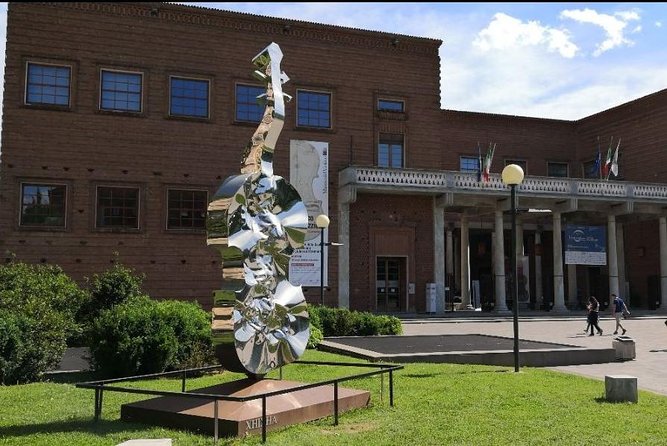
- Skip-the-line entry saves you from queue time and keeps your visit smooth
- English audio guide explains how violin-making evolved, not just what you’re looking at
- Original Stradivarius instruments give you a rare, high-impact look at historic craftsmanship
- Stradivari techniques are part of the story, so you can connect objects to methods
- Last entry is 45 minutes before closing, so don’t drift in late
Cremona’s Violin Museum: why this ticket feels worth it
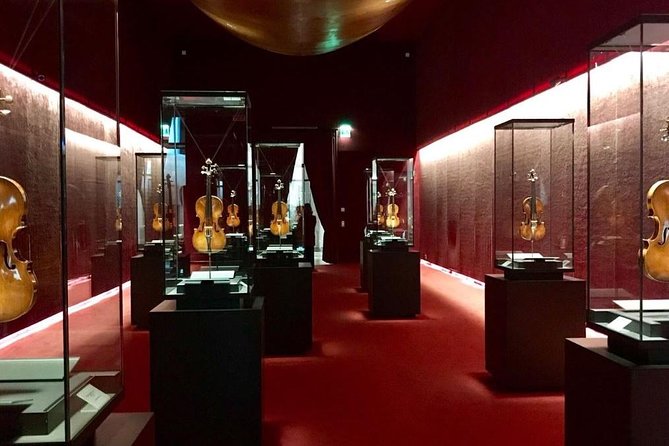
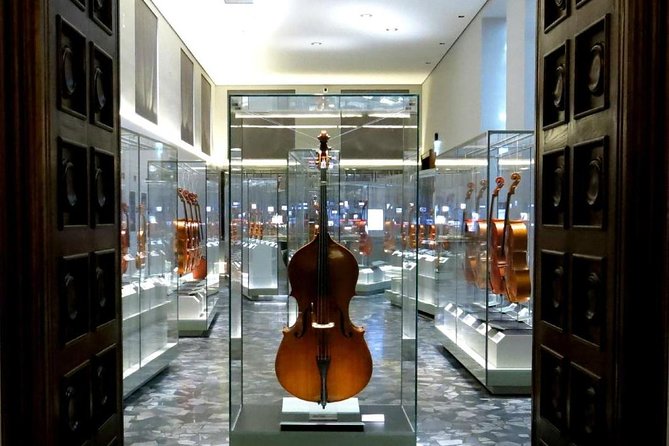
If you care about music, wood, tools, or old-world craftsmanship, this is the kind of stop that actually delivers. Cremona has been synonymous with violin-making for centuries, and the Museo del Violino turns that reputation into something you can see—shapes, materials, and the chain of decisions that lead to a fine instrument.
What I like most is that this visit isn’t just about admiring famous names. The experience is built around understanding the craft: where violin-making began, how it developed, and what makes one master’s work different from another. When you can connect history to hands-on techniques, the museum goes from decorative to educational, fast.
And yes, the big reason people buy this ticket is the chance to view original Stradivarius violins. Seeing famous instruments behind glass is impressive, but the museum’s angle—how Stradivari built his instruments with careful method—makes it feel less like a museum photo-op and more like you’re following a process.
Ticket value: what you’re paying for at $21.72
At $21.72 per person, this isn’t a bargain-bucket ticket. But the value is in two things: time saved and high-stakes content.
You’re paying for:
- Entrance to the Museo del Violino
- Paper ticket handling designed for on-site entry
- An audio guide experience in English (focused on violin origin and history)
- Skip-the-line access, which matters in places where queues can quietly eat your trip
That skip-the-line benefit is real value if you’re doing multiple sights in a day. If you show up right before closing, you’ll also care about timing—and skip-the-line reduces friction when your schedule is tight.
Two practical notes on value:
- Food and beverages aren’t included, so budget a bit extra if you’ll be out for a full afternoon.
- The experience is non-refundable and can’t be changed, so make sure your day and hours line up with your travel plan.
Hours, last entry, and the paper-ticket reality
The museum operates Tuesday through Friday, 11:00 AM to 5:00 PM (for both 2025 and 2026 dates listed). That’s a helpful rhythm, especially if you like predictable schedules.
The timing rule is the one you don’t want to ignore: the last time you can use the museum route is 45 minutes before closing. In plain terms, if the museum closes at 5:00 PM, plan to start your visit route by about 4:15 PM. If you wander in around 4:30 PM, you risk losing the chance to complete the route as intended.
Also, this is a paper ticket experience. That sounds old-school—because it is—but it’s also straightforward if you keep your ticket/voucher accessible. I’d treat it like your passport for the museum leg of the trip: easy to find, protected from crumpling, and ready when you reach the entrance.
One more practical detail: the ticket is described as near public transportation, which is great. You won’t need a complicated plan to get there, and you can stitch it into your day with less stress.
Entering Museo del Violino: what your visit flow should feel like
Once you’re inside, the museum experience is best approached with a little strategy. Don’t sprint. The displays are meant for reading and looking, especially when the story connects to how violins were built.
Think of your visit like following a workshop storyline:
- First, you’re guided into the history—how the violin’s world grew and why certain ideas stuck.
- Then the museum shifts into the craft. Instead of only showing objects, it aims to explain why they look the way they do and what makers were trying to achieve.
- Finally, you reach the moments that people travel for: the original Stradivarius instruments and the techniques linked to their creation.
Since the duration is listed as 1 to 3 hours, you can choose your pace. A slower visit that includes lots of looking and listening can easily stretch toward the upper end. If you’re short on time, you can still get the core story, just don’t expect to read everything word-for-word.
The audio guide in English: how to use it for real learning
An audio guide is only useful if you don’t treat it like background noise. The package description emphasizes that it explains the origin and history of violin-making, so you’ll get the most out of it if you actively connect what you hear to what you see.
Here’s how to get more from it:
- Use the audio guide to orient yourself, especially early on. Even a few minutes of context changes how you interpret each display.
- When you hit the Stradivarius-related sections, slow down. That’s where learning about techniques makes the instruments feel more “made” and less “mysterious.”
- If you’re traveling with someone who wants photos, make a deal: one pass for photos, one pass for listening and reading.
If you’re the type who likes to understand the why behind art, you’ll probably feel satisfied here. If you’re only in it for a quick look and pictures, you might feel the museum is more “work” than “show.” The good news is you control the pace.
Stradivarius on display: what to look for besides the label
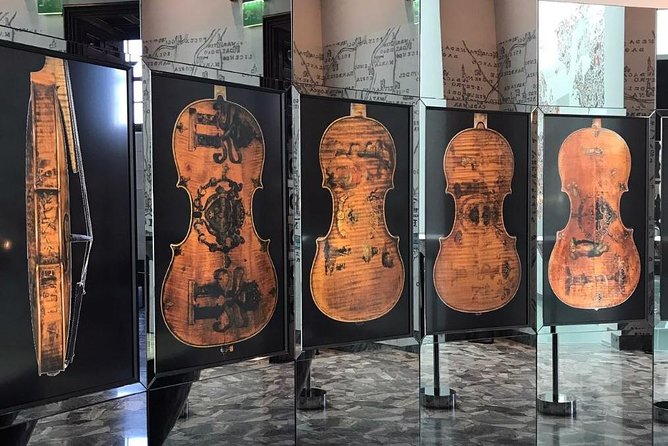
Seeing original Stradivarius violins is the headliner, but the museum’s value is in helping you look with purpose. The experience highlights that you can learn about the techniques Stradivari used to build his instruments and that you’ll get an overview of the origins and history of violin-making.
So what should you focus on while you’re there?
You’ll want to:
- Notice differences in shape and design rather than only the brand name. The more you can connect the visual details to craft choices, the more meaningful the instruments become.
- Treat the instruments as evidence of technique. The museum is essentially teaching you to read the object.
- Spend extra time when you feel your understanding clicking. That’s when you move from admiration to actual comprehension.
This is also why I think the “1 to 3 hours” range works well. Even if you’re not a musician, you can still recognize the care built into the work. The museum helps you notice it.
The one possible snag: documents and entry constraints
Most visitors can participate, and the museum is near public transportation, which keeps things easy. Still, there are a couple of real-world issues worth planning around.
First, entry rules can change with circumstances, and you don’t want to arrive unprepared. The safe move: make sure you have what you need to enter the museum route on the day you’re going (and keep it ready at the entrance).
Second, ticket sourcing matters. Some people have run into situations where they felt they paid more through a reseller because museum dates or options were hard to access through the official site. That’s not something you can control, but it is a reason to double-check total cost and make sure you fully understand the voucher instructions you’ll need on the day.
Finally, remember the time limit. The last entry window is fixed, and it’s the easiest problem to avoid if you plan ahead.
Pairing this with Parma or planning your Cremona day
One confusing detail in the booking details is the location listed as Parma, while the experience itself is for Cremona’s Violin Museum. This mismatch isn’t the end of the world, but it is something you should treat as a reminder to confirm the exact destination before you leave.
If you’re building a day trip or a stop in northern Italy:
- Verify where you’re going before you plan lunch.
- Give yourself a buffer. Even near public transportation, you want time to find the entrance and get settled before the audio guide starts taking you into the story.
The museum is Tuesday through Friday, 11:00 AM to 5:00 PM, so if you’re in the area on a Monday or a weekend, you’ll need to adjust your schedule.
Who this is best for (and who might skip it)
This ticket is ideal if:
- You love music history, instrument craft, or design details
- You want a museum visit that teaches you how something is made, not just what it is
- You’re happy spending 1 to 3 hours standing, looking, and listening
It may be less satisfying if:
- You’re expecting a fast, casual 30-minute walkthrough
- You dislike reading and listening at museum pace
- You’re only interested in casual photos, because the best parts here come from connecting techniques to instruments
One more note: some visitors specifically praised a staff guide named Clara for the quality of the explanations. You shouldn’t plan your entire trip on getting a live guide, but it’s a sign that the museum’s storytelling can be strong when staff is available.
Should you book this Museo del Violino skip-the-line ticket?
I’d book it if you meet two conditions: you’re visiting during Tuesday–Friday hours, and you can arrive early enough to use the route before the 45-minute-before-closing cutoff. If you’re time-tight, the skip-the-line access is a genuine quality-of-life upgrade.
If you’re on a strict budget, the price might sting a bit—but you’re paying for access plus the educational value of an English audio guide and the chance to see original Stradivarius violins. That combination usually beats the “pay for entry, hope for the best” museum experience.
Before you purchase, do this quick check:
- Confirm the museum hours match your travel day
- Plan your arrival so you’re starting the route by the cutoff
- Keep your paper voucher/ticket details organized for entry
If you’re the kind of traveler who likes to understand how great things are made, this is a solid stop. It’s compact, meaningful, and built around the craft—not just the fame.
FAQ
What does the full museum entrance ticket include?
The experience includes admission to the Museo del Violino (entrance ticket). The package also highlights an English audio guide for explaining the origin and history of violin-making.
How long should I plan for the visit?
Plan for about 1 to 3 hours.
What are the opening hours?
The museum is open Tuesday to Friday from 11:00 AM to 5:00 PM (for the listed 2025 and 2026 date ranges).
What time is the last entry for the museum route?
The last entry time to use the museum route is 45 minutes before the museum closes.
Is food included?
No. Food and beverages are not included.
Is the ticket offered in English?
Yes. The experience is offered in English.
Is this ticket refundable or changeable?
No. The experience is non-refundable and cannot be changed for any reason.