REVIEW · MAASTRICHT
Maastricht: Museum of Illusions Entry Ticket
Book on GetYourGuide →Operated by Museum of Illusions Maastricht · Bookable on GetYourGuide
One idea, then your eyes disagree. That’s the whole point of Maastricht’s Museum of Illusions—50 interactive optical illusions in a compact visit, with lots of instant wow moments. I love the photo-ready rooms, especially the Infinity Room and the reversed-style spaces that make your group look like you planned it.
I also like that it is not only about tricks. The games and installations nudge you to think about how vision and perspective shape what you call reality. One possible drawback: the museum can feel smaller than you expect, so it helps to go in ready to focus and move room to room rather than settling in for long stretches.
In This Review
- Key things that make this museum worth your time
- What You’re Really Paying For: 50 Illusions in About One Hour
- Walking Into the Museum: Voucher, Camera, and Small-Group Flow
- Infinity Room and Reversed-Style Effects: The Photo Stops That Sell the Experience
- Chair Illusion and Holograms: The Ones That Feel Like Magic (but aren’t)
- Games and Puzzles: Learning Without Feeling Like Homework
- How Long It Takes, and How to Plan Your Hour
- Price and Value at Around $19: What You Get for the Money
- Who This Is Best For (and When to Skip)
- Before You Go: What to Bring, Languages, and Practical Rules
- Should You Book This Ticket for Maastricht’s Museum of Illusions?
- FAQ
- How long is the Museum of Illusions Maastricht visit?
- What is included with the ticket?
- Is food and drinks included?
- Where do I exchange my voucher?
- What should I bring?
- Are there age discounts or free entry for young children?
- What languages are available?
- Is the museum wheelchair accessible?
- Is it a small group?
- Can I cancel for a full refund?
Key things that make this museum worth your time

- 50 interactive illusions packed into about an hour, so you keep moving without rushing too much
- Infinity Room photo moments that reward simple posing and quick angle changes
- Reversed-room style effects that turn everyday gestures into optical chaos
- Chair illusion and holograms that get more fun the more you experiment
- Games and puzzles that explain the science of perception in a kid-friendly way
- Small group up to 4 participants, which makes it easier to try installations without waiting forever
What You’re Really Paying For: 50 Illusions in About One Hour

This ticket is all about one thing: optical illusions you can touch, test, and photograph. You get 50 visual and interactive installations, including rooms, games, and puzzles, designed to show how your brain can be fooled by vision, perspective, and other cues.
The smart part is the pacing. With a 1-hour visit window, you’re unlikely to end up bored or stuck in a slow museum crawl. Instead, you’ll bounce between set pieces and hands-on challenges—especially good when the weather is doing its worst in Maastricht.
Walking Into the Museum: Voucher, Camera, and Small-Group Flow
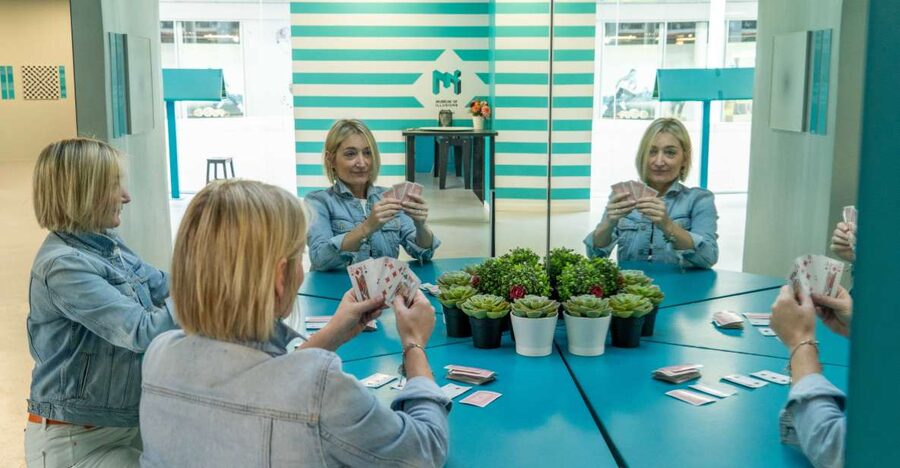
Before you start, you’ll exchange your voucher at the ticket counter. Do that early so you are not delaying your first photo stop while everyone is figuring out where to go next.
Bring a camera—and yes, you’ll want it. A lot of the value here comes from the fact that you’re not just watching an illusion. You are becoming part of it, which makes good photos feel like part of the activity instead of an afterthought.
You’ll also be in a small group limited to 4 participants. That matters because many illusion rooms work best when you can try them from different angles and quickly swap who takes a turn.
Infinity Room and Reversed-Style Effects: The Photo Stops That Sell the Experience

Two of the most highlighted installations are the Infinity Room and the reversed room style effect. These are the places where your brain expects one thing, but your eyes get a totally different story.
In the Infinity Room, the trick is the illusion of depth repeating forever. For photos, keep it simple: position your group so everyone fits, then try a second shot a moment later with a slightly different angle. The effect tends to look dramatically better when the camera is set consistently and you avoid sudden movement right at the moment you press the shutter.
The reversed room type illusion plays with direction and scale cues. You’ll usually get the best results when you give your body a clear pose—think clear lines, clear spacing between people, and deliberate hand/leg placement. If you rush, your photo will look like a normal picture. If you slow down for two seconds and stage it, it turns into the point of the whole visit.
Chair Illusion and Holograms: The Ones That Feel Like Magic (but aren’t)
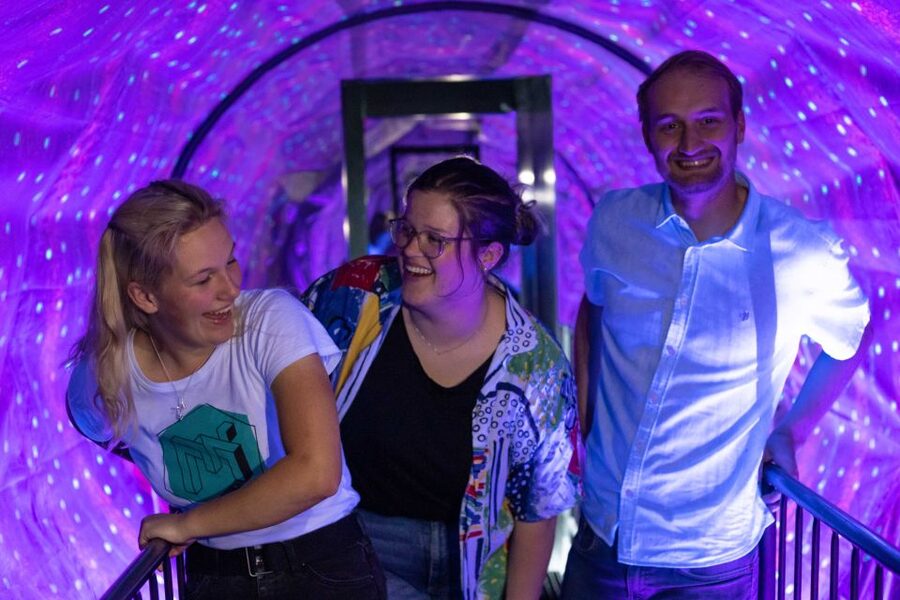
The chair illusion is one of those setups that makes you stop talking for a second. It turns a simple object into a brain teaser, because your visual system reads the scene in a way that does not match what your eyes are actually receiving.
The key is to treat it like a mini experiment. Move your perspective slightly and test what changes your view. When the illusion is sensitive to viewing angle, even a small shift can change how convincing it looks—so try taking a photo from one spot, then stepping just a little to compare.
Holograms add another layer. They’re the kind of installation that works well for both adults and kids because you can watch the effect, then react with surprise. If you have a group with mixed ages, holograms are also a great equalizer: everyone can participate without needing to read instructions for long.
Games and Puzzles: Learning Without Feeling Like Homework
Not every illusion is a room. A big part of the experience is the educative games and puzzles that test your sense of perception. The museum’s installations are built to show that what you experience as reality is strongly influenced by science, vision, perspective, and other sensory stimuli.
This is where the visit turns from goofy photos into something you can talk about on the walk back to town. Kids tend to enjoy the challenge because it feels like play. Adults often like it because it gives a clearer reason behind why the trick works—without turning it into a lecture.
If you’re visiting with family, this segment is often the best “keep everyone engaged” time. People who love hands-on activities get momentum. People who prefer slower moments get something interactive but easier to pace.
How Long It Takes, and How to Plan Your Hour
The ticket is designed for about 1 hour. That is a good length for most people—long enough to hit the main photo rooms and still enjoy the games, but short enough that you can still have energy for the rest of Maastricht afterward.
Because the museum may feel smaller than expected if you were picturing a huge indoor attraction, your best move is mental: treat it like a set list. Decide early that you’ll do the main illusion rooms first, then spend the remaining time on games and extra installations. That way, you won’t feel like you missed something big even if you finish sooner.
Also note the museum does not include food and drinks. If you’re planning a full half-day, schedule this earlier in the day or pair it with a nearby meal break so you do not spend your energy thinking about snacks instead of illusions.
Price and Value at Around $19: What You Get for the Money
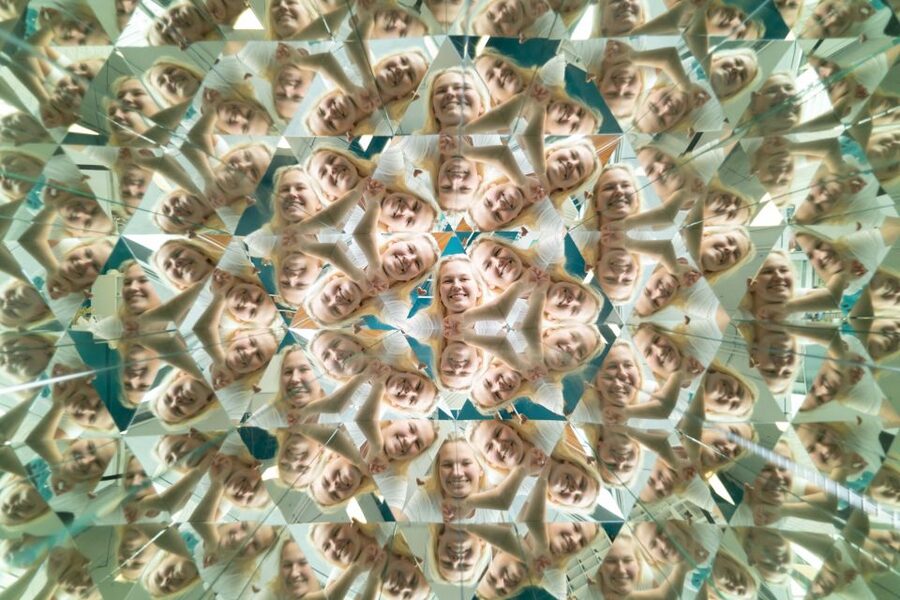
At about $19 per person, the price is reasonable if you like interactive attractions where you are part of the show. You’re paying for the combination of 50 installations, hands-on testing, and photo-friendly rooms, all within a tight time window.
Where some people may hesitate is the perception of value versus space and time. If you expected a larger, longer museum experience, you could feel the price-to-time ratio is off. The way to avoid that is expectation management: this is not an all-afternoon museum. It’s a focused, fun hour built around repeatable experiences—especially the rooms where you can try again from a different angle.
If you’re traveling with friends, the group photos alone can justify the cost because everyone leaves with something memorable and shareable. If you’re a solo traveler who hates photo staging, you may still enjoy the puzzles, but you’ll probably get more satisfaction if you enjoy interacting rather than just watching.
Who This Is Best For (and When to Skip)

This museum works especially well for families, groups of mixed ages, and anyone who enjoys playful science. With installations that rely on perception tricks, it feels fair to both kids and adults—everyone can participate, even if you do not read every explanation.
It also fits well as a rain plan. If your Maastricht day is damp or gray, an indoor, hour-long activity can save the schedule without turning your whole day into a slow indoor slog.
Consider skipping or adjusting expectations if you prefer long-form museums or quiet browsing. This place rewards momentum, experimenting, and quick turns between rooms. If you want hours and hours of deep museum time, you may feel done before you expected.
Before You Go: What to Bring, Languages, and Practical Rules
Bring a camera. If you use your phone, make sure you have it charged and ready because you’ll want multiple shots in the main photo rooms.
Children up to 4 years old are free and do not need a ticket. Everyone else needs entry.
The activity includes an instructor who speaks Dutch and English, and the experience is wheelchair accessible. If you’re traveling with limited mobility or want smoother timing, it helps to move through installations steadily so you don’t end up waiting for the group to reorganize.
Languages are Dutch and English, so plan to stick with whichever is easiest for your group.
Should You Book This Ticket for Maastricht’s Museum of Illusions?
Yes, if you want a fun, indoor, hands-on stop that gives you photos plus actual learning about perception. The best part is the structure: 50 interactive illusions within one hour, plus standout rooms like the Infinity Room and reversed-style effects that make the whole visit feel like a highlight reel.
If you are price-sensitive or expecting a huge museum experience, go with a plan. Focus on the main rooms first, then enjoy games and puzzles with the time you have. Do that, and this ticket becomes a smart use of your Maastricht time rather than a gamble.
FAQ
How long is the Museum of Illusions Maastricht visit?
The experience is valid for 1 hour.
What is included with the ticket?
Your ticket includes entry to Museum of Illusions Maastricht, plus local taxes and fees.
Is food and drinks included?
No. Food and drinks are not included.
Where do I exchange my voucher?
You must exchange your voucher at the ticket counter before the visit begins.
What should I bring?
Bring a camera.
Are there age discounts or free entry for young children?
Children up to 4 years old are free and do not need a ticket.
What languages are available?
The instructor speaks Dutch and English.
Is the museum wheelchair accessible?
Yes, the experience is wheelchair accessible.
Is it a small group?
Yes. It is a small group limited to 4 participants.
Can I cancel for a full refund?
Yes. Free cancellation is available up to 24 hours in advance for a full refund.