REVIEW · ILLINOIS
Illinois Holocaust Museum General All-Inclusive Admission
Book on Viator →Operated by Illinois Holocaust Museum and Education Center · Bookable on Viator
Holograms ask back, and you listen. This self-paced admission to the Illinois Holocaust Museum & Education Center comes with self-guided audio and access to the Abe & Ida Cooper Survivor Stories Experience, where holographic survivors respond to audience questions. You can move at your own speed, then choose which interactive add-ons fit your timing.
I love the 3-D holographic theater experience with Fritzi, where the testimony lands in a direct, human way. I also love the Take a Stand Center, because it connects the museum’s lessons to what you can do about human rights and social justice.
One possible drawback: you’ll reserve the Journey Back VR and the hologram sessions upon arrival, so plan for timing to affect what you catch in your 2–4 hour visit.
In This Review
- Key things to know before you go
- Entering the Illinois Holocaust Museum: a self-guided visit with built-in anchors
- What “all-inclusive admission” means here (and what it doesn’t)
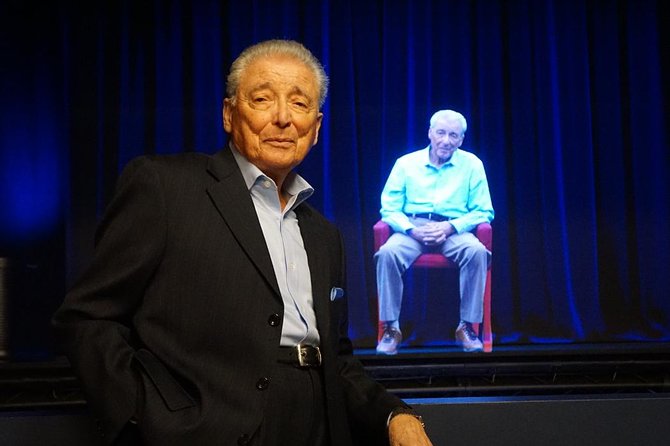
- The Abe & Ida Cooper Survivor Stories Experience: where questions turn into connection
- Journey Back Virtual Reality: included, but reserve when you arrive
- The galleries: artifacts, testimony, and lessons you can’t unsee
- Take a Stand Center: turning learning into human rights action
- Youth and hands-on learning: a smart add-on, with a clear age note
- How long you’ll need: plan a focused 2–4 hours
- Price and value: $18 for what you’re actually getting
- Who should book this ticket?
- Should you book this Illinois Holocaust Museum General All-Inclusive Admission?
- FAQ
- What does the ticket include?
- Is this a guided tour?
- Do I need to reserve the hologram theater and VR ahead of time?
- How long should I plan to spend at the museum?
- Do I receive a mobile ticket?
- Is this suitable for young children?
- When is the museum open on Mondays during the listed period?
- What is the cancellation policy?
Key things to know before you go
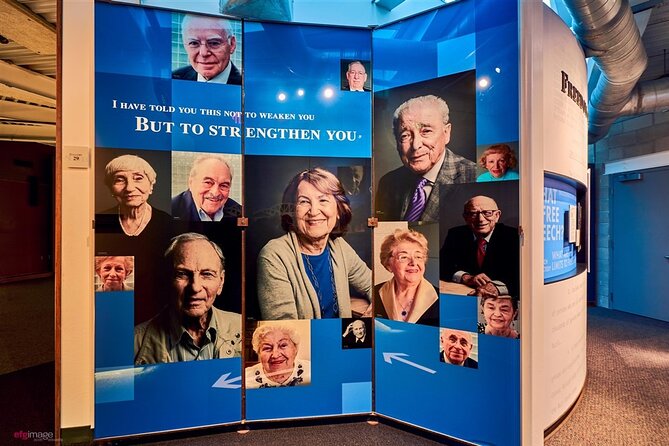
- 3-D hologram survivor stories that answer questions from the audience, not just prerecorded audio
- Fritzi is one of the standout hologram figures, memorable for her warmth and direct presence
- Journey Back VR is included, but you reserve it on arrival, so timing matters
- Take a Stand Center turns learning into action, aimed at human rights and social justice
- Family-friendly exhibits plus a hands-on youth section, with an age note for younger kids
Entering the Illinois Holocaust Museum: a self-guided visit with built-in anchors
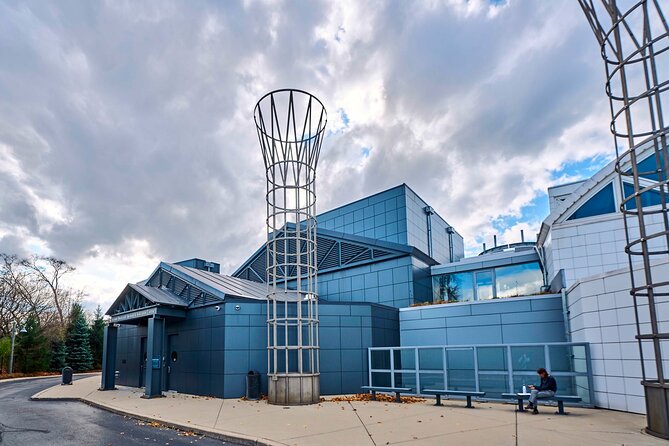
The Illinois Holocaust Museum and Education Center is built for a self-guided format. That matters, because you’re not herded through rooms on a schedule that ignores your comfort level. You get a ticket that lets you take your time, pause when you need to, and choose what to revisit.
You’ll also get a built-in structure: an audio approach to the galleries and a set of interactive anchors that can easily become your visit’s spine. That combination is why this ticket works well for many different styles of visitors. If you like reading and reflecting, you can slow down. If you prefer guided prompts, the audio helps you move forward without getting lost.
One practical point: even though this is self-guided, the interactive parts are not completely on autopilot. You’ll want to think of your visit as two layers—museum galleries on your own timeline, plus scheduled-feeling experiences like the hologram theater and Journey Back VR that require you to reserve time once you arrive.
What “all-inclusive admission” means here (and what it doesn’t)
This is a ticketed entry where your access does more than just open the doors. With your pre-booked admission, you’re set up for:
- self-guided audio tours
- entrance to the interactive Survivor Stories Experience (with holograms that respond to questions)
- entrance to the included Journey Back Virtual Reality Experience (reserved upon arrival)
Nothing is listed as excluded. That’s great for budgeting—you know you’re not paying extra once you’re inside.
The “mobile ticket” detail is also useful. It means you’re not scrambling with printed paper. Plan on having your ticket available on your phone, and you’re ready to go. If you’re the kind of person who hates last-minute tech hassles, do yourself a favor and make sure the confirmation is accessible offline before you get there.
The Abe & Ida Cooper Survivor Stories Experience: where questions turn into connection
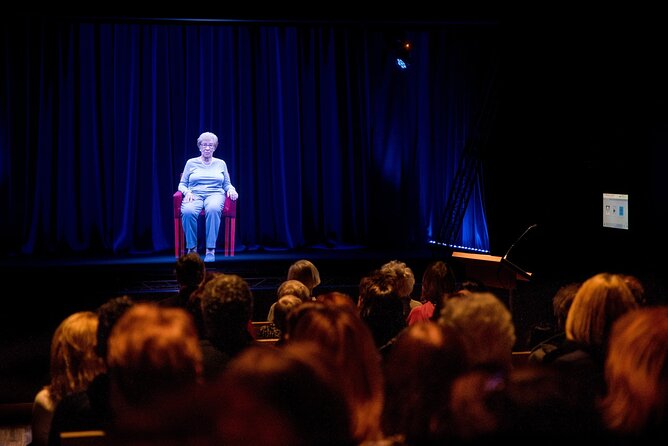
This is the heart of the museum experience for many people, and it’s easy to see why. The Survivor Stories Experience is presented through a holographic theater format. The big difference from a typical video display is that the survivors’ holograms are designed to respond to the audience’s questions.
That means your visit can feel less like watching history from a distance and more like engaging with real testimony in real time. You’ll hear powerful stories, and the interactive format adds a feeling of immediacy. It also creates a gentle challenge: you’re encouraged to listen closely enough to form a real question.
One name that gets remembered is Fritzi. In the hologram theater, Fritzi stands out for a tone that feels loving and compassionate, even though the subject matter is devastating. That contrast is important. The museum doesn’t only show what happened—it also shows the humanity of the people who lived through it.
Practical tip: in a theater experience like this, you’ll get more out of it if you enter with a quiet focus. Put your phone away. Give the moment room. You can always revisit other exhibits right after if you need a reset.
Journey Back Virtual Reality: included, but reserve when you arrive
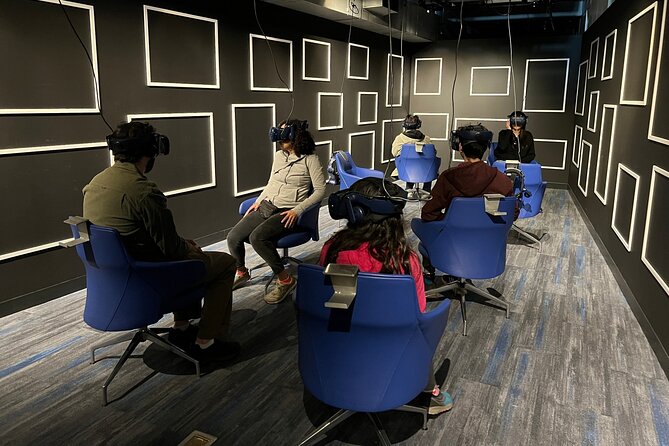
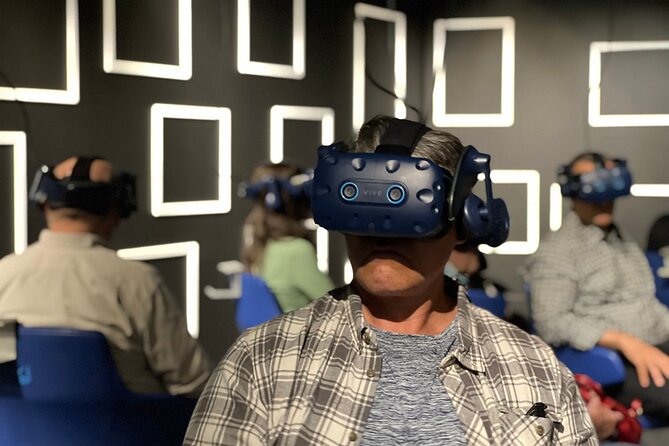
Your admission also includes the Journey Back Virtual Reality Experience. The key detail here is timing: you reserve it upon arrival.
That reservation requirement doesn’t make the experience optional—it’s part of how the museum manages capacity. For you, it means the best strategy is to do two things early:
- Get into the museum and check in.
- Reserve the VR time as soon as you can.
If you leave the VR reservation too late, you might find the best slots are gone. Since your total visit time is listed as about 2 to 4 hours, you’ll want to use that window wisely.
What makes VR valuable in a museum like this is that it can help your brain build context—how people moved, how choices were forced, and how life got reshaped by persecution. You don’t need the VR to appreciate the museum, but it often adds a strong layer of understanding because it turns information into experience-based perspective.
The galleries: artifacts, testimony, and lessons you can’t unsee
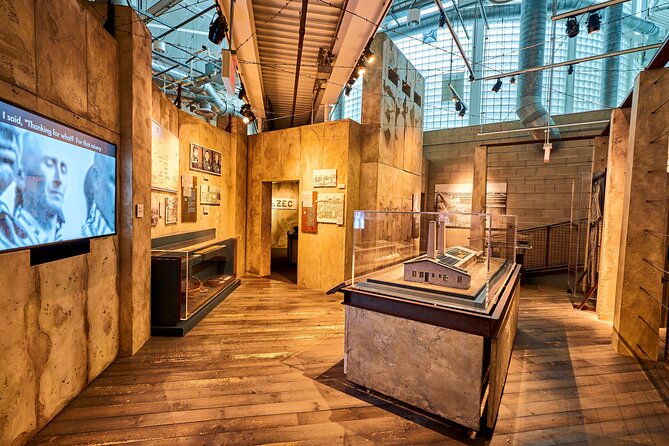
Beyond the interactive theater and VR, you’ll have access to galleries built around artifacts and testimonies. This is where the museum does its core job: it preserves memories and educates you about the dangers of prejudice and hatred.
The museum’s focus is both memorial and educational. That dual purpose shows up in the way the stories are presented—serious, personal, and direct. You’re not just learning facts; you’re encountering real human consequences.
A practical way to approach the galleries is to pick your pacing style before you begin. If you’re someone who wants a full sweep, start with the main exhibits and let the audio guide help you connect the dots. If you’re more selective, focus first on the areas that align with your interests—then come back to fill gaps.
Take a Stand Center: turning learning into human rights action
One reason I think this ticket is good value is what happens after you absorb testimony. The museum includes the Take a Stand Center, which shifts from learning about the Holocaust to considering how you respond to issues of human rights and social justice today.
This isn’t presented as a vague motivational poster. It’s positioned as action-focused education. For your visit, that means the emotional weight of the museum has somewhere constructive to go.
If you’re visiting with teens or with people who like to know what comes next, this section can be a payoff. It gives you a chance to translate history into present-day choices—without pretending that one museum visit fixes anything. Instead, it helps you see how individual and community action fits into the larger picture.
Youth and hands-on learning: a smart add-on, with a clear age note
There’s also a special hands-on youth section, and the overall exhibits are described as suitable for all ages. That’s encouraging if you’re planning a family outing.
Still, there’s one specific caution: it’s not recommended for child aged 7 and under. That doesn’t mean kids can’t learn here. It means younger kids may struggle with the emotional intensity or the structure of the experiences, especially around testimony and interactive elements.
If you’re bringing children, I’d plan on a conversation afterward. Ask what they understood and what felt most surprising. The point of a youth section is learning through doing, and the best follow-up is making sure learning actually sticks.
How long you’ll need: plan a focused 2–4 hours
The ticket experience is listed at about 2 to 4 hours. That range fits because you’re balancing galleries with timed-feeling interactions.
Here’s a pacing approach that usually works in a museum day like this:
- First, get oriented and start the audio tour.
- Reserve the VR experience when you arrive.
- Fit the hologram theater experience in while you’re still fresh enough to focus.
- Use the action-centered areas like Take a Stand later, once you’ve built enough context to make them meaningful.
If you try to do everything in a rushed sprint, you’ll miss what makes the museum powerful: the chance to sit with details. On the other hand, if you only chase the interactive parts, you might feel like you skipped the connective tissue. A balanced pace helps you leave with both understanding and perspective.
Price and value: $18 for what you’re actually getting
At $18 per person, this ticket is easy to justify when you look at the full package. You’re not just buying entry. You’re getting self-guided audio access plus included interactive experiences: the holographic Survivor Stories Experience and the Journey Back VR (reserved upon arrival).
Many museums charge entry, then charge extra for the flagship experiences. Here, the value is that the ticket covers the emotional and educational core. If you’re visiting on a tighter schedule, pre-booking also reduces friction. It’s listed as commonly booked about 6 days in advance, which suggests people like locking in their entry time early.
For budgeting, think of this as three layers in one price:
- museum galleries and audio (your baseline learning)
- hologram theater (interactive testimony)
- Journey Back VR (experiential context)
That combination makes $18 feel fair—especially if you’re the type of visitor who would otherwise pay separately for audio plus a special exhibit.
Who should book this ticket?
I’d especially consider booking this if you:
- want a self-guided museum visit with built-in structure
- care about interactive testimony through the hologram theater
- want a museum experience that links history to present-day human rights and social justice
- are visiting with teens or older kids who can handle serious content and listen carefully
This may be less ideal if you’re looking for a casual, low-emotion outing. The museum’s subject matter is heavy, and the interactive experiences are designed for focus, not multitasking.
Also, since the maximum group size is listed as 15 travelers, it’s not a huge crowd situation. That can help the hologram theater and VR parts feel more manageable.
Should you book this Illinois Holocaust Museum General All-Inclusive Admission?
Yes, if you want a museum visit that combines self-guided pacing with two high-impact interactive experiences. The big win is the way the ticket supports both understanding and action: audio and testimony through the holographic theater, plus an included VR experience, then a Take a Stand section that pushes you beyond memorizing dates.
Book it if you like structure with flexibility. Reserve your interactive time as soon as you can after you arrive, and don’t overstuff your schedule beforehand. If you do that, this $18 ticket can deliver far more than a typical entry fee—especially thanks to the hologram experience, including the memorable presence of Fritzi.
FAQ
What does the ticket include?
Your admission includes self-guided audio tours, entrance to the Journey Back Virtual Reality Experience (reserved upon arrival), and access to the 3-D Holographic Survivor Stories Experience (reserved upon arrival).
Is this a guided tour?
No. It’s a self-guided visit, using the included audio tour.
Do I need to reserve the hologram theater and VR ahead of time?
You reserve both the Journey Back VR and the 3-D Holographic Survivor Stories Experience upon arrival.
How long should I plan to spend at the museum?
Plan for about 2 to 4 hours.
Do I receive a mobile ticket?
Yes, the ticket is listed as a mobile ticket.
Is this suitable for young children?
It’s not recommended for child aged 7 and under.
When is the museum open on Mondays during the listed period?
For 04/01/2025 to 05/31/2025, Monday hours are 10:00 AM to 5:00 PM.
What is the cancellation policy?
Free cancellation is available. You can cancel up to 24 hours in advance for a full refund; within 24 hours, no refund is provided.