REVIEW · KRAPINA
From Zagreb:Discover North Croatia, Museums, Castle and City
Book on GetYourGuide →Operated by Varazdin Tourist Guide · Bookable on GetYourGuide
Prehistory and palaces in one long day. I like the way this tour chains together Krapina Neanderthal Museum with medieval and Roman sites, so Northern Croatia doesn’t feel like a set of random stops. You start with deep time, then glide into the human stories that shaped the region.
I also love the guided flow at Trakošćan Castle, where you get more than photos: you learn the castle’s background and then continue with the castle’s permanent exhibition about medieval nobility in Northern Croatia.
One heads-up: it’s a long day with a fair amount of walking, and this isn’t wheelchair-friendly, so plan around your mobility and wear comfortable shoes.
In This Review
- Key Highlights You’ll Actually Feel
- From Zagreb County to Krapina: Starting with the Oldest Human Stories
- Trakošćan Castle: Medieval Power, Guided at Human Speed
- Varaždin County Breaks: Food, Coffee, and a Needed Reset
- Varaždin’s Old Town: Free Royal City Stories on Foot
- Varaždinske Toplice and Aquae Iasae: Roman Thermal Baths Beyond the Brochure
- Timing, Transport, and How the Private Group Feels Different
- Is $129 Good Value for Neanderthals, a Castle, Varaždin, and Roman Baths?
- Who Should Book This Tour (and Who Might Want a Different Style)
- Should You Book This North Croatia Day Trip?
- FAQ
- How long is the tour?
- Where does pickup happen, and where do you get dropped off?
- What’s included in the price?
- Is lunch included?
- What are the main stops on the tour?
- What languages are available for the live guide?
- Is the tour wheelchair accessible?
Key Highlights You’ll Actually Feel
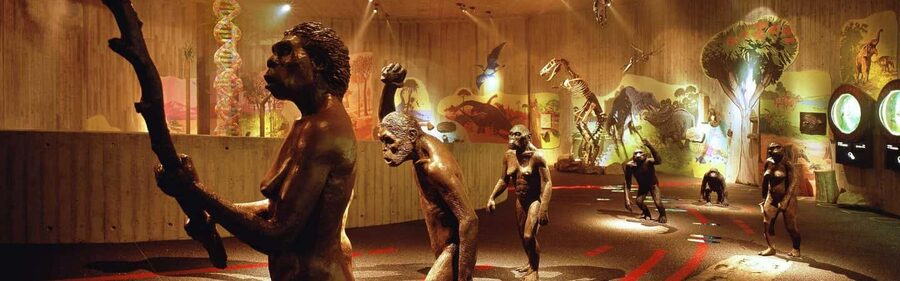
- Krapina Neanderthal Museum as a strong opener: a local origin story you won’t get by just driving through.
- Trakošćan with real guidance: guided castle visit plus the museum’s permanent exhibition after.
- Varaždin Old Town on foot: a guided walk through medieval streets with palaces and villas you can spot as you go.
- Aquae Iasae Roman thermal baths: a 2,400+ year-old archaeological site with a guided spa-tourism story.
- Private-group pace: you can move at a comfortable rhythm, not a rushed checklist.
From Zagreb County to Krapina: Starting with the Oldest Human Stories
The day begins with a hotel pickup option in Zagreb County (either Zagreb or Varaždin County), then you’re off by van. This matters more than it sounds, because the route sets the tone: you’re traveling north early, then spending the day in a tight “culture corridor” instead of zig-zagging across Croatia.
Your first stop is the Krapina Neanderthal Museum, and it’s a great way to start. Most tours hit big famous medieval things first. Here, you get the opposite: Northern Croatia is shown as a place where ancient life was already shaping the human story long before castles and cities.
This museum is not just “Neanderthals existed.” It’s organized around the people of the region and how their remains were found here, and you’ll tour it with a guide. One detail I like from past trips: guides (often locals) tend to explain what you’re seeing in plain language, not museum-theater. When the first stop clicks, the rest of the day feels more meaningful, because you’re placing everything you’ll see later into a much bigger timeline.
Practical note: give yourself room to walk inside the museum calmly. Even though the time block is about 1.5 hours, museum fatigue is real when you’re trying to read every label. If you want to get the best out of it, slow down for the sections that feel most human—how people lived, what the evidence shows, and how the site connects to Northern Croatia.
Trakošćan Castle: Medieval Power, Guided at Human Speed
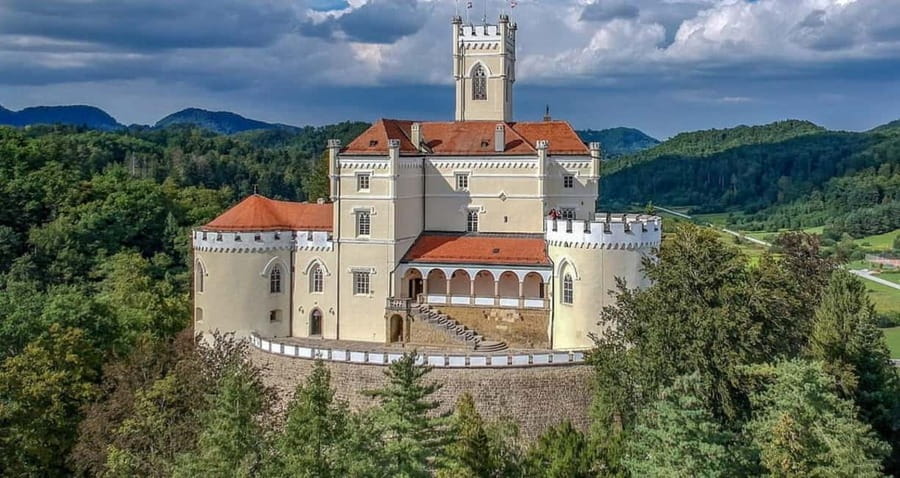
Next comes Trakošćan Castle, described as one of Croatia’s most visited, and it’s easy to see why. The setting gives you instant atmosphere: a medieval castle image you can actually place in the landscape around it.
But the real value is the way the tour is structured once you arrive. You don’t just wander the grounds. You get a guided tour (about 2 hours) that covers the castle and its history, and then you continue inside with the castle’s permanent exhibition focused on the life of medieval nobility in Northern Croatia.
That combo is what makes this stop more than a photo stop. The exterior tells you power and location. The interior exhibition gives you context: how nobility lived, how society worked, and how Northern Croatia’s social world looked during medieval times. If you’ve ever toured a castle where you only learn dates, this one feels more like people lived here. The guidance helps connect architecture to everyday life.
Also, Trakošćan is exactly the kind of place where rain or cold weather changes your experience. One past review specifically mentioned needing umbrellas when the weather turned. So if you’re traveling in shoulder seasons, I’d pack a light rain layer. Comfortable shoes matter again here, because castle visits tend to include uneven footing and short walks that add up.
Varaždin County Breaks: Food, Coffee, and a Needed Reset
Between the castle and the city tour, you get a break with brunch/lunch time (about an hour). Food and drinks aren’t included on the tour price, so this is where your guide’s local instincts really pay off.
In previous trips, guides such as Alen and Marko have taken people to restaurants that feel tucked away from the tourist stream. For example, one lunch stop was described at a secluded restaurant called Pethrasti in a wooded setting, and another was described at a place called Old Oaks, set in a restored mountain home. Those names are only examples, but the pattern is consistent: you’re given the chance to eat somewhere that actually matches Northern Croatia’s vibe.
Even if you choose a simpler option, use the break the right way:
- Eat something that won’t weigh you down for a walking tour afterward.
- Do a quick coffee reset if you’re the type who gets sluggish mid-day.
- Keep your phone charged, because Varaždin rewards slow photo-walking.
This stop also breaks the day into two “chapters.” After Trakošćan, you transition into city time, and that hour makes it easier to enjoy the walking and details later instead of feeling rushed.
Varaždin’s Old Town: Free Royal City Stories on Foot
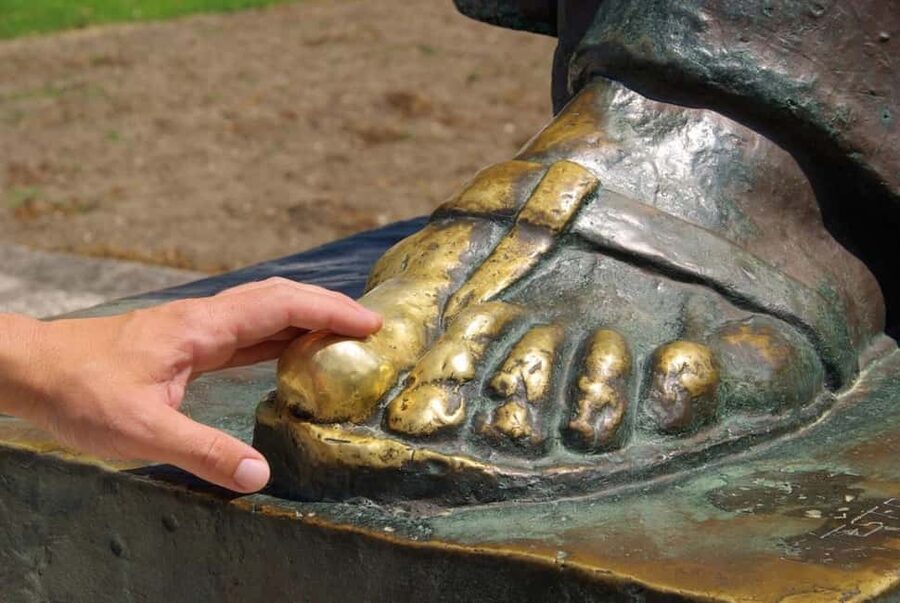
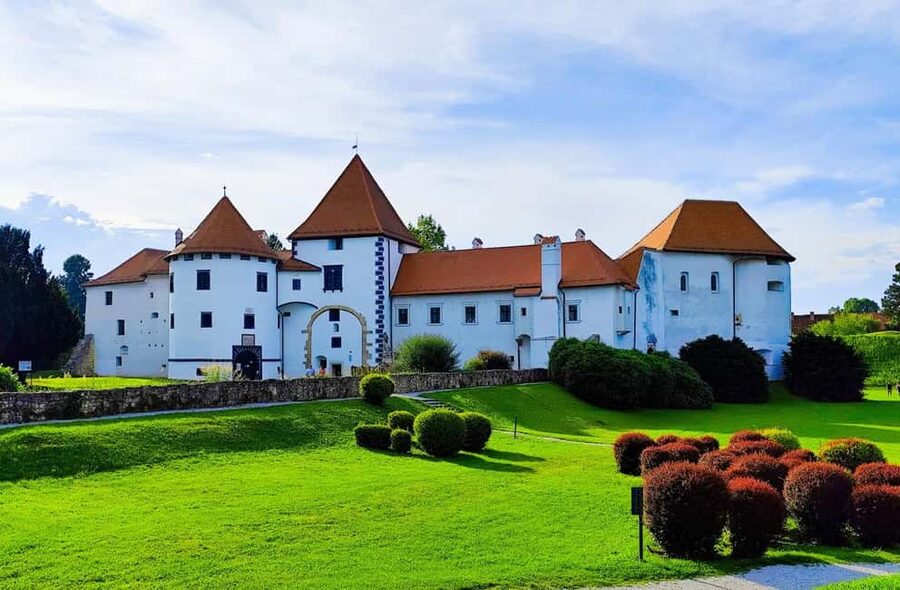
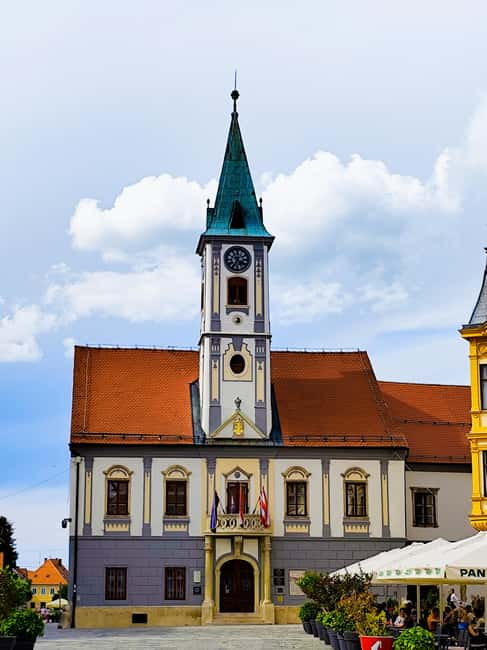
Then it’s time for Varaždin, the largest city in Northern Croatia, with a history spanning more than 900 years. This is one of those places where a city tour works best when you have context, not when you just chase landmarks.
You’ll get a guided tour (about 2 hours) focused on the city’s past and the conflicts between the nobility and the citizens of the Free Royal City. That detail matters because it changes how you read the street scene. You start noticing what buildings represent: who held power, how citizens lived with that power, and why the city’s look ended up the way it did.
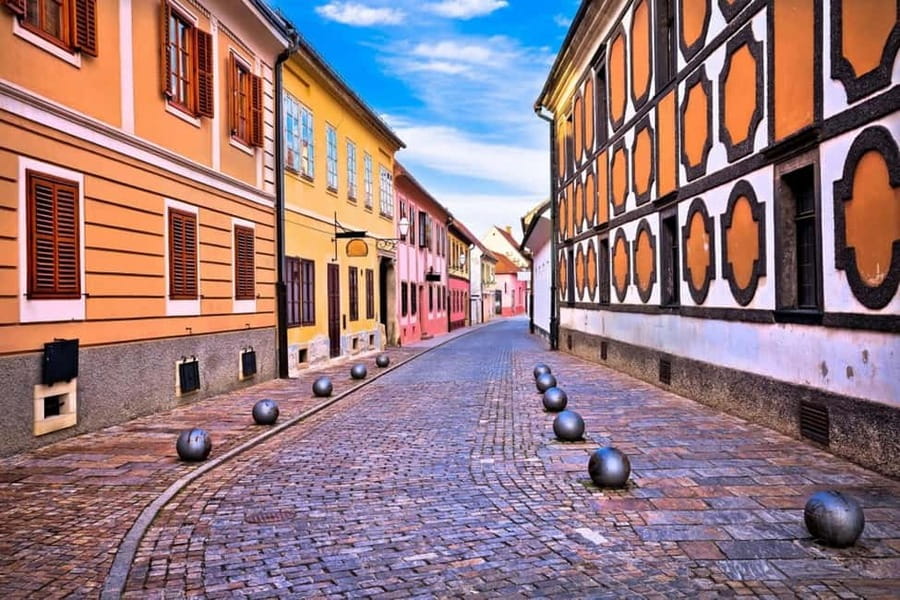
You also visit the Old Town and walk through picturesque streets from the Middle Ages, many lined with palaces and villas from the Baroque era. That mix is part of the appeal. It isn’t only one architectural style that you can spot from a distance. It’s layered, and the guide helps you understand why those layers show up where they do.
One of the most praised elements from past participants was the personal pride and attention guides bring to Varaždin. If your guide is from the region (names like Alen and Marko came up often), you can feel it in the way they explain details. It turns a standard city walkthrough into something more like a local telling you why a street matters.
Practical tip: Varaždin is manageable for a lot of people, but it’s still walking time. Build your enjoyment strategy around it: decide in advance what you care about most—architecture, local history, or simply absorbing the feel of the streets—then let the guide steer you.
Varaždinske Toplice and Aquae Iasae: Roman Thermal Baths Beyond the Brochure
The final major stop is Varaždinske Toplice, where you visit Aquae Iasae, a Roman-era archaeological site more than 2,400 years old. This is the most “wow” stop if you like the physical remains of ancient life. And it’s a strong contrast after medieval castle walls and city streets.
Your visit here includes a guided tour (about 45 minutes), and the focus isn’t just on ruins. You’ll learn about Roman spa tourism and the bath culture that came from the Romans, plus the customary rights of the local population. That combination is what makes this stop feel connected to people, not just stones.
Roman baths can sound like a “seen-it-once” category, but Aquae Iasae is framed through what it meant locally: how spa life worked and how it fit into the region’s social structure. In real terms, it helps you understand how the Romans weren’t only conquering—they were building habits, routines, and economies that outlived the empire in local memory.
After the guided portion, there’s also a short coffee/tea break (about 30 minutes). It’s a nice buffer before the return trip, especially because the day is still long even after the guide-led highlights are done.
Timing, Transport, and How the Private Group Feels Different
This tour is 12 hours door-to-door from your pickup start, and the van ride segments are part of why it works. You’re not constantly changing transportation modes, and the travel is done in a comfortable car or van with air-conditioning.
Because it’s a private group, the pacing tends to feel more humane than big-group bus tours. People have praised that the day can run close to their own tempo—stopping when needed, letting you settle in at the sites, and keeping the flow relaxed instead of clock-punching every minute.
A few practical things to plan for:
- Expect a lot of short walking segments across multiple stops.
- Bring comfortable shoes. If you’re wearing stiff soles or unsupportive footwear, you’ll feel it by late morning.
- If weather is questionable, pack for it. A rainy-day umbrella came up in a past experience.
- Languages offered are English and Croatian, and the guide’s role is central. If you want good explanations (not just entry tickets), this is the structure that supports it.
Also, note the tour is not suitable for wheelchair users. That’s important to know upfront, so you can choose something else if mobility equipment is part of your travel needs.
Is $129 Good Value for Neanderthals, a Castle, Varaždin, and Roman Baths?
At $129 per person, the headline question is: is this just a long van day, or do you actually get value?
From a value perspective, you’re paying for a bundle:
- Private 2-way transfer
- A local licensed tour guide
- Guided time at the Neanderthal Museum
- Guided Trakošćan Castle visit
- A guided tour in Varaždin
- A guided tour at Aquae Iasae (plus the archaeological sightseeing)
- Tickets to the Neanderthal Museum and Trakošćan Castle
- Admission/sightseeing included for the Roman baths site
What’s not included is food and drinks, so you’ll still budget lunch and snacks. But given the number of paid entries and the fact you’re covering multiple sites in one shot, the structure is usually what makes this price feel fair—especially if you’d otherwise have to coordinate transport and guides yourself across long distances.
One more value angle: guided interpretation at each stop is what turns “places” into “understanding.” A day like this becomes worth it when the guide connects the dots between time periods: prehistory to medieval life to Roman spa culture.
If you’re the kind of traveler who enjoys learning but also wants the day to run smoothly, this price level makes sense.
Who Should Book This Tour (and Who Might Want a Different Style)
This tour fits best if you want a history-heavy Northern Croatia day and you prefer not to self-drive between sites. It’s especially good if:
- you’re interested in the full timeline (Neanderthals, medieval castle, Roman baths),
- you like guided context on walking tours,
- you’d rather pay for organization and time-saving than plan each leg.
It might be less ideal if:
- you want a slow-paced nature day with minimal walking,
- you have limited mobility (it’s not wheelchair-friendly),
- you don’t enjoy structured museum and guided-history time.
The private-group style helps with comfort, but the day is still long, and the itinerary still includes real walking.
Should You Book This North Croatia Day Trip?
Yes, I’d book it if you want a single, well-organized day that covers four major storylines of Northern Croatia: local prehistory at Krapina, medieval nobility at Trakošćan, centuries of city life in Varaždin, and Roman bath culture at Aquae Iasae.
Book it especially if you care about having a guide who can turn buildings and ruins into people-and-practices. Names like Alen and Marko show up in excellent feedback for a reason: the tours tend to feel personal, not generic.
Just be honest with yourself about the walking and the long day. If you’re prepared with good shoes and a flexible attitude toward timing, this trip can give you a lot of Northern Croatia in one day without the stress of juggling logistics.
FAQ
How long is the tour?
The tour lasts 12 hours.
Where does pickup happen, and where do you get dropped off?
Pickup is available from Zagreb or Varaždin County, and drop-off happens in Varaždin or Zagreb.
What’s included in the price?
Hotel pickup and drop-off, private 2-way transfer in a comfortable car or van with air-conditioning, a local licensed tour guide, guided tours at Trakošćan, Varaždin, and Varaždinske Toplice, plus tickets to the Neanderthal museum and Trakošćan Castle.
Is lunch included?
No. Food and drinks are not included.
What are the main stops on the tour?
You’ll visit the Krapina Neanderthal Museum, Trakošćan Castle, the Old Town of Varaždin, and the Roman thermal baths site of Aquae Iasae in Varaždinske Toplice.
What languages are available for the live guide?
The live tour guide speaks English and Croatian.
Is the tour wheelchair accessible?
No, the tour is not suitable for wheelchair users.