REVIEW · JEWISH MUSEUM BERLIN
Berlin: Jewish Museum Berlin Entrance Ticket
Book on GetYourGuide →Operated by Stiftung Jüdisches Museum Berlin · Bookable on GetYourGuide
You walk in, and the building changes you. At the Jewish Museum Berlin, Daniel Libeskind’s zig-zag design uses slanted walls, sharp angles, and gaping voids to tell a story of Jewish life in Germany.
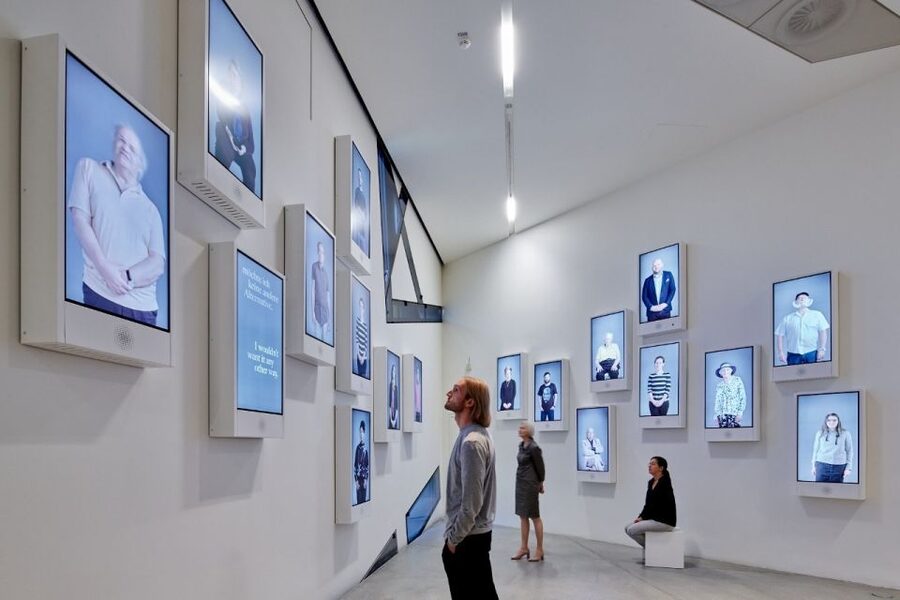
I love how the exhibits cover Jewish culture beyond the Holocaust, with practical themes like kosher food, Shabbat, and Jewish holidays. I also love the way the museum encourages you to use headphones, plus the free JMP app download that helps you make sense of the installations.
One possible drawback: the museum layout can feel a little confusing, so build in extra time and don’t rush the floor plan before closing at 6pm.
In This Review
- Key highlights at a glance
- Jewish Museum Berlin: why Libeskind’s architecture matters
- Plan your 2-hour route: what to see without missing the emotional hits
- Jewish history from medieval Germany to today: what the exhibits actually cover
- Special exhibitions: Salman Schocken and Jewish Women and Design
- Inventories: The Legacy of Salman Schocken (free; listed July 11 to Nov 23, 2025)
- Defiance: Jewish Women and Design in the Modern Era
- Practical tips that save time: tickets, headphones, lockers, and wayfinding
- Lockers and coins
- Signposting can be imperfect
- Make it a smart Berlin day: add Berlinische Galerie with your ticket
- Who should book this, and who should plan differently
- Should you book this ticket?
- FAQ
- How much does the Jewish Museum Berlin entrance ticket cost?
- How long should I plan for my visit?
- What are the opening hours?
- Does this ticket help me avoid waiting in line?
- Do I need headphones?
- Is the museum wheelchair accessible?
- Where is the museum, and can I combine it with another site?
- Is a guided tour included with the ticket?
- Is the ticket refundable?
Key highlights at a glance

- Daniel Libeskind’s zig-zag “history language”: slanted corridors and voids that do more than look dramatic
- Holocaust Tower and the Memory Void: emotionally intense spaces that many people remember for days
- Jewish life across centuries: religion, everyday objects, and community customs, not only one chapter
- Special exhibitions that add fresh angles: including Inventories on Salman Schocken and Defiance on Jewish women designers
- Free entry plus a free app download: strong value for a major Berlin stop
- Kreuzberg location with easy add-ons: close to Checkpoint Charlie and within a short walk of Berlinische Galerie
Jewish Museum Berlin: why Libeskind’s architecture matters
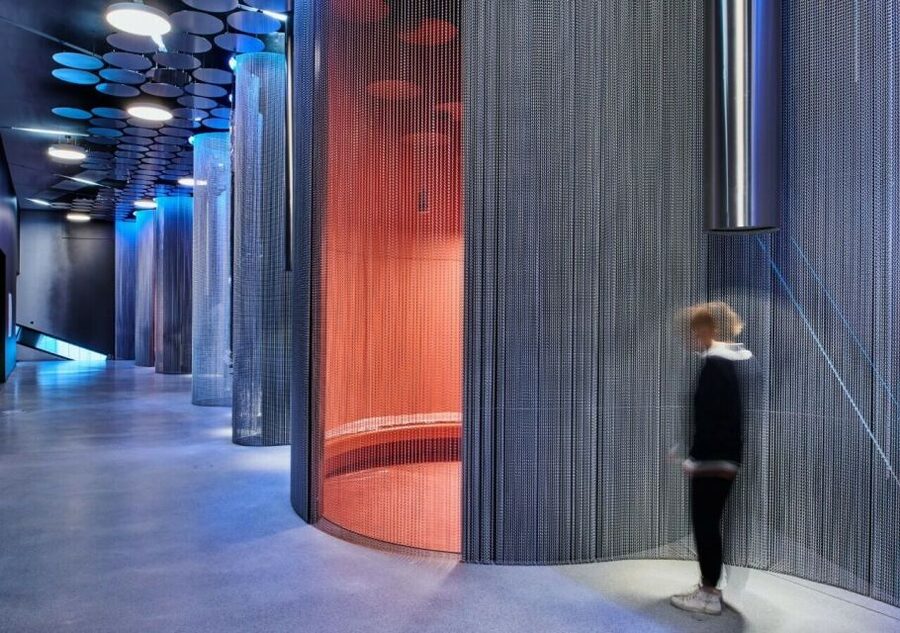
The Jewish Museum Berlin is not just a building that houses exhibitions. It’s part of the message. Daniel Libeskind’s design breaks the usual museum comfort level with jagged geometry: you’ll feel disorientation from slanting walls and the sense that the space itself is pushing you off-balance. That matters because the museum is trying to show how history can fracture lives.
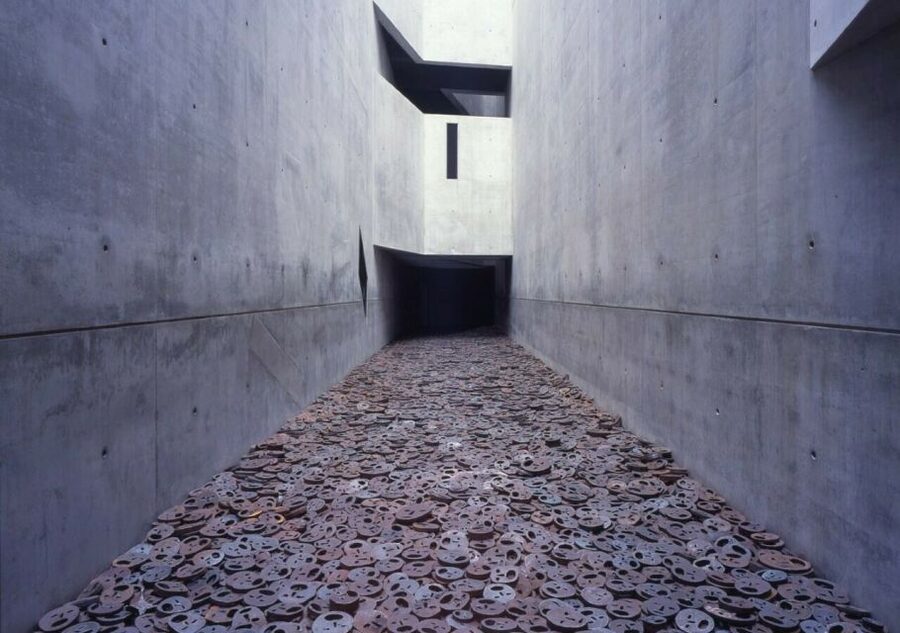
The design is also symbolic in a very literal way. The voids and sharp turns create gaps in your line of sight, almost like the museum is making absence visible. You don’t need to be an architecture fan to get it. You just feel it as you move through.
There’s a practical upside too. When a museum has a strong “spine” to follow, you can lose less time. Even if you find the layout a bit confusing, the building’s shapes help guide you toward the major areas.
Plan your 2-hour route: what to see without missing the emotional hits
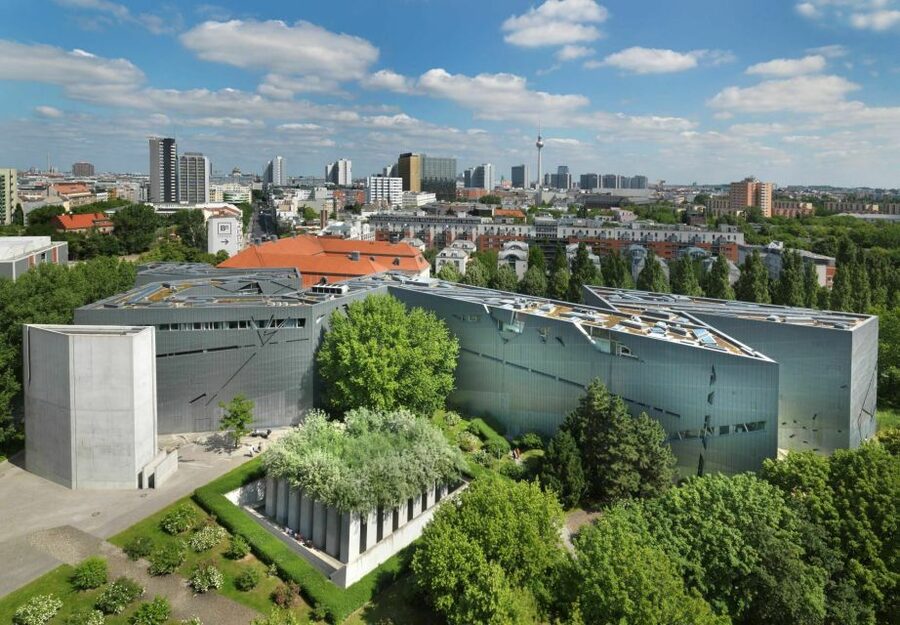
The average visit is about 2 hours, and the museum closes at 6pm (10am–6pm opening hours). That’s enough time to see the main story and hit the signature spaces, but you can’t do it casually if you want to read thoroughly.
Here’s a sensible way to pace it that keeps you from accidentally skipping the most impactful rooms. Start with the main exhibition flow on Jewish history and culture, then switch gears for the architecture-heavy zones where the museum uses light, sound, and spatial effects.
As you get deeper into the complex, prioritize the spaces that tend to anchor the visit emotionally:
- The Holocaust Tower is the big moment. Plan for silence after.
- The Memory Void includes an installation known as Shalekhet (Fallen Leaves), which is designed to stay with you.
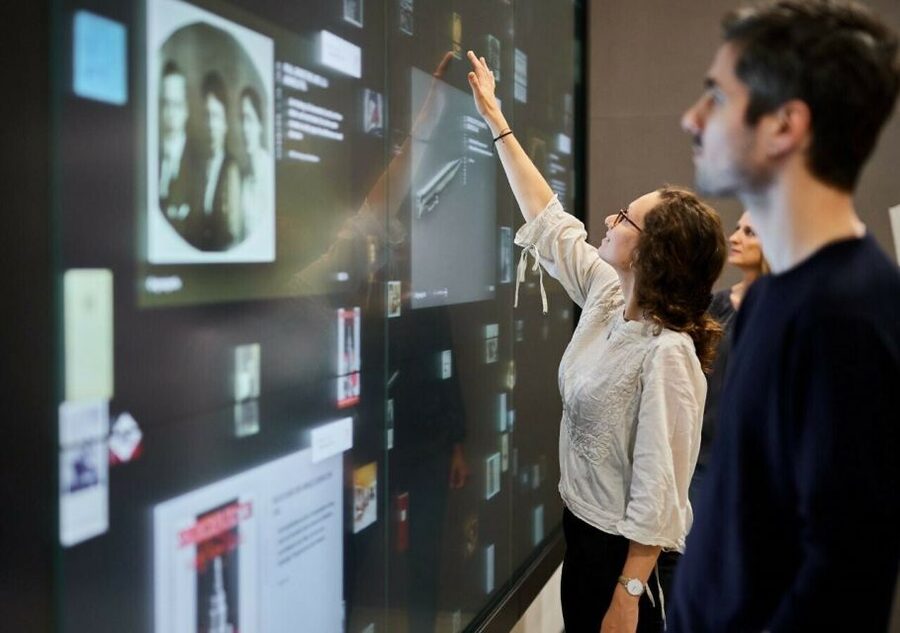
If you’re using the free JMP app, load it early so you’re not hunting for your way later. The museum also has video and audio installations plus interactive stations, so your “time math” will depend on how often you stop to watch and listen.
One more timing note: the museum is not just flat galleries. You’ll likely deal with steps and some uphill walking. If you have limited mobility, you’ll still be fine with planning, but you’ll want to take breaks and keep your route simple.
Jewish history from medieval Germany to today: what the exhibits actually cover
This museum does something important: it won’t let Jewish history shrink to a single event. Yes, the Holocaust is here, powerfully and respectfully. But the museum also builds context so you understand Jewish communities as living cultures across time.
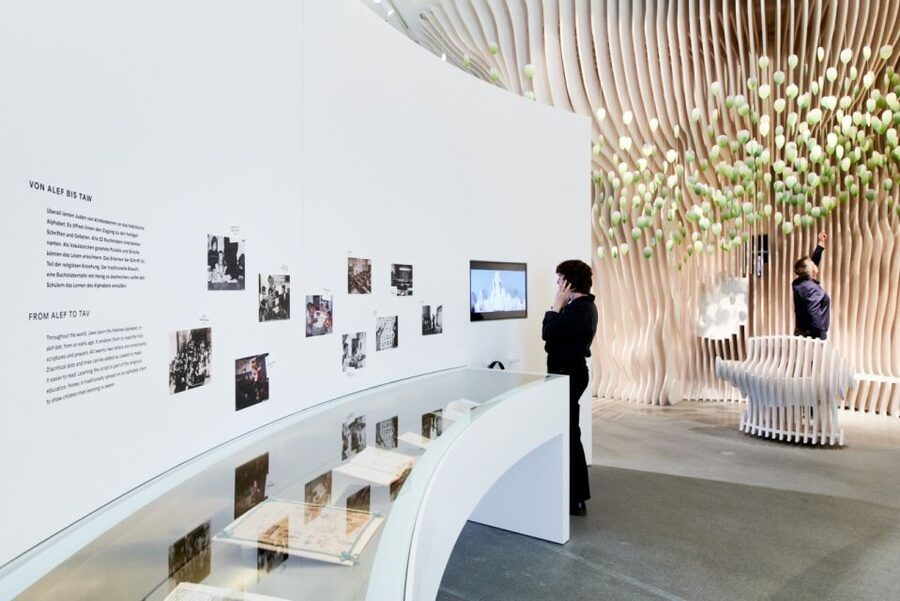
You’ll see attention to day-to-day life and belief, including things like:
- Jewish holidays and how they shape community life
- Shabbat practices
- kosher food and dietary laws
- diversity of Jewish culture, not one single uniform story
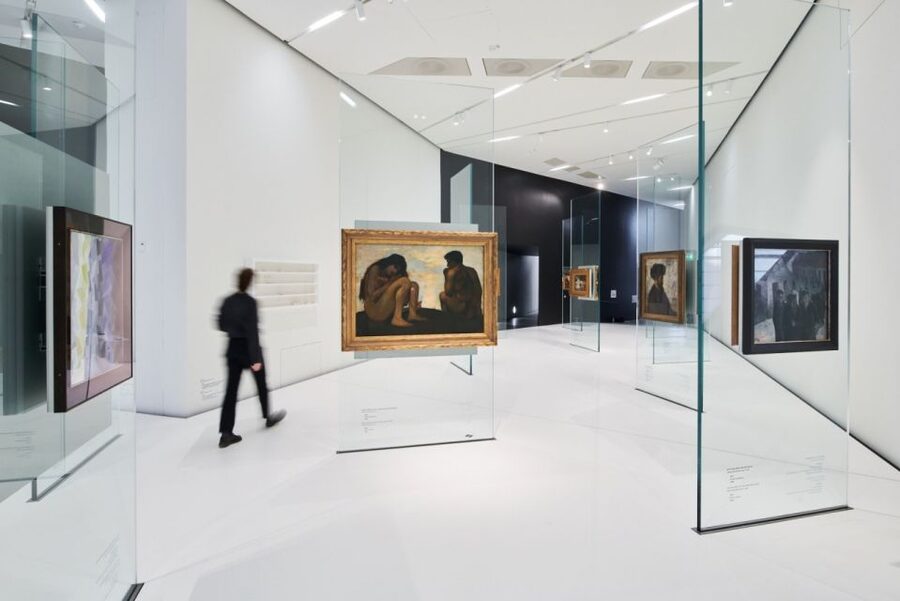
What I like most is that the museum uses everyday objects alongside art and historical material. That combination helps you picture what people did, what they owned, and how they lived—not just what happened to them.
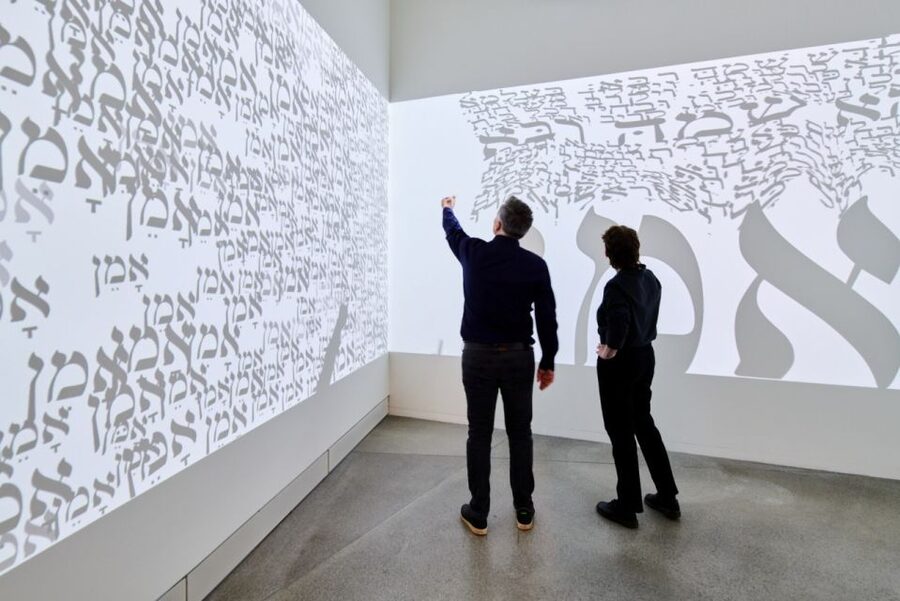
The museum also uses audio and interactive stations to slow you down. It’s not all text heavy. You’ll get moments where sound or video carries the weight, and those are often easier to process than reading alone.
Special exhibitions: Salman Schocken and Jewish Women and Design
If you want your visit to feel less like a single, set path, the special exhibitions are where that flexibility shows up.
Inventories: The Legacy of Salman Schocken (free; listed July 11 to Nov 23, 2025)
This exhibition is centered on Salman Schocken, described as a publisher and department-store entrepreneur. It’s written and guided through the eyes of author Joshua Cohen, who looks at Schocken’s cultural legacy using books and objects from the museum’s collections.
Even if you’re not deeply familiar with Schocken, the bigger idea lands: how culture moves through publishing, retail, collecting, and institutions like museums. It’s also a reminder that “belonging” isn’t automatic. It’s something people build—and fight for.
Admission to this exhibition is free, and that makes it a high-value stop if your dates line up.
Defiance: Jewish Women and Design in the Modern Era
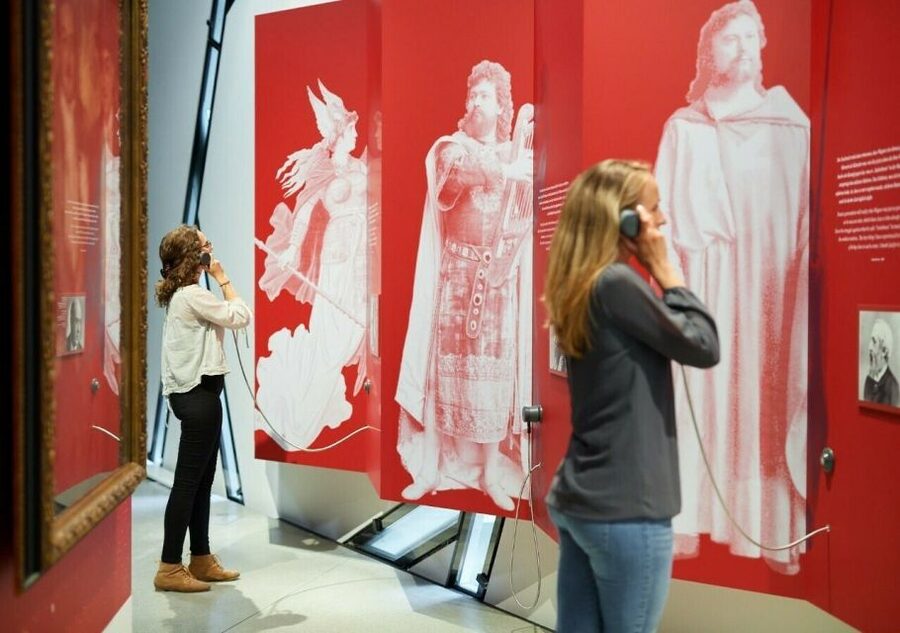
This exhibition focuses on the role of Jewish women designers in German society’s push toward emancipation and modernization in the early 20th century. It highlights a group of more than sixty designers and positions the show as a first of its kind in this collective theme.
The emotional weight is real. Many careers were cut short or erased by the Nazi regime. The museum works to restore visibility, emphasizing the designers’ artistic and entrepreneurial achievements rather than leaving them as footnotes.
You’ll also see a wide mix of techniques, including goldsmithing and textiles, plus ceramics and wood carving, along with fashion design and graphics. That variety makes the exhibition feel like a lived craft world, not just a list of names.
For this exhibition, the museum recommends bringing your own headphones for the best experience, which is a good general rule for the whole building.
Practical tips that save time: tickets, headphones, lockers, and wayfinding
This is one of the few major Berlin museums where you should feel good about showing up with a simple plan. Your ticket helps you skip the ticket line, and the museum includes a free download of the JMP app.
Headphones are where most people gain time. The museum explicitly recommends them for an optimal experience, and you’ll use them with audio and installation content. If you forget, you might still be able to solve it on site, but it’s smarter to bring your own so you can start listening without delays.
Lockers and coins
Bring small change. One review notes you’ll need euro coins to store big bags in lockers, and there’s also a coin-operated compressor machine inside. If you’re traveling with a larger day bag, plan ahead so you don’t get stuck rummaging later.
Signposting can be imperfect
A few people call out that the museum can feel confusing to navigate, with signage that doesn’t always help you spot every room quickly. My advice is to commit to the floor plan early and decide what you will not skip (Holocaust Tower, Memory Void/Shalekhet, and the main cultural timeline). If you leave that decision until halfway through, you’ll run out of time when the museum closes.
Make it a smart Berlin day: add Berlinische Galerie with your ticket
The museum sits in Berlin-Kreuzberg, and it’s an easy walk from Checkpoint Charlie. That’s useful because you can pair this museum with other Central Berlin sights without wasting time on transit.
There’s also a nice ticket bonus. With your Jewish Museum Berlin ticket, you’re eligible for reduced-rate admission to the Berlinische Galerie on the day of your visit and the two following days. The walk is short, about five minutes.
If you like modern and contemporary art, that’s a natural add-on. It can also help your brain shift gears after the heavier rooms in the Jewish Museum Berlin.
Who should book this, and who should plan differently
This is a great fit if you want one of Berlin’s most important cultural stops and you care about how history is told. It’s also excellent for architecture lovers. Even if exhibitions are not your top priority, many people say the building itself justifies the visit.
It may not be your ideal choice if you’re trying to keep things light that day. This museum includes some very hard material, and the Holocaust Tower is designed to hit emotionally. One review even points out that it can feel quite depressive. That doesn’t make it wrong. It just means you should go with the right expectations and space afterward.
Because there are steps and some uphill walking, you’ll also want to plan for pace if you have mobility limits. Wheelchair access is listed as available, but you’ll still want to follow your comfort level room by room.
Should you book this ticket?
Yes, I think you should book it. For one reason, it’s free and it comes with real value: a major museum, a strong architecture-driven experience, and a free JMP app download. And because the museum recommends headphones, you can turn audio/interactive content into a more coherent story fast.
Do book it if you can spare about 2 hours before the 6pm close. Don’t book it if you’re not ready for emotionally intense spaces or if you can’t handle a layout that might require a little patience to navigate.
If you want one essential Berlin experience that mixes history, design, and culture in the same place, this is one of the easiest yes-calls you can make.
FAQ
How much does the Jewish Museum Berlin entrance ticket cost?
The price listed is $0.00 per person, and the entrance fee is included.
How long should I plan for my visit?
The average visit takes about 2 hours.
What are the opening hours?
The museum is open from 10am to 6pm, and it closes at 6pm.
Does this ticket help me avoid waiting in line?
Yes. This option is listed as skipping the ticket line.
Do I need headphones?
You should bring your own headphones. The museum recommends headphones for an optimal exhibition experience.
Is the museum wheelchair accessible?
Yes, wheelchair accessibility is listed.
Where is the museum, and can I combine it with another site?
It’s in Berlin-Kreuzberg and is within walking distance of Checkpoint Charlie. With your ticket, you’re eligible for reduced-rate admission to Berlinische Galerie on the day of your visit and the two following days, which is about a 5-minute walk away.
Is a guided tour included with the ticket?
No. A guided/audio tour is listed as not included, though the ticket includes a free download of the JMP app.
Is the ticket refundable?
No. The activity is non-refundable.