REVIEW · LIMA
From Lima: Pachacamac Inka Pyramids & The Larco Museum Tour
Book on GetYourGuide →Operated by Cusco Highlights Tours · Bookable on GetYourGuide
Two sites, one clear thread of ancient Peru. You’ll pair the Pachacamac religious complex on the coast with a guided visit to the Larco Museum, where an 18th-century mansion turns 5,000 years of artifacts into an easy story to follow. I like the way this tour mixes big architecture (pyramids and temples) with hands-on details like jewelry, pottery, metals, and textiles—so you don’t just see ruins, you understand what people made and why.
Two things I really like: the guided pacing at both stops (so you’re not wandering with no context) and the convenience of skip-the-line entry plus hotel pickup in several Lima neighborhoods. One thing to consider is the time crunch: you’ll have a 1.5-hour lunch break, but meals aren’t included, and if you’re far from Miraflores/Barranco/San Isidro/Lima Center, pickup changes to a meeting point.
In This Review
- Key things to know before you go
- Why Pachacamac and the Larco Museum work so well together
- Pickup, timing, and how the 8 hours add up in real life
- Pachacamac: walking through a coastal religious hub that predates the Inca
- Larco Museum in an 18th-century mansion: 5,000 years in 45,000 objects
- Lunch in the middle: 1.5 hours, no meals included
- Price and value: does $78 make sense for Lima?
- Who should book this tour (and who should skip it)
- Tips to make Pachacamac and the Larco Museum feel easy
- Should you book this Lima history tour?
- FAQ
- How long is the Lima Pachacamac and Larco Museum tour?
- What is included in the $78 price?
- Are meals included?
- Where does pickup happen?
- Are tickets handled for me?
- What language is the guide?
Key things to know before you go
- Skip-the-line entry at both stops via a separate entrance
- Pachacamac’s layered past: religious center with buildings dating from around 200 AD onward
- Sun-dedicated Inca pyramids plus architecture designed with tight precision
- Larco Museum in a restored 18th-century mansion with 45,000 archaeological objects
- 1.5-hour lunch break with restaurant suggestions (but no meals included)
- English/Spanish live guide, with guides who have a track record of going the extra mile (example: Sandy)
Why Pachacamac and the Larco Museum work so well together
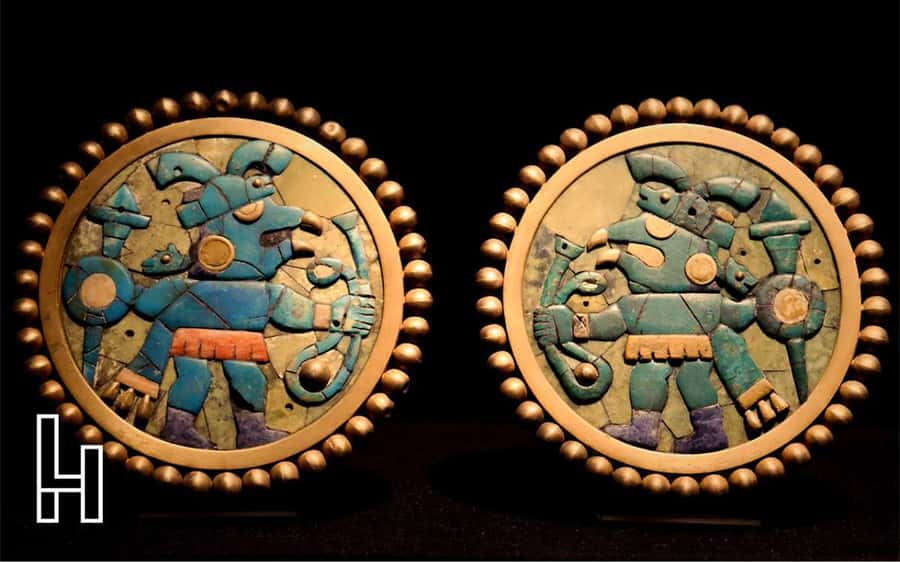
This tour is smart because it avoids the usual problem: seeing ruins without context, or seeing museum objects without knowing the people behind them. At Pachacamac, you’re walking through a religious landscape that mattered for centuries. Then the Larco Museum helps you connect what you saw outside to the real evidence inside—especially artwork you can actually study up close.
You’ll also get a more balanced view of Peru’s ancient timeline. Pachacamac isn’t just an Inca stop; it’s described as having buildings tied to different kingdoms since around 200 AD. That makes the site feel layered, like a long-running coastal “holy place,” not a single moment frozen in time.
You can also read our reviews of more museum experiences in Lima


Pickup, timing, and how the 8 hours add up in real life
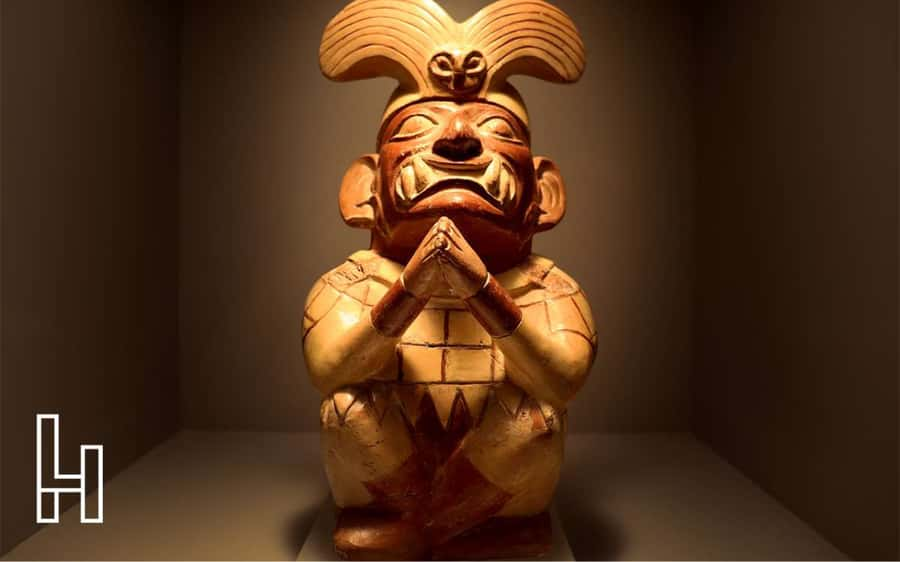
The tour runs about 8 hours, using an air-conditioned vehicle, which is a big deal in Lima. You’re also getting hotel or apartment pickup and drop-off—but only from Miraflores, Barranco, San Isidro, or Lima Center. If you’re staying outside those areas, you’ll start from a meeting point in Miraflores, so plan your morning accordingly.
Inside the day, the rhythm is straightforward. You’ll head to Pachacamac first for the guided archaeological visit, then break for lunch around midday with a 1 hour 30 minutes window. After that, you’ll tour the Larco Museum with a guide. The overall structure is built for people who want depth but still need it to stay comfortable in one day.
One logistics note worth caring about: no luggage or large bags are allowed. That means you should travel light, or at least pack in a way that doesn’t turn the museum day into a hassle.
Pachacamac: walking through a coastal religious hub that predates the Inca
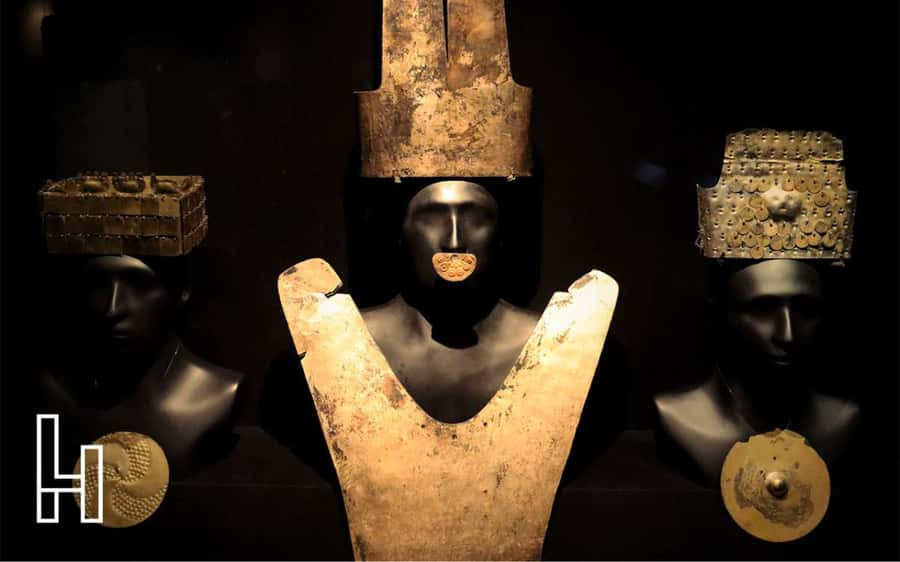
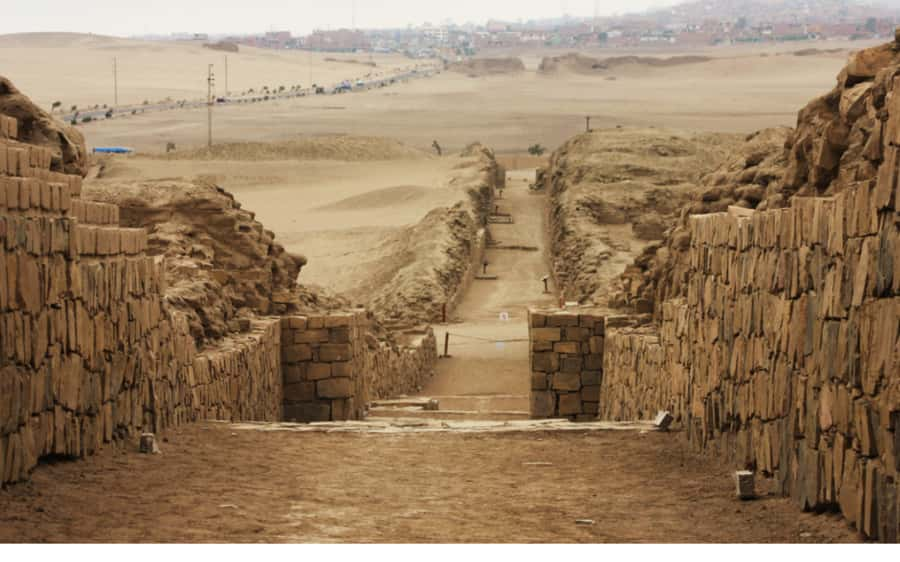
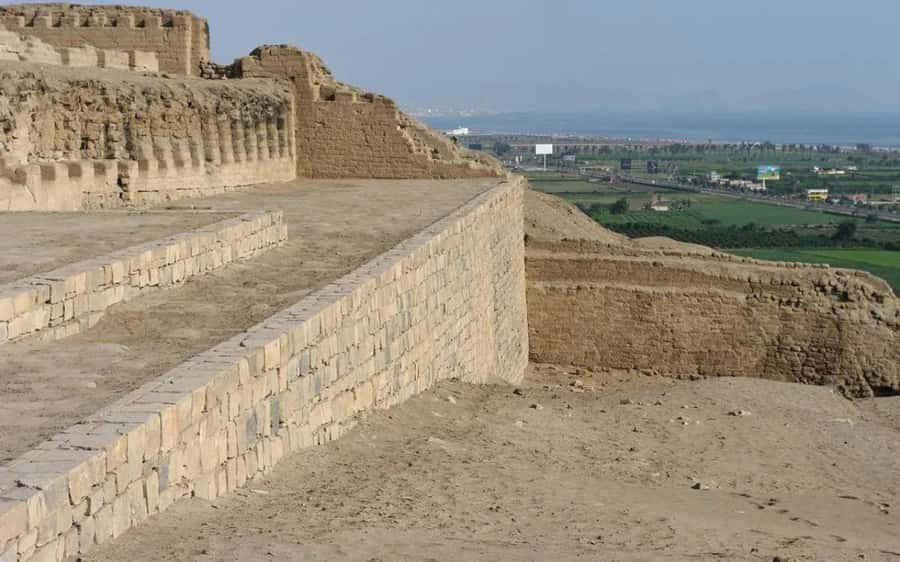
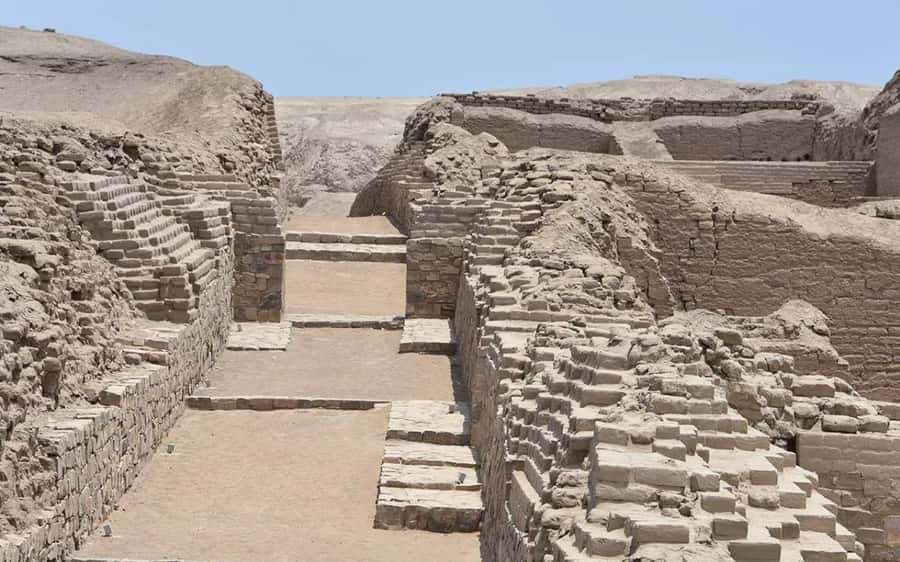
Pachacamac is one of those places where the scale hits you fast. It’s described as one of the largest religious centers in ancient Inca times on the Peruvian coast, and it’s not just one pyramid you visit and leave. You’re there to understand a whole compound—religious spaces made to serve belief, ritual, and power.
Here’s what makes the visit special. The site includes structures connected to different kingdoms dating back since around 200 AD, and then the Incas built majestic pyramids dedicated to the Sun. A good guide makes that sequence click. You start to see how later rulers didn’t erase the past; they added their own symbols and built on a place that already had spiritual weight.
The architecture is also worth slowing down for. The tour frames it around architectural precision, and when you look carefully, you begin to notice how the complex is arranged to impress and guide movement through sacred space. Even if you’re not a “ruins person,” the guided explanations help you treat it like a living system, not scattered stones.
Photo tip: if you like pictures, the pyramids and temple areas give you strong angles, but you’ll do better if you’re ready to move steadily with the group. This is not a long, slow roaming day.
Larco Museum in an 18th-century mansion: 5,000 years in 45,000 objects
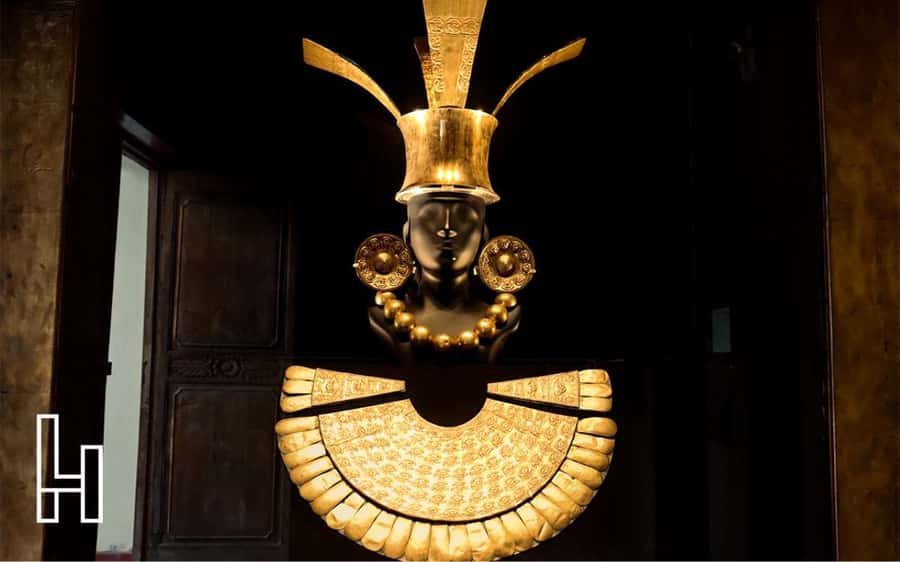
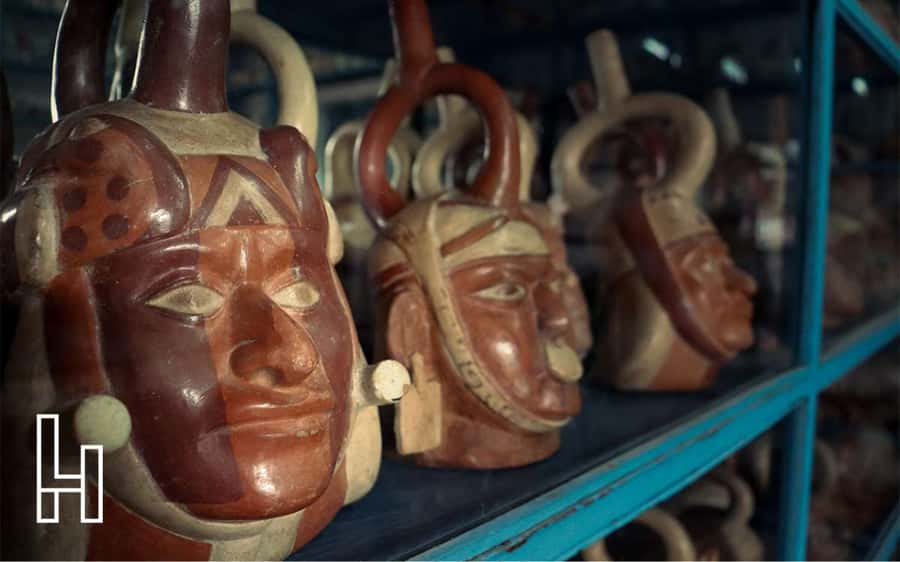
After Pachacamac, the Larco Museum gives you the other half of the story: what people actually used, wore, and crafted. It’s set in a magnificently adapted and restored 18th-century mansion, which matters because it keeps the museum from feeling like a cold storage room. The setting helps you imagine daily life and status—especially when you’re looking at fine metalwork and decorated textiles.
The collection is described as covering 5,000 years of ancient Peruvian history, with about 45,000 archaeological objects. That’s a huge number, so the guide’s job is key: they help you focus on what’s most meaningful and how the pieces connect across time. You can expect categories like jewelry (including gold, silver, copper, and precious stones), plus pottery, metals, and textiles.
One reason this museum stop lands for many people is the variety. It’s not only about art. It’s about technology and culture—how materials were shaped, what counted as valuable, and how craftsmanship shows identity. If you like seeing everyday signals of status and belief, you’ll probably enjoy how the objects make history feel concrete.
In at least some departures, groups are led by guides such as Sandy, and that can make a difference. People have praised how she explains details clearly and even tries hard to communicate across language barriers (for example, putting effort into Portuguese when needed). That kind of effort can turn a standard museum visit into one where you actually leave understanding what you saw.
Lunch in the middle: 1.5 hours, no meals included
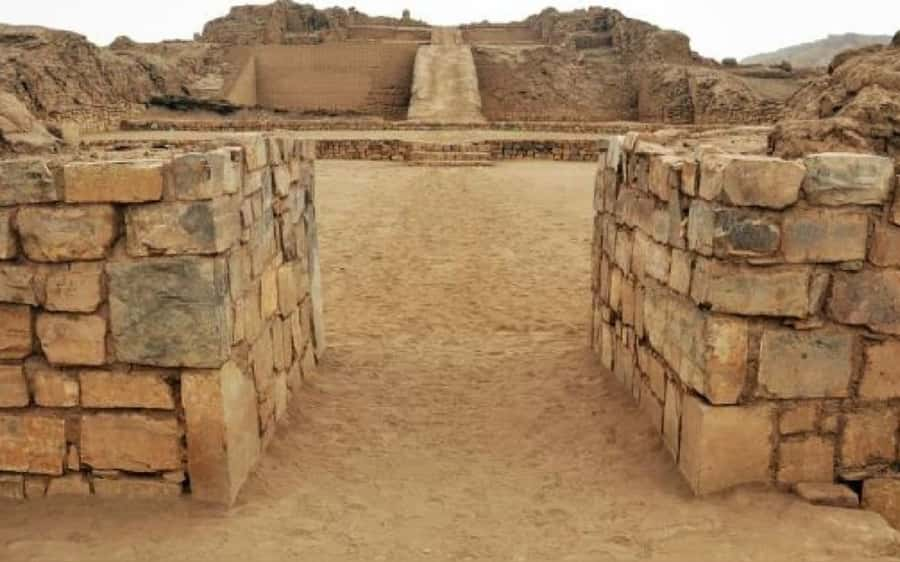
This tour gives you a break of 1 hour 30 minutes for lunch, and the operator plans to recommend local restaurants. Meals aren’t included, so you’ll need to choose what fits your budget and hunger level.
A practical way to handle this: decide early whether you want something quick or a proper sit-down meal. With only 1.5 hours, a long wait can steal your afternoon museum time. Also, one caution from prior experiences on similar days: a recommended restaurant can be a bit pricey, so use the suggestion as a shortlist, not a requirement.
If you’re sensitive to timing, bring water and be ready to return on schedule. Museum days reward calm walking, and rushing right after lunch usually makes it harder to focus.

Price and value: does $78 make sense for Lima?
At $78 per person for an 8-hour, guided, round-trip tour with entrance tickets, it’s priced like a “real experience” day, not a cheap transfer. You’re paying for several pieces that add up on your own: hotel pickup and drop-off within set neighborhoods, an air-conditioned vehicle, a local English-speaking guide, guided time at Pachacamac and the Larco Museum, and all entrance tickets.
The value becomes clearer when you compare what you’d likely do independently. If you tried to DIY, you’d still need timed entry (or you’d waste time figuring it out), transportation across Lima, and someone to interpret what you’re looking at. Here, the tour bundles the hard parts together, and the skip-the-line detail helps protect your schedule.
Could it be expensive if you’re only into one stop? Yes. But if you want both—coastal sacred ruins plus a museum that explains the wider ancient world—this price is easier to justify.
Who should book this tour (and who should skip it)
This is best for you if you want a well-paced history day that’s guided from start to finish. You’ll like it if you care about understanding the “why” behind monuments, not only seeing the “what.” The combination of Inca-era religious pyramids at Pachacamac and the Larco Museum’s huge collection works especially well for first-timers to Lima’s ancient Peru offerings.
It may be less ideal if you:
- need wheelchair access (the tour is listed as not suitable for wheelchair users)
- travel with large bags or luggage, since that isn’t allowed
- hate group pacing, because both stops are guided and move with the schedule
Language comfort matters too. The tour operates with English and Spanish live guiding, and that’s usually fine. But if your comfort level depends on very specific phrasing, choose the language you’re most fluent in.
Tips to make Pachacamac and the Larco Museum feel easy
Keep it simple and you’ll enjoy the day more.
Bring comfortable clothes, especially because you’ll be outside at Pachacamac and then inside at the Larco Museum. Wear shoes you can walk in without thinking too much. Also, remember the rule: no luggage or large bags.
Plan around pickup. If you’re in Miraflores, Barranco, San Isidro, or Lima Center, you’ll get pickup and drop-off. If you’re elsewhere, you’ll meet in Miraflores, so don’t assume you’ll be picked up at your door.
Finally, if you’re the type who likes to ask questions, this tour format is good for that. Live guides are there to explain customs, traditions, and the connections between pre-Inca and Inca periods—so you can spend your energy learning instead of guessing.
Should you book this Lima history tour?
You should book this tour if you want one day in Lima that covers both sides of ancient Peru: the monumental religious site at Pachacamac and the object-filled clarity of the Larco Museum. The price makes sense for what you get—transport, expert guidance, skip-the-line entry, and entrance tickets—so you’re not paying just for sightseeing.
I’d skip it only if you’re traveling with luggage you can’t store comfortably, you need wheelchair accessibility, or you only want one of the two stops. Otherwise, this is a strong choice for a first visit to Lima’s ancient world, especially if you like your history with clear explanations and a museum stop that helps you translate ruins into real people’s culture.
FAQ
How long is the Lima Pachacamac and Larco Museum tour?
The tour is listed as 8 hours.
What is included in the $78 price?
It includes hotel or apartment pickup and drop-off (from select Lima areas), an air-conditioned vehicle, a local English-speaking guide, guided tours at Pachacamac and the Larco Museum, and all entrance tickets.
Are meals included?
No. Lunch is not included, though there is a 1 hour 30 minutes break for lunch, and the guide will recommend local restaurants.
Where does pickup happen?
Pickup and drop-off are included only from Miraflores, Barranco, San Isidro, or Lima Center. If you’re staying outside these areas, you’ll start from a meeting point in Miraflores.
Are tickets handled for me?
Yes. The tour includes all entrance tickets, and you can skip the line through a separate entrance.
What language is the guide?
The live tour guide works in English and Spanish.