REVIEW · FRENCH RIVIERA
Entrance ticket to the Escoffier Culinary Art Museum
Book on Viator →Operated by Musée Escoffier de l'Art Culinaire · Bookable on Viator
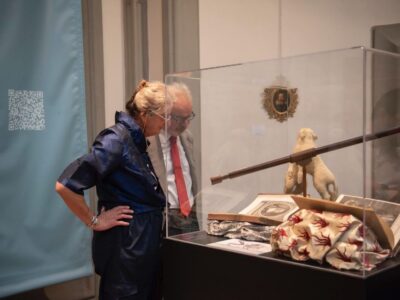
Food history, served on a small plate. The Musée Escoffier de l’Art Culinaire turns French cooking into a real museum experience, inside the chef’s birthplace home in Villeneuve-Loubet. You’ll walk through ten exhibition rooms over about 300 m², mixing personal objects, old kitchen gear, and even sugar and chocolate sculptures.
What I like most is how focused it is. The visit is timed at about 45 minutes, so it feels doable even when your day is packed. I also appreciate the museum’s care and the friendly vibe in the rooms, including staff who genuinely help you make sense of what you’re looking at. One thing to consider: there’s no mention of an included audioguide, so if you rely on extra narration, plan around that.
In This Review
- Key things to know before you go
- Escoffier in Villeneuve-Loubet: what you’re really paying for
- Ten exhibition rooms in 45 minutes: how the visit flows
- Inside the birthplace house: why the setting matters
- The collections you’ll actually see (and how to “read” them)
- Personal objects and souvenirs tied to Escoffier
- Old kitchen furniture and equipment
- Menus (the underrated storytelling device)
- Sugar and chocolate sculptures
- The yearly temporary exhibition: what changes with your date
- Practical timing: opening hours, ticket style, and what to wear
- Value check: is $8.47 worth it?
- Who should book this museum (and who might skip it)
- Should you book the Escoffier Culinary Art Museum?
- FAQ
- What is included with the ticket?
- How long does the visit take?
- Where is the museum located and what’s the general area like?
- What are the opening hours?
- Is there a mobile ticket?
- Is the museum ever closed during the year?
Key things to know before you go
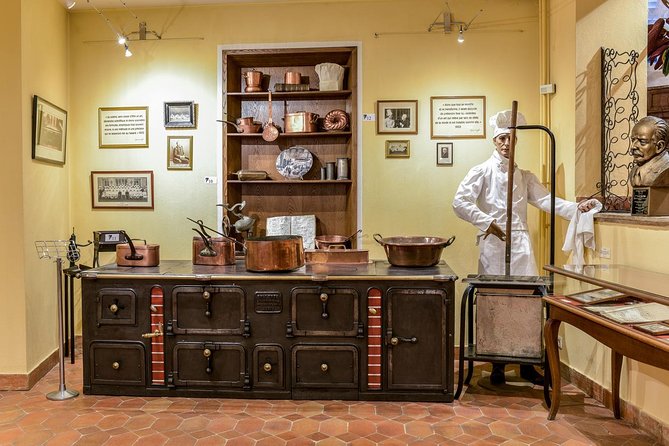
- Escoffier’s birthplace house: You’re touring an 18th-century Provencal setting tied to Auguste Escoffier.
- Ten rooms, not one hallway: The museum spreads exhibits across 300 m².
- Short and sweet timing: The experience runs about 45 minutes, which helps you fit it in.
- Food as art, not just artifacts: Expect kitchen furniture, menus, and sugar and chocolate sculptures.
- A changing theme each year: There’s a temporary exhibition that follows a specific yearly theme.
- Mobile ticket entry: You should be able to go straight to your entry without fussing with printouts.
Escoffier in Villeneuve-Loubet: what you’re really paying for
For $8.47 per person, you’re not buying a “quick photo stop.” You’re buying a compact tour through a serious collection about one of France’s biggest culinary names. Auguste Escoffier is treated here as more than a historical footnote—he’s described as humanist, inventive, and visionary, and the museum frames him as a master who still shapes chefs today.
This matters because the museum is built to be understood in layers. The rooms mix personal objects and memorabilia with physical ideas of cooking—tools, menus, and food crafted into sculpture. Even if you’re not a gastronomy nerd, you’ll get the point: French cooking isn’t only recipes. It’s craft, culture, and design.
The other practical win is the time. At around 45 minutes, you can include this without turning your day into a sprint. That’s good value for your schedule, not just your wallet.
Ten exhibition rooms in 45 minutes: how the visit flows
The museum is laid out across ten exhibition rooms. That sounds like a lot, but the layout and pacing are clearly meant for a short visit. In practice, that means you’re seeing a curated slice rather than trying to read every label like it’s a university library.
Here’s what to expect as you move room to room:
- You’ll get multiple “formats” of information—personal items, kitchen-related artifacts, and food-themed artwork.
- The museum’s physical size is manageable—about 300 m² total—so you can keep your attention without feeling trapped.
- A temporary exhibition runs each year, so your visit may include something themed that’s different from what someone else saw last season.
If you’re the type who likes to wander slowly, you can still do that. Just keep in mind the museum is likely designed for a short, satisfying circuit. If you linger too long in one room, you may end up rushing to finish before you want to.
Inside the birthplace house: why the setting matters
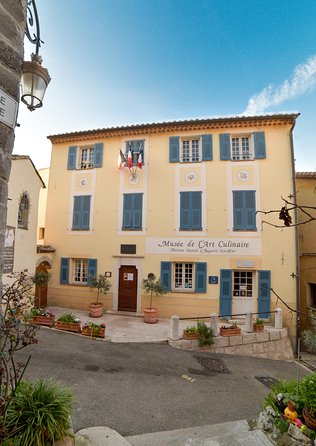
The museum is housed in the birthplace of Auguste Escoffier, in an 18th-century Provencal house. That’s not just architectural trivia. When a culinary museum sits in the chef’s own origin story, the objects feel more grounded. You’re not only viewing what he made—you’re standing in the kind of world that shaped him.
The house also creates a natural rhythm: you’re transitioning between rooms that once served as part of lived space. That makes the exhibits feel less like a warehouse of curiosities and more like a guided walk through a life.
This is especially useful if you’re visiting with mixed interests—maybe someone who loves food history and someone who mostly wants atmosphere. The setting gives both people something to engage with.
The collections you’ll actually see (and how to “read” them)
This museum has several standout exhibit types. You’ll likely notice them quickly because they’re visual and physical, not just text-heavy.
Personal objects and souvenirs tied to Escoffier
The museum includes souvenirs and personal objects of Auguste Escoffier. These are often the pieces that help you connect the dots. When you see items connected to the person behind the fame, the rest of the exhibits stop feeling like abstract history and start feeling like the real work of a real career.
Old kitchen furniture and equipment
There’s also kitchen furniture of yesteryear. This is where the museum becomes practical for non-experts. Even if you don’t know every tool name, you can still “read” what they represent: how kitchens were built, how work was arranged, and how cooking was done before modern shortcuts.
If you’re into photography or visual design, this section can give you great angles—kitchen objects are often more photogenic than you’d expect.
Menus (the underrated storytelling device)
The museum has an impressive collection of menus. Menus are a clever exhibit topic because they show style, technique, and culture all at once. You’re looking at food through the lens of service—what was offered, how it was described, and how dining presented itself as an experience.
For many people, menus turn “culinary art” from an idea into something concrete. It’s easy to glance at a dish. It’s harder, but more satisfying, to see how a dish was framed for a dining room.
Sugar and chocolate sculptures
One of the most memorable features is magnificent sugar and chocolate sculptures. These works make the point that culinary technique isn’t limited to taste. It can also be craft, structure, and presentation—almost like edible sculpture.
If you like art museums, you’ll probably enjoy this more than you expect. And if you’re more of a food person, this part shows you the visual discipline behind pastry and confectionery traditions.
The yearly temporary exhibition: what changes with your date
Each year, a temporary exhibition is dedicated to a particular theme. This is important because it means you’re not guaranteed the same experience as someone else who visited at another time.
So how should you handle that as a planner? Treat it as a bonus layer. The core museum content is the Escoffier story and the consistent collection style, but the temporary part gives your visit a unique stamp.
If you’re scheduling around a specific theme you heard about elsewhere, the museum’s current-year offering would be the deciding factor. If not, don’t worry—you still have plenty to see.
Practical timing: opening hours, ticket style, and what to wear
Opening hours run 10:00 AM–1:00 PM and 2:00 PM–6:00 PM, Monday through Sunday. The museum operates on a long daily window, which makes it easier to fit in with other stops on the French Riviera.
A few practical notes:
- You’ll use a mobile ticket, which is convenient if you’re traveling light or juggling multiple reservations.
- The museum is listed as near public transportation, so you’re not forced into a car-only plan.
- It’s flagged for moderate physical fitness, which likely means you should be comfortable moving around indoor rooms and corridors without expecting total flat ease everywhere.
What to wear? Regular walking shoes are smart. Even though this isn’t an outdoor hike, museums can involve plenty of standing, turning, and slow pacing.
Also keep the year-round reality in mind: the museum has an annual closure from December 1, 2025 to January 8, 2026 inclusive. If your travel overlaps those dates, you’ll want an alternate activity.
Value check: is $8.47 worth it?
At $8.47 per person, this is priced like an affordable ticket to a compact cultural site. The value comes from three things:
- A full museum experience, not a teaser
Ten rooms and around 45 minutes means you get a complete circuit.
- High visual payoff per minute
Sugar and chocolate sculptures, menu displays, and old kitchen furniture are the kind of exhibits that reward quick attention. You don’t need to be an expert to find meaning.
- One clear theme, done well
Instead of a broad general museum, you get a tight focus on French gastronomy and Auguste Escoffier’s legacy. That focus makes the ticket feel “aimed” at your time.
If you’re someone who only likes massive museums, you might find the scale small. But if you want a satisfying, easy-to-fit visit about food culture, this price is friendly.
Who should book this museum (and who might skip it)
This is a great pick if you:
- love food culture and want it shown in a visual, hands-on way
- like short museum visits that don’t eat your whole afternoon
- enjoy art in unexpected formats—especially edible sculpture like sugar and chocolate works
- want a focused stop in the French Riviera that isn’t just beaches and viewpoints
You might skip or rethink if you:
- only want long, deep, label-heavy exhibitions (this is designed for a shorter visit)
- strongly prefer an included audioguide. An audioguide is listed as not included, so plan accordingly if you rely on audio explanations.
Should you book the Escoffier Culinary Art Museum?
Yes—if you want a short, good-value museum stop that feels genuinely French and visual. The big reasons to book are simple: the setting in Escoffier’s birthplace, the friendly staff and well-kept museum feel, and the mix of objects you can actually picture—menus, old kitchen gear, and sugar and chocolate sculptures.
Book it when you have about an hour of breathing room. Go in ready to look. Don’t try to read every label. Let the rooms do what they’re built to do: turn culinary history into something you can see, understand fast, and remember later.
FAQ
What is included with the ticket?
The entrance ticket to the Musée Escoffier de l’Art Culinaire is included. An audioguide rental is not included.
How long does the visit take?
The experience is listed as about 45 minutes.
Where is the museum located and what’s the general area like?
It’s in the French Riviera, France, in the village of Villeneuve-Loubet.
What are the opening hours?
Open hours are 10:00 AM–1:00 PM and 2:00 PM–6:00 PM, Monday through Sunday.
Is there a mobile ticket?
Yes. The ticket is described as a mobile ticket.
Is the museum ever closed during the year?
Yes. The museum has an annual closure from December 1, 2025 to January 8, 2026 inclusive.