
REVIEW · EGYPTIAN MUSEUM OF ANTIQUITIES
Cairo: Egyptian Museum of Antiquities online QR Ticket
Book on GetYourGuide →Operated by FTS Travels · Bookable on GetYourGuide
King Tut hits faster with a QR ticket. I love the skip-the-line access and the King Tut artifacts that frame the whole visit. You’re not wasting energy figuring out ticket windows; you’re choosing what to see first inside.
The QR system is the real value here. You’ll get an authorized QR code from the supplier the day before, then you just show it for scanning at entry (after any security check). One key drawback: this is not a guided experience, so plan to spend time reading labels or bring your own guide if you want deeper explanations.
In This Review
- Key things to know before you buy
- QR tickets that actually get you in (and the common pitfall)
- Where the museum visit starts: meeting point and real-world entry flow
- Timing in Cairo: beat the opening crowd without rushing yourself
- The Tutankhamun collection: why this ticket’s center of gravity works
- Two huge levels: how to plan so you don’t just skim
- What you get for the money (and what you don’t)
- Practical tips for a smoother Egyptian Museum day
- Is this QR ticket worth booking, or should you gamble on the gate?
- FAQ
- FAQ
- Is the GetYourGuide QR confirmation the entrance ticket?
- When will I receive the QR code I need for entry?
- What do I need to bring to enter the Egyptian Museum?
- What are the museum hours and last admission time?
- Does this ticket include a guide?
- If I select hotel pickup, is it included in the ticket?
- What happens if my QR ticket isn’t valid at the entrance?
- Can I cancel and get a refund?
Key things to know before you buy
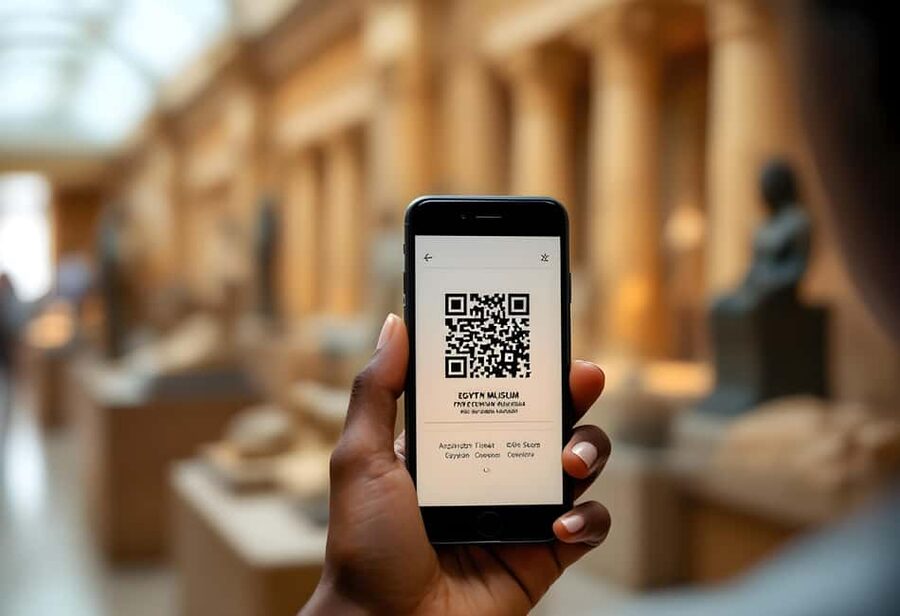
- Authorized QR ticket, not just a booking code: the supplier sends a Ministry-authorized QR the day before your visit.
- Tutankhamun section is the headliner: expect iconic finds like the golden death mask, thrones, and jewelry.
- Two huge levels of Egyptian Museum collections: you’re looking at 120,000+ items across many categories.
- Self-guided by design: no guide included, so your pace is entirely yours.
- Crowds can spike early: giving the opening rush about 30 minutes to settle can make entry smoother.
QR tickets that actually get you in (and the common pitfall)
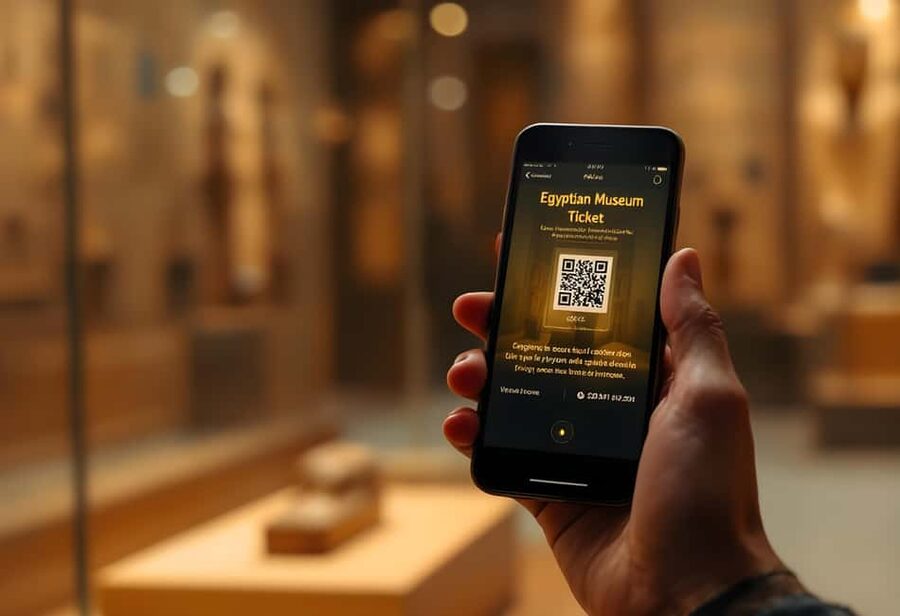
This ticket is built around a simple idea: don’t stand in line at the museum ticket booth if you’ve already sorted your entry. But the QR process has one important detail that can make or break your day—what counts as the real entrance ticket.
First, the QR GetYourGuide confirmation you receive right after booking is a booking confirmation. It does not work as an entrance ticket by itself. The supplier is supposed to send you a separate QR ticket authorized by the Ministry of Tourism one day before your visit. That’s the code you’ll need at the gate.
On the day of your visit, expect that you may go through a security check before entering. Then you present your QR code to staff, who scan it to grant access. If you hear that your ticket is not valid, don’t haggle or pay extra on the spot. Contact your supplier right away and do not make any additional payments.
This is why I think this package is worth considering. It reduces guesswork. Still, you’ll want to treat the process seriously: choose the correct dates before you confirm, and keep an eye on the QR delivery timing. Your QR won’t be valid if it’s already been scanned, tampered with, or has a past season date. (In other words: don’t screenshot-ransom your way into entry. Use the code you’re given.)
Practical tip: bring your passport or ID card. Visitors must show valid ID, and that’s on top of the QR scan.
Where the museum visit starts: meeting point and real-world entry flow
Your meeting point can vary depending on the option you book. If you choose hotel pickup and drop-off, you’ll be picked up and taken back after the museum visit. If not, you’ll meet at the designated point for your selected option, then return there afterward. The activity ends back at the meeting point.
Once you reach the museum area, your day becomes a chain of steps:
1) Security check (if required)
2) Staff scan your QR code
3) You enter and start choosing your route
That’s the end of the ticket service piece. After that, the museum does what big museums do: it gives you a lot of choice and a lot of walking.
The review-style lesson here is simple: the entry process can be fast if you’re ready, and slower if you arrive flustered. So I’d plan like this is a timed visit even if you’re not on a strict schedule. Have your QR code ready on your phone. Keep ID accessible. Wear shoes you can walk in for a while.
Timing in Cairo: beat the opening crowd without rushing yourself
The Egyptian Museum can feel packed early. One solid tip from real-world timing: crowds on opening can be insane, so it helps to plan a small buffer before you try to enter. A practical approach is to arrive and aim to go in about half an hour after the first wave starts moving.
Why? When doors open, everyone wants the same thing: photos, the biggest rooms first, and that Tutankhamun draw. If you time your entry slightly after the initial rush, you’ll usually get a smoother scan-in and an easier start.
Also, don’t forget the clock. The museum is open daily from 9:00 am to 5:00 pm, and last ticket admission is 4:00 PM. That matters because even if you’re inside later, you don’t want to show up late and get stuck doing a fast scan of rooms you actually wanted to see.
If you’re the type who likes time to linger, give yourself more than a quick hit. One short visit is common. A satisfying visit takes longer.
The Tutankhamun collection: why this ticket’s center of gravity works
Let’s talk about why people buy this in the first place. The Egyptian Museum’s Tutankhamun collection is the headline. This museum ticket package specifically mentions an exclusive section devoted to the young pharaoh, and that’s where your priorities should go if you only have limited time.
From the details here, you can expect artifacts linked to his tomb, including:
- the famous golden death mask
- thrones
- jewelry
- and numerous other finds from the tomb
Even if you’ve read about King Tut already, seeing these objects in person is a different kind of experience. They’re not just facts on a page. They’re scale, craft, and historical presence in physical form. This is also where the museum’s organization can help you: the Tutankhamun section gives you a clear anchor for your visit.
If you’re planning your route, I’d make a simple promise to yourself: see Tut first, then decide what else you want based on your energy. Because once you get into the wider collections—statues, mummies, papyrus, jewelry, and more—your eyes will want to keep going even when your legs ask for a break.
Two huge levels: how to plan so you don’t just skim
One of the best parts of the Egyptian Museum of Antiquities is that it’s not a tiny stop. You’re dealing with a collection that includes over 120,000 items. The museum covers a wide range of ancient Egyptian life and funerary culture, and the ticket’s structure is perfect for a self-paced route.
The information you’ll run into includes categories like:
- statues
- fossils
- paintings
- jewelry
- mummies
- papyrus scrolls
- plus a huge lineup of tomb treasures
The “two huge levels” detail matters more than it sounds. People often underestimate how quickly time evaporates when you’re moving between floors, re-orienting yourself, and reading labels. One practical warning from the experience details: a visit that feels short—like around two hours—might not match what the museum deserves. You might end up rushing through rooms you wanted to see slowly.
So here’s a strategy that works well for a self-guided ticket:
- Decide your must-sees (Tut first is the obvious one)
- Pick one theme after that (funerary items, everyday objects, royal portraits, written artifacts)
- Build in breaks where you can reset your focus
The museum is amazing. It’s also a lot. If you go in with a plan, the place feels easier to navigate and more satisfying.
What you get for the money (and what you don’t)
The price is $16 per person. That’s not just a ticket cost. It’s partly a trade: you pay to reduce waiting, reduce uncertainty, and increase your chance of walking into the museum with less hassle.
One review detail notes that it may be cheaper to buy on the gate, but the pre-booked option can still be worth it for peace of mind and ease of entrance. That’s exactly how I’d frame value. If you’re traveling on limited time, the savings on a ticket purchase can get swallowed by time spent in lines, stress, and last-minute scrambling.
Here’s what’s included:
- entrance ticket to the museum
- hotel pickup and drop-off if you selected that option
Here’s what’s not included:
- guide
- drinks
Also, note the guide angle directly: this is not presented as a guided museum visit. That’s great if you like wandering at your own pace. It’s not ideal if you want someone to explain how everything fits together without you doing the reading.
If you care about context, you can still make this work. Some people handle it by hiring an independent guide for the museum. That’s optional, and it’s a good move if you want deeper explanations of what you’re seeing in Tutankhamun’s section and how the larger collection is organized.
Practical tips for a smoother Egyptian Museum day
A successful museum visit in Cairo is mostly about small details you handle before you arrive.
Bring and wear:
- Passport or ID card (ID is required)
- comfortable shoes (you’ll walk)
- something to cool down if you’re sensitive to heat
Heat came up in the experience details: the museum can be warm. One helpful suggestion is to bring a fan if that’s your thing. Even if you don’t, plan for water breaks outside your main rooms.
Ticket readiness:
- Get your QR tickets from the supplier one day before your visit.
- Don’t assume the booking confirmation is the entrance ticket.
- Have your QR code ready to show when staff scan it.
Crowd handling:
- Don’t aim for the first seconds if you hate dense crowds. A small delay (around half an hour after opening rush starts) can make your entry easier.
Time management:
- If you only have a couple hours, focus on Tutankhamun first and then choose a smaller set of rooms.
- If you want to slow down and actually absorb things, extend your visit. The museum’s scale makes shorter visits feel rushed.
Administrative reality:
- Tickets are non-refundable, so pick your dates carefully.
- If something goes wrong at entry, contact your supplier immediately rather than paying extra.
Is this QR ticket worth booking, or should you gamble on the gate?

If your priority is a smooth entry, this is a solid choice. For me, the “worth it” case looks like this:
- You want to avoid the ticket booth line and reduce friction.
- You’re focused on the Tutankhamun section and want an easier start to your day.
- You’d rather spend a little extra for predictable access than risk delays.
The “maybe not” case is mainly about expectations:
- If you love guided storytelling, this isn’t built as a guided package.
- If you don’t like self-paced museum visits, you may spend more time figuring out where to go than enjoying the objects.
There’s also one reality-check point: the museum itself can be a bit unorganized in how it feels on the ground. The QR ticket handles access, not crowd flow inside rooms. And if you hear conflicting closing information from anyone, you should still anchor your plan to the stated museum hours: open 9:00 am to 5:00 pm, last ticket admission at 4:00 PM.
So should you book? If you’re coming for King Tut artifacts and you want a calmer entry, yes—book. If you’re planning to wander for a short time only, still book, but set a tight must-see list so you don’t feel like you got cheated by the size of the museum.
FAQ
FAQ
Is the GetYourGuide QR confirmation the entrance ticket?
No. The QR confirmation you get from GetYourGuide is only a booking confirmation. Your supplier sends a separate QR ticket authorized by the Ministry of Tourism one day before your visit.
When will I receive the QR code I need for entry?
You should receive the Ministry-authorized QR ticket from your supplier one day before your visit.
What do I need to bring to enter the Egyptian Museum?
You’ll need a passport or ID card, plus comfortable shoes for walking.
What are the museum hours and last admission time?
The museum is open daily from 9:00 am to 5:00 pm. Last ticket admission is at 4:00 PM.
Does this ticket include a guide?
No. A guide is not included, and this is not a guided museum experience.
If I select hotel pickup, is it included in the ticket?
Hotel pickup and drop-off are included only if you select that option.
What happens if my QR ticket isn’t valid at the entrance?
Contact your supplier immediately and do not make any additional payments if staff say the ticket isn’t valid.
Can I cancel and get a refund?
You can cancel up to 24 hours in advance for a full refund.