REVIEW · LA BOMBONERA
Buenos Aires: River Plate and Boca Juniors Museum Tour
Book on GetYourGuide →Operated by Tangol · Bookable on GetYourGuide
Football in Buenos Aires has a pulse. I love how this tour pairs real stadium atmosphere with museum storytelling, so La Bombonera and the Museo de la Pasión Boquense don’t feel like two random stops. You’ll get a guided, fan-focused route through Argentina’s biggest football obsession, with photo time and lots of context for what you’re seeing.
One important consideration: the Boca Juniors stadium part may be limited because the stadium is not operational due to renovations. If that’s the case for your booking, you’ll still visit the Boca museum, but without access to the pitch, changing rooms, and stands.
In This Review
- Key highlights you’ll care about
- From San Telmo to La Boca and La Bombonera’s big moments
- Boca Juniors Museum: Pasion Boquense and the feeling of matchday
- When Boca Stadium access is paused, plan for a museum-only experience
- Up to Nuñez for El Monumental and the River Plate world
- Inside the River Plate Museum: the temporal translation module
- Photo time, walking comfort, and how to get the most in 3–5 hours
- Guide quality makes or breaks football tours
- Price and value: why $103 can make sense
- Who should book this tour
- Should you book it?
- FAQ
- How long is the Buenos Aires River Plate and Boca Juniors Museum Tour?
- Where do I meet for the tour?
- What’s included in the tour price?
- Is food included?
- Can I visit the Boca Juniors stadium during the tour?
- Are the museums always both included?
- What languages is the tour guide available in?
- What should I bring, and can I bring luggage?
Key highlights you’ll care about
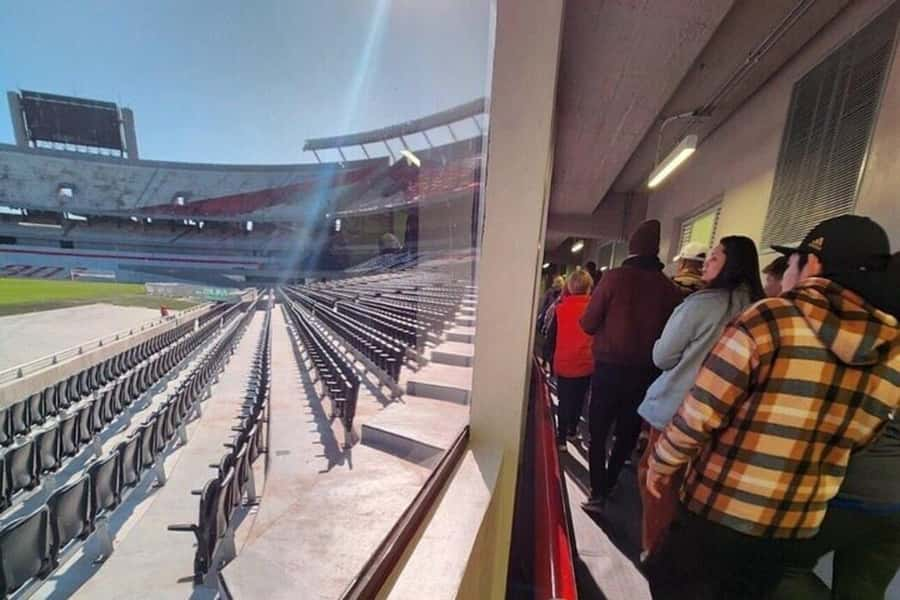
- Two-club Superclásico format: River Plate plus Boca Juniors, not just one team
- Museo de la Pasión Boquense film + shirt story: club history you can feel, not just read
- River Plate Museum’s temporal translation module: a guided, time-travel style way to follow major moments
- Stadium time in Nuñez: exterior views, then the museum and a chance to get on the field for photos
- Flexible ticket options: you either visit both museums or only one, depending on what you select
- Real guide energy: guides like Ariel and Martin are specifically praised for clear explanations and good pacing
From San Telmo to La Boca and La Bombonera’s big moments
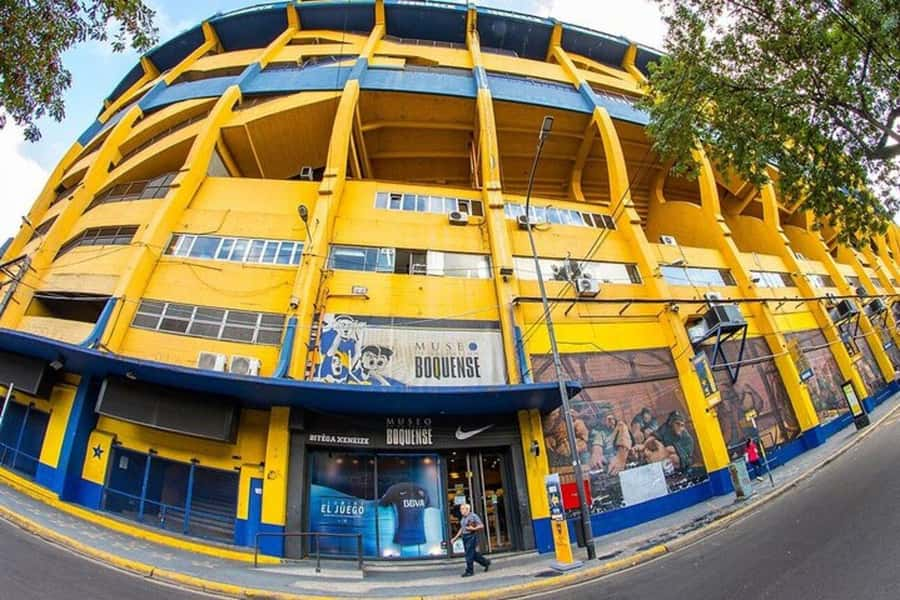
The tour starts in San Telmo, meeting at Tangol Travel Agency. From there, you head to La Boca, home to one of the most iconic football stadiums in Argentina: La Bombonera. Even before you step inside the stadium area (when access is available), you’ll get the sense that this is about more than architecture. It’s about identity—local pride, rivalries, and the way football runs on the same schedule as people’s lives.
What I like here is the order of operations. You see the stadium context first, then you move into the museums where the “why” becomes clear. That way, when you later learn about players, titles, and symbols like the famous shirt, it connects to something you already felt in the street.
If you’re the kind of person who likes your photos to mean something (not just “I was there”), this stop sets you up. You’ll also be guided to good photo opportunities, including the pitch area when stadium access is included.
Boca Juniors Museum: Pasion Boquense and the feeling of matchday
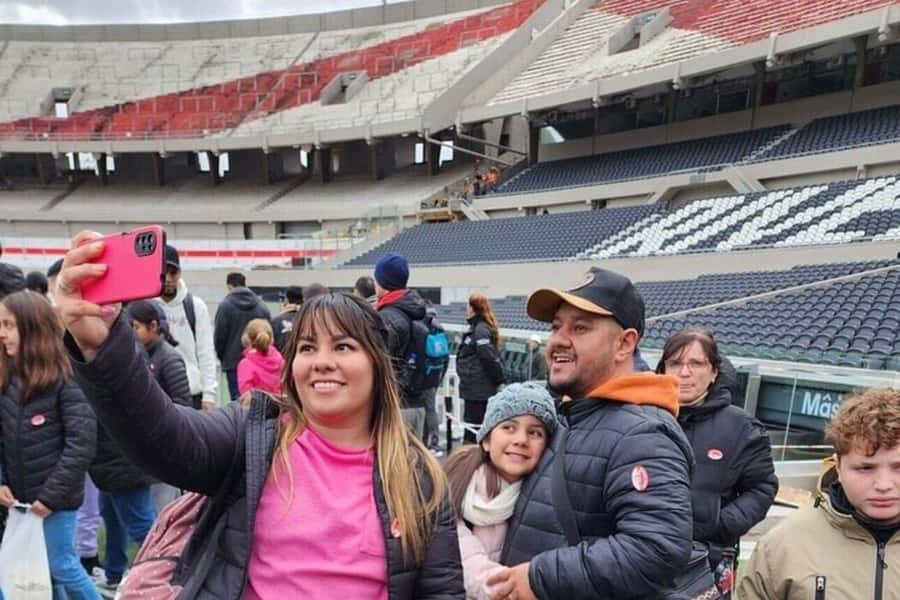
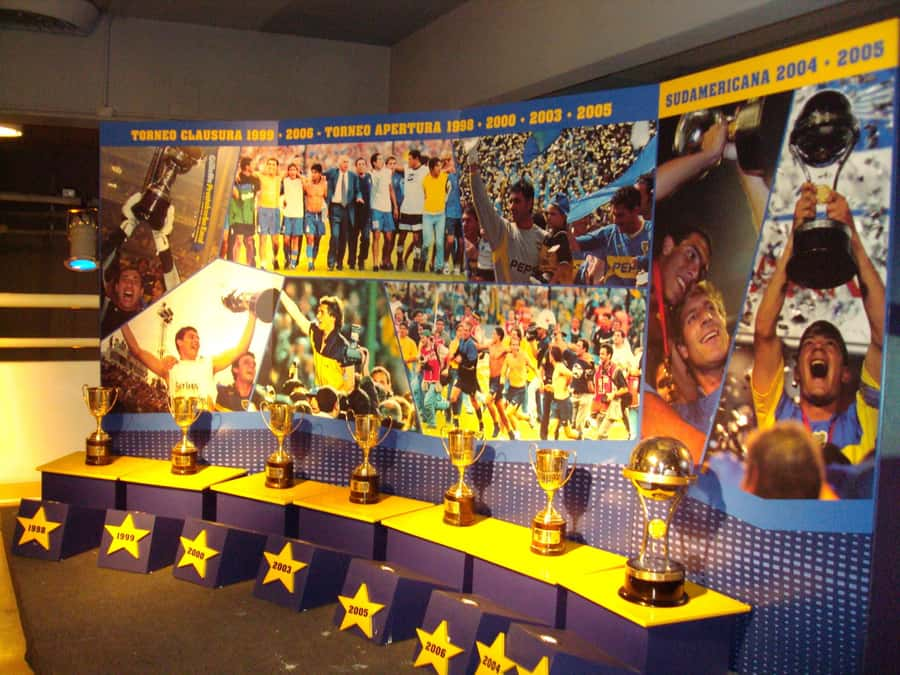
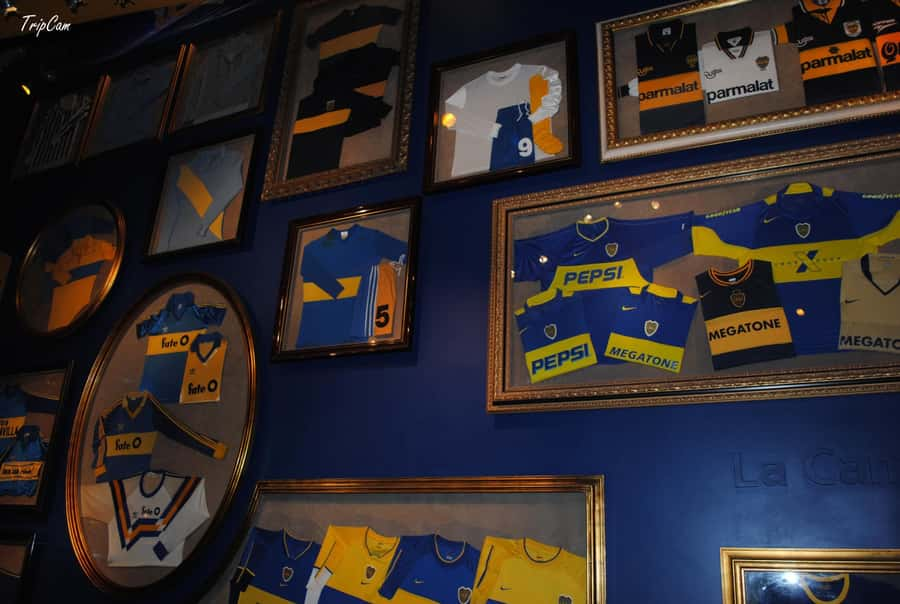
Next comes the Museo de la Pasión Boquense (often shortened to Pasion Boquense). This is where the tour turns from stadium visuals to story mode. You’ll learn about Boca’s history, the club’s players, and how the famous shirt evolved over time—plus interactive elements that make you feel closer to the fan experience.
One of the most memorable parts is the team film that recreates what it feels like to be part of the squad. The museum experience isn’t just “watch and move on.” It’s designed so you can picture yourself running out wearing the kit, even if you’re just a visitor and not a player.
For many football lovers, this museum is the perfect antidote to the usual museum problem: it can be hard to stay interested when you’re miles away from the emotion. Here, the emotion is the point. If you don’t know Boca’s full timeline yet, you’ll leave with names, eras, and symbols that make the rivalry easier to understand.
When Boca Stadium access is paused, plan for a museum-only experience
Here’s the part you should take seriously: the visit to the Boca Juniors stadium is not operational due to renovations. That means if you book during this period, you should expect only museum access—without entry to the field, changing rooms, and stands.
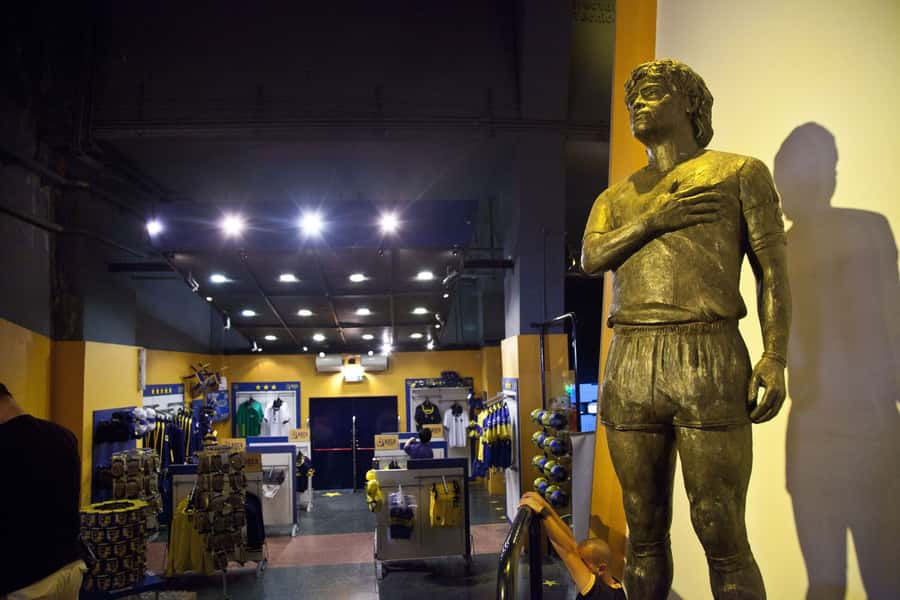
In the full version of the tour (when stadium access is available), you’d typically walk through popular areas of La Bombonera, check out locker rooms, take photos on the pitch, and finish from a stand where you can see Diego Maradona’s private box. But with the current renovation note, you shouldn’t count on those stadium moments being available on your date.
The upside: the museum still delivers the core Boca story. You’ll still get the film and interactive displays, and you’ll still come away understanding why the club’s symbols matter. The main difference is that you’ll trade the behind-the-scenes stadium access for more time with the museum’s matchday culture.
Up to Nuñez for El Monumental and the River Plate world
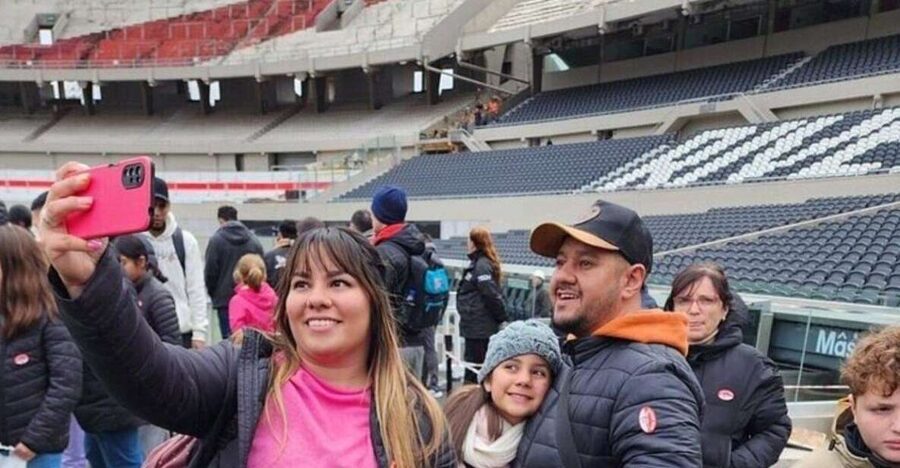
After Boca, the tour heads north to Nuñez, where El Monumental (River Plate’s stadium) sits. Before going inside, you’ll get exterior exploration—part of what’s sometimes called the Barrio River atmosphere—and time to orient yourself around access gates and the stadium’s setting.
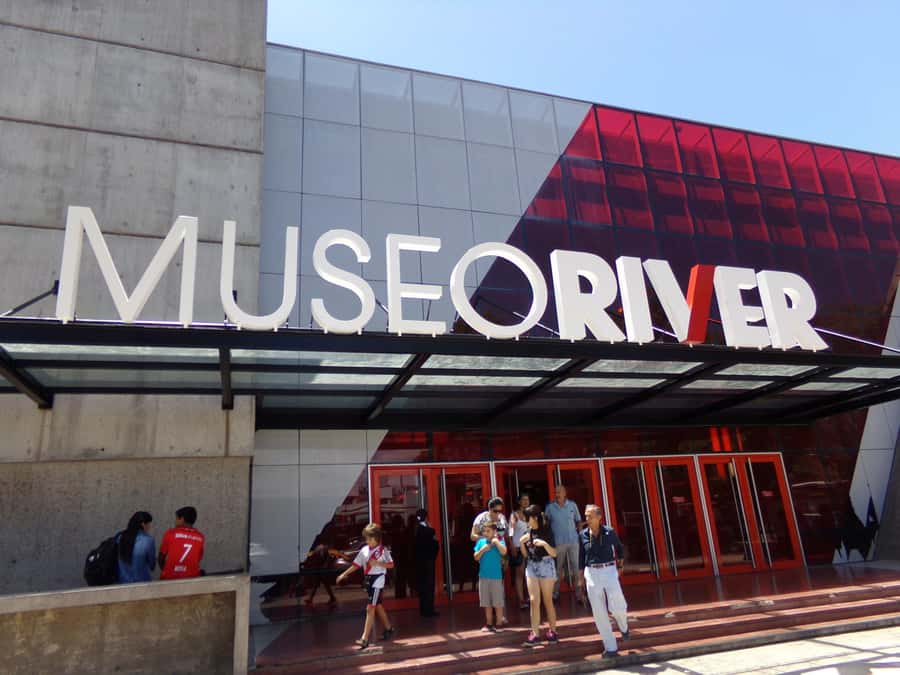
Then you move into the River Plate Museum, which is where River’s story becomes structured and clear. This stop matters because River isn’t only a football club; it’s also an entire cultural timeline in Buenos Aires. The museum presentation helps you connect major moments to the titles and key figures you’ll hear about later—whether from locals, documentaries, or conversations in the city.
If you care about both teams equally, this is the point where the tour feels balanced. Boca’s experience pushes emotion and iconography; River’s museum leans into chronology and trophies—so you’re not just switching from one passion to another. You’re learning two different ways of telling the same kind of football story.
Inside the River Plate Museum: the temporal translation module
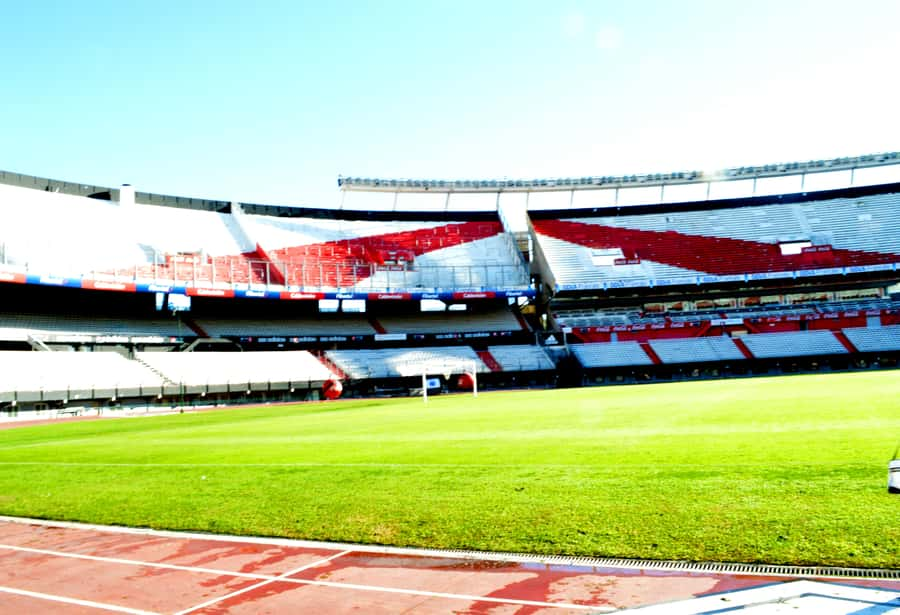
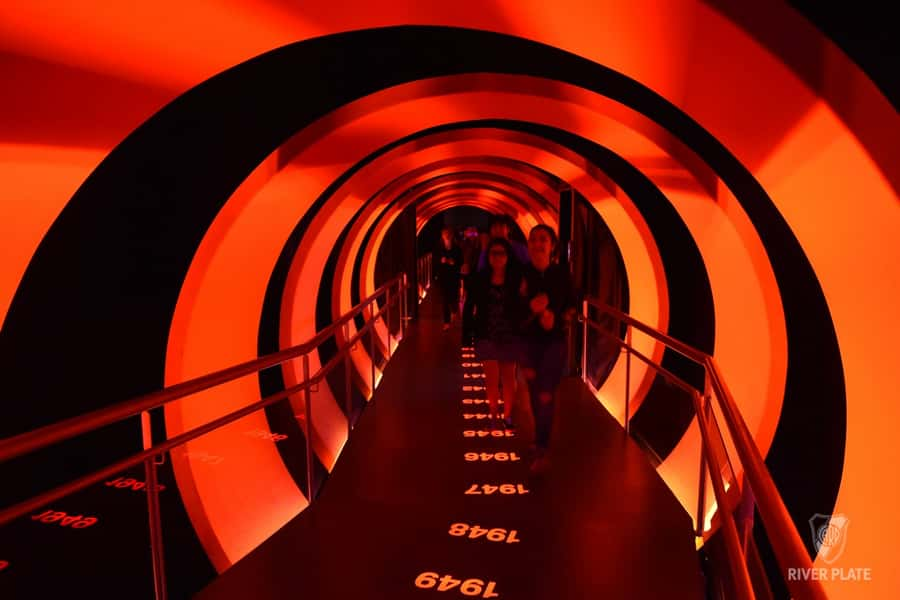
A standout feature is the temporal translation module, which guides you through a version of River’s timeline and major achievements from the club’s early days onward. Instead of reading names and dates with no anchor, the way it’s described is built to help you feel the “before and after” moments—how the club grew and why certain periods became defining.
From a practical point of view, this works because it gives you context for what you’ll see next. Once you enter the stadium, it’s easier to understand what you’re looking at. The museum doesn’t exist as a separate activity. It’s an engine for the stadium visit.
Then you enter the stadium area itself, with a chance to visit the playing field and take photos. That field access is a big deal for most football fans. It’s also where you’ll want your timing and shoes to cooperate, because stadium surfaces can be uneven and you’ll want to move without rushing.
Photo time, walking comfort, and how to get the most in 3–5 hours
This is a short, focused tour—listed at 3 to 5 hours—so it’s not built for long wandering. That can be a gift. You won’t lose the thread, and you won’t end up spending your day stuck in transport with no payoff.
Still, you’ll walk. You’ll move between La Boca and Nuñez, then stand, look, and take photos at multiple moments. Wear comfortable shoes, because you’ll be on your feet through museum rooms and stadium areas.
Also note the luggage rule: no luggage or large bags. If you’re carrying a daypack, that’s usually fine in spirit, but you should keep it light. You’ll thank yourself when you’re moving through busy stadium and museum entry points.
One extra tip: bring your phone or camera fully charged, then keep it accessible. The Boca museum experience includes film elements, and the River stadium experience includes a field photo chance. That kind of timing can’t be “planned later” when you’re already inside.
Guide quality makes or breaks football tours
What turns this from a checklist into a real experience is the live guide. The tour runs with a live guide in English or Spanish, and it may be operated by a multilingual guide. You’re not just following a script—you’re getting explanations that help the symbols land.
Two guide names come up in the information you shared: Ariel and Martin. Both are singled out for doing the work that matters most on a football tour: explaining history clearly, giving people time for photos, and keeping the pace friendly rather than rushed.
If you’re someone who likes questions, this is a good format. Museums and stadiums both generate curiosity fast—why that design detail exists, what a title means, why a rivalry feels personal. A good guide helps you turn that curiosity into understanding without turning it into a lecture.
Price and value: why $103 can make sense
The price is listed at $103 per person, and the value depends on which option you choose and what access is available on the day.
Here’s what you’re paying for, in plain terms:
- Transportation included during the tour
- A live guide
- Museum entry tickets (for River and/or Boca, depending on your selected option)
Food is not included, so you’ll want to plan a light snack or meal before you start, or budget for something after. But the museum tickets and guide time are usually the expensive part of a day like this, especially when you’re adding stadium-related access (where available).
So the best “value match” is: you want both teams’ stories in a tight timeframe, you like museums that teach through experience (not only plaques), and you want at least one strong photo moment tied to the pitch. If you only care about one team, make sure you select the option that focuses your time.
Who should book this tour
This tour is best for you if:
- You’re in Buenos Aires for a short stay and want a structured Superclásico experience
- You love football history but don’t want it to feel like a textbook
- You enjoy interactive museum elements (film, shirt evolution, and guided storytelling)
- You want a mix of Boca atmosphere and River structure in one day
It’s also a strong choice for first-time visitors who want a local lens on why people here talk about football like it’s politics, family, and religion all at once.
One caution: it’s not suitable for people with mobility impairments or wheelchair users, based on the tour’s information. If accessibility is a concern, you’ll need to look for an alternative format that fits your needs.
Should you book it?
If you’re a football fan, I’d book it—especially if you can commit to the museum portions as your main payoff. The museums are the heart of the experience: Boca’s Pasion Boquense storytelling and River’s temporal translation approach give you real context quickly.
But if your main goal is the full behind-the-scenes stadium experience at Boca (pitch, changing rooms, stands), read the renovation note carefully before deciding. During renovations, you should expect museum-only access for Boca.
My decision rule: book if you want the Superclásico stories and at least one meaningful stadium photo moment. Skip or consider another option if stadium access at La Bombonera is the non-negotiable goal for you.
FAQ
How long is the Buenos Aires River Plate and Boca Juniors Museum Tour?
It’s listed as 3 to 5 hours. Starting times depend on availability.
Where do I meet for the tour?
You meet at the activity provider’s office at Tangol Travel Agency.
What’s included in the tour price?
The tour includes a guide, transportation, and entry tickets to the River Plate Museum and/or Boca Juniors Museum depending on the option selected.
Is food included?
No. Food and drinks and any extras are not included.
Can I visit the Boca Juniors stadium during the tour?
Not right now. The Boca Juniors stadium is not operational due to renovations, so your booking may include only access to the Boca museum, without field, changing rooms, or stands.
Are the museums always both included?
Depending on the option you select, you’ll either visit both museums or only one (either Boca Juniors or River Plate).
What languages is the tour guide available in?
The tour is offered with a live guide in English and Spanish.
What should I bring, and can I bring luggage?
Bring a passport or ID card and comfortable shoes. Luggage or large bags are not allowed.