REVIEW · ST IVES
Barbara Hepworth Museum & Sculpture Garden: entry to site.
Book on GetYourGuide →Operated by Tate St Ives · Bookable on GetYourGuide
Modern sculpture, in a real lived-in place. The Barbara Hepworth Museum & Sculpture Garden is interesting because you start with archive photos and career artefacts, then you move through the rooms and garden the way she left them. I especially like the chronological admission display, since it helps you place the art before you’re even looking at the pieces.
I also love how the sub-tropical garden frames sculpture at different scales, from intimate works to bigger outdoor pieces. The main drawback is practical: there’s no café or refreshment stop, and food and drinks aren’t allowed on site, so plan a meal or snack before you arrive (and don’t rely on buying anything there).
In This Review
- Key things to know before you go
- First Steps at the Museum Entrance and Career Timeline
- Upstairs in the Home Museum: Works in Her Former Living Area
- The Sculpture Garden Walk: Sub-Tropical Planting Meets Outdoor Scale
- Why the Ben Nicholson Connection Changes How You See the Art
- Practical Notes: Rules, timing, and what to plan for
- Price and Value: What $13 Buys You Here
- Who This Fits Best (and who might want another option)
- Should you book Barbara Hepworth Museum & Sculpture Garden?
- FAQ
- How much time should I plan for this visit?
- What is included with the ticket?
- Is there a café or somewhere to buy refreshments on site?
- Is the site wheelchair accessible?
- How many toilets are available?
- Are cameras or tripods allowed?
Key things to know before you go
- Chronological career context first, then art, so you understand what you’re seeing
- Works displayed in her former living area, not just in generic gallery rooms
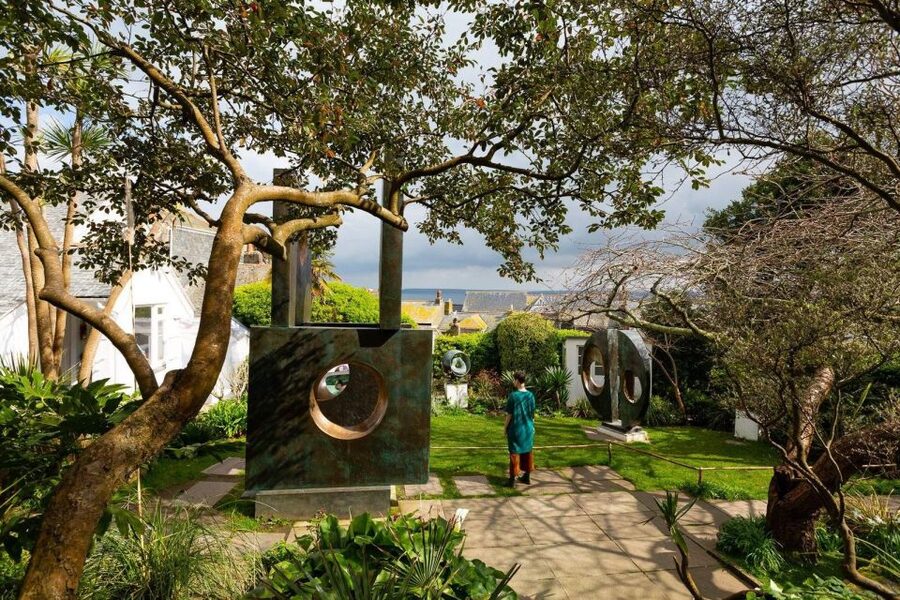
- A sculpture garden designed to be walked, with planting that complements the works
- The site feels close to how she lived and worked, so it has a lived-in quality
- Small group size (limited to 9), which makes the visit feel calmer and easier to focus
- Strict photo and handling rules, including no flash and no touching exhibits
First Steps at the Museum Entrance and Career Timeline
You don’t start with a grand hall or a quick ticket line that dumps you into art overload. You begin in the admission area, where the museum gives you a career timeline through archive photographs and artefacts. It’s a smart move for your first-time visit. Instead of guessing at dates and influences, you get orientated before the sculptures hit you.
From there, you’ll see how Hepworth’s career unfolded in order, with images and items that help explain why certain forms and ideas show up again and again. I like this approach because it turns the visit into something you can follow. You’re not just walking past objects; you’re reading a story that makes the later rooms easier to understand.
Practical note: the site is kept close to how it was when she lived and worked there, so it’s relatively small. That can be a good thing. You won’t waste time hunting for the next room, but you’ll also want to pace yourself, since there’s no café sit-down break to reset.
Upstairs in the Home Museum: Works in Her Former Living Area
After the admission area, you head upstairs to the museum. Here, the key idea is simple: you’re not only viewing art, you’re stepping into part of Hepworth’s former living space. The museum uses that layout to place selected works in a setting that feels grounded in everyday life, not just white walls and neutral display cases.
In this area, you’ll find a selection of pieces tied to her working and creative life. The ticket includes abstract sculptures, plus paintings and drawings. You may also see information and views related to her work studios, which helps connect the art you’re looking at with the making process.
What I take away from this section is how much your eye changes once you slow down. Sculptures in a gallery can feel like you’re studying them from one distance. In her home setting, you’re more likely to notice proportions, the way forms catch light, and how different materials behave in a room. Even if you don’t consider yourself an expert, the museum gives you enough context to look with purpose.
The Sculpture Garden Walk: Sub-Tropical Planting Meets Outdoor Scale
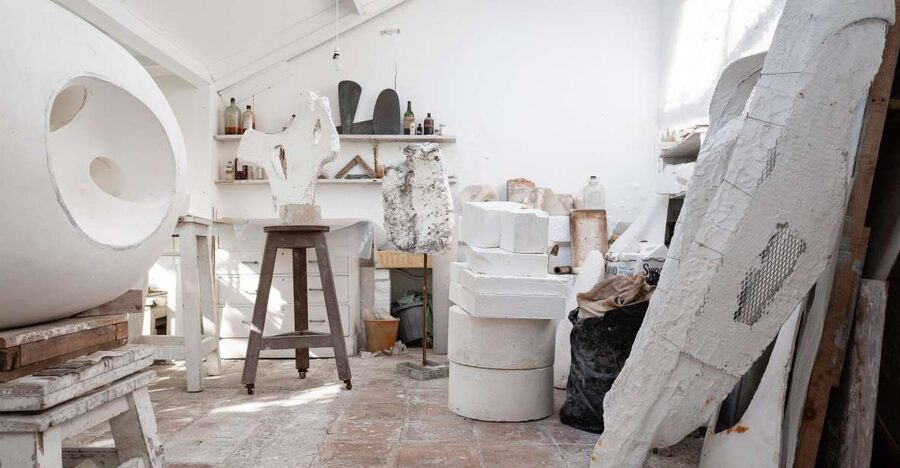
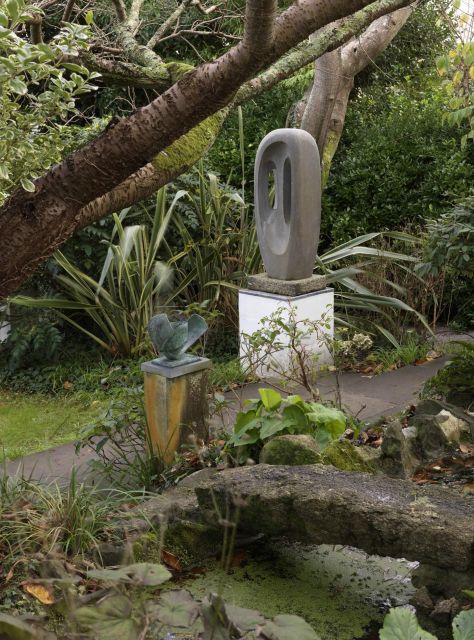
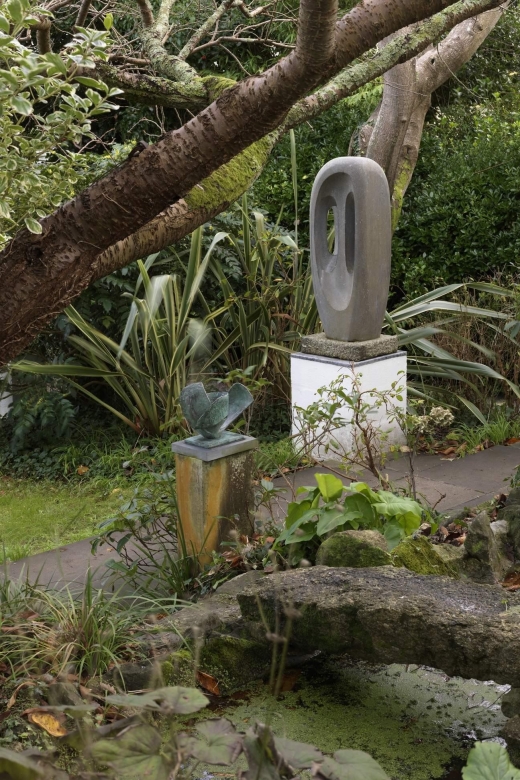
Then comes the part many people remember first: the outside sculpture garden. You make your way out to see larger-scale works set among a beautiful sub-tropical garden. This is where the visit becomes more than a museum stop. It turns into a slow walking route where the garden design does real work for the art.
The garden isn’t just background. It’s part of the viewing experience. The planting and pathways help you approach sculptures from different angles, so the work doesn’t feel flat or one-note. Some pieces feel like they need an open view; others work better as you come around a corner and the form appears gradually.
The best value here is how close the experience feels to the time when Hepworth lived and worked at the site. The site is largely unchanged from her period in St Ives, which gives the sculpture garden an authenticity you won’t get from a generic outdoor park. It’s still a museum setting, of course, but it doesn’t feel “freshly staged.” It feels intentional, like the garden was meant to be lived with.
One more practical point: because there’s no café and no food/drink options on site, the garden walk can end up being the most physical part of the visit. Wear comfortable shoes. If weather is changeable, bring a light layer, since you’ll be outdoors for at least part of the time.
Why the Ben Nicholson Connection Changes How You See the Art
One of the quietly powerful aspects of the visit is that the information on site connects Hepworth’s life and art with her broader circle. In particular, the museum’s explanations include context around Ben Nicholson, which helps you see her work in relation to the modern art conversations of her time.
This matters for you because modern sculpture can sometimes feel like a language you don’t speak. When you get a little context—who she was connected to, what ideas were in the air—you start noticing patterns: repeated concerns with form, balance, and the relationship between solid shape and space. It’s not about turning you into an academic. It’s about giving you enough footing to enjoy the art more.
Also, the way the museum presents these ideas is part of the appeal. The staff come across as friendly and easy to talk to, and that makes a difference at a small site. You can ask a question, clarify what you’re looking at, and keep going without feeling rushed.
Practical Notes: Rules, timing, and what to plan for
This is a small site with a lot of character, but it has rules that shape how you should show up.
- Plan to travel light. Oversize luggage isn’t allowed, and food and drinks aren’t allowed either.
- Expect limited amenities. There’s only one toilet on site, and there’s no café or refreshment facilities.
- Photography is restricted. Professional cameras aren’t allowed, and flash photography, tripods, and similar gear are also not permitted.
If you’re the type who likes to take time with every room, you’ll likely be happiest treating this as a focused art-and-garden outing rather than a “fit it in between bigger things” kind of stop. The museum and garden are both part of the same experience, and the whole point is to watch how the art and setting interact.
Wheelchair access is available, but you should know the detail: wheelchair access is via a side street entrance by arrangement ahead of the visit. If that applies to you, arrange it early so your arrival is smooth.
Price and Value: What $13 Buys You Here
At about $13 per person, this visit is fairly priced for what you get: original home and garden access, archive context, and both indoor and outdoor art. The value comes from three things working together.
First, it’s not just a collection tucked into a building. You’re seeing work placed in the context of Hepworth’s former home and garden. Second, you get a timeline through archive materials that helps you interpret what you see instead of walking in blind. Third, the ticket includes both rooms with abstract works and the outdoor sculpture garden with larger pieces and designed planting.
Yes, it’s relatively small, and yes, there’s no café. But that can actually be a plus for your time and your focus. You can enjoy the art without turning the day into a long logistics exercise.
If you’re deciding whether to spend money on modern art in South West England, I’d put this in the “worth it if you care about real places” category. The experience leans authentic rather than flashy.
Who This Fits Best (and who might want another option)
You’ll probably love the Barbara Hepworth Museum & Sculpture Garden if you:
- Enjoy modern sculpture, especially when it’s shown in real space instead of only clinical gallery settings
- Like gardens that are designed for viewing art, not just strolling for scenery
- Want a short, focused visit where you can actually understand the ideas behind the works
You might want to think twice if you’re mainly looking for a full-day entertainment package with lots of services, because there’s no café and the site is kept close to its original scale. If you need frequent breaks with food or you prefer large crowds and bigger facilities, this isn’t built for that.
Also, it’s best for visitors who are comfortable with a quiet, rules-based museum environment—touching exhibits isn’t allowed, and photography has limits.
Should you book Barbara Hepworth Museum & Sculpture Garden?
I’d book it if you want a modern art visit with a sense of place. The standout strength is the combination: archive context inside, Hepworth’s home setting for works upstairs, and a sculpture garden outdoors where the planting and the art work as one experience. For $13, the value is strong because you’re not just seeing art—you’re seeing it where it belonged.
Book it with a simple plan: eat before you go, wear comfortable shoes for the garden, and let yourself slow down. If you do that, you’ll walk out with a clearer sense of Hepworth’s world and why these sculptures still feel alive in the space she left behind.
FAQ
How much time should I plan for this visit?
The experience is listed as 1 day, and you can check starting times based on availability.
What is included with the ticket?
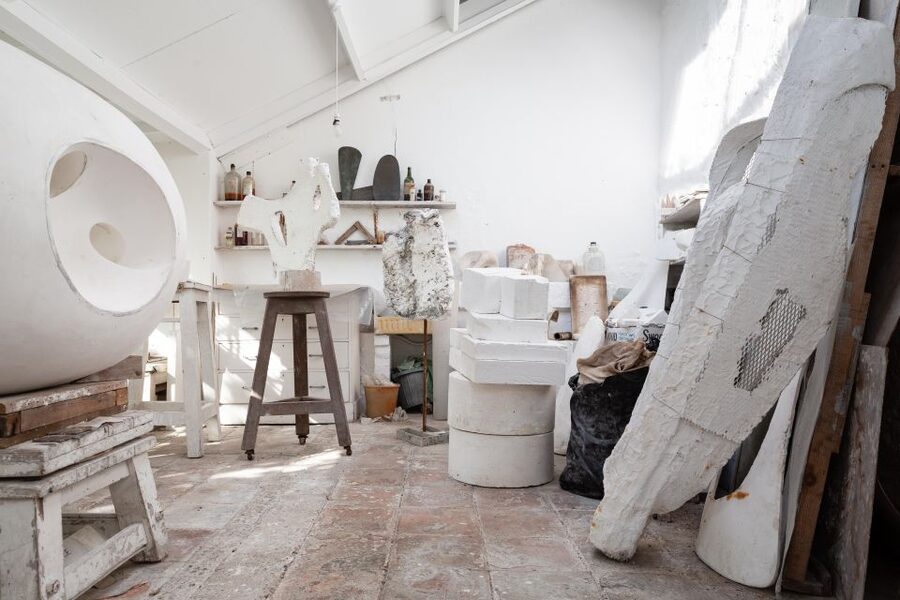
Your ticket includes entry to Hepworth’s original home and garden, with archive information and images, abstract sculptures, paintings and drawings, the sub-tropical garden, and views of her work studios.
Is there a café or somewhere to buy refreshments on site?
No. There are no café or refreshment facilities on site, and food and drinks aren’t allowed.
Is the site wheelchair accessible?
Wheelchair access is available via a side street entrance by arrangement ahead of the visit.
How many toilets are available?
There is only one toilet on site.
Are cameras or tripods allowed?
Professional cameras aren’t allowed, and flash photography, tripods, and similar equipment are not permitted.