REVIEW · ARCHAEOLOGICAL MUSEUM OF KRAKOW
Archaeological Museum of Krakow Entrance Ticket
Book on GetYourGuide →Operated by Discover Cracow · Bookable on GetYourGuide
A former prison, now guarding pagan gods.
That contrast is exactly what makes the Archaeological Museum of Krakow worth your time: you get the Światowid statue (a 9th–10th century four-faced idol) and you also see how archaeology connects to real places around Krakow, not just display cases. I especially like the way the museum’s setting comes with built-in storytelling because the building once served as St. Michael’s Prison under the Austrians. One drawback to keep in mind: entry can be time-sensitive, since the last entrance is 90 minutes before closing, so don’t roll up at the end of the day.
I also like that you can plan this at a relaxed pace across 1–2 days, checking out multiple areas without needing a guide. The ticket is budget-friendly, but it is self-directed, so you’ll want to read signs and labels carefully if you want the most out of the artifacts and site history.
In This Review
- Key things I’d plan around
- Ticket Value: Why $2.13 Makes This Worth It
- St. Michael’s Prison Becomes an Archaeology Stop
- Światowid’s Four Faces: The Museum’s Big Reason to Go
- St. Wojciech’s Church Underground: Krakow’s Main Square, Layer by Layer
- Nowa Huta–Branice: Archaeology Connected to Real Construction
- How to Build a 1–2 Day Visit Without Losing Time
- Self-Guided Means You’ll Want to Read the Labels
- Card Shortcuts and Where a City Pass Might Help
- Worth Booking? Who This Museum Ticket Fits Best
- A Small Warning: Ticket Entry Issues Can Happen
- Should You Book This Archaeological Museum Ticket?
- FAQ
- How much does the Archaeological Museum of Krakow ticket cost?
- How long is the ticket valid?
- What is the museum’s most famous attraction?
- Where are the museum’s branch locations?
- When is the last time I can enter?
- Is entrance free with a Krakow City Card?
Key things I’d plan around
- The Światowid statue, a four-faced pagan god discovered in 1848 in Zbrucz
- St. Michael’s Prison history, since the museum grew out of a former prison building
- St. Wojciech’s Church underground exhibition, focused on Krakow’s Main Square and its earlier layers
- Nowa Huta–Branice branch, tied to archaeological discoveries that began in 1949 during construction
- Easy budgeting, since the ticket price is low and the visit can fit 1–2 days
Ticket Value: Why $2.13 Makes This Worth It
At about $2.13 per person, this ticket is the kind of deal that lets you be picky with the rest of your day. You are paying for access to a focused set of archaeological experiences, anchored by one major star object and supported by additional sites in different parts of the city.
The best value here is not just the price. It’s the combination of:
- a landmark artifact with clear period context, and
- museum spaces that connect archaeology to Krakow’s physical geography.
Also, because it is a museum ticket and not a guided program, you control the pace. If you’re the type who likes to spend extra time reading, you can. If you’d rather keep moving, you can too.
Two quick practical notes that affect value:
- You must work within opening hours and the last entrance cutoff (90 minutes before closing).
- Opening times can change, so you’ll want to check the official local operator’s website before you go.
St. Michael’s Prison Becomes an Archaeology Stop
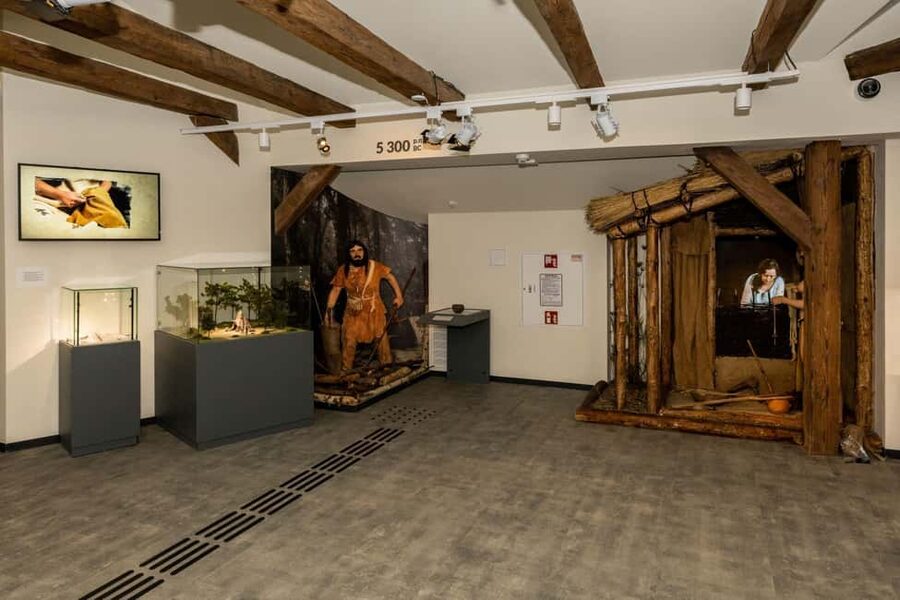
This museum’s location is a story all by itself. The building originally belonged to the Barefoot Carmelites and later changed functions entirely when the Austrians stationed in Krakow established a prison there. After WWII, the prison closed, and the Archaeological Museum was established in the same overall setting, inheriting the name connected to St. Michael.
That matters for your experience because you walk in expecting a museum, but the architecture and history push you to think about time in layers:
- religious and cultural shifts,
- occupation and re-purposing of buildings,
- then later the shift toward preservation and interpretation.
It’s not just decoration. The museum setting helps you understand why archaeology is so often a puzzle of reuse and discovery. Things get built, repurposed, covered, and then found again.
When you’re planning your time, this is a place where going slowly can pay off. If you’re the sort who rushes through rooms, you might miss that the building itself is part of the exhibit.
Światowid’s Four Faces: The Museum’s Big Reason to Go
The headline attraction is the Światowid statue—a four-faced pagan god dated to the 9th–10th century. It was discovered in 1848 in Zbrucz, and it’s presented as the museum’s most famous piece.
Why I think this matters: you’re not only seeing an object. You’re meeting a belief system that existed long before Christianity became dominant here. The statue makes the concept of pagan worship feel tangible. Four faces also gives you something visually memorable right away, which helps the museum work even if your Polish is limited.
In a museum day, attention can wander. A central artifact like this gives your visit a spine. If you do just one careful circuit around the main rooms to locate it and then return for another look, you’ll feel like the ticket did its job.
Tip for pacing: if you want the museum to feel coherent, start with Światowid, then let that reference point guide how you interpret the other archaeological finds from the Lesser Poland region. Otherwise, the collection can feel like a list of objects rather than a connected story.
St. Wojciech’s Church Underground: Krakow’s Main Square, Layer by Layer
One of the museum’s two branches is at St. Wojciech’s Church on Krakow’s Main Square. Here, the focus is on the square itself—specifically, its history and how the church and patron Saint Wojciech fit into that story.
What makes this branch interesting is the underground angle. You’re not only looking at artifacts; you’re seeing remains that point to earlier building surfaces and everyday life. The information provided highlights:
- an underground exhibition, and
- remnants of wooden and stone floors, plus
- Romanesque walls.
This is the kind of stop that can quietly become the best part of your day. Street-level views of a main square can feel obvious. Underground remnants make the place feel older, more complex, and more human.
How to get the most out of it:
- Give yourself enough time to read what you can about the square’s evolution.
- Don’t treat it like a quick photo stop. The value is in noticing the material clues—floors, walls, construction layers—that help you imagine past movement and usage.
Potential drawback: because it’s underground and based on historical layers, it can feel more interpretive and less exciting if you prefer highly “spectacle” attractions. Still, for a traveler who likes context, this is where archaeology pays you back.
Nowa Huta–Branice: Archaeology Connected to Real Construction
The second branch is Nowa Huta–Branice, closely linked with the Nowa Huta district and the nearby metallurgical plant. This branch is tied to a specific kind of archaeology: discoveries that began during early construction works, starting in 1949.
This is a different flavor from a medieval church-under-the-square vibe. Here, the museum uses archaeological finds to explain how Krakow expanded and changed in the modern era, and how construction activities can lead to major discoveries.
If your interest leans toward how cities evolve, this branch is worth prioritizing. It connects archaeology to a living city rather than a frozen postcard of the past.
How to plan around it:
- Pair it with the main building if you want a strong timeline contrast: pagan-era statue focus in the main museum, then later city growth and construction-era discoveries in Nowa Huta–Branice.
- If you only have one day, you’ll need to decide what you like more: the square’s underground remains or Nowa Huta’s construction-linked finds.
How to Build a 1–2 Day Visit Without Losing Time
Because this ticket is valid for 1–2 days, you can choose between a focused sprint and a calmer approach. The key is timing, since the last entrance is 90 minutes before closing.
Here’s a practical way to plan:
If you have 1 day
- Start with the main attraction logic: go to the main museum building first so you can see Światowid without pressure.
- Then choose one branch based on your mood:
- St. Wojciech’s Church underground if you want old layers under the Main Square, or
- Nowa Huta–Branice if you want the story tied to construction and the metallurgical area.
If you have 2 days
- Day 1: do the main building and one branch.
- Day 2: do the remaining branch, when you are less likely to rush reading and matching artifacts to the sites.
Also, don’t assume the hours shown online are always the hours you’ll face in real life. The info you have warns that opening hours might differ due to circumstances. Your best move is simple: check exact opening hours on the official operator website before you lock in your day.
One more value-of-time tip: because it’s self-guided and guide-free, you will get more out of it if you give yourself breathing room. Museums like this reward slower reading.
Self-Guided Means You’ll Want to Read the Labels
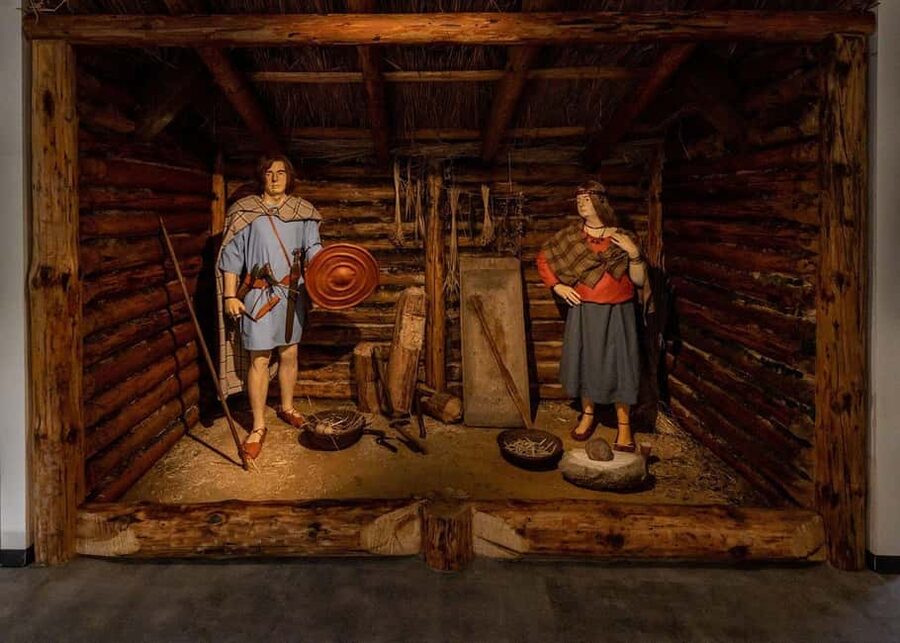
This ticket includes the museum entrance, but a guide is not included. That changes how you should experience it.
In practice, it means:
- You’ll rely on signs, plaques, and exhibition text.
- Your interest in archaeology and history will decide how fast or slow you go.
- If you’re not into reading, the museum could feel like a lot of rooms and objects without much connection.
If you are willing to do a bit of reading, you’ll get a strong sense of the Lesser Poland region’s archaeological treasures and how the museum interprets them.
Also, the museum has basic site rules: no smoking and no alcohol and drugs. It’s standard, but it’s good to know so you don’t get slowed down at entry or inside.
Card Shortcuts and Where a City Pass Might Help
There’s one perk if you already have a city benefit product: for Krakow City Card holders, entrance is free of charge. That’s a meaningful value add if you’re already planning multiple museums.
The broader idea is that Krakow’s museum scene has a lot going on in a small area, so it can make sense to build your schedule around a theme—Old Krakow center, underground layers, then a branch tied to modern-era construction.
If you’re also considering other museums (like Schindler’s Factory or Rynek Underground Museum), this one fits well because it offers a distinct perspective: archaeological interpretation tied to specific locations, not just a single artifact room.
Worth Booking? Who This Museum Ticket Fits Best
This ticket is a smart choice if you:
- like archaeology and want a strong anchor artifact (Światowid),
- enjoy historical layers in a real city setting,
- don’t need a live guide to enjoy museums, and
- want an affordable Krakow experience that still feels meaningful.
It may be less satisfying if you strongly prefer:
- guided storytelling, or
- attractions that are all about modern interactive exhibits.
But even then, the price and the central statue give you a good chance of leaving happy, especially if you plan for at least a few focused rooms instead of treating it like a quick stop.
A Small Warning: Ticket Entry Issues Can Happen
One practical caution comes from a low-score entry problem: there was an instance where a ticket office required a QR code, and entry was refused when it was not provided in the way the ticket office expected.
I can’t guarantee this will happen to you, but the takeaway is simple: have your ticket info ready in the format you expect the venue to check. Don’t wait until the last minute at the counter.
If you want fewer headaches, aim to arrive with enough time before closing so you’re not stressed if entry takes longer than expected.
Should You Book This Archaeological Museum Ticket?
Yes, if you want a low-cost Krakow visit that connects archaeology to real places and big-time artifacts. The Światowid statue gives you a clear reason to go, and the two branches help the experience feel like more than one room of objects.
Book it if:
- you can fit at least a half-day and ideally 1–2 days,
- you like historical layers and site context,
- you don’t need a guide to enjoy museum labels.
Skip or reconsider if:
- you’re only in Krakow for a tiny window and can’t work with the 90-minute-before-closing last entrance rule,
- you dislike self-guided museums where reading is part of the experience,
- you expect a strictly modern, interactive show.
FAQ
How much does the Archaeological Museum of Krakow ticket cost?
The price is listed at $2.13 per person.
How long is the ticket valid?
It is valid for 1–2 days. Availability can affect starting times, so it’s worth checking what times are shown when you book.
What is the museum’s most famous attraction?
The main draw is the Światowid statue, a four-faced pagan god from the 9th–10th century, discovered in 1848 in Zbrucz.
Where are the museum’s branch locations?
One branch is the underground exhibition at St. Wojciech’s Church on Krakow’s Main Square. The other is Nowa Huta–Branice, linked with the Nowa Huta district and metallurgical plant.
When is the last time I can enter?
The last entrance is 90 minutes before closing.
Is entrance free with a Krakow City Card?
Yes. If you hold a Krakow City Card, entrance is listed as free of charge.