REVIEW · ANCHORAGE
Anchorage Museum General Admission Ticket
Book on GetYourGuide →Operated by Anchorage Museum · Bookable on GetYourGuide
One ticket. Three worlds: people, science, and the stars.
At the Anchorage Museum, you can spend a full day moving through Alaska’s big themes—art and design, northern history, science, and culture. What makes it especially interesting is the Arctic Studies Center with Smithsonian-backed Indigenous collections, plus hands-on exhibits that feel built for real curiosity.
My two favorite parts are the Arctic Studies galleries, where you can get close to artifacts and then use touch screens to read deeper context. I also love how the museum mixes quiet looking with active learning, especially in the hands-on science areas and the interactive history gallery.
One thing to consider: the Thomas Planetarium experience costs extra. If you want it, plan to book during check-in so it doesn’t become a last-minute scramble.
In This Review
- Key Highlights Worth Planning Around
- Getting Your Bearings at the Anchorage Museum (and Parking That Won’t Stress You)
- Alaska’s Largest Museum Feel: One Day, Many Doors to Open
- Arctic Studies Center: Smithsonian-Backed Indigenous Collections That Actually Teach
- Touch Screens with Zoom, Oral Histories, and Archival Images
- Discovery Center Hands-On Science for Days When You Want to Do Something
- Interactive History Gallery: Northern Stories You Can Move Through
- Marine Life Tanks and the Planetarium Upgrade: Choose Your Science Mood
- Value Check: Is $25 Worth It for a Full Day?
- Who Should Book This Ticket (and Who Might Want a Different Plan)
- Should You Book the Anchorage Museum General Admission?
- FAQ
- Where is the Anchorage Museum located?
- How much is the general admission ticket?
- How long is the ticket valid?
- What’s included with general admission?
- What’s not included in the general admission ticket?
- Can I get a planetarium ticket during my visit?
- Is the museum wheelchair accessible?
- Is parking available on-site?
- What are the parking rates in the underground garage?
- What is the main Smithsonian-related exhibition in the Arctic Studies Center?
Key Highlights Worth Planning Around

- Smithsonian loan collection in the Arctic Studies Center with more than 600 objects tied to Alaska’s First Peoples
- Living Our Cultures, Sharing Our Heritage as the main gallery theme, guided by Indigenous advisers
- Touch screens with zoom and scrolling context, including oral histories and archival images
- Discovery Center hands-on science, built for learning by doing
- Marine life tanks and planetarium options, so the day can switch moods when you need a break
Getting Your Bearings at the Anchorage Museum (and Parking That Won’t Stress You)

The museum sits at 625 C St, Anchorage, AK 99501, and you’ll start right there. Since this is a self-guided admission ticket, you control the pace—slow art/design browsing, faster science stops, or a straight line toward the areas that interest you most.
Parking is one of those real-world details that matters in Anchorage. On weekends and evenings, there’s a heated, secured underground garage at the museum. Rates go from $5 for 0–2 hours, up to $15 for 6–10 hours, so this is a good setup if you’re committing to a full day inside.
Alaska’s Largest Museum Feel: One Day, Many Doors to Open

Your ticket is general admission, valid for one day from first activation, and it covers a self-guided tour. That means you’re not stuck waiting for a group timeline, and you can spend extra time where something clicks—especially in the Arctic Studies galleries and the hands-on spaces.
This museum is big on variety. You’ll find exhibits for art and design, northern history, and science and culture. The overall payoff is that you don’t leave with just one “theme.” You leave with a more connected sense of how people, land, and knowledge systems fit together.
If you like museums where you can choose your path, you’ll probably enjoy the freedom here. If you prefer a guided narration for everything, you might want to spend extra time reading labels and using the touch screens so you don’t miss the story layers.
Arctic Studies Center: Smithsonian-Backed Indigenous Collections That Actually Teach
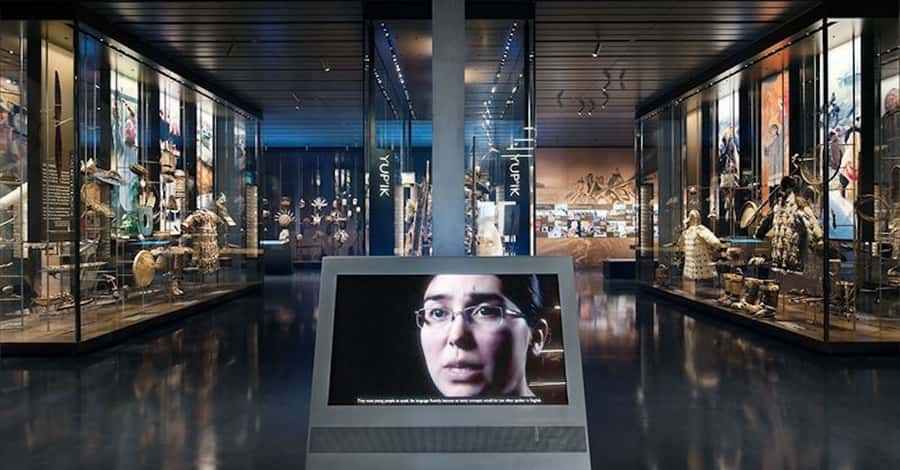
The Arctic Studies Center is the anchor for what makes this ticket feel special. You’ll see Indigenous Alaskan artifacts through a collection loaned by the Smithsonian Institution, and the main exhibition is:
Living Our Cultures, Sharing Our Heritage: The First Peoples of Alaska.
The key thing for your visit: this isn’t just a bunch of objects behind glass. The gallery is built around more than 600 objects, selected and interpreted with help from Alaskan Native advisers. That partnership shows up in the way the exhibit treats artifacts as living cultural knowledge, not just museum specimens.
If you’re the type who likes “show me the details,” you’ll appreciate specific items on display, like a 1893 Tlingit war helmet from the southeast village of Taku and a 1935 Iñupiaq feast bowl from Wales on Alaska’s northwest coast. Those names and dates give you a way to anchor what you’re seeing.
Touch Screens with Zoom, Oral Histories, and Archival Images
This is where the museum turns curiosity into learning. You can explore objects through touch screens that let you zoom in on photos and scroll through additional information. You’ll also find related oral histories and archival images, which helps you connect what you see to how knowledge gets carried.
For practical value: if one label isn’t enough for you, the touch screens give you a second layer without forcing you to stay in one spot. I like using them like a choose-your-own-speed tool—hit one object, follow one thread, then decide if you want to keep going.
One consideration: the tech invites “just one more detail,” which can eat time. If you’ve only got one day, it helps to pick a few objects to go deep on, then keep moving so you hit the rest of the museum.
Discovery Center Hands-On Science for Days When You Want to Do Something
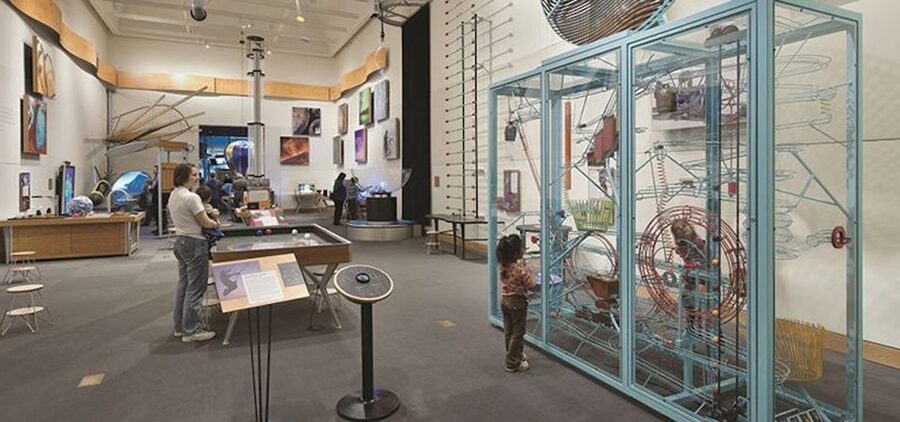
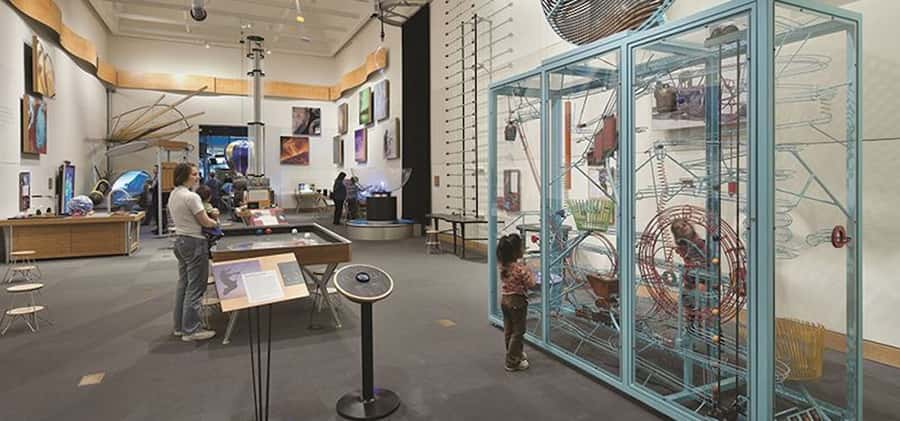
The Discovery Center is built for active learning. Instead of only reading and looking, you’ll get hands-on science experiences that make the museum feel more like a workshop than a warehouse of artifacts.
This part of the visit is great for mixed groups, too. If you’ve got someone who gets restless in traditional gallery settings, the Discovery Center gives them a “use your hands and brain” mission. It also works well on colder or darker days, because it breaks up the museum pace with more energy.
Think of Discovery Center as your reset button. Spend time there when you want a change of pace from the careful looking in Arctic Studies galleries. It keeps your one-day plan from turning into pure concentration fatigue.
Interactive History Gallery: Northern Stories You Can Move Through
Another strong area is the museum’s expansive interactive history gallery. This is where you can explore Alaska’s past in a more user-driven way, rather than only standing still and reading.
Interactive history galleries tend to work best when you treat them like stations. If you try to absorb everything at once, you’ll burn out. Instead, focus on the parts that match your interests—culture, daily life, exploration, or how communities connect to the broader North.
If you like museums that help you make meaning by clicking, comparing, and exploring, you’ll likely find this gallery one of the more engaging parts of the day. It’s also a good option if you’re traveling with kids or anyone who learns best through action.
Marine Life Tanks and the Planetarium Upgrade: Choose Your Science Mood

The museum includes marine life tanks. This is a nice contrast to the cultural and history galleries—suddenly you’re looking at living ecosystems, not just artifacts. It’s also an easy “breather” stop if you’ve been reading for a while.
Then there’s the Thomas Planetarium, which you can add as an upgrade. Planetarium tickets are bookable at check-in, but they’re not included in general admission. If you want that dome-screen, surround-sound astronomy experience, it’s smart to treat it as a planned add-on, not a maybe-at-the-end wish.
Why it’s worth considering: the planetarium offers a journey through the stars with 3D graphics, surround sound, and a dome screen, along with interactive astronomy demonstrations, educational programs, and films. In plain terms, it’s a strong way to end a museum day by shifting from Earth stories to sky stories.
Value Check: Is $25 Worth It for a Full Day?
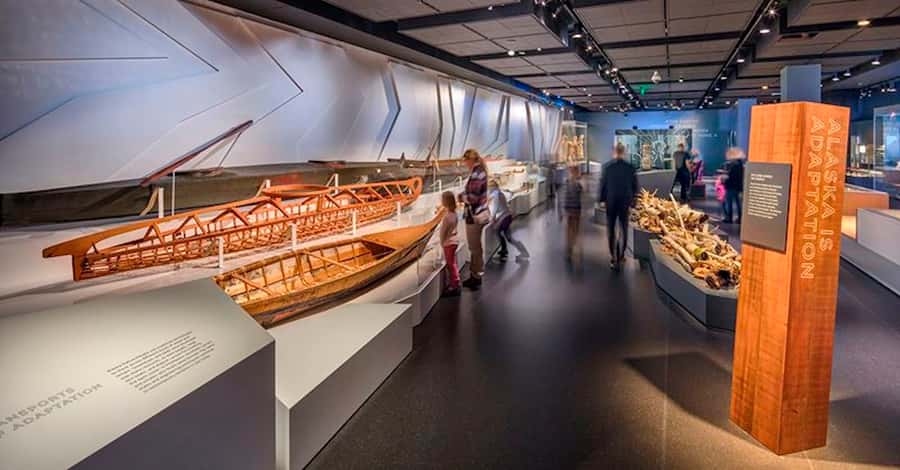
At $25 per person for general admission, the value comes from how much variety you get and how much of it is self-guided. This isn’t a single-gallery ticket. It’s access to a large museum built around multiple departments: art/design, history, science, and culture.
The best value is when you use the museum the way it’s designed: spend real time in Arctic Studies, use the touch screens rather than only skimming labels, and then make Discovery Center and the interactive history gallery part of your day. If you only do a quick walkthrough, you’ll feel the price—but if you actually play along, it can feel like a full “museum day,” not a sampler.
Also, the fact that you can upgrade to the planetarium separately means you can match your budget to your interests. You’re not forced to pay for it to get the main experience.
Who Should Book This Ticket (and Who Might Want a Different Plan)
This ticket makes the most sense if you want a one-day museum that mixes culture, Indigenous history, and science learning. I’d especially recommend it if you’re the kind of visitor who likes context—touch screens, oral histories, and object details with names and dates.
It’s also a good fit for mixed groups, because it has both quieter galleries and hands-on areas. If someone in your party likes science but gets tired of long exhibits, the Discovery Center and planetarium upgrade help balance the day.
If you’re only interested in one narrow topic, this might feel like too many doors to open in one day. In that case, consider whether you’d rather spend time at fewer focused exhibits elsewhere, and save energy for the one area you truly care about.
Should You Book the Anchorage Museum General Admission?
I think this is a strong book if you want value and variety in one place. The Arctic Studies Center’s Smithsonian-backed Indigenous collections, the detailed touch-screen support, and the hands-on Discovery Center are the combination that turns a basic admission ticket into a memorable day.
Book it if you’re in Anchorage for a day and want a meaningful, not-too-stuffy museum plan. Skip it only if you know you won’t use self-guided learning at all, or if the planetarium is your main goal and you’re unwilling to pay extra for it.
FAQ
Where is the Anchorage Museum located?
It’s at 625 C St, Anchorage, AK 99501, USA.
How much is the general admission ticket?
The price is $25 per person.
How long is the ticket valid?
The ticket is valid for 1 day, from the time you first activate it.
What’s included with general admission?
General admission includes the self-guided tour.
What’s not included in the general admission ticket?
The Planetarium ticket is not included, and a tour guide is not included.
Can I get a planetarium ticket during my visit?
Yes. Planetarium tickets can be booked at check-in.
Is the museum wheelchair accessible?
Yes. The experience is wheelchair accessible.
Is parking available on-site?
Yes. There is a heated and secured underground garage with parking available on weekends and evenings, and handicap parking available daily during day and evening hours.
What are the parking rates in the underground garage?
Rates are 0–2 hours: $5, 2–4 hours: $8, 4–6 hours: $12, and 6–10 hours: $15.
What is the main Smithsonian-related exhibition in the Arctic Studies Center?
The main exhibition is titled Living Our Cultures, Sharing Our Heritage: The First Peoples of Alaska.