REVIEW · AMSTERDAM
Amsterdam: Dutch WWII Resistance Museum Entry Ticket
Book on GetYourGuide →Operated by Verzetsmuseum Amsterdam · Bookable on GetYourGuide
WWII history hits hard in Amsterdam’s rooms. This ticket takes you through how Dutch civilians responded to Nazi rule, with stories tied to real objects from the forties. You’ll get the resistance story in plain language, with strike action, secret papers, hiding people, and escape routes all woven together.
I also like the way the museum uses an included audio guide to help you move at your own pace, not your tour-group’s pace. One heads-up: it can feel emotionally heavy. If you want a lighter museum day, you may want to space this out and pair it with something less intense afterward.
In This Review
- Key highlights you should plan around
- Entering the museum: what your ticket includes
- The resistance story: strikes, forged papers, hiding, newspapers
- Photo walls, objects, and the feeling of the forties
- Audio guide system: how you listen and how long it can take
- The Dutch East Indies chapter: Japanese occupation and colonial connections
- Real dilemmas: resistance, collaboration, and what choices cost
- How long to plan: 2–3 hours is the sweet spot
- Price and value: how $21 fits in Amsterdam
- Pairing ideas: build a WWII day without burning out
- Who should buy this ticket
- Should you book this ticket for Amsterdam?
- FAQ
- How long should I plan for the museum visit?
- Is the audio guide included with the ticket?
- What languages are available for the audio guide?
- Do I need a live guide with this ticket?
- Where do I check in for my entry?
- Can I cancel if my plans change?
- How does the reserve and pay later option work?
- Is the museum wheelchair accessible?
Key highlights you should plan around
- Resistance came in many forms: not just armed action, but everyday choices under occupation.
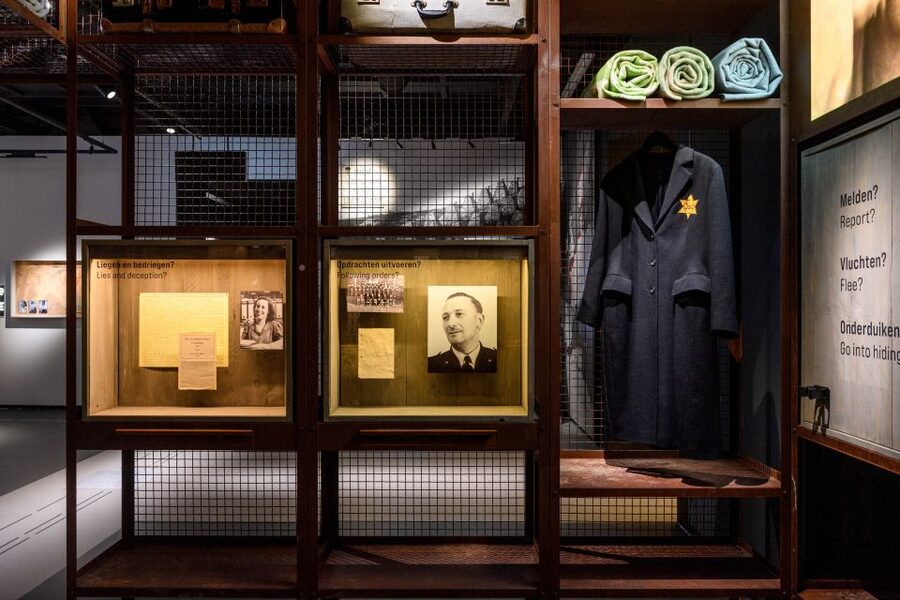
- Personal documents and objects: the museum connects big events to the paperwork and items people actually used.
- Photo walls that set the mood: you’ll see walls of images meant to bring the war years into focus.
- Audio guide in multiple languages: Dutch, English, French, German, Italian, Spanish, Portuguese.
- The Dutch East Indies section: a dedicated part of the museum covers experiences under Japanese terror.
- Built for self-paced listening: you can follow story stations without needing a live guide.
Entering the museum: what your ticket includes
This experience is a straightforward entry ticket to the Dutch WWII Resistance Museum in Amsterdam, run by Verzetsmuseum Amsterdam. Your ticket includes the museum admission plus an audio guide. You’ll meet the museum in the simplest way possible: show your ticket(s) at the counter and get moving inside.
Why that matters: you’re not locked into a strict group schedule. The included audio guide means you can spend more time on the sections that grab you and skim past the ones that don’t. If you’re the type who reads slowly in museums (no shame), that flexibility helps.
You should also know what’s not included. There’s no guide walking you through the content, and food and drinks aren’t part of the ticket. So plan a snack stop separately if you’ll be inside for a while.
A few more Amsterdam tours and experiences worth a look



The resistance story: strikes, forged papers, hiding, newspapers
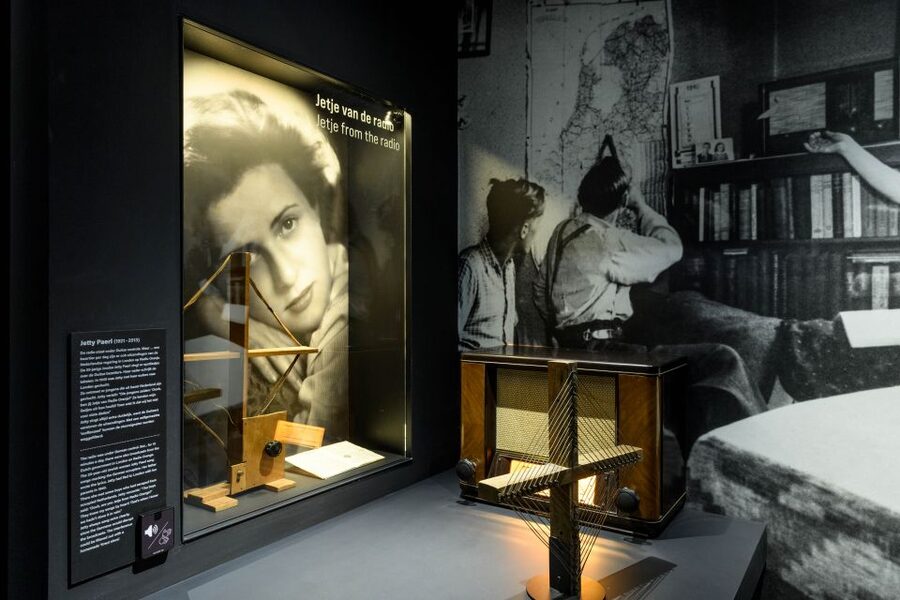
The museum’s main strength is that it doesn’t reduce resistance to one stereotype. It frames the Dutch resistance during Nazi occupation as a spectrum of actions—some public, many secret, all dangerous.
Here’s what the exhibition covers, in the kind of way that helps you understand what it meant to live under occupation:
- Strikes and public defiance: not every act was underground. Some resistance was organized and visible.
- Forging documents: identity and paperwork mattered, and people risked their lives to change the outcome of who got through.
- Help for people in hiding: sheltering others wasn’t a quick favor. It was a long, high-risk commitment.
- Underground newspapers and communication: resisting with information, not just weapons.
- Escape routes and espionage: moving people or passing secrets to disrupt the occupier’s plans.
- Armed resistance, where applicable: the museum includes this too, but as part of the wider resistance picture.
What I like about this approach is that it makes the story feel real. If you only know WWII from a few famous names or one famous event, you can still understand how resistance worked at ground level: choices, networks, fear, and the cost of getting caught.
Photo walls, objects, and the feeling of the forties
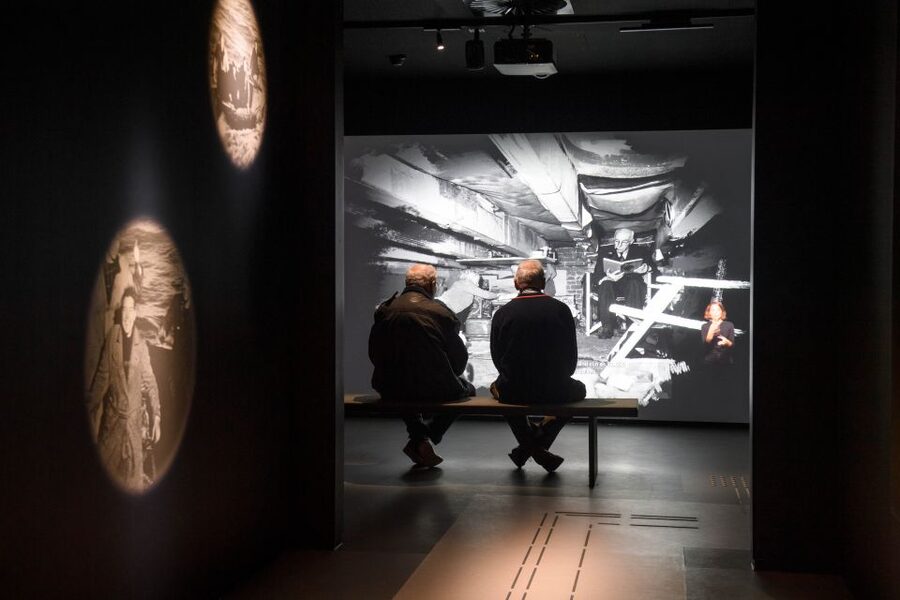
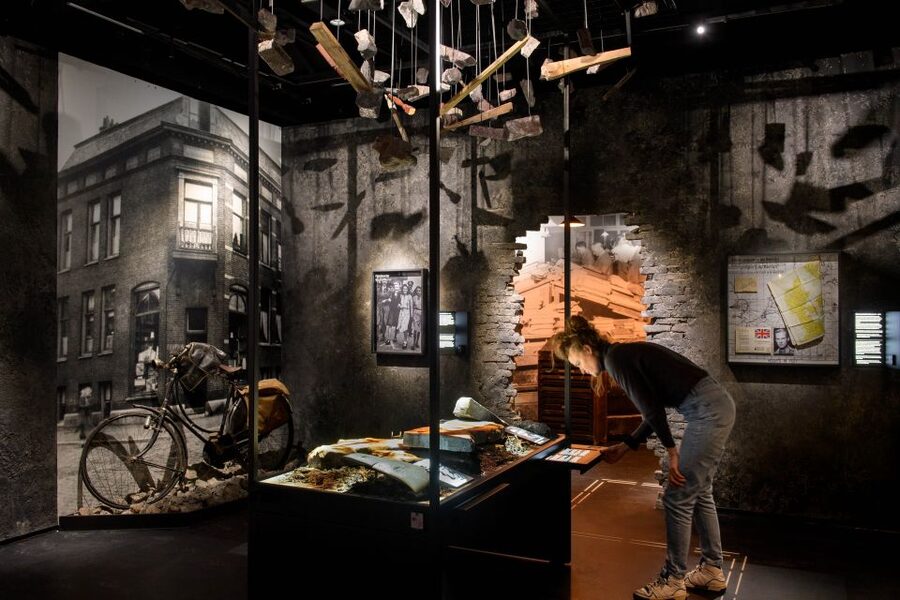
A lot of WWII museums show you big facts. This one tries to show you the texture of the period. You’ll wander among walls full of photos designed to recreate the atmosphere of the war years, and you’ll see stories anchored to items and documents.
This is where the museum earns its emotional weight. When the exhibition pairs images with personal papers and artifacts, it stops feeling like a history lecture. It starts feeling like people were actually living these dilemmas day after day.
Even the physical flow of the museum matters. Several people describe it as a place where there’s more to see the deeper you go. So don’t plan to do this in 45 minutes. Give it time. You want enough room to let your brain catch up with what you’re reading.
Audio guide system: how you listen and how long it can take
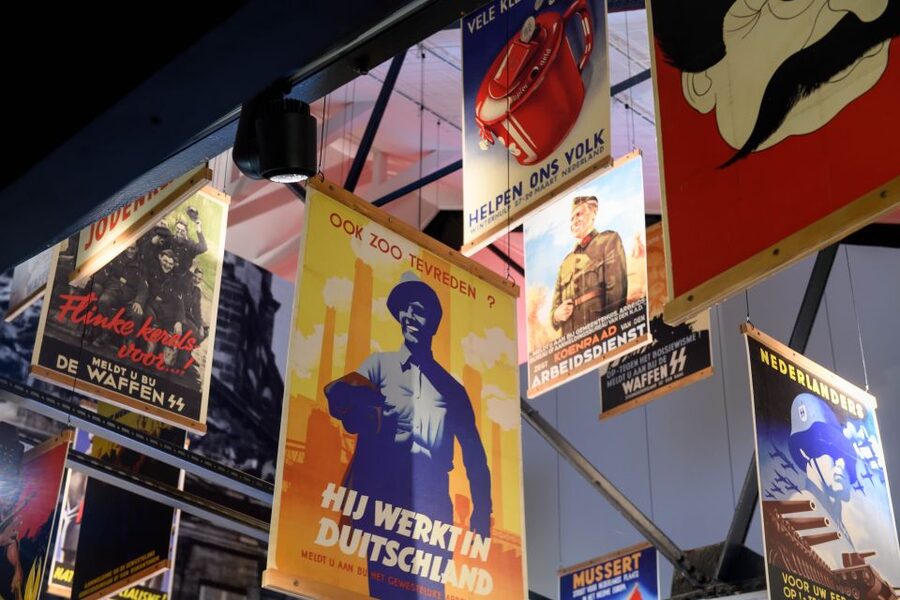
Your ticket comes with an audio guide, and the language options are broad: Dutch, English, French, German, Italian, Spanish, Portuguese. That’s a big practical win in Amsterdam, where visitors often mix languages.
What to expect while you’re using it:
- You’ll follow the museum’s story stations using the audio guide.
- The system is designed so you can focus on the exhibits you care about most instead of hearing everything in order.
- Many installations also support quick selection through scanning, which helps if you want to choose topics.
One practical tip: if you’re the type who gets distracted by shiny things, set a simple goal for yourself. For example: listen to every main story station in the resistance section, and then pick a few favorites in the rest. You’ll still finish, and you won’t feel like you missed everything.
The Dutch East Indies chapter: Japanese occupation and colonial connections
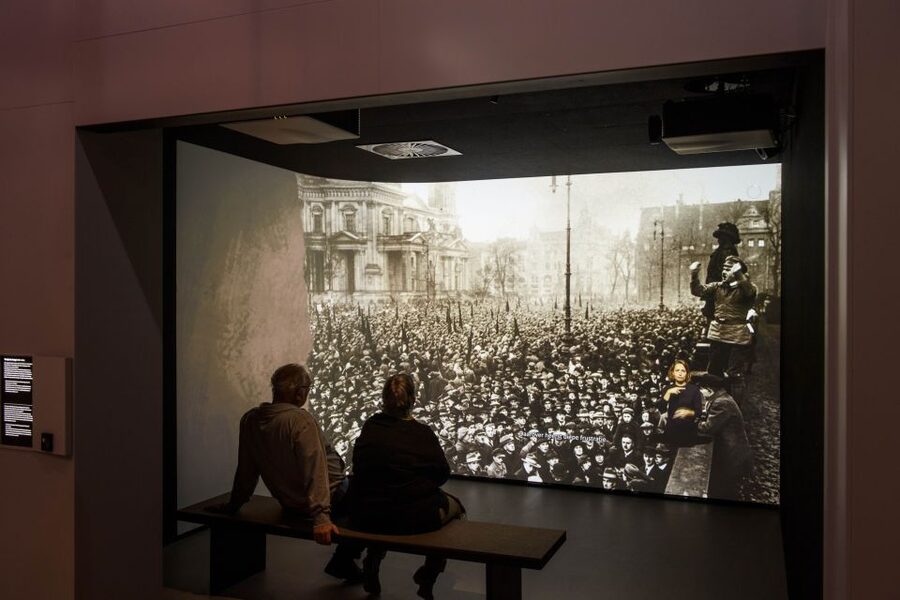
A dedicated section takes you beyond the Netherlands and into the Dutch East Indies. It covers harrowing experiences under Japanese regime terror—a subject many visitors may not have studied deeply before.
Why this part is valuable: it broadens the WWII story beyond Europe. It also helps you see how WWII trauma spread across continents and how colonial connections shaped what people experienced and survived.
If you do know the period already, you may still find this section important because it places these experiences inside the same museum framework of resistance, survival, and impossible choices. It’s not just an add-on. It’s treated as part of the full picture.
You can also read our reviews of more museum experiences in Amsterdam






Real dilemmas: resistance, collaboration, and what choices cost
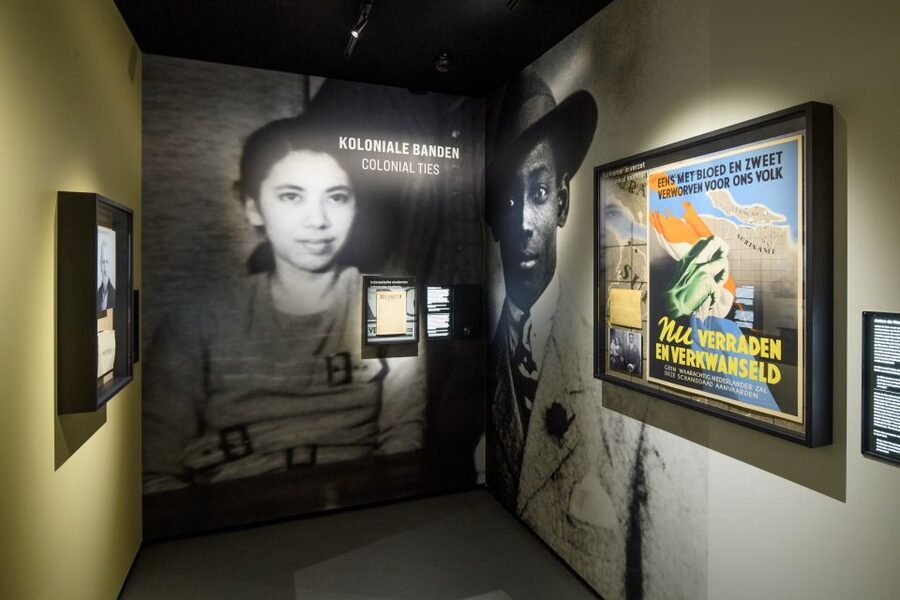
The museum doesn’t pretend life under occupation was simple. It highlights that people faced dilemmas when confronted with Nazi rule, and that forced choices came with real consequences.
The exhibition touches both:
- People who resisted, often in ways that weren’t glamorous but were essential.
- People who collaborated, because collaboration is part of the darker side of occupation history.
- The lived reality that sometimes survival meant making decisions you would never want to make.
This is one of those museum themes that can land differently depending on your background. If you want a morally tidy story, this may feel uncomfortable. If you want honest history, it’s one of the museum’s strongest points.
How long to plan: 2–3 hours is the sweet spot
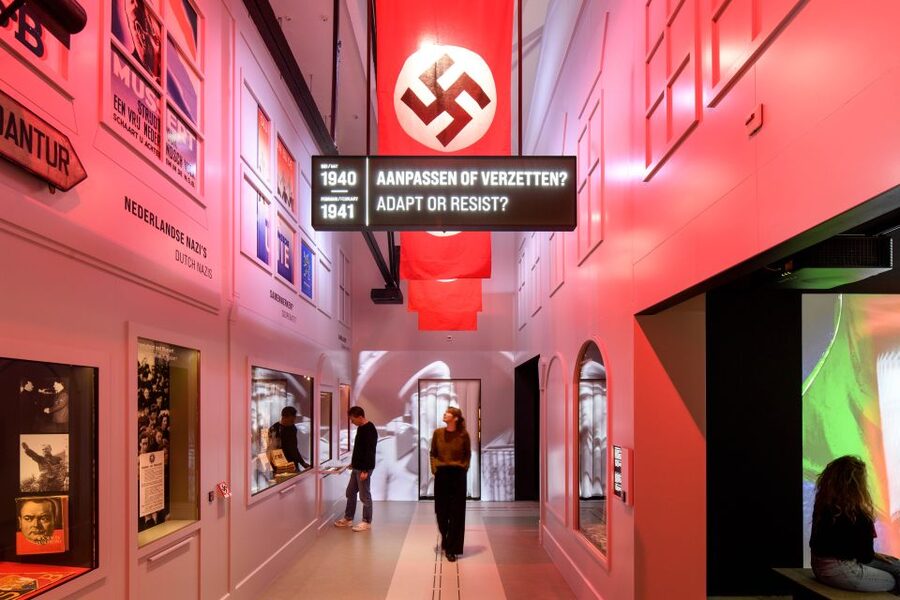
The activity is listed as valid for 1 day, but what you need in real time is more than that. Plan for a serious museum visit.
A practical rule: if you want to read, listen, and actually process what you’re seeing, aim for about 2–3 hours. Some people spend around that window and get through a lot of the stations at a comfortable pace. If you try to rush, you’ll likely feel like the museum is leaving you behind.
If you only have a short Amsterdam window, consider doing it first thing in your day. That way you won’t be too tired to read and listen carefully later.
Price and value: how $21 fits in Amsterdam
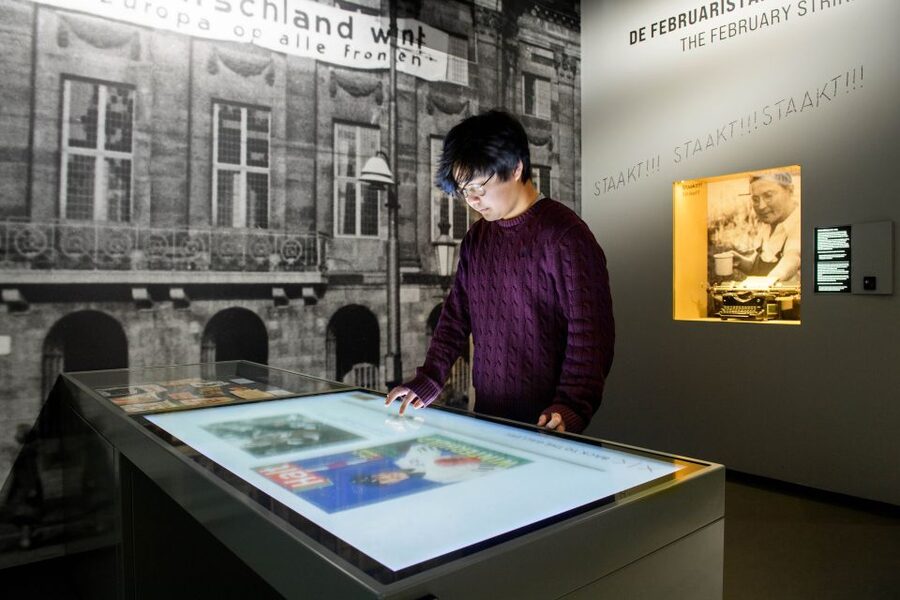
The ticket price is $21 per person. On paper, that’s easy to compare with other Amsterdam museum tickets. In practice, the value comes from what’s included.
You’re getting:
- Admission to a full museum experience
- An audio guide in many languages
And the pacing is flexible. That matters because you can spend time on the parts you truly care about rather than rushing through everything because a scheduled group is moving on.
It’s not a bargain museum, but it doesn’t feel overpriced for the amount of content, the mix of storytelling formats, and the fact you can control how much you listen. If WWII is even a little on your list, this is a strong spend.
Pairing ideas: build a WWII day without burning out
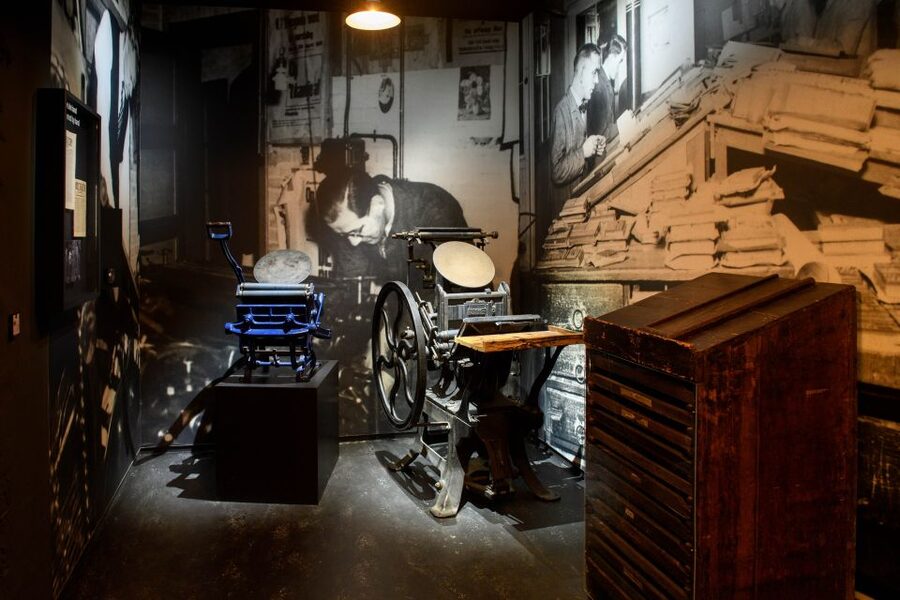
You can turn this into a focused WWII-themed day. Just don’t stack too much. This museum already carries a heavy mood.
One pairing idea you can consider: the area around Hollandische Schouwburg (now a memorial space) comes up often for people doing Amsterdam WWII history. It’s the kind of place that fits naturally after the museum because it keeps the timeline in your head.
If you want balance, pair with something lighter later in the day: a canal walk, a simple meal, or a short stop at a less intense museum. Your goal is to let your day end with steadier energy, not to keep your brain in the wartime setting all evening.
Who should buy this ticket
This ticket fits best if you:
- Want WWII history that focuses on ordinary people’s actions, not just famous figures
- Like museums that use objects, documents, and story stations rather than only panels
- Prefer self-paced learning with an audio guide in your language
- Are open to emotional content and want context for how occupation affects civilians
It might feel like too much if you:
- Want a purely upbeat museum day
- Strongly prefer guided, conversation-based experiences (since there’s no live guide included with this ticket)
- Have limited time and can’t realistically budget the recommended time to read and listen
Should you book this ticket for Amsterdam?
Book it if you’re the kind of traveler who likes to understand how history worked in real life. For the price, the audio guide, and the museum’s breadth—from resistance methods to the Dutch East Indies chapter—this feels like a high-value use of a few hours in Amsterdam.
Skip or reconsider if you need a lighter cultural day, or if you know you don’t cope well with heavy themes. In that case, save it for a calmer day or pair it with gentler activities to keep the whole trip balanced.
If your goal is meaningful history you can actually follow, this ticket is a solid yes.
FAQ
How long should I plan for the museum visit?
Most people should plan around a few hours to take in the exhibits and audio guide properly.
Is the audio guide included with the ticket?
Yes. The entry ticket includes an audio guide.
What languages are available for the audio guide?
The audio guide is available in Dutch, English, French, German, Italian, Spanish, and Portuguese.
Do I need a live guide with this ticket?
No. A guide is not included. You’ll explore using the museum layout and the included audio guide.
Where do I check in for my entry?
You show your ticket(s) at the museum counter.
Can I cancel if my plans change?
Yes, free cancellation is available up to 24 hours in advance for a full refund.
How does the reserve and pay later option work?
You can reserve now and pay nothing today, keeping your plans flexible.
Is the museum wheelchair accessible?
Yes. The museum is wheelchair accessible.