REVIEW · VINCI
Vinci: Entrance ticket to the Leonardiano Museum in Vinci
Book on GetYourGuide →Operated by Comune di Vinci · Bookable on GetYourGuide
Leonardo’s machines are no longer stuck on paper. In Vinci, you’ll visit the Museo Leonardiano, built around models inspired by Leonardo’s own drawings, plus digital animations that explain how they might have worked. It’s a smart, hands-on stop for anyone who loves the science side of the Renaissance.
I really like the way the museum ties each object to Leonardo’s thinking, using references to sketches and even handwritten notes. I also enjoy the blend of old-school craftsmanship and modern storytelling, especially the digital animations and interactive apps that make the concepts easier to follow.
One thing to consider: this ticket doesn’t include the Leonardo’s Birthplace, so if you want both, you’ll need to plan that separately.
In This Review
- Quick reasons to go
- The Vinci setting: a short trip that feels worlds from Florence
- Enter the Conti Guidi Castle (and why it’s more than a pretty backdrop)
- How the museum connects Leonardo’s sketches to working concepts
- The digital animations: where the machines stop being abstract
- What you’ll see: flying machines, war machines, and anatomy studies
- Your ticket: price, value, and what’s included
- Skip-the-line entry and the one practical step that matters
- Rules that affect your day: what you can bring (and what you can’t)
- Wheelchair access: good to know up front
- How long to plan: one-day ticket, flexible pacing
- Who this museum suits best
- Should you book the Museo Leonardiano ticket?
- FAQ
- What is included in the Museo Leonardiano ticket?
- Is the Leonardo’s Birthplace included with this ticket?
- Where do I exchange my voucher?
- How long is the ticket valid?
- How much does it cost?
- Can I bring food, drinks, or large bags?
- Do I need an ID?
- Is the museum wheelchair accessible?
Quick reasons to go
- Medieval setting: the museum route includes the Castle of the Conti Guidi
- Two-building layout: Palazzina Uzielli and the Conti Guidi Castle connect into one visit
- Sketch-to-model connections: you see the ideas behind the machines, not just the finished replicas
- Animations explain the mechanics: digital visuals show how the machines were meant to operate
- Hands-on science topics: you’ll see areas like flying machines, war machines, and anatomical studies
- Good value for one day: a one-day ticket with skip-the-line access (check available start times)
The Vinci setting: a short trip that feels worlds from Florence
Vinci is only about 40 km from Florence, and that distance matters. You still get the convenience of being close to a major hub, but you’re not stuck in the same fast, famous rhythm as Florence. Instead, you’re in the town where Leonardo was born and where his early ideas took shape.
The museum makes that connection in a physical way. You’re not just hearing about Leonardo’s imagination—you walk through a route that’s designed around the evolution of his studies, from drawings to models to explanations of how things work. That makes the visit feel more grounded than a generic “Leonardo highlights” stop.
If you’re coming from Florence for a day, I’d treat this like a focused mission: arrive, exchange your voucher, and give yourself enough time to read labels and watch the animations.
A few more Vinci tours and experiences worth a look
Enter the Conti Guidi Castle (and why it’s more than a pretty backdrop)
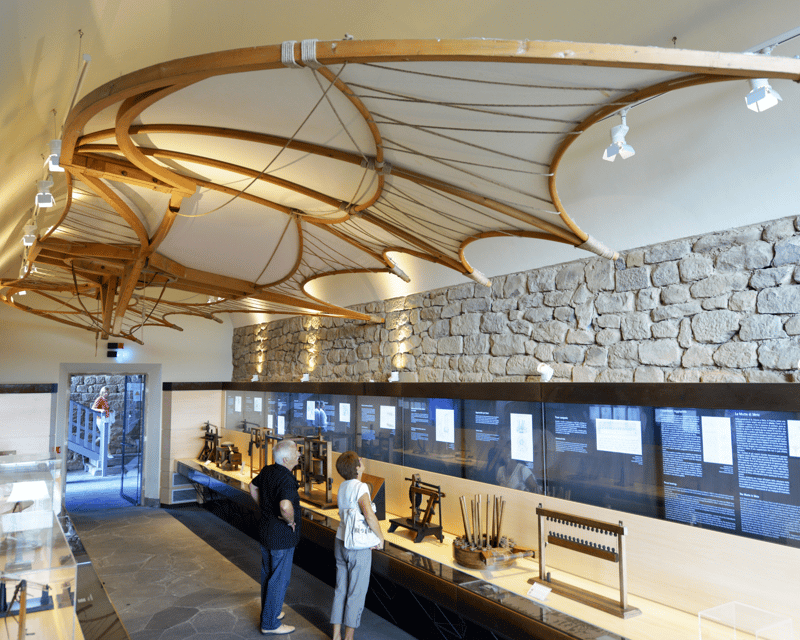
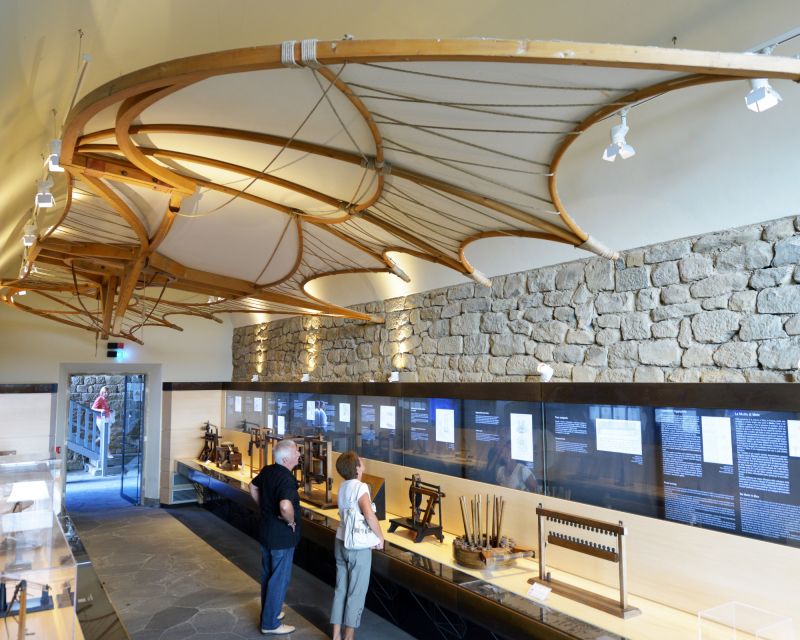
One of the best parts of the experience is the setting: you enter the medieval Castle of the Conti Guidi, which hosts the museum. That instantly changes the vibe. Leonardo is often presented in clean, museum-gallery terms, but here the architecture adds weight—like you’re stepping into the kind of space where big, mechanical ideas might have been debated and imagined.
The museum route is spread across two adjacent buildings:
- Palazzina Uzielli
- Conti Guidi Castle
That matters for pacing. You can move between spaces instead of getting “stuck” in one long room. It also helps keep your attention on the content, because the setting shifts as you go.
Practical note: you’ll be walking between buildings during the route, so comfortable shoes help.
How the museum connects Leonardo’s sketches to working concepts
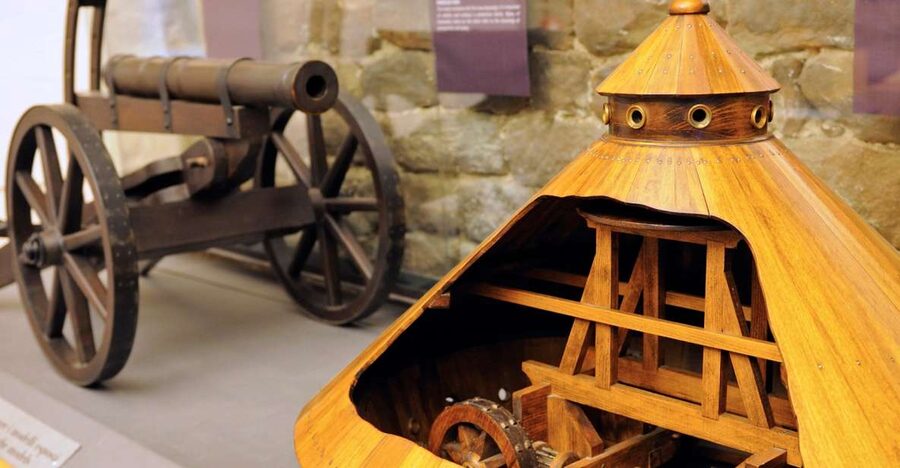
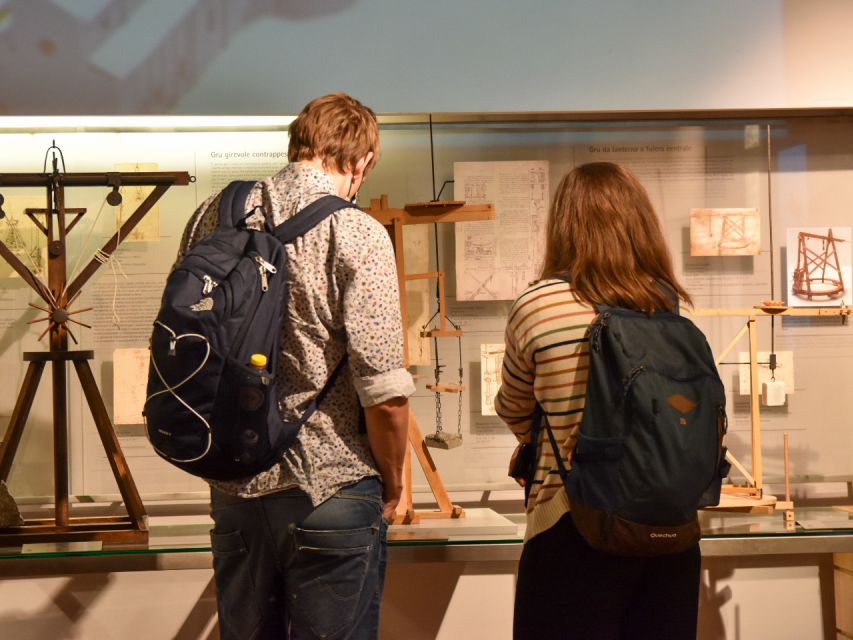
The Leonardiano Museum is built around one core idea: Leonardo the technologist, architect, and science-minded thinker. The museum’s models are reproduced from Leonardo’s studies, and the display captions aim to show what you’re looking at and why it exists.
What makes this especially useful for visitors is the way the information is layered. You’ll typically see:
- models that correspond to specific sketches or notes
- explanations that reference Leonardo’s handwritten material
- digital animation support and interactive apps
So instead of “machine, machine, machine,” you get a chain of reasoning. You’re more likely to understand what the machine was trying to do and how the design relates to Leonardo’s own work. If you’ve ever felt museum labels move too fast, this one gives you enough structure to slow down.
The digital animations: where the machines stop being abstract
A lot of Leonardo displays can feel like a museum version of a blueprint: impressive, but not always intuitive. Here, the museum leans into digital animations to show how the machines might have worked.
For you, that’s the difference between “I saw a model” and “I got it.” The animations and interactive applications add a layer of cause-and-effect. You can watch a sequence rather than trying to imagine movement from a static display.
If you’re the type who wants to understand mechanism—gears, motion, engineering logic—these parts are likely to be the highlight. Even if you’re not an engineering person, the visuals reduce the intimidation factor and make the route more enjoyable.
What you’ll see: flying machines, war machines, and anatomy studies
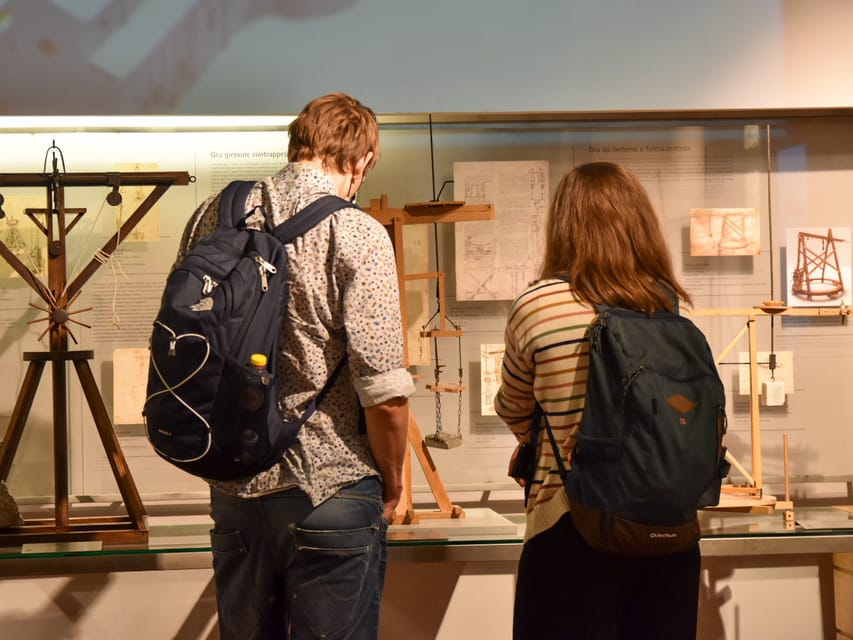
The museum covers multiple Leonardo interests, and the topics aren’t just themed for variety. They’re presented as parts of the same mind: curiosity plus problem-solving.
Here are the categories you can expect to run into during the route:
- Flying machines
- War machines
- Anatomical studies
The flying and war machine sections are naturally eye-catching, because they match the classic Leonardo imagination. But the anatomy material is the curveball that can make the visit feel more complete. It reminds you Leonardo wasn’t only designing machines—he was studying how bodies work, too.
If you’re visiting with mixed interests in your group, this is a good sign. You’ll likely find something that clicks, even if you weren’t sure you’d enjoy “science museums” at first.
Your ticket: price, value, and what’s included
The price is $12 per person, and for a one-day museum visit this is a fair entry cost, especially given what’s included. Your ticket covers:
- entry to the Museo Leonardiano
- the exhibition centre Leonardo and His Painting
So you’re not only buying access to machines. You’re also getting the painting/exhibition component, which can help balance the engineering focus.
The big thing to know: this ticket does not include entry to Leonardo’s Birthplace. If you want that too, plan a separate visit or booking.
Also, this is sold as a valid-1-day ticket. That’s good flexibility. You’re still going to choose your arrival timing based on available start times, but the ticket itself isn’t only for a tight, minute-by-minute appointment.
Skip-the-line entry and the one practical step that matters
This experience includes skip the ticket line, which is great in a smaller town museum where delays can happen when everyone arrives at once.
Still, there’s one step you can’t ignore. You must exchange your voucher at the ticket office of the Museum, located at Piazza Leonardo da Vinci 26. Plan to arrive with a few minutes for that exchange, especially if you’re visiting during a busy window.
After you swap your voucher, you’ll enter the museum route. The activity ends back at the meeting point (so you’re not thrown into a complicated “walk somewhere else” situation).
Rules that affect your day: what you can bring (and what you can’t)
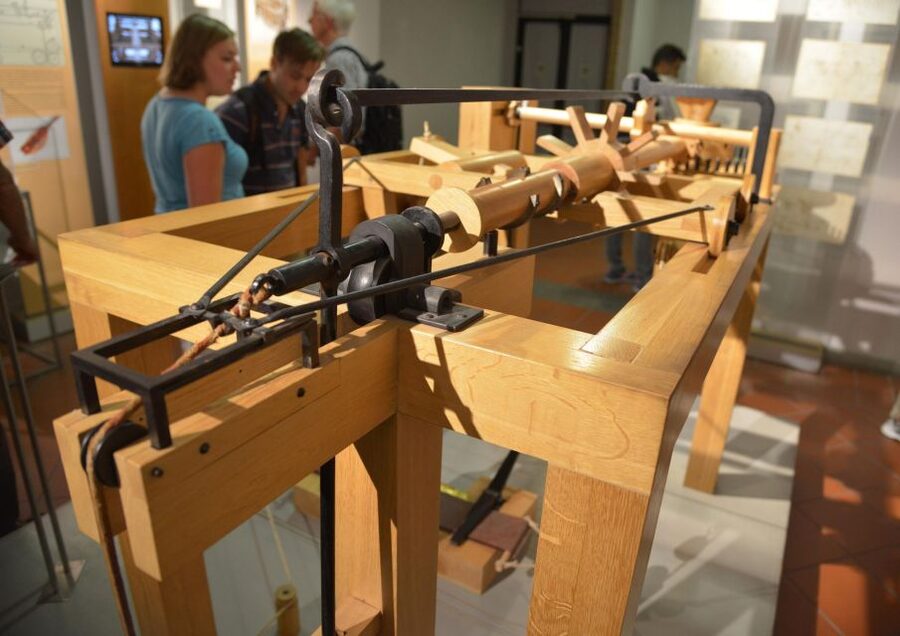
A museum visit can go smoothly or not, based on small rules. Here are the ones that matter most for planning:
- Bring passport or ID card.
- Don’t bring food and drinks.
- Don’t bring luggage or large bags.
- No pets.
If you’re traveling light, great. If not, think about leaving big items in your accommodation before you head to Piazza Leonardo da Vinci 26. That keeps your visit focused and reduces hassle at the entrance.
Wheelchair access: good to know up front
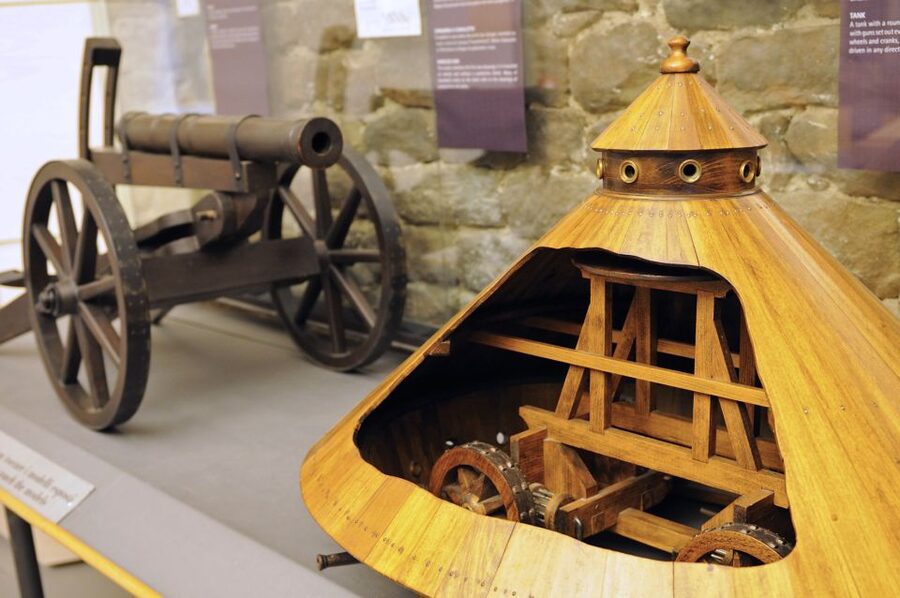
This activity is wheelchair accessible. Since the museum spans two adjacent buildings and you’ll move through exhibits and animation areas, the access note is a helpful reassurance if mobility matters for you.
If you’re using a wheelchair or mobility device, I’d still plan for some normal museum walking and turning space. But the listing does confirm accessibility.
How long to plan: one-day ticket, flexible pacing
The ticket is valid for one day, and start times depend on availability. That means you can match your visit to your schedule, rather than squeezing it into a strict, guided-hour window.
For timing, I’d treat it like a real museum morning or afternoon, not a quick “pop in for photos” stop. Between reading sketch references, moving between Palazzina Uzielli and the Conti Guidi Castle, and watching the digital animations, you’ll want enough time to actually connect the dots.
If you only have a short window, focus on the animated parts and the model sections tied to Leonardo’s handwritten notes. If you have more time, slow down and compare how different categories (flying, war, anatomy) are presented.
Who this museum suits best
This experience is a strong match if you enjoy:
- Leonardo for the engineering and scientific side
- museums where labels actually connect objects to the thinking behind them
- interactive explanations (especially animation-based ones)
It’s also a good choice for families with curious kids, as long as they can handle a bit of reading and attention to exhibits. The animations and interactive apps can help a lot here.
If you’re only looking for a quick “Leonardo sightseeing” checkbox, you might feel it’s more technical than expected. But if you want your visit to make sense—mechanically and intellectually—this museum is built for that.
Should you book the Museo Leonardiano ticket?
Yes, I’d book it if you like Leonardo’s machines more than his famous paintings, or if you want a museum that uses sketch-to-model explanations plus digital animations. The $12 price feels reasonable for what you get: a one-day visit to the Museo Leonardiano plus the Leonardo and His Painting exhibition centre.
I’d skip it only if you specifically want the Leonardo’s Birthplace in the same ticket, because this one does not include it. Also, if you hate spending time reading exhibit references, be aware this museum leans into those connections rather than keeping everything purely visual.
If you’re in the Florence area, I think Vinci is a smart use of time—close enough to be easy, different enough to feel like you traveled.
FAQ
What is included in the Museo Leonardiano ticket?
The ticket includes entry to the Museo Leonardiano and the exhibition centre Leonardo and His Painting.
Is the Leonardo’s Birthplace included with this ticket?
No. Entry to Leonardo’s Birthplace is not included.
Where do I exchange my voucher?
You exchange your voucher at the museum ticket office in Piazza Leonardo da Vinci 26.
How long is the ticket valid?
The ticket is valid for 1 day. You should check availability to see starting times.
How much does it cost?
The price is $12 per person.
Can I bring food, drinks, or large bags?
No food and drinks are allowed, and luggage or large bags are not allowed.
Do I need an ID?
Yes. You should bring a passport or ID card.
Is the museum wheelchair accessible?
Yes, the activity is wheelchair accessible.