REVIEW · TRICK EYE MUSEUM SINGAPORE
Sentosa: Trick Eye Museum Entrance Ticket
Book on GetYourGuide →Operated by GlobalTix Pte Ltd · Bookable on GetYourGuide
A room that tricks your eyes is always fun. Trick Eye Museum on Sentosa blends optical illusions with interactive AR art, so you’re not just looking—you’re posing, touching, and playing with what you see. It’s built for photos, but it’s also genuinely weird in a good way: 2D and 3D wall, floor, and ceiling prints that shift as you move.
I especially like the mix of hands-on interactions and the day-long flow through themed spaces, including fantasy and mystery-style galleries. You’ll also get an extra layer of fun through the XR Museum app, which adds hidden-word and magic-style effects to your photos and videos. The main thing to watch is timing: the museum runs 11:00 am to 7:00 pm, with last admission at 6:00 pm, so don’t plan to roll in late.
In This Review
- Key highlights to plan around
- Why Trick Eye Museum works (even if you hate tourist traps)
- Tickets, timing, and where you redeem on Sentosa
- The museum layout: six themed galleries plus four AR zones
- Eco Garden zone: where the illusion turns playful
- AR Trickeye (AR Effect room): your phone becomes part of the art
- Aqua Trickeye (AR Effect room): effects with a splashy theme
- Rainbow Garden: your final big-photo moment
- 2D and 3D prints on walls, floors, and ceilings: why it feels different
- The XR Museum app: hidden words and AR effects on your media
- Photo strategy that actually helps (not just pose-and-pray)
- What the experience feels like: fun, interactive, and sensory
- Price and value: is $20 a fair deal?
- Who should book the Sentosa Trick Eye Museum ticket?
- Should you book this ticket?
- FAQ
- What time does Trick Eye Museum open, and what is the last admission?
- Where do I redeem my ticket voucher?
- How long is the ticket valid?
- Is food included with the ticket?
- Do children need a ticket?
- What app do I need for the hidden word and AR effects?
Key highlights to plan around
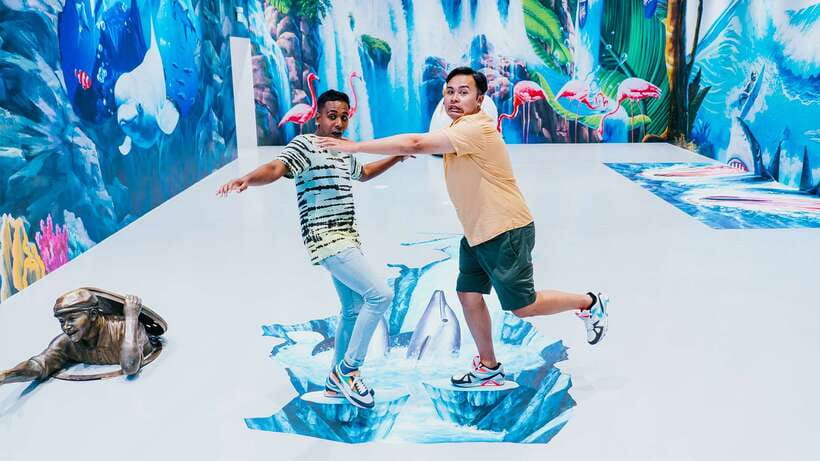
- 80+ optical illusions meant to trick your senses, not just decorate a room
- Four AR-powered themed zones that keep the experience moving
- XR Museum app effects that can add hidden animals, magic, fireworks, and more to your media
- Photo-first setups built for posing, leaning, and “standing inside” the illusion
- Multiple galleries spanning fantasy, adventure, mystery, and romance themes
- One ticket for one day of exploring, with entry times tied to availability
Why Trick Eye Museum works (even if you hate tourist traps)
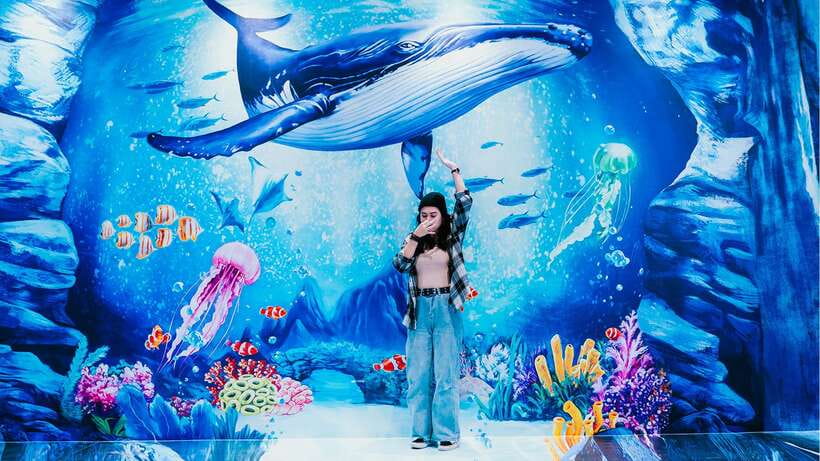
Trick Eye Museum’s secret is simple: it turns a museum visit into a game. The illusion style here isn’t the slow, quiet kind. You walk in, you notice the artwork starting to behave differently, and then you’re encouraged to interact—touching, listening, and moving through scenes so the illusion lands right on your camera.
I like that this experience doesn’t rely on one gimmick. Yes, the big hook is optical art. But the museum also adds interactive AR layers through specific rooms, plus the chance to activate extra effects using the XR Museum app. That combo means you get both the classic “wait, that’s not real” moment and the modern “my photo just changed” moment.
One more practical point: this is the kind of attraction where it’s easy to spend your time well. There’s plenty to do, and you’re not stuck watching a long script. If your group likes quick wins and lots of visual payoffs, it fits.
Tickets, timing, and where you redeem on Sentosa

This is an entry ticket for Trick Eye Museum Singapore on Sentosa. The price is $20 per person, valid for 1 day. Your exact entry start depends on availability, so it helps to book with a realistic plan for when you’ll arrive.
Operating hours are 11:00 am to 7:00 pm, and last admission is 6:00 pm. If you’re doing other Sentosa stops that same day, I’d set an internal rule: aim to arrive with enough cushion to get in before the cutoff, not after. The museum is designed for a full visit, so rushing near closing usually cuts the fun.
Redemption is straightforward. Present your mobile or printed voucher at the Trick Eye Museum Singapore Ticketing Counter at:
80 Siloso Road, Southside, Blk B, #01-04, 098969
Good to know for planning: food and drinks aren’t included, and the ticket doesn’t list hotel pickup/drop-off. So treat it like a self-managed attraction where you handle meals and getting there.
The museum layout: six themed galleries plus four AR zones

The ticket experience is more than one room. You’ll move through six themed galleries that cover fantasy, adventure, mystery, and romance vibes. On top of that, you’ll focus on four themed zones where 4D optical illusion + interactive AR technology come into play.
That structure matters because it keeps the day from feeling repetitive. Instead of “same style, different wall,” you get a steady rhythm: explore an illusion area, then hit an AR-style zone where your camera and phone experience the artwork differently.
Also, the exhibits aren’t limited to one surface. You’ll find optical prints on walls, floors, and ceilings, which is where this museum gets especially photo-friendly. When the illusion uses vertical and overhead space, your pictures feel like you’re inside the scene instead of standing in front of it.
Eco Garden zone: where the illusion turns playful
In the Eco Garden area, you’re stepping into a nature-themed space that’s designed for relaxed, fun interactions. The general idea of this zone is simple: use the art, then use your body in the art. You’ll often get better results by slowing down and trying a few different angles rather than snapping one quick shot and leaving.
This is also a good zone to start with if you want to warm up. The museum mixes regular optical illusion visuals with interactive components, and “garden” style scenes tend to be less stressful visually than high-contrast mystery rooms. If your group has different comfort levels with AR apps, you can get moving first and handle phone steps when you’re ready.
Drawback to keep in mind: because these places are built for photos, it can feel busy at peak times (even if the experience is indoor). If you want more breathing room for pictures, plan to go at a time that isn’t right at opening.
AR Trickeye (AR Effect room): your phone becomes part of the art
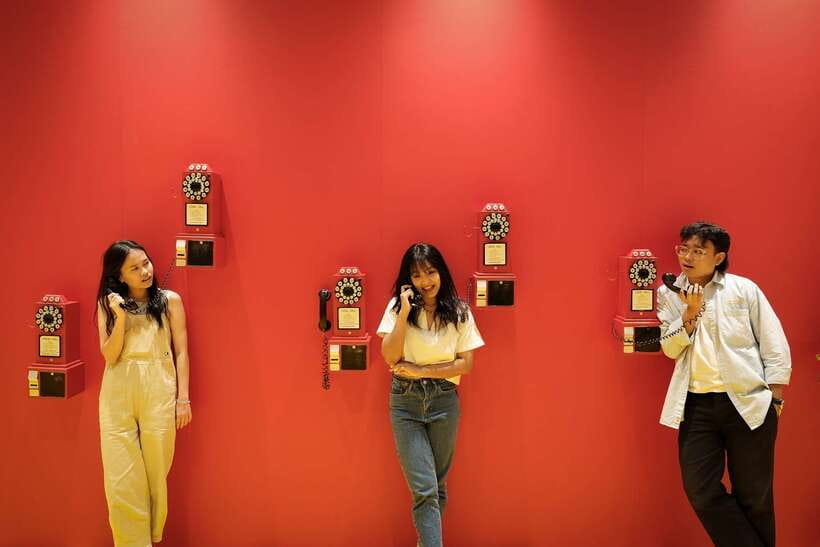
The AR Trickeye (AR Effect room) is where the museum shifts from optical illusion to augmented reality effects. This is the kind of space where you’ll likely keep looking at your screen after you take photos, because the point is to see the art react through the app.
Here’s what you should expect conceptually: the physical scene sets up the illusion, and then the AR layer adds extra motion and effects to your images and videos. The museum’s description also points you toward photo and video enhancement through the XR Museum mobile app, which is a core part of making this zone feel like more than just a room of prints.
Practical tip: charge your phone before you go, and make sure you can access the XR Museum app without delays. In rooms like this, you don’t want your camera session to stall while you hunt for settings.
Aqua Trickeye (AR Effect room): effects with a splashy theme

The Aqua Trickeye (AR Effect room) works like a sibling zone to AR Trickeye, but with a different themed setup. “Aqua” style areas usually feel more dynamic visually, and that tends to create more dramatic-looking photos.
If you like variety, this is a strong stop because the AR angle is repeated across themed contexts. You’re effectively running the same “illusion + AR effect” concept twice, which helps your brain catch up and enjoy it more the second time.
One consideration: if your group is split between people who want maximum photos and people who want to move faster, agree on a rhythm. For example, one person shoots while the other keeps the group moving to the next scene. This cuts down on delays without losing the fun.
Rainbow Garden: your final big-photo moment
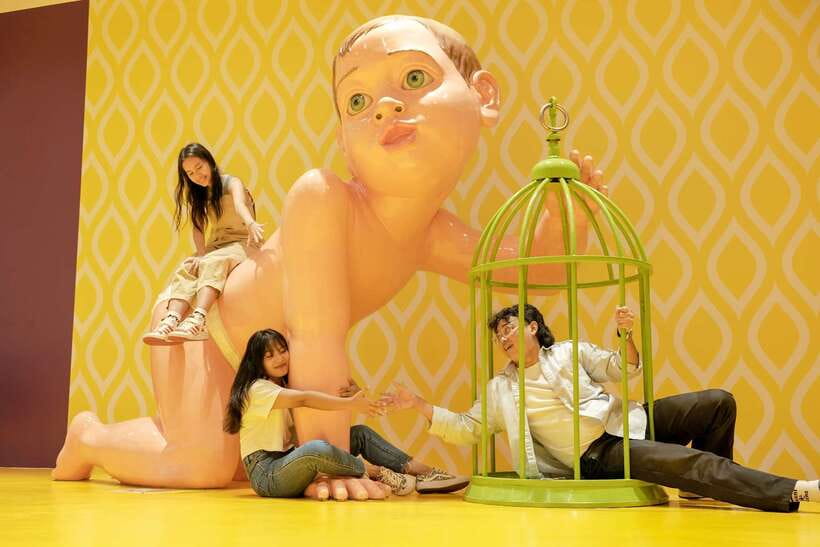
The Rainbow Garden is the final themed zone where you’re likely to see the museum’s more playful color-and-contrast design choices. This kind of ending area matters, because it gives you a chance to “reset” your energy before you head back out.
By the time you reach Rainbow Garden, you’ll be used to how the museum wants you to act: look at the artwork, reposition yourself, and treat the room like part of your photos. If you didn’t start taking photos right away, now is where you catch up quickly.
Also, this is a good place for a last-app check. If you didn’t get the XR Museum effects you wanted earlier, it’s easier to experiment after you’ve got the hang of the flow through earlier AR rooms.
2D and 3D prints on walls, floors, and ceilings: why it feels different
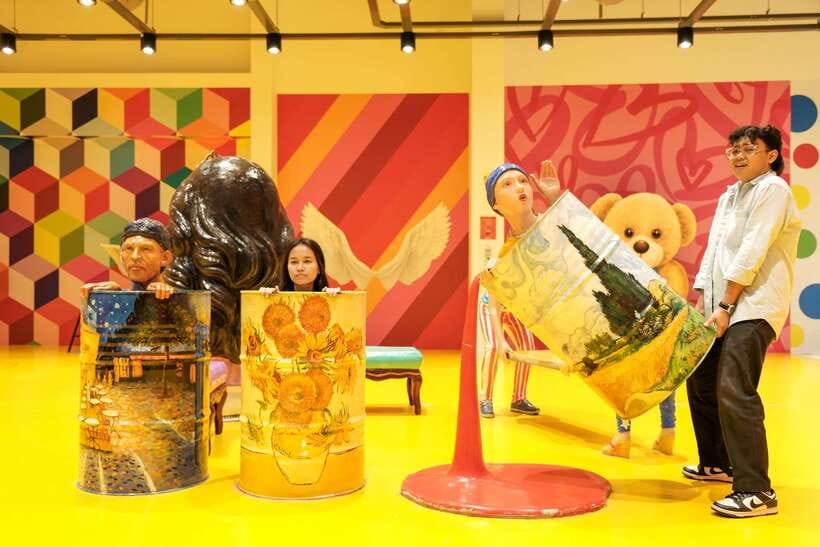
Optical illusion museums can be hit or miss. The ones that feel weak usually rely on one flat trick. Trick Eye Museum is stronger because it uses multiple surfaces and types of print.
You’ll encounter 2D and 3D printings that use perspective to make objects look real, and the artwork wraps into a larger scene rather than sitting like a poster. When you add ceilings and floors, you can take photos that look like you’re standing on something impossible—or reaching toward something that isn’t really there.
And the interaction component is important. The museum’s concept is that you can play, touch, listen, and interact with the pieces. That means you should keep an eye out for prompts or ways the installation expects you to behave. Even small movements can change how the illusion reads on camera.
The XR Museum app: hidden words and AR effects on your media

The AR isn’t just about what you see in the room. The museum also builds an extra layer through the XR Museum mobile app.
From the information provided, the app lets you:
- find a hidden word that’s only seen through the app
- watch your photos and videos come alive with effects
- encounter effects like hidden animals, magic, fireworks, and other special effects
This is a big value point because it adds replayability. Even if you’ve already enjoyed an exhibit on sight, the final payoff happens when you review your own pictures and see added elements.
Practical approach for smoother results:
- open the app before you start taking photos
- keep your phone camera handy
- expect you may need a couple of tries to get the angle right for an effect to appear the way you want
If your phone battery is low or the app is slow to load, the AR layer becomes less fun. Plan to treat this as an app-powered attraction, not a “walk in and hope” museum.
Photo strategy that actually helps (not just pose-and-pray)
Since a lot of the experience is designed for images, you’ll get better results with a simple plan.
- Take the wide shot first. Capture the full scene while you’re still oriented. Then you can move in for close-ups.
- Change your angle, not just your smile. Optical illusions often depend on perspective. If the effect looks off, try stepping left or right rather than only changing how you stand.
- Use the ceiling and floor setups. If there are illusions on overhead surfaces, treat them like a “frame.” Those tend to look most surprising in photos.
- Do AR zones in a rhythm. Do one AR stop fully, then move. Don’t scatter your attention across rooms without getting a few solid images.
The museum description also suggests you should bring a camera. That’s a good cue: this place is built for capturing the nonsense in a way that looks convincing, even if it’s all optical tricks and AR effects.
What the experience feels like: fun, interactive, and sensory
The museum’s “play” focus makes it easier to enjoy even when you’re not a die-hard art person. You’ll encounter more than 80 optical illusions, and the installations are designed so you’re constantly switching from observing to interacting.
You can also expect a mix of fantasy-style settings. That’s where the six themed galleries come in—worlds shaped around fantasy, adventure, mystery, and romance. This matters because it gives you variety in mood, which keeps the visit from feeling like the same trick repeated.
Also, this is a good reminder: optical illusion art rewards attention. If you rush, you might miss the moment when the trick clicks. If you slow down by even 10–15 minutes during each zone, your pictures and enjoyment tend to improve.
Price and value: is $20 a fair deal?
At $20 per person, the ticket is priced like a single-entry attraction, not a half-day tour. Whether it feels like a good value comes down to your expectations.
You’re getting:
- entry to a museum-style attraction built around 80+ illusions
- access across multiple themed areas, including four AR effect zones
- AR features that add effects to your photos and videos through the XR Museum app
If you like interactive exhibits and photo-friendly environments, this price often feels fair because you get a full activity experience, not just a walk-by museum. If you expect quiet, traditional art viewing, it may feel too playful for your taste.
My practical rule: if your group will take photos and enjoy hands-on interactions, you’re likely to get your money’s worth. If nobody in your group cares about photos or AR effects, you might want to treat this as a “one try” experience rather than a top priority.
Who should book the Sentosa Trick Eye Museum ticket?
This ticket fits best if you want:
- a family-friendly activity (kids 4–12 need tickets; under 4 don’t)
- something that’s easy to do without heavy planning
- a clear “activity payoff” with lots of visuals
- a mix of art and technology, with interactive elements
It’s also a strong choice for mixed-age groups because the experience is self-paced. Everyone can enjoy the illusions at their own speed, and the AR app gives people a different way to participate.
If you’re traveling solo, it’s still worthwhile, since the scenes are designed around camera-ready moments. You might just spend more time setting up shots for yourself.
Should you book this ticket?
Book it if you want a concrete, hands-on Singapore attraction where the main event is optical illusion + AR effects. The $20 price makes sense when you plan to actually use the XR Museum app and spend real time taking pictures across the AR rooms.
Skip or deprioritize it if your group is looking for a traditional museum vibe with minimal interaction and no phone-based extras. This place is built for moving, posing, and playing with what you see.
If you do book, go earlier in the day when you can, and treat it like a photo-and-interaction activity. That’s when Trick Eye Museum on Sentosa gives you the most satisfying payoff.
FAQ
What time does Trick Eye Museum open, and what is the last admission?
Operating hours are 11:00 am to 7:00 pm, with the last admission at 6:00 pm.
Where do I redeem my ticket voucher?
Present your mobile or printed voucher at the Trick Eye Museum Singapore Ticketing Counter at 80 Siloso Road, Southside, Blk B, #01-04, 098969.
How long is the ticket valid?
The ticket is valid for 1 day. Entry start times depend on availability.
Is food included with the ticket?
No. Food and drinks are not included.
Do children need a ticket?
Adults are ages 13 to 59. Children are ages 4 to 12 and need a ticket. Children below age 4 do not require a ticket.
What app do I need for the hidden word and AR effects?
Download the XR Museum mobile app to access the hidden word and to see AR effects on your photos and videos.