REVIEW · POMPEI CAMPANIA
Pompeii: Virtual Museum ticket
Book on GetYourGuide →Operated by TOURISTATION · Bookable on GetYourGuide
One big ash cloud happens fast. This Pompeii Virtual Museum ticket helps you picture the city right before the disaster, with animated 3D reconstructions and scenes from everyday Roman life. You’ll walk through reconstructions of major places like the Forum, baths, and amphitheater, then end with the eruption that erased Pompeii in AD 79.
What I like most is how the experience gives you context before you see the real ruins. If you’re pairing it with Pompeii itself, the virtual part helps you recognize spaces and get the story straight. I also like the practical add-ons: you get a paper city map, assistance at the Touristation Office, and free Wi‑Fi while you’re there.
One drawback to keep in mind: this is not a guided tour of the archaeological site, and it doesn’t include things like an audio guide or entry to Villa dei Misteri. If you’re expecting a full-on host walking you through Pompeii’s ground-level remains, plan on doing that separately.
In This Review
- Key things to know before you go
- Getting Started at IBT Center/Touristation: fast entry, real help
- Pompeii in 3D: Forum, baths, and amphitheater you can actually picture
- Daily life on the virtual streets: banquet scenes and the Lupanar
- The eruption finale: Vesuvius as the turning point
- Optional add-on: using a skip-the-line ticket for Pompeii’s archaeological area
- Price and timing: is $14 good value for what you get?
- Practical rules that can shape your experience
- Who this Pompeii Virtual Museum ticket is best for
- Should you book the Pompeii Virtual Museum ticket?
- FAQ
- Where is the meeting point for the Pompeii Virtual Museum ticket?
- How long does the Pompeii Virtual Museum experience take?
- What is included with the Pompeii Virtual Museum ticket?
- Is the Pompeii archaeological area ticket included?
- Do you get a guided tour or an audio guide?
- Is entrance to Villa dei Misteri included?
- Can I take photos inside the virtual museum?
- Are pets allowed?
- Is the experience available in French?
Key things to know before you go
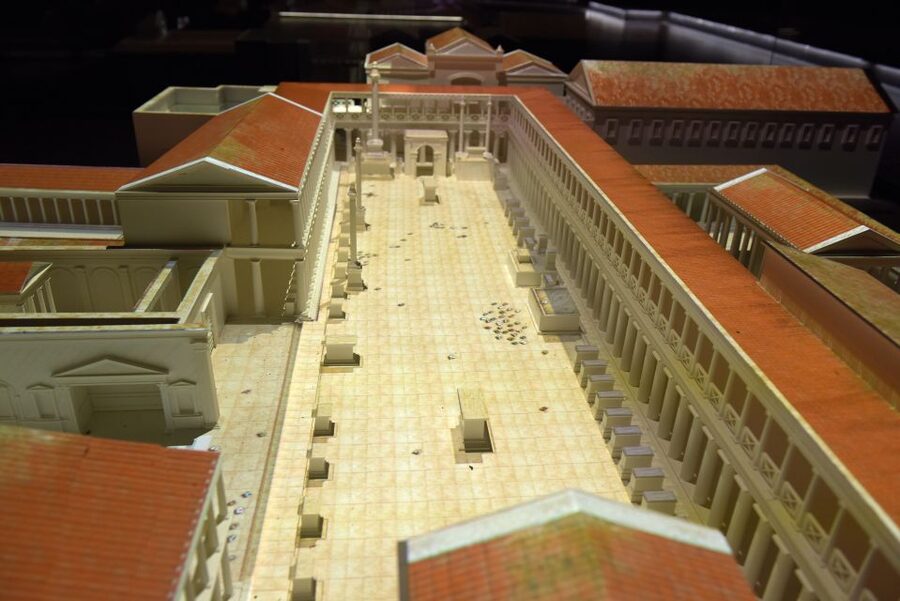
- 3D reconstructions of major locations like the Forum, baths, and amphitheater
- Animated views from above to help you understand the layout
- Daily-life scenes including a Roman banquet area and the Lupanar
- A clear AD 79 eruption finale tied to what happened to the city
- Optional archaeological-site entry with a skip-the-line ticket (only if you select it)
Getting Started at IBT Center/Touristation: fast entry, real help
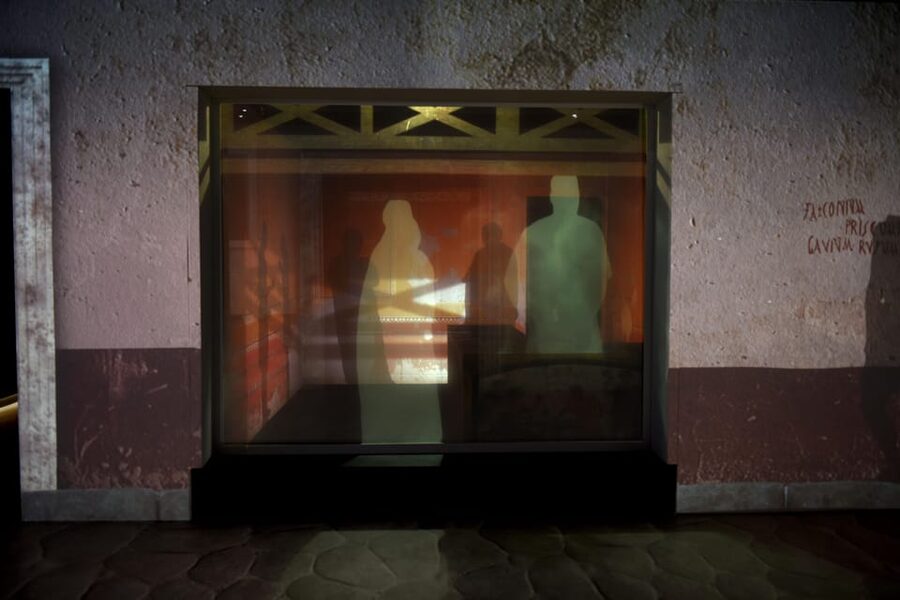
Your visit starts at the Office called IBT Center/Touristation, next to Chalet Donna Lucia. This matters because it’s not just a random museum room—there’s real staff assistance to get you set up and pointed in the right direction.
When you arrive, you should expect reserved ticket handling plus help from the Touristation Office staff. You’ll also get a paper city map, which is a small detail, but it’s useful when you later connect the virtual spaces to the real archaeological layout. There’s also free Wi‑Fi, which can help if you want to look up a plan or check your next stop.
Plan around the fact that the experience duration can be 30 minutes to 4 hours. That range usually means there are different starting times or different pacing depending on how much you explore, pause, and rewatch parts. If you want a quick overview, choose a start time that gives you buffer for Pompeii afterward.
Pompeii in 3D: Forum, baths, and amphitheater you can actually picture

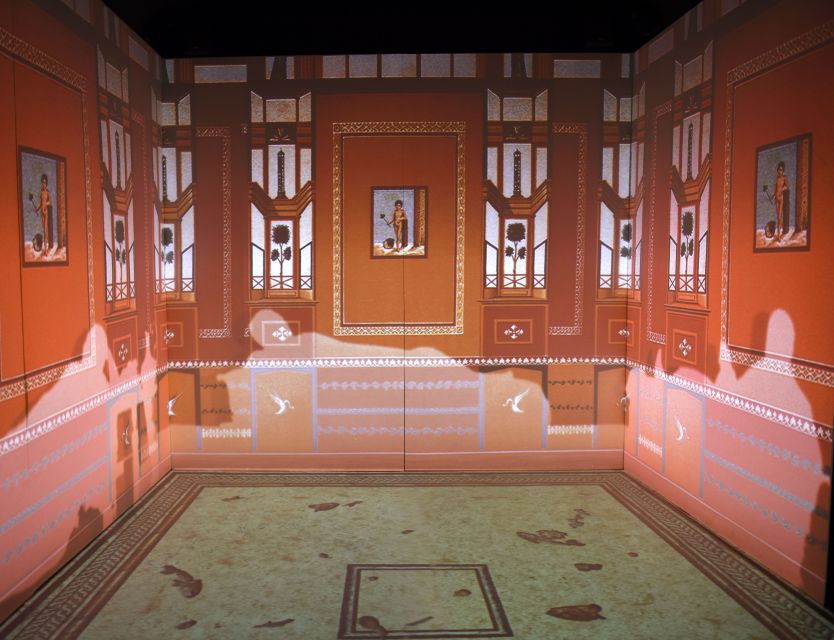
The heart of the ticket is a reconstruction of part of ancient Pompeii—built so you can see what daily life looked like and what key public buildings may have been like. Instead of only reading about Pompeii, you get 3D spaces that you can move through in a way that’s easier to remember later.
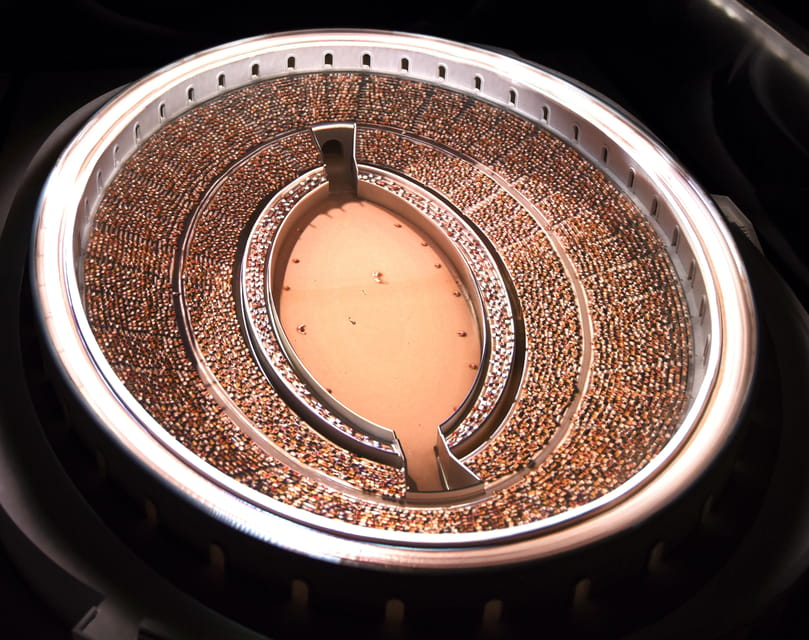
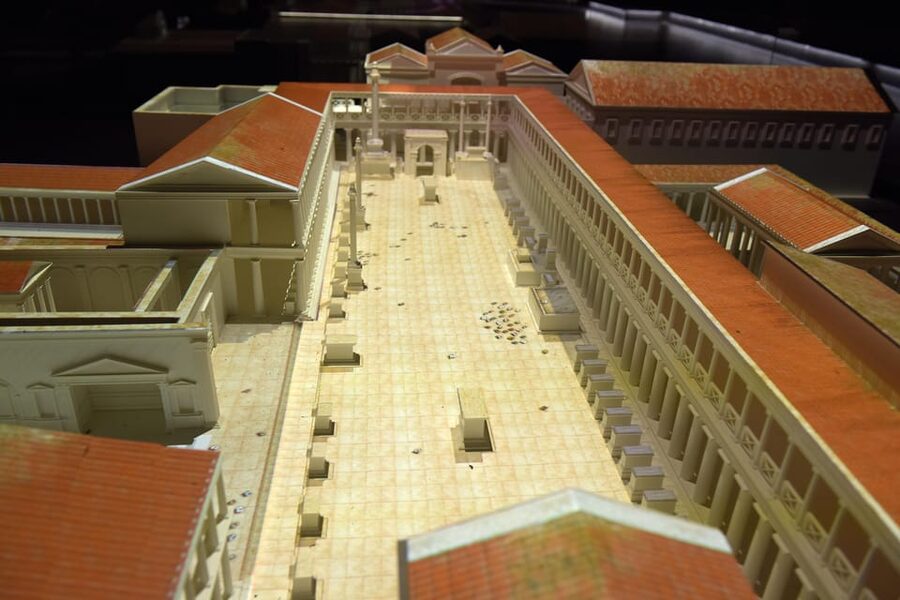
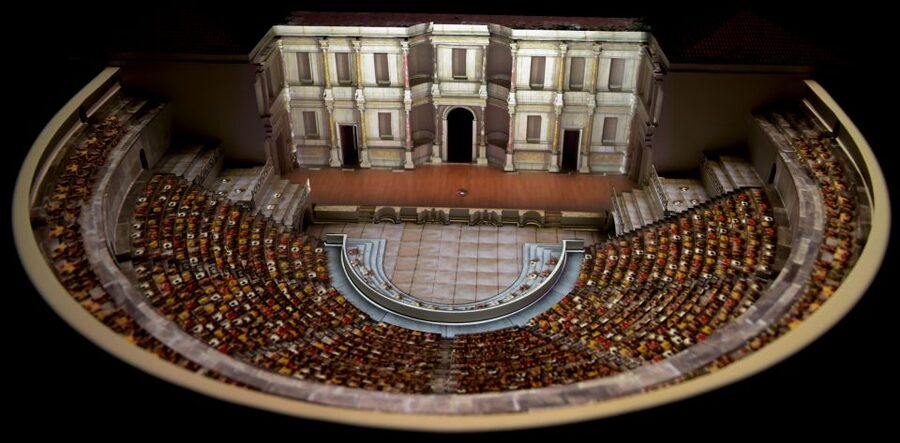
You’ll see animated reconstructions of famous spots such as the Forum of Pompeii, the baths, and the amphitheater. The experience isn’t just eye-candy either—those animations are designed to show how the places fit together. You also get views from above, which is one of the best ways to understand an archaeological site where so much is now ruins and outlines.
Here’s the practical benefit: when you later stand among stones at the real site, you’re not starting from zero. You’ll likely find it easier to connect “this open area” or “this curved structure” to the larger building you saw virtually.
Daily life on the virtual streets: banquet scenes and the Lupanar
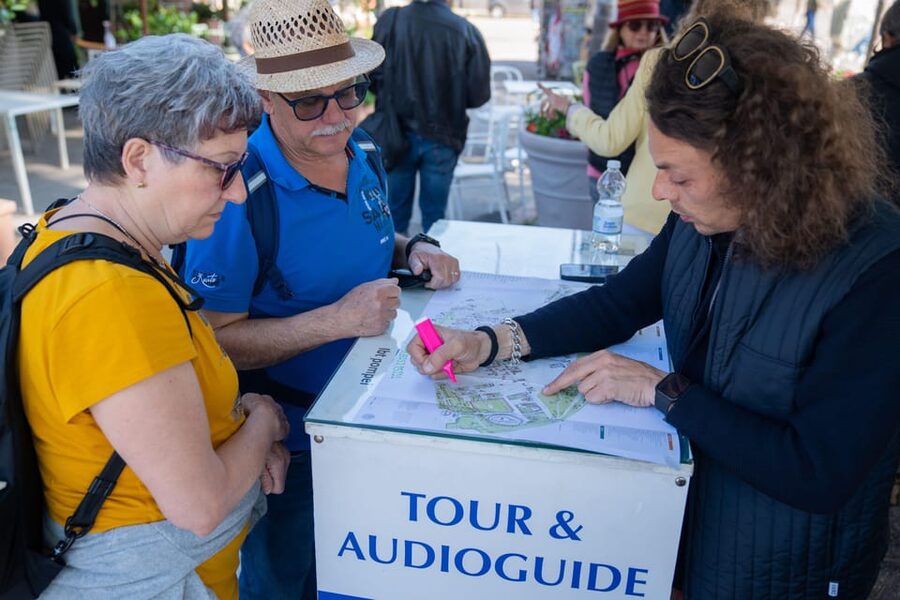
One of the most interesting parts is how the virtual experience focuses on people, not just stone. You’re guided through moments that feel like you’re stepping into daily routines—then you stop at spaces tied to how Romans ate, met, and spent leisure time.
You’ll “stroll the streets” and then find scenes like a Roman banquet and the Lupanar. The Lupanar is described around the idea of debauchery, which signals that the museum isn’t trying to sanitize Pompeii’s social reality. It’s the kind of detail that can make the whole story feel more human.
You also get reconstructions of houses and major buildings so you can understand how people lived and moved through the city. The goal is for you to become a protagonist in the experience—basically, you’re watching the city function rather than just memorizing names.
If you like stories about ordinary life—how rooms worked, how spaces were used, where people gathered—you’ll likely enjoy these segments most. And if your only goal is “see the big buildings,” you may still like them, since they provide reasons for why those buildings mattered.
The eruption finale: Vesuvius as the turning point
The experience ends with the eruption of Vesuvius, the catastrophe that ended Pompeii’s life in AD 79—but also made it last in time. That ending is the emotional payoff. After walking through the city’s routines and landmarks, the eruption reframes everything you just saw.
This is where the virtual museum earns its keep for a lot of people. Seeing Pompeii’s public spaces and everyday moments makes the final disaster feel personal rather than abstract. It also helps you understand the scale of what changed when the volcano erupted, including how that event shaped what’s left for us to explore today.
One practical tip: don’t rush the ending. If you’re planning to go to the archaeological area right afterward, this finale is what gives the real site extra weight.
Optional add-on: using a skip-the-line ticket for Pompeii’s archaeological area
You can add entry to the Pompeii archaeological area if you select that option. If you do, you’ll get a skip-the-line ticket included with the virtual museum booking (the skip-the-line benefit is tied to the add-on selection).
Without the add-on, you’ll still do the full virtual experience, but you’ll need to purchase archaeological-site entry separately. Also note a couple of “don’t expect it all” items: the ticket doesn’t include Villa dei Misteri.
Think of the optional real-site visit like this: the virtual part helps you understand the “map in your head.” Then, at the archaeological site, you can verify what you saw virtually and connect reconstructions to actual remains. That’s usually the best way to make time in Pompeii feel like more than just walking and taking photos.
Also keep in mind rules inside the experience area: photography is not allowed inside the virtual museum. If you want to take photos for later memory, plan to do your photography at the real site instead.
Price and timing: is $14 good value for what you get?
At $14 per person, the value depends on what you’re looking for. For this price, you’re buying a ticket to a virtual museum experience that includes reserved entry, assistance at the Touristation Office, a paper city map, and free Wi‑Fi. If you select the add-on, you also gain an archaeological-site skip-the-line ticket.
What’s not included is equally important. There’s no guided tour included, no audio guide, and no food or drinks. If you’re the type who needs a human guide to answer questions as you walk, you might find the experience feels more self-guided than you expected. One review also described the experience as interesting but not worth the cost—often that comes from a mismatch between expectations and what’s actually included.
Timing can also affect your sense of value. Because the experience can run from 30 minutes to 4 hours, give yourself enough time to slow down. If you try to cram it between other commitments, you may not get the full benefit of watching the animated reconstructions and taking in the daily-life scenes.
Practical rules that can shape your experience
Before you go, scan the do-not-list carefully. Inside the Pompeii Virtual Museum experience, these are not allowed: pets, food and drinks, luggage or large bags, and photography.
That means you’ll want to travel light. If you’re coming from a hotel with luggage, plan for where you’ll store bags before the museum visit—because bringing large bags inside is a problem. And if you’re a photo person, mentally switch to “view-only” mode in the virtual setting.
On the animal side, pets are not allowed inside the virtual museum. If you add archaeological-site entry, small dogs are permitted there with rules: they must be on a leash and carried when inside buildings. That’s useful if you’re traveling with a small dog, but it’s tied to the archaeological area, not the virtual portion.
If you’re planning language support, French guidance is supported by at least some sessions. One standout experience involved a mediator who guided visitors in French and helped connect the reconstructions to real Pompeii you’ll see later.
Who this Pompeii Virtual Museum ticket is best for
This ticket works best if you want Pompeii to make sense fast. If you arrive at the archaeological site feeling overwhelmed by how much is now ruin and layout, the virtual reconstructions can give you a mental picture you can use right away.
It’s also a good fit if you like:
- 3D and animated explanations rather than long readings
- learning about daily routines and building use, not just famous monuments
- a smoother start to Pompeii, especially if you’re short on time
If you’re the kind of traveler who expects a full guided walkthrough at the ground level, you might feel limited since there’s no guided tour included and no audio guide. In that case, you’d likely get more satisfaction by combining this ticket with a separate Pompeii guided tour at the real site.
Should you book the Pompeii Virtual Museum ticket?
I’d book it if you’re planning to visit Pompeii’s archaeological area and you want a head start on what you’re about to see. The 3D landmarks, the animated views, and the daily-life scenes make the eruption finale land harder—and they can help the real site feel less random.
Skip it only if you’re expecting a guided tour experience or you already plan to have all your learning covered by a guide at Pompeii. Also think twice if you’re very photo-driven since photography is not allowed inside the virtual museum, and you’ll need to keep your memories focused on what you observe.
FAQ
Where is the meeting point for the Pompeii Virtual Museum ticket?
You should report to the Office called IBT Center/Touristation next to Chalet Donna Lucia.
How long does the Pompeii Virtual Museum experience take?
The duration can range from 30 minutes up to 4 hours, depending on availability and starting times.
What is included with the Pompeii Virtual Museum ticket?
It includes a reserved ticket for the Pompeii Virtual Museum, a paper city map, assistance at the Touristation Office, and free Wi‑Fi.
Is the Pompeii archaeological area ticket included?
The archaeological area ticket is not included unless you select the optional add-on entry. If selected, a skip-the-line ticket for the archaeological area is included.
Do you get a guided tour or an audio guide?
No. A guided tour and an audio guide are not included.
Is entrance to Villa dei Misteri included?
No, entrance to Villa dei Misteri is not included.
Can I take photos inside the virtual museum?
No. Photography inside is not allowed.
Are pets allowed?
Pets are not allowed.
Is the experience available in French?
French guidance is supported for at least some sessions, based on an available French-mediated experience.