REVIEW · PERTH
Perth: Video Game Console Museum
Book on GetYourGuide →Operated by The Nostalgia Box · Bookable on GetYourGuide
Retro gaming, but with real buttons.
At The Nostalgia Box, the fun isn’t just looking back—it’s actually playing classic consoles spanning the 1970s to the 2000s, in a museum set up for hands-on time. I love the chance to see how gaming tech evolved through 100+ consoles, and I love that the staff can help you get the games you want running so you spend less time fumbling and more time playing. One drawback to plan around: your visit is sold as a minimum 1 hour, so if you have a long list of favorite games, you’ll want to pick your top picks first.
This is also one of the rare Perth stops that works for both generations. You can come for your own memory lane, then watch kids and teens learn fast by doing—hitting buttons, learning patterns, and chasing high scores. Just keep in mind they can close early or open late for private events, so check the day’s public hours if your timing is tight.
In This Review
- Key highlights at a glance
- A playable time machine in Perth
- What you’ll see: 100+ consoles from the 1970s to the 2000s
- Hands-on retro gaming: Pong to Crash Bandicoot
- Why this museum format works better than a typical display
- Planning your 1-hour visit: how to make it feel longer
- Price and value: is $12 worth it?
- Who should book (and who might want a different plan)
- Practical notes that affect your day
- Should you book the Perth Video Game Console Museum?
- FAQ
- How much does the Perth Video Game Console Museum cost?
- How long is the visit?
- Can I choose when to visit within opening hours?
- What consoles and game eras are included?
- What games can I play?
- Are kids allowed?
- Is the museum wheelchair accessible?
- Are staff available to help during your visit?
- What if the museum hours change due to private functions?
Key highlights at a glance
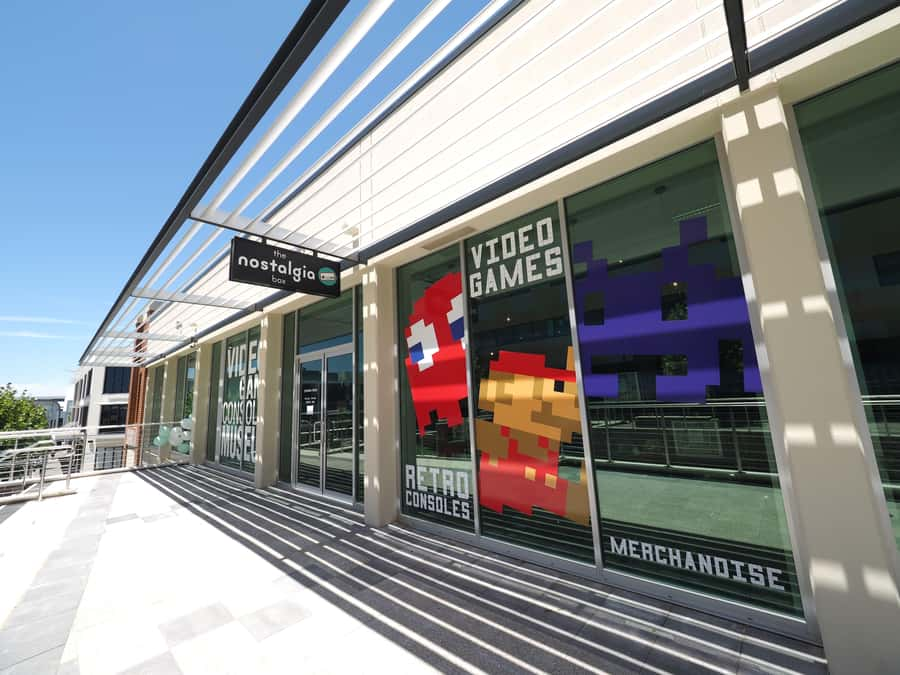
- 100+ classic consoles (1970s to 2000s) in one place, showing how systems and games grew up together
- Hands-on play with titles like Pong, Space Invaders, Donkey Kong, Super Mario, Sonic, Alex Kidd, and Crash Bandicoot
- Staff help you get set up quickly, including loading the games you want to play
- A visit that can be quiet or competitive: you can chat, sit back, or challenge someone to a score
- Family-friendly by design, including a simple rule for under-10s that keeps visits smooth
A playable time machine in Perth
If you’ve ever wished a museum felt more like an arcade crossed with a gadget workshop, this is that idea, done in a straightforward way. The Nostalgia Box, in Perth, is a video game console museum where you don’t just walk past old machines—you get to play them.
The overall payoff comes from the mix: you can glance at how far consoles moved over decades, then immediately press start. That combo matters because it turns nostalgia into something active. Instead of just reading about the past, you feel what the games were like when graphics were simple and skill mattered more than filters and effects.
The museum also signals credibility beyond vibes. It was featured in 2019 by Guinness World Record Gamer’s Edition and by Lonely Planet, which is a nice nudge that this isn’t a small, throw-together display. The big reason to care is what that suggests about the collection and the effort behind it: lots of systems, and a setup made for visitors to use them, not just photograph them.
You can also read our reviews of more museum experiences in Perth

What you’ll see: 100+ consoles from the 1970s to the 2000s
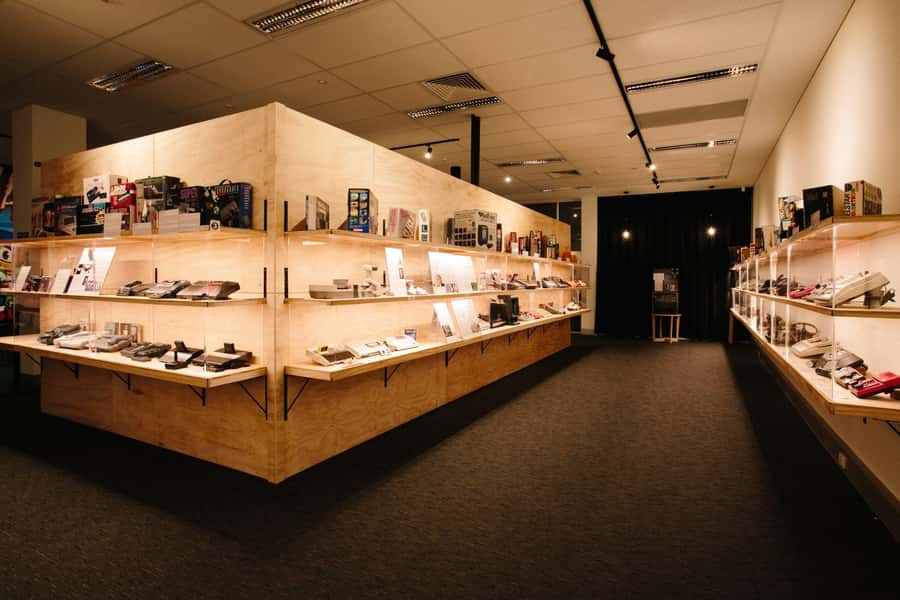
The headline is simple: more than 100 consoles, covering roughly the 1970s through the 2000s. That range is the heart of the experience, because console history is basically a story of repeated upgrades—better chips, new controllers, updated game formats, and shifting game design rules.
Walking through, the value for you is pattern recognition. You start noticing what changed over time: how games controlled, how picture and sound were produced, and how the hardware shaped what was possible. Even if you’re not a tech person, you pick up the logic fast: when hardware changes, games change with it.
And the museum doesn’t treat those systems like museum fossils. It treats them like stepping stones. That’s why you’ll likely come away with more appreciation for how modern consoles got built—not just by better graphics, but by decades of problem-solving.
One more practical point: with a collection this large, you’ll want to resist the urge to check every single console. Instead, focus on the decades you care about most, then anchor your playtime around those eras.
Hands-on retro gaming: Pong to Crash Bandicoot
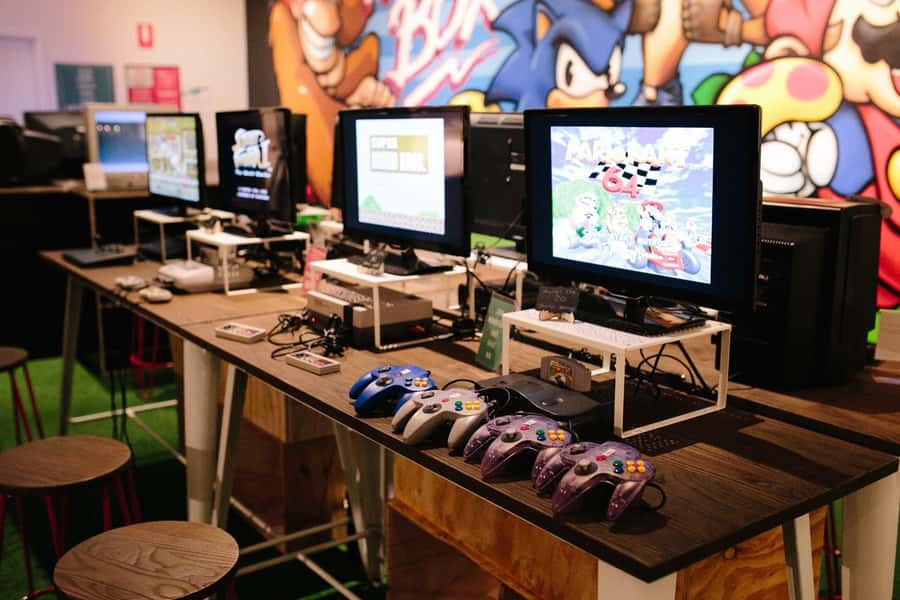
Here’s the part most people remember: you play real games on classic systems. The museum highlights titles such as Pong and Space Invaders, plus arcade-to-home favorites and big platform icons like Donkey Kong, Super Mario, Sonic the Hedgehog, Alex Kidd, and Crash Bandicoot.
For a lot of visitors, the experience hits two levels at once:
First, it brings back the basics. You learn quickly why these classics stuck. The rules are clear. The challenge is direct. You can’t hide behind visual effects. If you’re aiming to beat someone’s score, the old-school design makes competition feel fair.
Second, it helps you understand gaming’s “secret sauce.” When you play the games, you start seeing how control design and difficulty curves worked before modern conveniences. You also see how some ideas became templates. For example, action-platform pacing in the Mario-style games and timing-heavy challenges in the Sonic-style games didn’t just appear out of nowhere. They were built to work with the hardware and player expectations of the time.
If you’re visiting with someone who wants to play, don’t underestimate the benefit of the staff’s support. The reviews mention that staff were helpful and accommodating, including helping load the games people specifically wanted. That’s a big deal because it reduces downtime. You’re there to play, so any friction steals from the fun.
Why this museum format works better than a typical display
A classic problem with tech museums is that they turn into either a photo gallery or a lecture. This place avoids that trap. It’s set up so you can do something—play—while also learning what you’re looking at.
That matters because retro gaming is more than nostalgia. It’s a lesson in constraints. Older systems had limits, and those limits shaped everything: game length, level structure, mechanics, and even how fun is delivered. When you play, you feel the constraints in your hands. That physical experience sticks better than facts alone.
I also like how the museum supports different visit styles. If you want a lively afternoon, you can play with a friend and chase high scores. If you’re with kids or grandparents, you can take it slower—sit quietly at a console and enjoy watching, or take turns when a game feels right. One of the most telling notes from visitors is how this can work for a grandchild and grandfather setup, where one person can play and another can settle in comfortably.
And because the collection covers multiple decades, you get more than one flavor of gaming. You’re not stuck with just arcade titles or just 8-bit nostalgia. You get a timeline feeling that’s easier to grasp when you can instantly switch from one system to another.
Planning your 1-hour visit: how to make it feel longer
The ticket includes entry, and your booking guarantees a minimum of an hour. Also, your ticket is valid for anytime they’re open to the public, which means you’re not locked into a single second.
So how do you actually make that hour count?
Think in rounds. For example:
- Choose one era to explore visually (a quick scan of the consoles that match your favorites).
- Then choose two games to play deeply, not just briefly. If you like competition, make one of them a score-chaser like Pong or Space Invaders.
- Leave room for one wildcard game that you might not have played back then.
This approach matters because with over 100 consoles, time disappears fast. If you try to “see everything,” you’ll end up with short stops and tired feet. Better to go for a best-of plan.
Also remember: the museum can close for private functions or open later on some days. If you’re traveling through Perth and you’ve got limited time, it’s worth checking the day’s schedule before you finalize plans.
Price and value: is $12 worth it?
At $12 per person, this is priced like an accessible activity, not a high-end museum ticket. The value comes from the combination of three things you usually pay more for separately:
1) access to a large collection of consoles,
2) a hands-on environment where you can play,
3) enough different games and eras that multiple people in a group can find something they want.
If you’re coming for pure nostalgia, you get it through gameplay, not just displays. If you’re coming as a family activity, it’s easy to share because different ages can jump in at their own pace.
And it’s short enough that you’re not forced into a long commitment. An hour is usually perfect for a museum stop that also functions like an arcade. If you love it, you can extend your time by using the flexibility of being valid any time they’re open to the public (within their schedule).
For most people, that pricing structure is the sweet spot: it’s low risk. If you’re not sure you’ll enjoy retro gaming, you can try it without burning a big chunk of your day or budget.
Who should book (and who might want a different plan)
This works especially well if you:
- grew up playing these kinds of games and want to replay the classics for real
- want a family-friendly activity that doesn’t require everyone to be equally “into” gaming
- like the idea of learning through doing, not just reading placards
- enjoy friendly competition and high-score challenges
It might feel less ideal if you’re the type who needs modern visuals and quick action with little repetition. Retro games can require patience, and some controls take a minute to “click” again. The museum is built for classic systems, so the experience is intentionally not modern comfort-first.
But even then, the staff support helps. If you’re unsure what to play, you can ask for help getting games running, then adjust from there.
Practical notes that affect your day
A few details can change how smoothly your visit goes:
- Kids under 10: they must be accompanied by a paying adult. So if you’re planning a child-only drop-in vibe, that won’t match how it works.
- Hours can shift for private functions: some days they close early or open late. If your plan is time-sensitive, check with the museum directly before you head over.
- English support: the host/greeter is listed as English, which should keep communication easy for most visitors.
Also, if you’re booking because you want maximum playtime, remember your minimum stay is guaranteed at least one hour. For longer visits, you’ll want to check what that day’s public schedule looks like.
Should you book the Perth Video Game Console Museum?
Yes, if you want a museum that actually lets you participate. This is one of those places where the price is friendly, the time commitment is manageable, and the payoff is immediate because you can play.
Book it if your group includes different ages or interests. The mix of over 100 consoles across several decades plus well-known games makes it hard for everyone to feel bored at the same time. It’s also a great “weather-proof” choice for Perth, since the focus is indoors and you’re not dependent on a long itinerary.
Skip or reconsider if you’re looking for a silent, purely observational museum tour. This one is built around buttons, controls, and gameplay. That’s the point.
FAQ
How much does the Perth Video Game Console Museum cost?
It costs $12 per person.
How long is the visit?
Your booking guarantees a minimum of 1 hour.
Can I choose when to visit within opening hours?
Yes. Your ticket is valid for anytime they are open to the public, though they can close for private functions.
What consoles and game eras are included?
The museum houses more than 100 consoles from the 1970s through the 2000s.
What games can I play?
The museum lists games you can play such as Pong, Space Invaders, Donkey Kong, Super Mario, Sonic the Hedgehog, Alex Kidd, and Crash Bandicoot.
Are kids allowed?
Children under 10 must be accompanied by a paying adult.
Is the museum wheelchair accessible?
Yes, it is wheelchair accessible.
Are staff available to help during your visit?
You’ll have an English host/greeter, and the experience is set up so you can play games during your visit.
What if the museum hours change due to private functions?
Some days they open late or close early for private functions or events. You can contact them at 08 9227 7377 or [email protected] to confirm the day’s public schedule.