REVIEW · JEREZ DE LA FRONTERA
Jerez de la Frontera: Andalusian Horse Dance and Museums
Book on GetYourGuide →Operated by Fundación Real Escuela Andaluza del Arte Ecuestre · Bookable on GetYourGuide
Horse ballet in Jerez is pure precision. The Royal Andalusian School of Equestrian Art turns Andalusian horses and riders into classical dressage storytelling, set to quintessential Spanish music and 18th-century style costumes. I love how it feels like both performance and living tradition at the same time.
I also love the way the visit continues into real equestrian art and objects. You’ll spend time in the Art Equestrian Museum (11 rooms, with English and Spanish interpretation where available) and then finish with the Carriage Museum’s harnesses and equestrian costumes. It’s a smart pairing: show first, then context.
One consideration: the seating can be uncomfortable for some people, so plan for a bit of “sit-and-watch” time.
In This Review
- Key things you’ll notice right away
- Royal Andalusian Horse Dance: the 12:00 show in plain terms
- Visitor Reception Centre and the pre-show film (until 11:00)
- Art Equestrian Museum: 11 rooms and the saddlery connection
- Carriage Museum: harnesses, vehicles, and equestrian costumes
- Timing your 3.5 hours without stress
- Price and value: is $38 fair for Jerez?
- Who should book the Andalusian Horse Dance and museums
- Should you book this Jerez horse dance and museums?
- FAQ
- What is the duration of the Andalusian Horse Dance and museums visit?
- When does the horse show run?
- What museums are included?
- What time are the museums open?
- Is the Visitor Reception Centre audio-visual presentation available all day?
- Can I visit the palace and saddlery on any day?
- Are cameras or video recordings allowed?
- Where do I exchange my ticket?
- What identification should I bring?
- Is the experience wheelchair accessible?
Key things you’ll notice right away
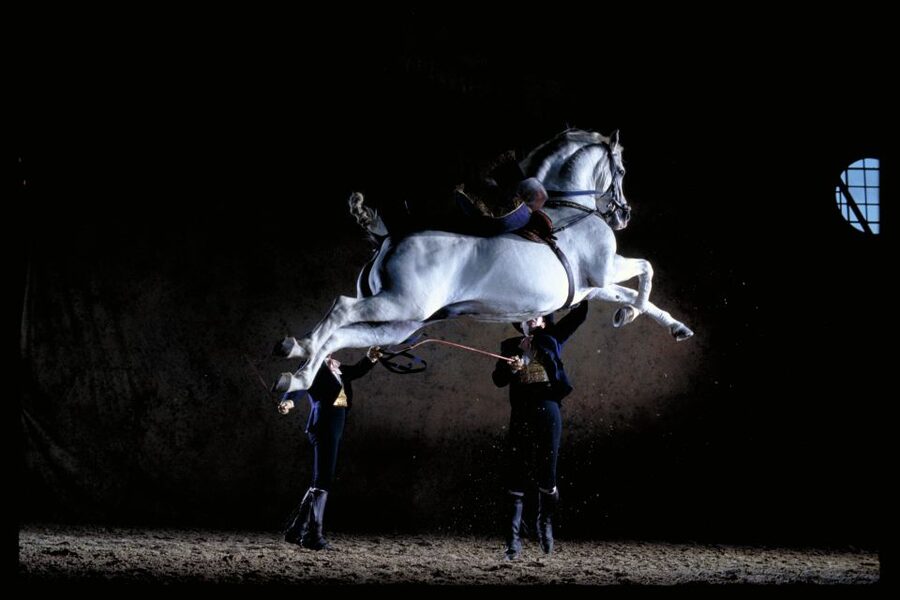
- A 90-minute equestrian ballet built from classical dressage moves, plus Spanish musical flair
- Six to eight choreographies in each show, with names like Pas de Deux and Passage and Piaffer
- A palace-and-gardens setting that makes the waiting time feel like part of the event
- Art Equestrian Museum with 11 rooms, including a saddlery area where harnesses are made and repaired
- Carriage Museum finish with harnesses, vehicles, and equestrian costumes
- Staged carriage work showing horses drawing classical vehicles with coachmen driving
Royal Andalusian Horse Dance: the 12:00 show in plain terms
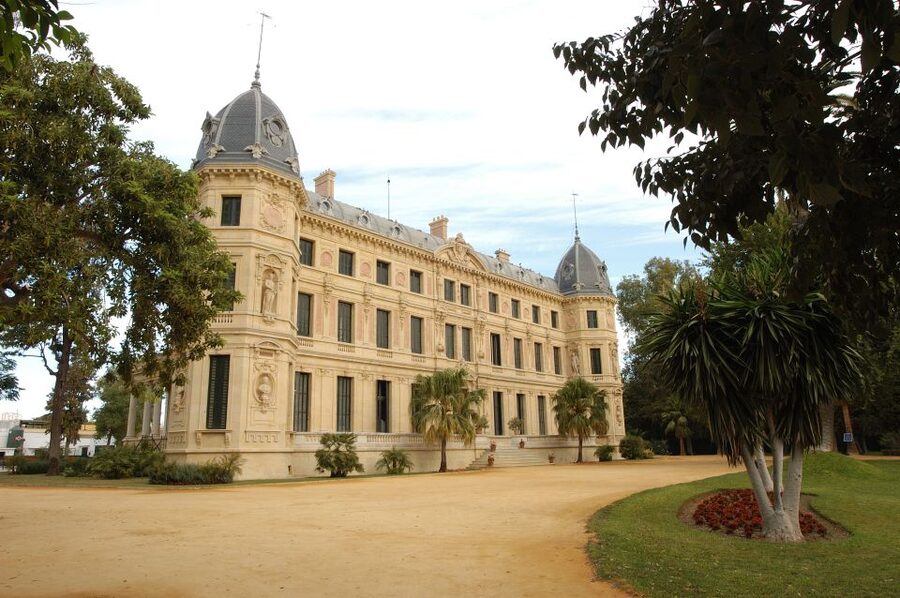
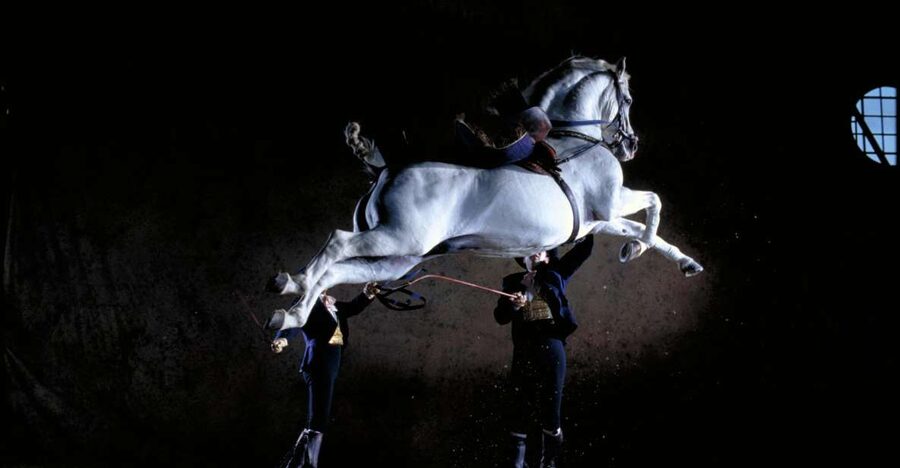
The heart of this experience is How the Andalusian Horses Dance at the Royal Andalusian School of Equestrian Art in Jerez de la Frontera. The show runs from 12:00 PM to 1:30 PM and is built like a sequence of “numbers,” not one long routine. You’ll see the horses perform advanced exercises that come straight from the school’s classical training.
Expect a mix of things that are visually impressive and also technically specific. Riders control the horse’s body through movements based on classical dressage, Doma Vaquera, and traditional equestrian work. In practical terms: it’s not just prancing. You’ll watch the horses nail precise transitions and footwork, repeatedly.
Each show includes 6–8 different choreographies, and the program can include titles such as:
- The Colts
- Airs on Horseback
- Pas de Deux
- Passage and Piaffer
- Domino on Horseback
- Airs Above the Ground
- Fantasy
You’ll likely recognize some of the “classical” names in your own way, even if you’re new to dressage. The moves described for this school include levades, caprioles, courbettes, and piaffe performed between pillars—plus the Spanish walk. The payoff is the group work too: horses and riders perform advanced exercises in unison, so the choreography lands as a single visual unit rather than separate performances.
Then comes the carriage segment. This is where the show leans into Andalusian horse tradition beyond the arena ballet. You’ll see the horses draw carriages—vehicles originally tied to transport, now used for sport and exhibition. Coachmen drive with skill and control, and you’ll get a clear idea of how harness, horse movement, and rider timing all connect.
If you’re the type who loves seeing “how it works,” this part matters. It helps you understand that what looks like dance is also training, equipment, and coordination under pressure.
Visitor Reception Centre and the pre-show film (until 11:00)
Before the arena doors open, there’s a welcome area that helps you get oriented fast. When you enter the premises, you go through the Visitor Reception Centre. This is where you can catch a digital, audio-visual presentation about the history of equestrian art in Andalusia.
Important timing note: the film is available until 11:00 AM. If you arrive close to show time, you may miss it, and the experience will feel more “show-only.” If you can, aim to arrive earlier so you can watch the presentation and then move into the grounds while everything is still calm.
From the Visitor Reception Centre, you head into gardens. Reviews and the venue’s layout make it clear this isn’t just a waiting area. You’ll have greenery and a variety of exotic plants, plus the feel of a formal estate setting. The 19th-century palace rises above the gardens, giving the whole site an elegant, old-world rhythm.
One more detail that’s worth knowing: the Palace itself is closed on Saturdays and public holidays. So if your trip lands on one of those days, you’ll still have access to the rest of the site, but you may lose that palace element. The good news is that the museums and show still do most of the heavy lifting.
Art Equestrian Museum: 11 rooms and the saddlery connection
If you want your horse experience to have context, the Art Equestrian Museum is where the “why” gets answered. It’s located in the basement and is organized into 11 rooms that focus on the origins and history of equestrian art and the horse in Andalusia.
This is the part that helps you read the show with smarter eyes. After you see the horses perform, you’ll start to notice how much of the performance is about tradition and technique, not only aesthetics. You also learn about the school environment—how equestrian art is treated like craft and discipline.
You’ll also encounter a practical, hands-on layer of the story in the saddlery area. The saddlery is described as the place where harnesses are made and repaired. That matters because the show isn’t just about muscles and movement. It’s also about tack, fit, and maintenance—things that keep training safe and consistent.
This museum area is also listed with hours from 10:00 AM to 2:00 PM. Give yourself enough time to wander rather than rush. Even if you’re not a museum person, the object-focused displays tend to make things click. You’ll get the “equipment perspective,” which pairs nicely with the carriage segment later.
Another scheduling note: the saddlery entrance is closed Saturdays and public holidays. If your visit falls on a closed day, you can still enjoy the museum rooms, but you’ll want to adjust expectations about hands-on craft components.
Carriage Museum: harnesses, vehicles, and equestrian costumes
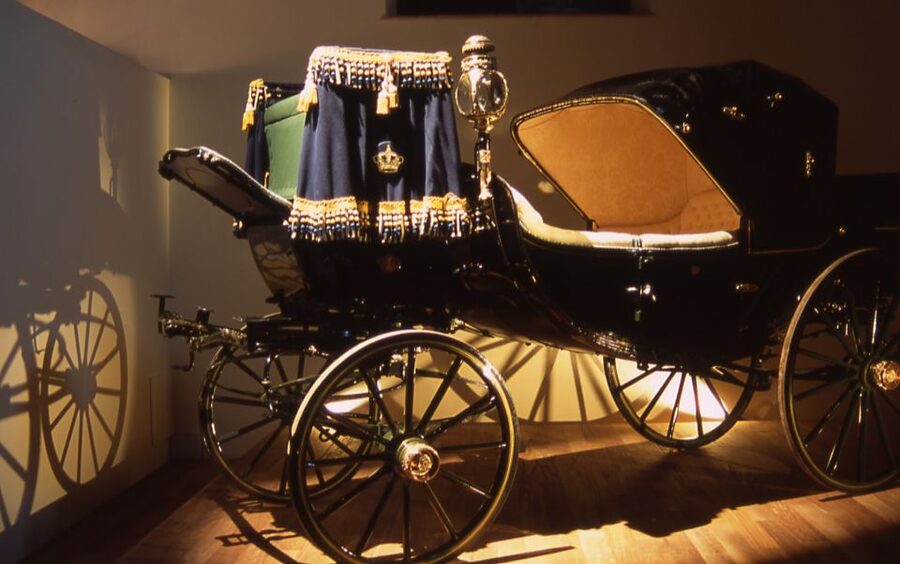
After the Art Equestrian Museum, you’ll end your museum journey at the Carriage Museum. This is where you see the show’s “transport roots” turned into sport and exhibition. You’ll find vehicles, harnesses, and equestrian costumes—the visual language of the school.
This section is especially satisfying if you like details: how harnesses are built, how costumes reflect period style, and how riders and coachmen present themselves in a formal, old-fashioned way. It’s also a nice contrast after the arena segment. In the show, you see everything in motion. In the museum, you get to slow down and study it.
The Carriage Museum is open from 10:00 AM to 3:00 PM, so you can usually take your time without panicking—unless you’re trying to do every extra stop and arrive late.
If you’re trying to get the most value from the full 3.5 hours, I’d treat the Carriage Museum as the “finish line” that makes the show feel deeper. You’ll leave with the feeling that you saw the horses in performance mode and then understood the equipment and styling behind it.
Timing your 3.5 hours without stress
The total duration is 3.5 hours, which is actually a helpful size. It’s long enough to see a real show plus museums, but short enough that you don’t need a whole day in Jerez.
Here’s a practical way to think about it:
- 10:00 AM is when the Art Equestrian Museum and Carriage Museum open
- Until 11:00 AM, you can access the Visitor Reception Centre audio-visual film
- 12:00 PM to 1:30 PM, the horse dance show runs
So the best flow is to arrive early enough to see the film (if you want it), then tour the museums, then settle into the arena for the show.
Two small practical tips that can save you frustration:
- Exchange your ticket at the ticket office when you arrive at the Royal Andalusian School.
- Bring your passport or ID card as requested.
Also, plan around rules inside the venue. The experience data lists no cameras, and no video recording. In real-world terms, you may find rules can be strict in museum spaces; some visitors have noted different treatment between the museum and the arena. Either way, don’t rely on filming. If photography matters to you, ask at the ticket counter and follow staff instructions.
Finally, check your comfort. The show is 90 minutes and seating can be uncomfortable for some people. If you’re sensitive to long sitting, you’ll enjoy the experience more if you go in prepared.
Price and value: is $38 fair for Jerez?
At $38 per person, this isn’t a cheap side quest. But it’s also not a one-dimensional ticket. You’re paying for a full package: the horse dance show plus access to equestrian museums and the palace-and-gardens setting.
Here’s how the value adds up:
- You’re getting a real staged performance (12:00–1:30) featuring multiple choreographies and haute école movements.
- You’re getting context via the Art Equestrian Museum, including the saddlery element where harnesses are made and repaired (on days when it’s open).
- You’re finishing with objects and vehicles at the Carriage Museum, including harnesses and equestrian costumes.
If you love horses, this can feel like one of the most direct “Spain + Andalusian tradition” experiences you can buy in a short window. You’ll likely walk away thinking about technique, not just spectacle.
If you’re only mildly interested in equestrian art, you might still enjoy it—but you’ll want to be honest about your attention span for museums and a 90-minute show in formal seating.
Either way, compared with attractions that give you only a performance or only exhibits, this is a blended experience with a strong “show then explain” structure.
Who should book the Andalusian Horse Dance and museums
This is a great match if you:
- Are curious about classical dressage and haute école movements, including levades, piaffe, and other named exercises
- Want a deeper horse experience than a basic petting-zoo day
- Like cultural heritage shown through training, tack, vehicles, and costumes
- Prefer structured entertainment with clear choreography and Spanish musical energy
It may be less ideal if:
- You strongly dislike museum time between the gates and the show
- You need flexible viewing if you arrive after the 11:00 AM film window
- You’re very sensitive to uncomfortable seating for a set show duration
Should you book this Jerez horse dance and museums?
I think you should book this if horses and equestrian tradition are your kind of interest. The reason is simple: the show is impressive, but it’s the museums and objects that help you understand what you saw. You’re not just watching talent—you’re learning the language behind it.
If you’re going, try to plan your arrival so you can at least catch part of the Visitor Reception Centre film before 11:00 AM, and don’t rush the Art Equestrian Museum. Do the show when it’s time, then finish with the Carriage Museum so the whole experience lands as more than a single performance.
FAQ
What is the duration of the Andalusian Horse Dance and museums visit?
The total duration is listed as 3.5 hours.
When does the horse show run?
The show entrance is from 12:00 PM to 1:30 PM.
What museums are included?
You’ll visit the Art Equestrian Museum and the Carriage Museum.
What time are the museums open?
The Art Equestrian Museum is open from 10:00 AM to 2:00 PM, and the Carriage Museum is open from 10:00 AM to 3:00 PM.
Is the Visitor Reception Centre audio-visual presentation available all day?
No. The presentation is available until 11:00 AM.
Can I visit the palace and saddlery on any day?
The palace entrance is closed Saturdays and public holidays. The saddlery entrance is also closed Saturdays and public holidays.
Are cameras or video recordings allowed?
Cameras and video recording are listed as not allowed. If rules vary by area, follow staff guidance on-site.
Where do I exchange my ticket?
When you arrive at the Royal Andalusian School, go to the ticket office to exchange your ticket.
What identification should I bring?
Bring your passport or ID card.
Is the experience wheelchair accessible?
Yes, it is listed as wheelchair accessible.