REVIEW · CATALONIA
Guided tour Museum of Contemporary Art and Sculpture Park
Book on Viator →Operated by Arte-contemporary & Sculpture Park · Bookable on Viator
You don’t expect a sculpture museum to feel like a quiet nature break, but this one does. The Arte-contemporary & Sculpture Park pairs contemporary art with an easy, outdoor stroll through olive and carob trees, with views tied to the Ebro Delta.
I love how the art is placed outdoors at walking height and also higher up—so you keep changing your angle and your pace. I also like the human touch: the guided hosting by Jordi (and the people behind the venue) makes it feel personal instead of like you’re speeding through. One thing to consider: this is very weather-dependent, so if conditions are poor, the experience may shift or be refunded.
In This Review
- Key takeaways before you go
- Starting at Museu Arte-Contemporary in La Ràpita
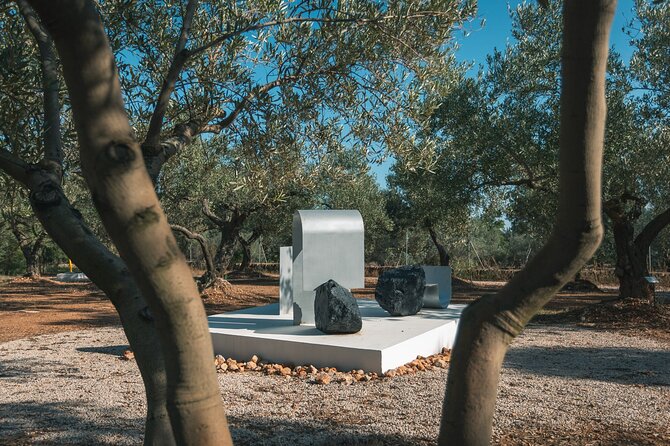
- The sculpture park: modern art under olive and carob trees
- A practical tip for enjoying the park
- The Ebro Delta views: why the setting matters
- The guided hosting: where Jordi fits in
- Indoor gallery time: more than an outdoor walk
- How the visit feels in real life (and who it suits)
- Price and value: what $53 buys you
- Tapas on the side: a nice way to finish the day
- Weather matters: when to be flexible
- Should you book this guided sculpture park tour?
- FAQ
- How long is the guided tour?
- Where do I meet for the tour?
- Is a ticket included?
- Is the tour ticket delivered digitally?
- What’s the weather situation?
- Can I get a refund if I cancel?
Key takeaways before you go
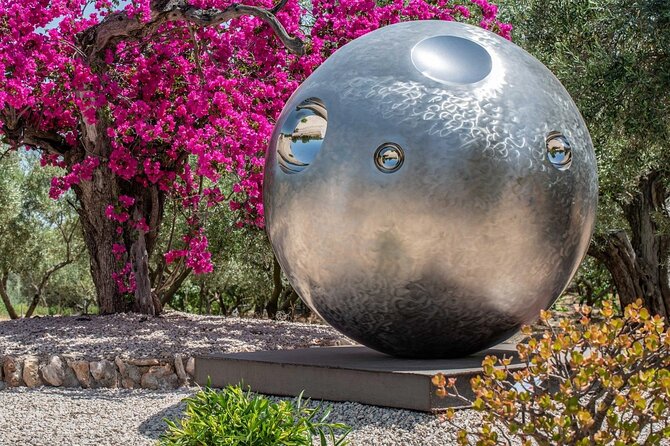
- Outdoor sculptures in an olive-and-carob farm setting you can wander at a relaxed pace
- Ebro Delta views that change as you move between artworks
- An indoor gallery so you get more than just outdoor pieces
- A real guide-led flow (Jordi is repeatedly mentioned for enthusiasm and welcome)
- Tapas are available on site, and many visits pair the art with lunch
Starting at Museu Arte-Contemporary in La Ràpita
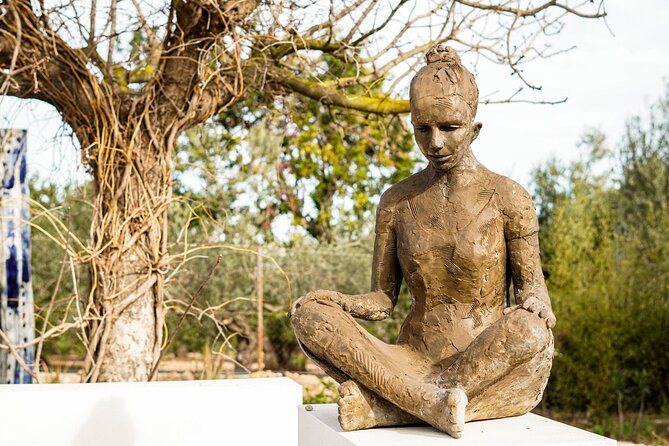
You’ll meet at Camí de Brusca, s/n, 43540 La Ràpita, Tarragona, Spain. The start time listed is 10:30am, and the visit runs about 1 to 2 hours. It’s a mobile-ticket experience, so you’ll want your confirmation handy on your phone when you arrive.
This is the kind of tour that works best if you arrive ready to slow down. Yes, you’ll cover a set route, but it doesn’t feel rushed. Think “walk and look,” not “museum sprint.” The max group size is up to 150 travelers, so you likely won’t have a huge crowd blocking every step, but it’s still smart to plan on sharing the space.
If you’re coming from inland by car, keep in mind that one review notes parking isn’t suitable for large campers. If you’re bringing a bigger vehicle, it’s worth checking on your best option before you roll in.
The sculpture park: modern art under olive and carob trees
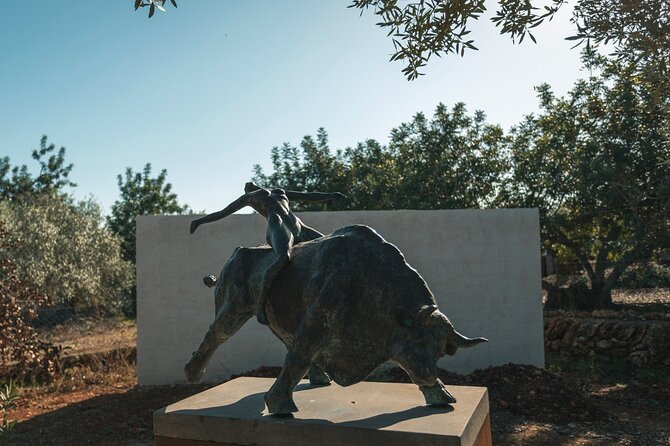
The main outdoor part is where the experience earns its reputation. You move through an oasis of contemporary art spread among olive and carob trees, and the path is designed so you can spot works at different levels. One neat detail: some pieces are described as small, even tucked under the olive branches, so your “scan” matters. If you only look straight ahead, you’ll miss some of the charm.
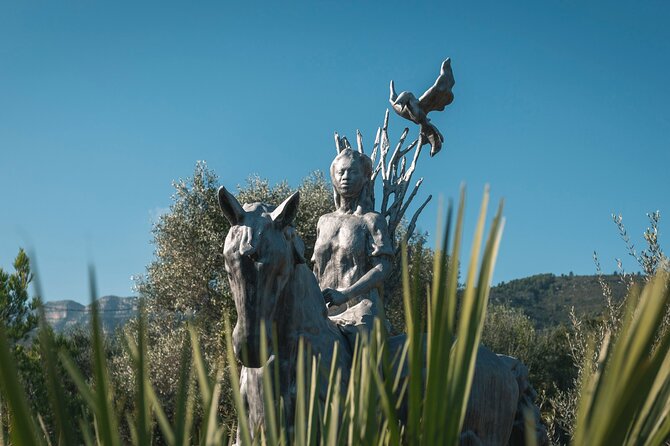
The park also gets repeatedly praised for its sense of discovery. The sculptures don’t sit in a single block like a showroom. Instead, they’re spaced so you turn a corner and meet something new. You’ll also find a mix of sculpture styles, including works by regional and international artists, which helps the space feel broader than one creator’s universe.
And yes, the nature part is not decoration. It actively changes how you read the art. Sun on leaves makes shadows that land across the ground and the bases of pieces. Wind changes the quiet. Even when you’re just standing still to look, the setting keeps you present. That’s a big reason people describe the place as a break from the noise of a typical holiday day.
A practical tip for enjoying the park
Give yourself permission to stop. If you’re the type who keeps walking because you feel time pressure, try the opposite here. Step aside, look at how the sculpture interacts with tree shapes and the open view toward the delta, then continue. The best moments come from watching the artwork as your viewpoint changes.
The Ebro Delta views: why the setting matters
The park is framed by the kind of scenery that makes outdoor art feel more alive. You’re not staring at art in isolation. You’re looking at contemporary forms while the Mediterranean area and the Ebro Delta provide a sense of distance. As you move between trees and clearings, you get different sightlines—some views are wide, others narrow and focused.
That shift is what makes the whole experience more than just a few statues in a field. The delta isn’t a backdrop you ignore. It becomes part of how you understand the work’s scale and mood. One review explicitly thanks the hosts for highlighting the delta of the Ebro, which tells you the tour experience leans into context, not just object viewing.
So if you’re the kind of traveler who normally “does the highlights and leaves,” this may be a refreshing swap: you’ll feel like you’re doing culture and nature at the same time, without needing to commit to a long hike.
The guided hosting: where Jordi fits in
A guided tour lives or dies on the guide’s energy. In the reviews, Jordi shows up again and again as the kind of person who explains with enthusiasm and makes the welcome feel warm. The hosting is described as communicative and passionate, and that matters because contemporary art can sometimes feel abstract.
With a good guide, you’re not being told what to think—you’re being given entry points: what to notice, why a placement might matter, and what the artists might be playing with in form and space. The reviews also mention the owners (like Rinus and Aniet) in a way that suggests the venue is family-run and proud of what they built. That pride tends to show in small details: how people greet you, how they point you to spots you might overlook, and how smoothly the experience flows.
If you like your tours human—less “read a plaque” and more “someone helps you look”—you’ll likely feel at ease quickly.
Indoor gallery time: more than an outdoor walk
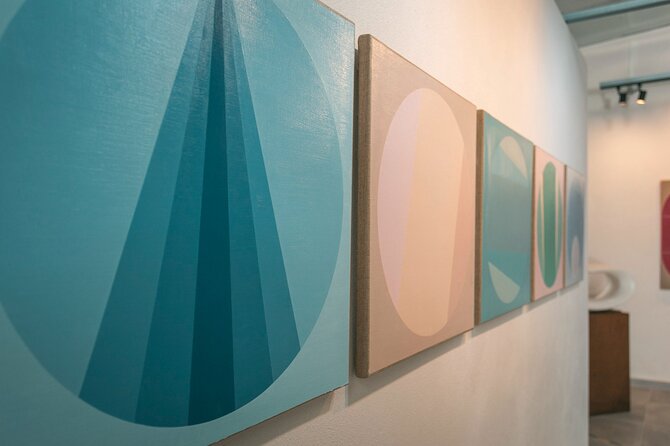
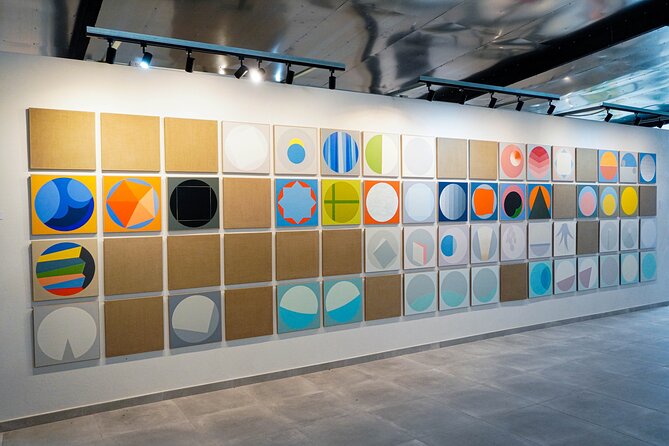
After the outdoor sculpture park, you also get access to an indoor gallery. This is where the experience balances out. Outdoors, the art is mixed into the farm-like setting. Indoors, the pieces are presented in a more controlled environment, so you can switch modes from “stroll and scan” to “pause and focus.”
The indoor space is described as interesting and well laid out. Some reviews call it out as a key part of the visit because it extends the range of works beyond what you find outside. If you’re visiting on a warmer day, indoors also gives you a needed break from direct sun.
For practical enjoyment, I’d treat the indoor portion as your chance to slow even more. Outside, you’re moving through trees and changing angles. Indoors, you can stand longer in one place and really read what’s in front of you.
How the visit feels in real life (and who it suits)
This is an easy fit for travelers who want something different from the big-ticket museum circuit. If you’re in Catalonia and want culture that doesn’t require an all-day commitment, this works. The time on the books is about 1 to 2 hours, so it can slot into a day that also includes beaches, markets, or a relaxed meal.
It also fits well if you’re traveling with people who don’t always agree on what to do. Art lovers get the sculptures and indoor gallery. Nature lovers get the olive grove setting and the atmosphere. And if you’re just trying to take a break and reset, the whole vibe is about disconnecting without doing anything exhausting.
Service animals are allowed, and most travelers can participate—so it isn’t pitched as a hardcore physical challenge. Still, you’re outdoors walking among uneven planting areas and trees. Wear comfortable shoes, especially if you’re visiting when the ground is dry and hard (or if there’s any dust from the path).
Price and value: what $53 buys you
At $53, you’re paying for more than just access to a site. You’re getting a guided experience (with a start at 10:30am), plus admission that’s explicitly included for the main outdoor portion. The mobile ticket is also a small but real convenience.
The value shows up in the “two-format” structure: outdoor sculptures plus an indoor gallery. One-hour visits can feel thin when they’re only one thing. Here, you get art in nature and a gallery stop, without turning the day into a whole production.
Also, the hosts don’t seem to treat this like a mass assembly line. Reviews focus on personal welcome and enthusiastic guiding, which is usually a good sign that you won’t feel like you’re just another number.
If you’re comparing to other paid museum tickets, the key question isn’t only the price—it’s how many different experiences you get in that timeframe. This one gives you multiple “modes” (outdoor scanning, indoor focus, and scenic breaks) in the same booking window.
Tapas on the side: a nice way to finish the day
Food isn’t listed as a core included item in the tour details you provided, but tapas are available on site, and the reviews strongly connect the experience with the venue’s tapas offering (often described as tasty and made from local/proximity products). Some visitors also mention coffee or drinks at the venue.
So here’s the practical approach: plan to add a little time if you want tapas. Even if you don’t eat a full meal, having the option on site is a big convenience when you’re doing a nature-and-art day and don’t want to hunt for food afterward.
If garlic is an issue for you, one review specifically mentions a garlic intolerance being handled well. That’s encouraging, but since allergies can vary, you should still ask on the day about ingredients and cross-contact.
Weather matters: when to be flexible
This experience needs good weather. If weather turns, you should expect the provider may offer a different date or a full refund. Since you’re walking outdoors among trees and sculptures, that makes sense. Don’t book this as your only plan for a rainy day.
If you’re the type who hates uncertainty, keep a backup activity in your schedule. If you’re flexible, this can be a very rewarding way to spend a couple of hours in Catalonia—especially when the light is good.
Should you book this guided sculpture park tour?
I think you should book it if you want art that’s not stuck behind glass walls. If you enjoy contemporary work but prefer it in a human setting—with a guide like Jordi who helps you look more closely—this is a smart choice. I’d also book it if your day needs a reset: you’ll get culture, fresh air, and time outdoors without committing to a long trek.
Skip it only if you want a big, formal museum experience with lots of rooms and crowds. This is more about the experience of walking through a sculpture park and then stepping indoors briefly. It’s not designed to be an all-day, must-see-everything itinerary.
If you’re nearby in La Ràpita or the Ebro Delta region, this is exactly the kind of half-day plan that makes a trip feel personal. The best part is that you leave with art in your memory, but also with the calm of olive trees still in your head.
FAQ
How long is the guided tour?
The experience runs about 1 to 2 hours.
Where do I meet for the tour?
You start at Museu Arte-Contemporary, Camí de Brusca, s/n, 43540 La Ràpita, Tarragona, Spain. It ends back at the same meeting point.
Is a ticket included?
Yes. The admission ticket is included for the main outdoor sculpture park portion.
Is the tour ticket delivered digitally?
Yes. It uses a mobile ticket.
What’s the weather situation?
This experience requires good weather. If it’s canceled due to poor weather, you’ll be offered another date or a full refund.
Can I get a refund if I cancel?
Yes. You can cancel for a full refund up to 24 hours in advance of the experience start time. If you cancel within 24 hours, the amount paid is not refunded.