REVIEW · BUSAN
From Busan to Gyeongju UNESCO Legacy Tour with National Museum
Book on Viator →Operated by 러브코리아(LOVE KOREA) · Bookable on Viator
Silla history, packaged into one smooth day. I like how this trip ties together Bulguksa Temple and Woljeonggyo Bridge with hands-on context like the hanok village and a museum stop that makes the Silla-era places easier to understand. I also like that the day doesn’t feel like a checklist: your guide sets a workable pace and points you toward the best moments to look around and take photos.
The trade-off is time. You’re signing up for a 12-hour sightseeing day, so plan for a proper lunch option on the road since meals aren’t included.
In This Review
- Key things I’d watch for
- From Busan to Gyeongju: What a 12-Hour Day Really Means
- Ahopsan Bamboo Forest: The Best “Quiet Korea” Moment (With Mud)
- Dalmaji Hill vs Ahopsan in Cherry Season: Spring Choices You Can Actually Feel
- Gyeongju Old Town Walk: Hanok Streets and the Choi Family House
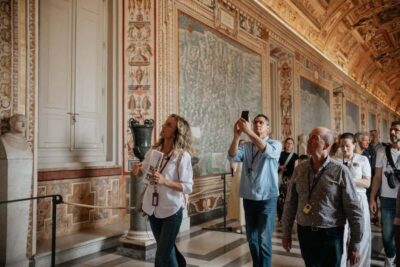
- Museum Time: When Artifacts Beat Guesswork
- Silla Royal Power Stops: Daereungwon Tomb Complex and Woljeonggyo Bridge
- Bulguksa Temple: The UNESCO Anchor You’ll Remember
- Price and Value: Is $48 Enough for This Much Silla?
- How to Prepare: Shoes, Rain Plans, and Staying Comfortable
- Who This Tour Fits Best (and Who Might Prefer Something Different)
- Should You Book This Busan to Gyeongju UNESCO Day Trip?
- FAQ
- What’s included in the tour price?
- Is lunch included?
- Is the Ahopsan Bamboo Forest ticket included?
- What’s included at Bulguksa Temple?
- Is the Gyeongju National Museum part of the tour?
- What are the alternatives to the museum stop?
- Does the tour depend on weather?
Key things I’d watch for
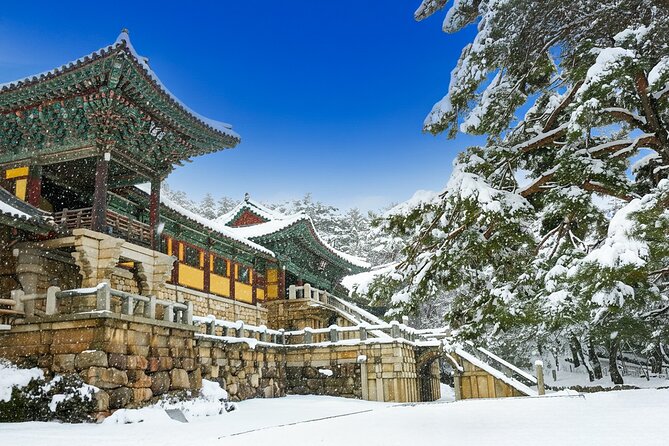
- UNESCO anchor plus late-day views: Bulguksa is scheduled as a major stop, and Woljeonggyo Bridge gets a long window.
- Silla everywhere, not just one site: hanok streets, a royal-tomb complex, and a museum (or a cultural alternative).
- Spring cherry-blossom choices: during roughly Mar 24–Apr 12 you may have options tied to what’s actually in bloom.
- Guide energy really changes the day: names that showed up in past groups include DK, Yaho, Kang, and Chris.
- Comfort depends on your shoes: the bamboo forest includes an uphill walk, and rain can mean mud.
- Optional entrances cost extra: Ahopsan Forest and the Donggung/Wolji alternative can require extra payment.
From Busan to Gyeongju: What a 12-Hour Day Really Means
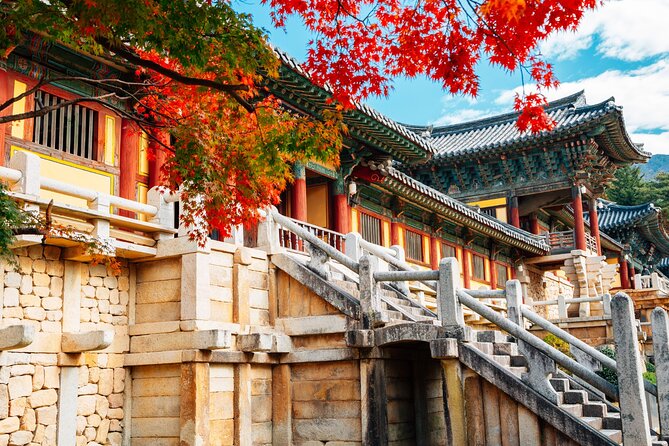
This is a long, satisfying day trip. You leave Busan, then spend your time in Gyeongju moving through Silla-era landmarks, traditional neighborhoods, and the big-name UNESCO site. The payoff is focus: you get a real sense of how all these places connect, instead of trying to hop between them on your own with limited time.
The tour runs on a comfortable air-conditioned vehicle, and the logistics are handled for you (tolls, parking, fuel). You’ll also use a mobile ticket, which helps when you’re juggling pickup points and timing. Group size is capped at a maximum of 99, so it’s not a tiny private outing, but it’s structured enough that you’re not left scrambling between locations.
Where your experience can swing is the pace. Many reviews praise guides for energy, humor, and timing, and that matters on a day like this. If you’re the type who likes to linger, you’ll be happiest when your guide keeps transitions smooth and gives you breathing room at each stop. If you’re the type who likes to stop often for photos, bring that up mentally and wear comfortable shoes.
Ahopsan Bamboo Forest: The Best “Quiet Korea” Moment (With Mud)
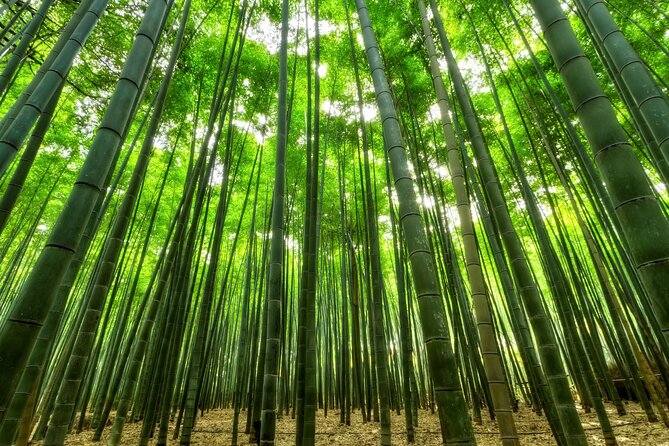
Ahopsan Bamboo Forest is a privately owned bamboo grove in Busan that’s been preserved for over 400 years. It’s the kind of stop that turns the volume down. Even if you’ve seen bamboo photos before, the density of the groves and the slow path feel different from an urban park.
One important detail: admission isn’t included. So if you want this as a highlight, set aside a little extra money for the entrance fee. Also, this stop involves walking uphill. One practical tip from a past group: avoid white sneakers because the path can get muddy, especially if weather isn’t perfect.
This matters because the bamboo forest isn’t just a quick photo stop. You’ll want shoes that can handle uneven ground, plus a willingness to move at a steady pace. If you’re traveling with someone who’s sensitive to uphill walking, you’ll want to keep that in mind before you commit to this particular route on a given day.
Dalmaji Hill vs Ahopsan in Cherry Season: Spring Choices You Can Actually Feel
On paper, Ahopsan is the starting point. But the tour also offers a seasonal option during cherry blossom timing (listed as Mar 24–Apr 12). In that window, you may choose Dalmaji Hill instead, depending on conditions, and availability isn’t guaranteed.
Dalmaji Hill (Haeundae Dalmaji-gil Road) is a coastal road known for spring blossoms. The walk is shorter than the forest stop, and it’s built around scenic views and photo moments. If your priority is peak spring color, Dalmaji Hill is often the more straightforward “stroll and smile” option.
If cherry blossoms aren’t at their best that day, bamboo forest time can still feel special for a completely different reason: atmosphere. It’s not about chasing pink petals. It’s about getting a calm, shaded break before the history-heavy part of the day.
My advice: if you’re booking for spring, think about what you’d rather remember. Quiet grove and misty paths (Ahopsan) or hillside blossoms and ocean angles (Dalmaji Hill). The tour gives you the chance to choose, but the final result depends on actual bloom conditions.
Gyeongju Old Town Walk: Hanok Streets and the Choi Family House

Once you’re in Gyeongju, the route slows down in a good way. You’ll visit Gyochon Traditional Village, a hanok village near Bulguksa Temple and Woljeonggyo Bridge. This stop is free, and it’s a smart way to “zoom out” from individual monuments into everyday historical context.
Gyochon is where you start noticing how people would have lived near major Silla landmarks. The environment helps you read the city instead of just photographing it. You’ll also get a free stop at Choe Jun’s House (the Choi family house). This is the former residence of the Choi clan, one of Korea’s respected noble families, and it adds a different angle: not just temples and tombs, but the people and status tied to them.
What I like about these two free stops is that they don’t require museum stamina. You can walk, pause, and soak in details without standing in line for a ticket. If you’re traveling with someone who finds temples tiring, the hanok village can be a nice balance.
Museum Time: When Artifacts Beat Guesswork
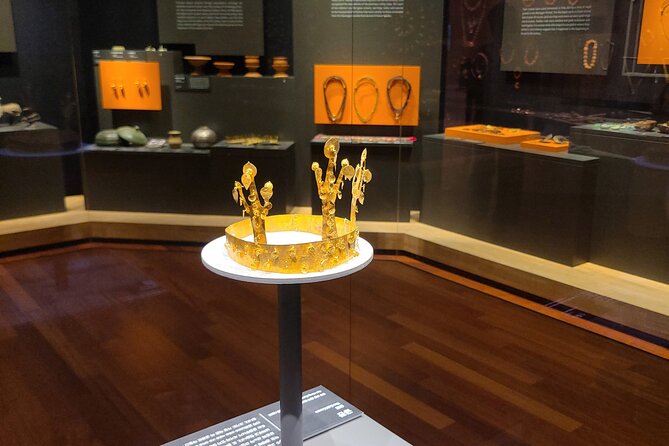
The itinerary normally includes the Gyeongju National Museum, listed as a free stop for this tour. That’s a big deal for value, because it turns “I saw a tomb” into “I understand why it mattered.”
Museums can feel dry if you don’t have context. Here, your guide’s job is to connect what you’ll see later—tombs, temple layout ideas, and Silla symbolism—to what’s displayed. Reviews consistently praise guides for explaining history in clear, engaging ways, and that’s exactly the advantage you want from adding a museum stop rather than skipping straight to outdoor sites.
There’s also an option if you’d rather not do the museum. For guests who prefer not to visit it, there’s an alternative: Donggung Palace & Wolji Pond. Entry fees for the alternative are not included, so budget accordingly. This choice can be great if you’re more drawn to atmosphere and scenery than artifacts.
In real terms, pick based on your brain. If you like learning before walking, do the museum. If you like wandering and atmosphere more than labels and rooms, choose Donggung/Wolji instead.
Silla Royal Power Stops: Daereungwon Tomb Complex and Woljeonggyo Bridge
After the older neighborhood stops, the day pivots toward royal-scale history. Daereungwon Tomb Complex is a free, one-hour walk through grassy burial mounds with stone walls. It’s not a building you tour room-by-room. It’s a landscape of memory, and the scale is part of the point.
During cherry blossom season (again listed as Mar 24–Apr 12), the tour may offer flexibility about bloom viewing, including choosing Daereungwon Tomb Complex if it’s in bloom. Availability isn’t guaranteed, so treat this as a nice-to-have spring bonus, not a promise.
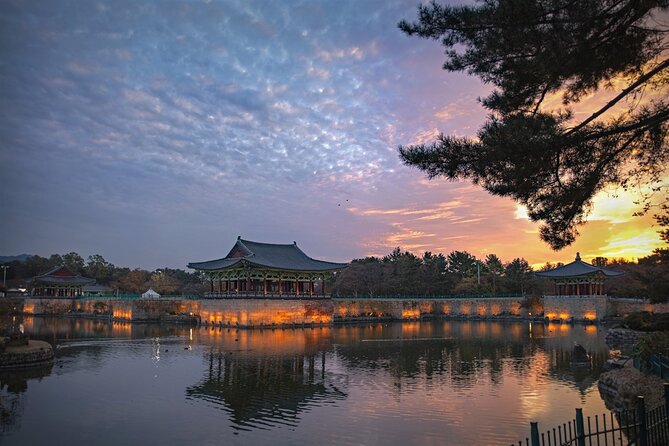
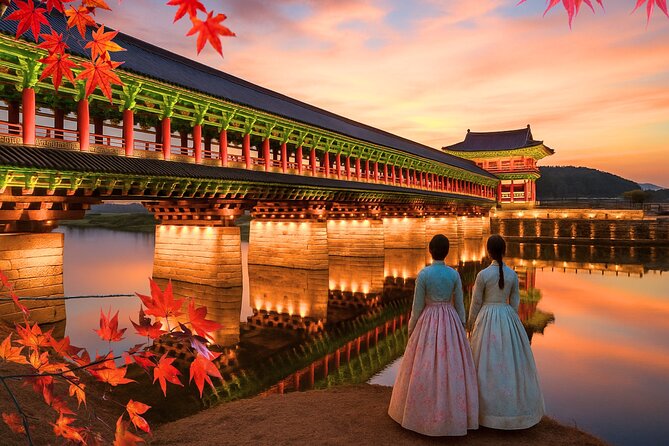
Then comes one of the highlights that tends to get people talking: Woljeonggyo Bridge. The bridge is a reconstruction of a royal bridge from the Unified Silla period, originally built in 760. The stop is long (about two hours), which gives you time to look, photograph, and settle into the “this was a key connection point” feeling.
One reason this bridge works well in a day trip is that it gives you both structure and mood. You can connect it to the temple and palace zone you’ll be seeing, and you get wide-open views that break up the walking intensity of other stops.
Past groups also mention the value of the timing for evening-type views. Even if the sky doesn’t cooperate perfectly, the bridge is the kind of place where late-day light can make a real difference.
Bulguksa Temple: The UNESCO Anchor You’ll Remember
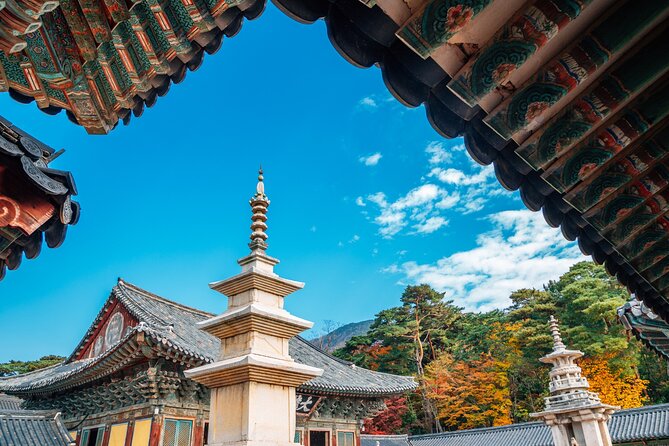
Bulguksa Temple is the UNESCO stop that carries the most weight in the schedule. It’s included with admission for this tour. Built originally in 528 during the Silla Dynasty and rebuilt in 774, it’s the kind of place where even your first visit feels like you’re stepping into a long story.
The tour gives you around two hours here. That’s enough time to get oriented, appreciate the layout, and still have breathing room if you want to slow down and just watch details. This is not a “two photos and out” temple stop.
Guides make a difference at Bulguksa. Several review notes highlight how guides explain history clearly and share memorable stories. For you, that means the temple isn’t just impressive architecture. It becomes a place you can interpret. And when you’re on a day that moves fast, having someone translate what you’re looking at is the difference between seeing and understanding.
Price and Value: Is $48 Enough for This Much Silla?
At about $48.08 per person, this tour is priced like a day trip, not a luxury transfer. The value comes from what’s included versus what costs extra.
Included:
- Round-trip transport from Busan in an air-conditioned vehicle
- English/Chinese-speaking guide plus professional guide support
- Toll and parking fees
- Several stops that are free (Gyochon Traditional Village, Choi family house, Gyeongju National Museum, Daereungwon Tomb Complex, Woljeonggyo Bridge)
Included by admission:
- Bulguksa Temple (admission included)
Not included:
- Lunch/dinner and personal expenses
- Optional entrance fees like Ahopsan Forest and the Donggung Palace & Wolji Pond alternative
That mix matters. If you’re the kind of traveler who would otherwise pay for transportation between multiple sites and then get hit with individual museum/temple costs, bundling the ride and guide is a win. If you’re also flexible about whether you do the museum or the Donggung/Wolji alternative, you can better match the day to your interests without doubling costs.
What you should watch is the “hidden” cost of optional entrances and food. Lunch isn’t included, and at least one guide recommendation in past tours included taking the group to a traditional Korean buffet restaurant. You won’t know which lunch spot you’ll get, but you can plan on spending some money for lunch and possibly snacks.
How to Prepare: Shoes, Rain Plans, and Staying Comfortable
This trip can run beautifully—or it can get messy. You’ll be outdoors at multiple sites, and the bamboo forest can turn muddy fast. A common practical lesson from past groups: bring shoes you don’t mind getting dirty. If you’re concerned about comfort, choose supportive footwear over fashion sneakers.
Rain is also part of Korea travel reality, and guides here have shown flexibility in bad weather. One review described rainy-day problem solving, including driving guests toward a convenience store to buy umbrellas. Another mentioned guides adjusting timing to keep things on track during busy periods.
If you want the smoothest day:
- Wear shoes that handle uneven ground
- Bring a small snack or water so you’re not stressed between stops
- Pack a light rain layer if you’re traveling in shoulder season
Also, communication can be surprisingly helpful. One review mentioned WhatsApp contact the day before to confirm pickup details. So if the operator reaches out, reply quickly and confirm your pickup point.
Who This Tour Fits Best (and Who Might Prefer Something Different)
This tour is a strong fit if you want:
- A guided overview of Gyeongju’s Silla highlights without planning transfers
- UNESCO Bulguksa plus complementary stops that add context (museum or palace/pond, hanok village, tomb complex)
- A lively guide style. Past guides named in reviews include DK, Yaho, Kang, and Chris, with lots of praise for energy, humor, and clear explanations
You might consider a different format if:
- You’re sensitive to a long day with lots of walking and indoor/outdoor transitions
- You want to spend extra time at just one site, not cover many
- You expect lunch to be included (it isn’t)
Should You Book This Busan to Gyeongju UNESCO Day Trip?
I’d book it if you’re short on time in Busan and you want Gyeongju’s biggest hits with a guide doing the heavy lifting. The combo of Bulguksa Temple, a museum (normally), and major outdoor Silla landmarks like Daereungwon and Woljeonggyo Bridge is a smart use of a single day. At roughly $48, the included transport and multiple free stops make it feel practical, not touristy.
I’d hold off if you hate long schedules or if you’re counting on included meals. Plan for lunch spending, choose shoes for uphill/mud conditions, and you’ll be set.
If you’re traveling in cherry season, go in with flexibility. Blossom conditions can change what you see, but the tour’s seasonal options give you a chance to match the day to spring scenery when it’s actually worth it.
FAQ
What’s included in the tour price?
The tour includes round-trip transport from Busan, an air-conditioned vehicle, an English/Chinese-speaking guide, a professional guide, tolls, parking fees, and fuel. Bulguksa Temple admission is included, and several stops are listed as free.
Is lunch included?
No. Lunch and dinner fees are not included, so you’ll need to budget for meals during the day.
Is the Ahopsan Bamboo Forest ticket included?
No. Ahopsan Forest admission is not included, so you should expect to pay the entrance fee if you choose that stop.
What’s included at Bulguksa Temple?
Bulguksa Temple admission is included, and the stop time is about 2 hours.
Is the Gyeongju National Museum part of the tour?
Yes, the itinerary normally includes the Gyeongju National Museum as a stop (listed as about 1 hour and free). There is an alternative option if you prefer not to visit.
What are the alternatives to the museum stop?
If you prefer not to visit the Gyeongju National Museum, Donggung Palace & Wolji Pond are offered as an alternative. Entry fees for that alternative are not included.
Does the tour depend on weather?
Yes. The experience requires good weather. If it’s canceled due to poor weather, you’ll be offered a different date or a full refund.
If you want, tell me your travel month and whether you care more about cherry blossoms or museums. I can help you decide which seasonal options are likely to fit your style best.