REVIEW · FRIEDRICHSHAFEN
Friedrichshafen: Zeppelin Museum Entry Ticket
Book on GetYourGuide →Operated by Zeppelin Museum Friedrichshafen · Bookable on GetYourGuide
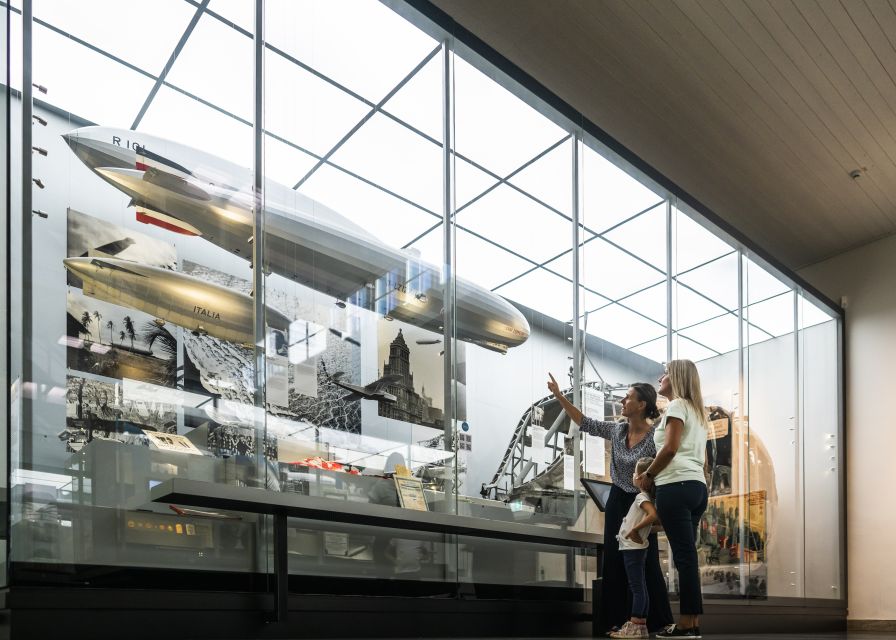
Airships are weirdly fascinating. At the Zeppelin Museum in Friedrichshafen, you’ll get a multimedia look at Graf Zeppelin’s “Lighter than Air” world, plus a partial reconstruction of the LZ 129 Hindenburg.
What I really like is the mix of aircraft-style technical artifacts with the kind of storytelling that helps you understand why airships mattered. One good consideration: you’ll want to travel light because backpacks and large bags aren’t allowed inside.
The ticket is also a smart hit for your time. You’ll spend about 2 hours seeing both the airship collections and major artwork spanning the Middle Ages through the Baroque period, including artists associated with Lake Constance as a refuge during the Third Reich.
In This Review
- Key things to know before you go
- First Look at Zeppelin Museum in Friedrichshafen Harbor
- What Your Zeppelin Museum Entry Ticket Really Includes
- Touring the Airship Story and the LZ 129 Hindenburg Replica
- Real Airship Hardware, Technical Drawings, and Fragments
- Don’t Skip the Art: Middle Ages, Baroque, and the Lake Constance Refuge
- Practical Tips for a Smooth Friedrichshafen Museum Visit
- Price and Value: Is $16 Worth It?
- Who Should Book This Zeppelin Museum Ticket
- Should You Book? My Practical Take
- FAQ
- Where is the Zeppelin Museum located?
- How much is the Zeppelin Museum entry ticket?
- How long is the ticket valid?
- How long should I plan to spend inside?
- What’s the latest time I can enter?
- What is included with the ticket?
- Is the museum wheelchair accessible?
- Are food and drinks allowed inside?
- Are pets allowed?
- Can I bring a backpack or large bag?
Key things to know before you go
- LZ 129 Hindenburg replica rooms: walk into the full-size passenger-area reconstruction for a strong sense of luxury and scale
- Over 1,500 original objects: expect real fragments and documents, not just posters and photos
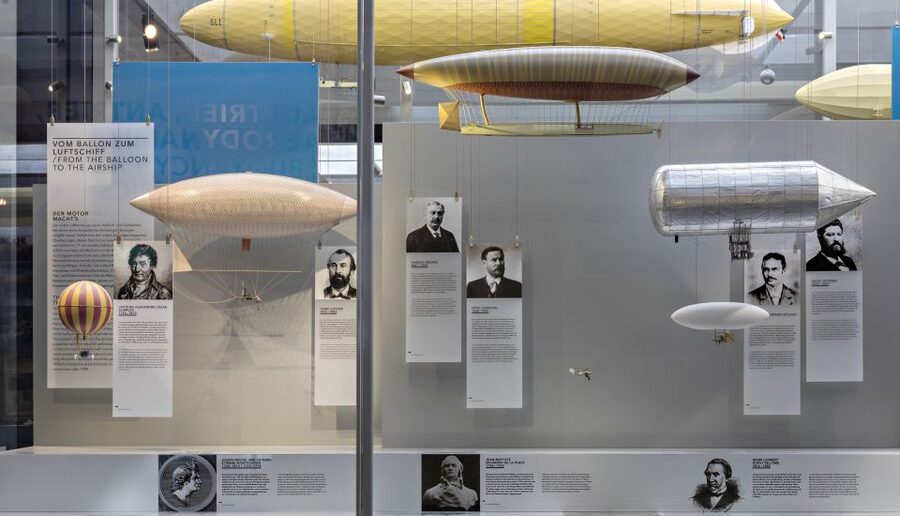
- Big technical display: you’ll see parts like skeletons, propellers, nacelles, elevator motors, and gears
- Art runs through the whole visit: Middle Ages and Baroque work, plus a focus on modern artists who found refuge by Lake Constance
- 2-hour rhythm: plan on a focused visit that fits easily into a day by Lake Constance
First Look at Zeppelin Museum in Friedrichshafen Harbor
The Zeppelin Museum has a very practical, easy-to-find setting: it sits right on the shore of Lake Constance at Friedrichshafen Harbor. The building is the former harbor railway station, with a white exterior, a tower on the lakeside, and lots of glass facing the city. That matters because you won’t spend your first hour wandering around trying to orient yourself.
This is a great stop if you’re already moving through Friedrichshafen. The museum feels like it belongs here—airship history grew around this lake region, and you’re close enough to the water that the whole theme clicks faster than if the museum were tucked inland.
What Your Zeppelin Museum Entry Ticket Really Includes

Your $16 entry ticket covers admission to the Zeppelin Museum Friedrichshafen. It’s priced as a single-day museum ticket, valid for 1 day (so it’s meant for a specific visit block, not a multi-day pass).
For most people, the sweet spot is the scheduled museum visit time of about 2 hours. That’s enough to get meaning from the airships without turning it into an all-day grind. It also helps you plan a day on Lake Constance—your museum time won’t hijack your entire schedule.
What you’re paying for isn’t just one main exhibit. The museum’s name comes from airships developed by Graf Zeppelin in Friedrichshafen, and the collections are split across technology and art. So if you’re the type who gets bored in a room full of static displays, the structure still holds your attention because it keeps switching gears: airship hardware, construction materials, and then art from older periods through the 20th-century story tied to the Lake Constance refuge.
Touring the Airship Story and the LZ 129 Hindenburg Replica
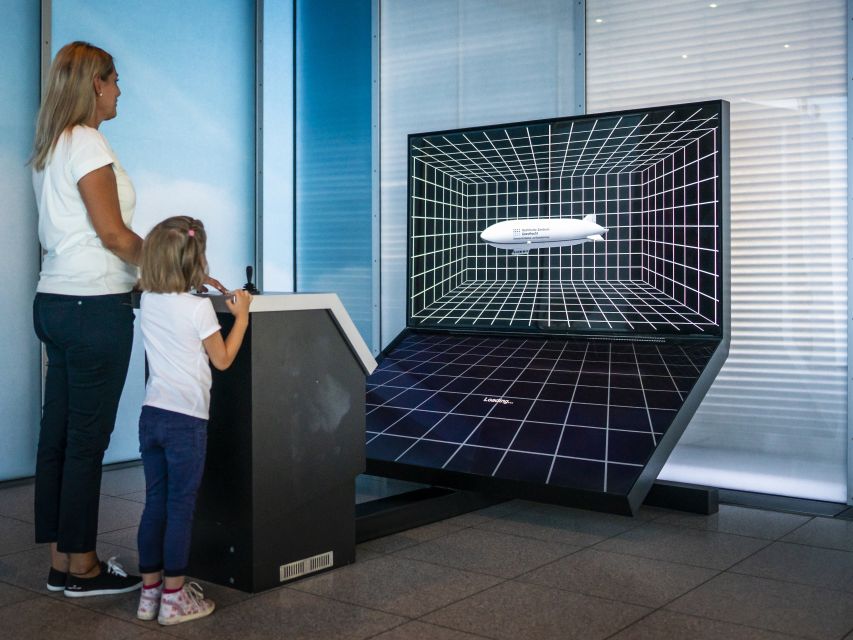
The core experience here is airship travel—how it worked, why it became symbolic, and what life on an airship felt like. The museum uses a lively approach with historical film and image recordings, so you’re not limited to reading labels. That matters because it helps you picture flight-era ideas in motion, and it keeps the visit from feeling like homework.
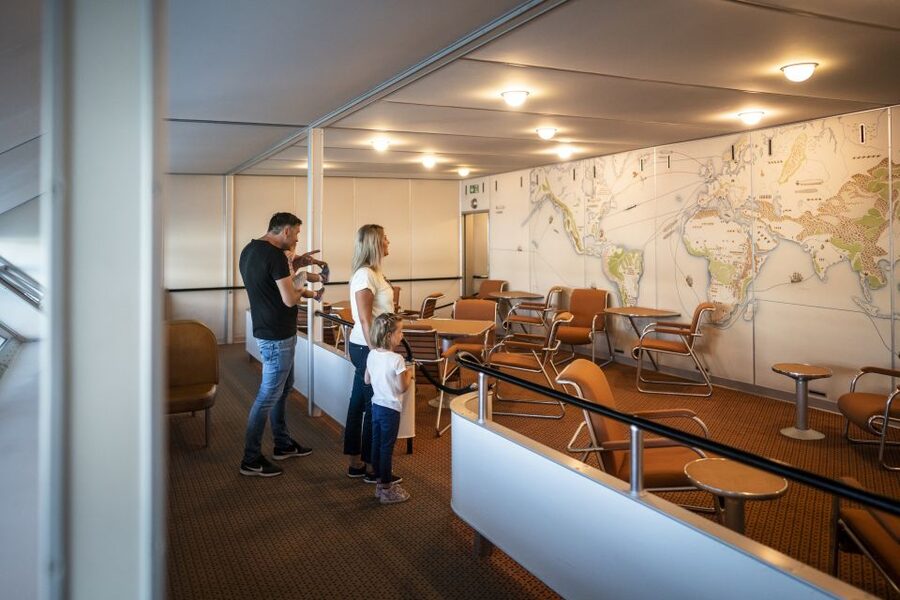
Then there’s the star for many visitors: the partial reconstruction of the LZ 129 Hindenburg. You can climb into the full-size replica passenger areas. That phrase—full-size—should catch your attention. It’s one thing to see photos of luxury liner-style interiors; it’s another to step into a scale that makes the space and layout feel real.
What to watch for while you’re in those replica areas is the contrast between romance and engineering. The Hindenburg’s passenger spaces communicate comfort and status, but the overall museum presentation keeps reminding you that airships were machines first. Even if you only skim technical labels, you’ll still get the pattern: beauty, but built with exact parts and careful systems.
A practical note: the museum’s last admission is 4:30 pm, so if you’re trying to pair this with a late lake walk or dinner, don’t drift past the cutoff.
Real Airship Hardware, Technical Drawings, and Fragments
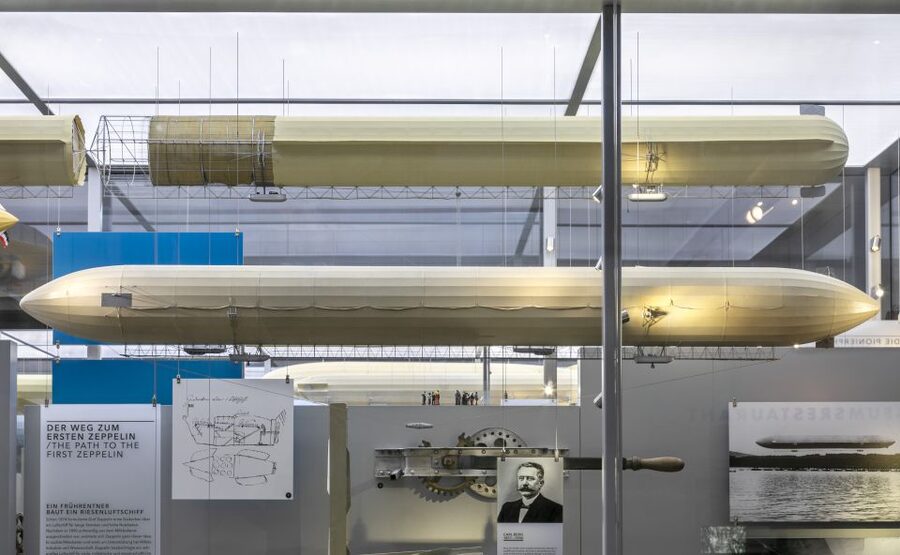
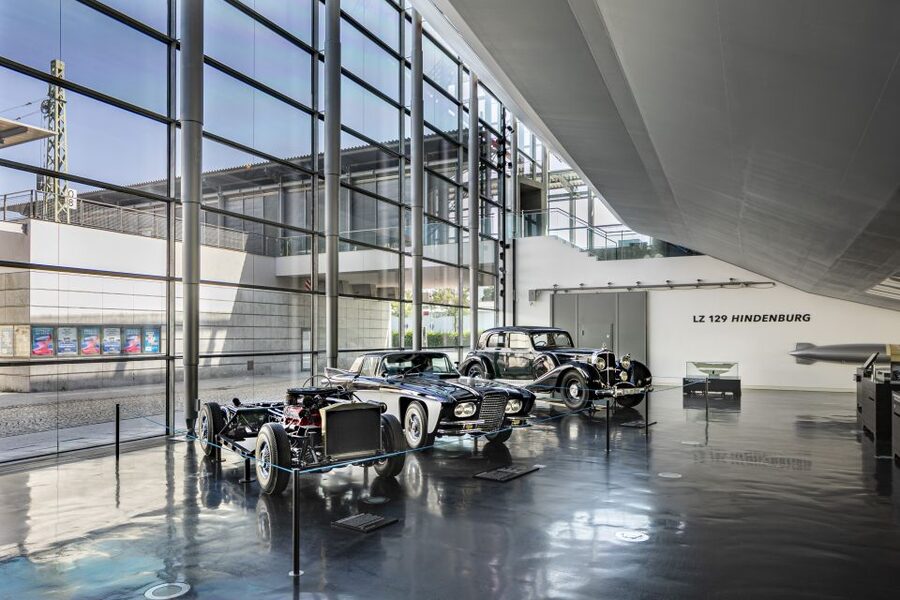
One reason this museum works so well is that it gives you a “museum of evidence,” not just a memorial. You’ll see large technical objects and fragments of airships—examples mentioned include skeletons, propellers, nacelles, elevator motors, and gears. These are the parts that explain how an airship moves, turns, and stays controlled.
You also get construction documents and the kinds of paper items that make history feel tangible: technical drawings, posters, postcards, newspapers, photos, and documents related to aerophilately. Even if you’re not a collector type, these items are useful because they show how airships spread through culture—through mail, images, news, and collecting habits.
Here’s the mindset that makes this section satisfying: don’t treat it like a random pile of artifacts. Try to connect three things as you move through the displays:
- what the part does (the function),
- where it fits (the system),
- and how the public understood it (posters, photos, documents).
That approach turns a 2-hour visit into an “I get it now” experience, even if you don’t spend every minute reading.
Don’t Skip the Art: Middle Ages, Baroque, and the Lake Constance Refuge
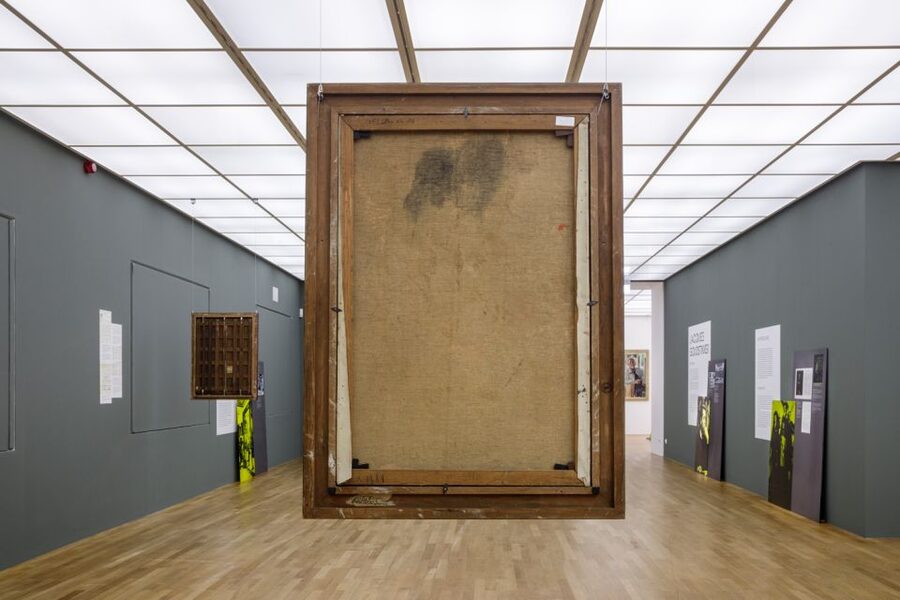
The Zeppelin Museum isn’t only about airships, and that’s a big part of its value. Alongside the airship collections, there’s a sizable art collection with works from the Middle Ages to the modern age—and a strong presence of Middle Ages and Baroque.
Then, for a sharper historical layer, the museum highlights how Lake Constance became a refuge during the Third Reich for leading avant-garde artists. The names tied to this focus include Otto Dix, Max Ackermann, Erich Heckel, and Willi Baumeister. That’s not just a list—it’s a clue that the museum is trying to show how the region mattered beyond aviation. The same location that shaped airship innovation also became a place where artists could regroup.
What I like about this structure is that it stops the museum from being a single-track lesson. If you’re traveling with someone who doesn’t care about aircraft engineering, the art gives them a separate path. If you care about the technology, the art section still supports the bigger idea: innovation isn’t only mechanical. It also happens in what people make and where they can make it.
Practical Tips for a Smooth Friedrichshafen Museum Visit
This museum is straightforward, but there are a few “know before you go” rules that can save you stress.
First, plan on not bringing a lot of stuff. Food and drinks aren’t allowed, and you also can’t bring luggage or large bags. Backpacks are specifically not allowed either. Umbrellas are also listed as not allowed. Pets are not allowed (assistance dogs are allowed). Selfie sticks aren’t allowed.
So what should you do? Travel with minimal carry-on. If you’re coming from a lake stroll, keep your plan simple: water-resistant shoes, small day bag (if it’s within the museum’s rules), and be ready to go bag-light.
Second, timing matters. Last admission is 4:30 pm, and the ticket is valid for 1 day with starting times you’ll need to check for availability. If you’re going after a morning train arrival, choose a time that gives you breathing room so you’re not rushing through the replica passenger areas and the technical fragments.
Third, accessibility is supported. The museum is listed as wheelchair accessible. That’s a helpful signal that this is designed to be approachable for different mobility needs, though the specifics of movement inside the exhibits aren’t given here, so you’ll still want to plan for some standing and walking.
Price and Value: Is $16 Worth It?
For $16, I think this ticket is a good value if you like museums that connect story to objects. You’re not paying for one room or one theme. You’re paying for:
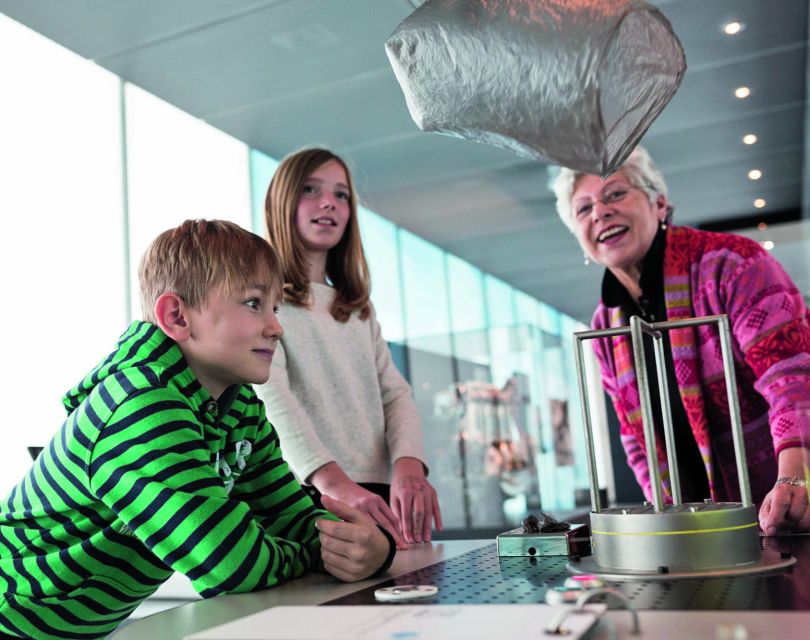
- a technology-focused airship collection with lots of original artifacts (the museum mentions over 1,500 original exhibits),
- the LZ 129 Hindenburg passenger replica experience,
- technical fragments and documents,
- and a meaningful art collection spanning older periods up to more modern connections.
The “2 hours” visit window is also part of the value equation. You can make this work even on a day that includes Lake Constance views, a harbor wander, or nearby sights. If you had to rent a car for a half-day museum and spend hours commuting, you’d feel the cost more. Here, the museum is built for a focused stop in Friedrichshafen.
If you only want airships and nothing else, you may still feel satisfied because the Hindenburg replica is a strong anchor. If you like art museums too, the combined ticket becomes even more compelling, since the art isn’t an afterthought.
Who Should Book This Zeppelin Museum Ticket
You’ll probably enjoy this ticket most if you fit one of these profiles:
- You like aviation history, especially the early period when engineers were doing bold things with “lighter than air.”
- You enjoy museums that mix disciplines: tech plus art.
- You want a quick but memorable stop in Friedrichshafen that won’t eat your whole day.
It may be less ideal if:
- You need to bring a backpack, large bag, or lots of supplies with you. The rules restrict those items, so you’ll have to adjust.
- You only want general sightseeing and don’t care about technical fragments or documentary-style displays.
Should You Book? My Practical Take
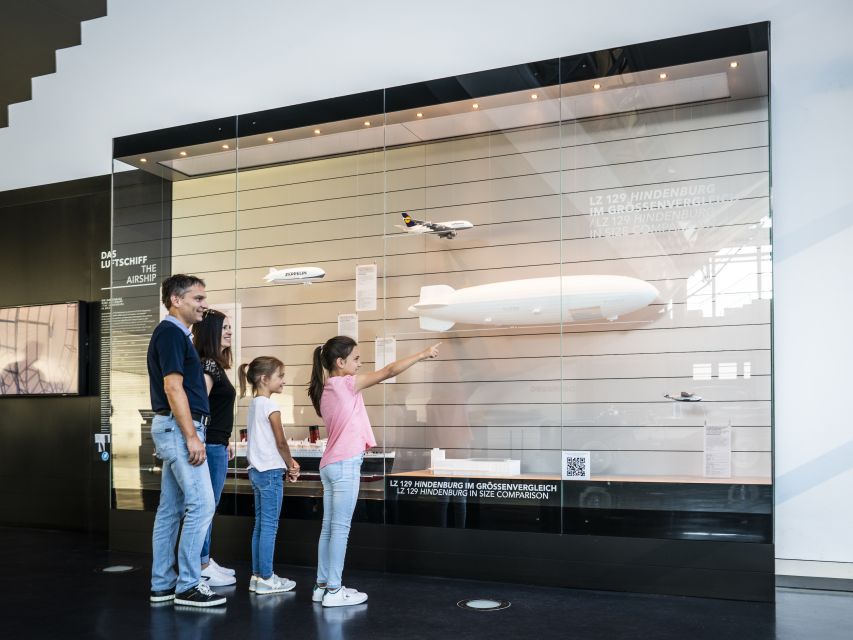
I’d book this Zeppelin Museum ticket if you want a compact visit that still feels substantial. The combination of the LZ 129 Hindenburg replica passenger areas, the airship technical artifacts, and the major art collection gives you multiple reasons to stay engaged for the full 2 hours.
If you’re traveling with someone who argues over museum types, this is one of those places where you can both win: airship fans get the hardware and the replica, and art lovers have plenty to see without feeling like they’re stuck in a single theme.
FAQ
Where is the Zeppelin Museum located?
The Zeppelin Museum is on the shore of Lake Constance in Friedrichshafen, at Friedrichshafen Harbor.
How much is the Zeppelin Museum entry ticket?
The price is $16 per person.
How long is the ticket valid?
The ticket is valid for 1 day.
How long should I plan to spend inside?
The visit duration listed is about 2 hours.
What’s the latest time I can enter?
The last admission to the museum is 4:30 pm.
What is included with the ticket?
Your ticket includes entry to the Zeppelin Museum.
Is the museum wheelchair accessible?
Yes, the museum is listed as wheelchair accessible.
Are food and drinks allowed inside?
No, food and drinks are not allowed.
Are pets allowed?
Pets aren’t allowed, but assistance dogs are allowed.
Can I bring a backpack or large bag?
No. Backpacks and luggage or large bags are not allowed.