REVIEW · MOMBASA
Fort Jesus Museum Walking Tour in Mombasa
Book on Viator →Operated by Bishamba Hamisi Juma · Bookable on Viator
Fort Jesus makes Mombasa history walkable. This 4-hour guided tour strings together Fort Jesus Museum and the nearby Old Town so you can see how Portuguese, Arab, and British-era influences shaped the coast, right down to the doors and balconies. I love the way the tour turns big, old dates into something you can point at inside the fort, and I love the hands-on feel of walking the Swahili and Arab-designed streets toward the spice areas. One thing to plan for: the museum admission isn’t included in the $35 rate, so your final total depends on whether you’re a resident and how many people are in your group.
You’re led by a licensed guide (with Bishamba Hamisi Juma listed as the provider), and the group stays small, up to 15 people. It starts at the Fort Jesus Museum and ends back where you begin, near public transportation, which makes it easy to build into a day.
In This Review
- Key highlights you should care about
- Fort Jesus Museum: a World Heritage story you can walk around
- Old Town Mombasa: Swahili life with Arab-style doors and balconies
- Mackinnon Market: spices, narrow lanes, and a tough trade history
- Curio shops: browsing for souvenirs without losing your bearings
- The walking pace: 4 hours on foot, small group energy
- Price and tickets: what the $35 really buys you
- Who this tour suits best (and who might skip it)
- Should you book this Fort Jesus Old Town walk?
- FAQ
- How long is the Fort Jesus Museum walking tour in Mombasa?
- What is included in the price?
- How much are the museum admission fees?
- Where does the tour start and end?
- How big is the group?
- What is the cancellation policy?
Key highlights you should care about
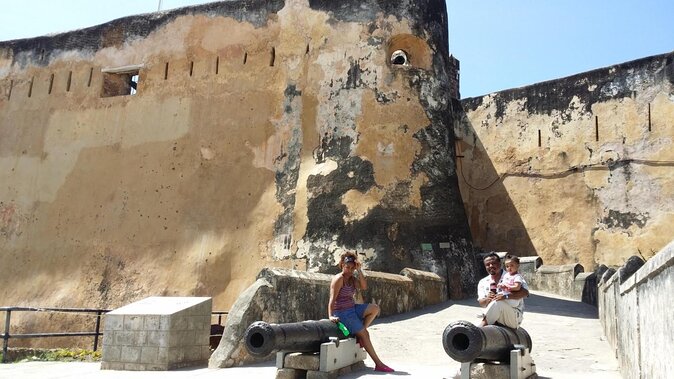
- World Heritage Fort Jesus, 15th-century through multiple eras with Portuguese, Arab, and British chapters you can actually see
- Old Town Swahili culture plus Arab architectural influence in the wood carvings, doors, and balconies
- Mackinnon Market for spices along narrow streets where the trade story is part of the place (British construction in 1914)
- Guides who manage the practical stuff like admission forms so you spend less time stuck at paperwork
- Curio shops for real shopping stops where you can browse without getting lost in the side streets
- A pace built for walking (about 4 hours) rather than rushing through photo stops
Fort Jesus Museum: a World Heritage story you can walk around
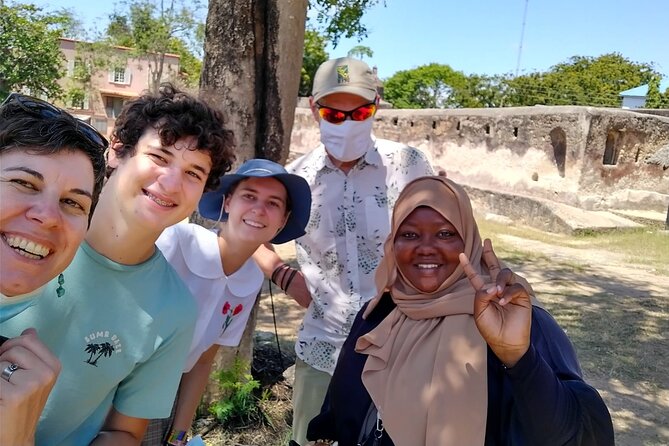
Fort Jesus is not just a museum you pass through. It’s a fort you circle, step through, and use like a map for the coastal power shifts that shaped Mombasa. If you like history that you can point to, you’ll get it here: the site is presented as a reminder of Renaissance-era connections, and it also tracks Portuguese, Arab, and British periods tied to the 15th century.
What I like most is how this kind of setting makes the details stick. Instead of reading a timeline, you’re standing inside a place built for control, trade, and defense. That’s the difference between history as words and history as atmosphere. You’ll also have a licensed guide to explain what you’re looking at as you go, which helps you avoid the common mistake of taking photos without knowing what matters.
A practical note: Fort Jesus Museum is the first stop, so you’ll want to arrive on time. The better your start, the smoother the rest of the walk feels. One review detail that’s worth keeping in mind: guides can help you with the admission form at the gate, which saves you stress if forms are new to you.
Old Town Mombasa: Swahili life with Arab-style doors and balconies

After the fort, the tour shifts to the streets of Old Town. This is where the experience gets more human and more local. You’re not only learning about the past; you’re walking through the visual cues that still show older Arab architectural influence—especially through carved wooden doors and balconies.
If you enjoy street-level design, keep your eyes up. Those balconies and door features aren’t random decoration. They’re part of the architectural language that came from earlier Arab presence (the tour frames this influence as visible from the 16th century). When your guide points out why the woodwork and layouts look the way they do, the whole neighborhood starts to make sense.
Old Town also tends to move at a slower, more everyday tempo than the tourist sights. That can be a relief if you’re tired of constant hustling. You’ll still see plenty of activity, but it’s the kind that helps you understand what people live with: houses close together, lanes that funnel you toward the next bend, and the sense that Mombasa is layered rather than erased.
This section is also where you’ll feel the “value” of a guide more strongly. Without guidance, you might treat Old Town like a photo walk. With guidance, you learn what you’re photographing—so the time pays off later when you look back at the images.
Mackinnon Market: spices, narrow lanes, and a tough trade history
Next comes Mackinnon Market area, reached through narrow Old Town streets. The big reason to pay attention here is the spice connection. This market is famously known for natural spices, and the route itself helps. You’re walking lanes that funnel toward trade, so by the time you arrive, it feels less like a stop and more like a continuation.
Now for the part you should not skip mentally: the market was built for slave trade by the British in 1914. That fact is part of why this stop is powerful, not just for shopping. You’re seeing the physical place where trade and exploitation intersected with everyday commerce afterward.
A balanced way to look at it: if you’re coming mainly to taste and buy spices, you’ll likely enjoy browsing and smelling what’s available. If you want a long, structured market visit with lots of time to test and compare, your expectations should be realistic—this is still a walking tour, so the market stop is one piece of a four-hour flow.
In other words, plan to use this stop as a context-builder and a sensory moment. Bring curiosity more than a checklist. Even if you don’t buy anything, you’ll still come away with a better sense of how spice trade and coastal history are tangled together.
Curio shops: browsing for souvenirs without losing your bearings
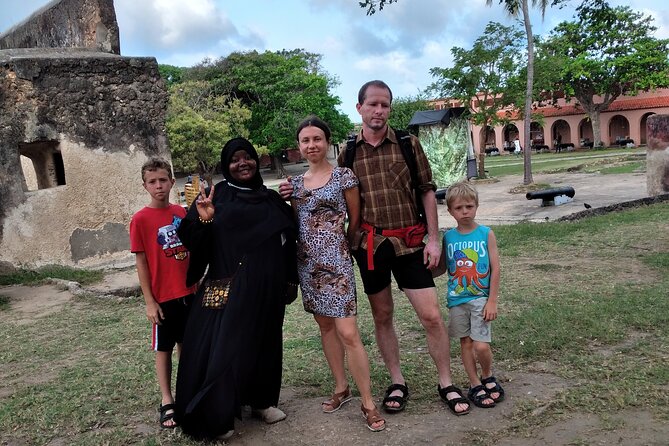
Old Town naturally pulls you toward curio shops. These are the places where you can buy gifts and souvenirs, and they’re also the places where you can waste time if you’re not careful. The good news is that this tour treats shops as part of the neighborhood texture, not a forced shopping detour.
As you walk, you’ll see plenty of options. Think of it like window-shopping with a context lecture running in the background. When your guide has the broader story, it’s easier to separate a random trinket from a meaningful purchase (even if your budget only allows for small items).
My practical advice: go in with two lists in your head. One list is what you might actually want to carry home. The other list is what you’d like to know more about (materials, local carving styles, spice blends). That way you don’t get pulled into a buying frenzy just because the storefront is busy.
Also, if you’re sensitive to crowds or bargaining pressure, just remember you can always take a step back. This is a walking tour, not a trapdoor into a store you didn’t pick.
The walking pace: 4 hours on foot, small group energy

This is a half-day experience, about 4 hours. The route structure—fort first, then Old Town lanes, then the market area—means you’re not stuck in one building for the whole time. You get movement, changing scenery, and the chance to see architecture and street life side by side.
Group size is capped at 15, which matters. In a group that small, your guide can still keep an eye on people and answer questions without turning into a shout-fest. You can also ask follow-ups when something catches your attention—whether that’s architectural details, trade history, or how the Portuguese and British eras are framed.
If you’re traveling solo, this kind of tour is also a strong way to feel less disconnected. The guide is there to connect the dots, and you’re not trying to do the reading from scratch on your own in a maze of streets.
Comfort matters too. You’re walking. So wear shoes you can rely on. Bring water. And if you get heat easily, plan to pace yourself and take shade breaks whenever your guide suggests them.
One more note: the tour lists that most travelers can participate, so it’s designed to be broadly workable. Still, if you have mobility concerns, I’d treat the streets and walking as something to consider carefully.
Price and tickets: what the $35 really buys you

The tour price is $35 per person, and what you’re paying for is the licensed guide plus the guided experience itself. The museum admission ticket is not included, and that’s important for your budget.
Here are the admission fees you should plan for:
- Resident admission (adult/youth/senior): $4
- Resident admission (children): $2
- Non-resident admission (adult/youth/senior): $12
- Non-resident admission (children): $6
So your real cost is $35 plus the Fort Jesus admission for each person. For many visitors, that turns the tour into decent value if you want the guide help and the Old Town context. If you’d rather wander on your own, the guide component is what you’d be skipping.
What makes the guide cost feel worth it is not just “explaining.” It’s practical flow: getting you through the first-stop entrance smoothly (including admission form support), keeping the pace steady, and translating what you see into understandable context—so you don’t leave with a pile of photos and half-remembered facts.
Who this tour suits best (and who might skip it)
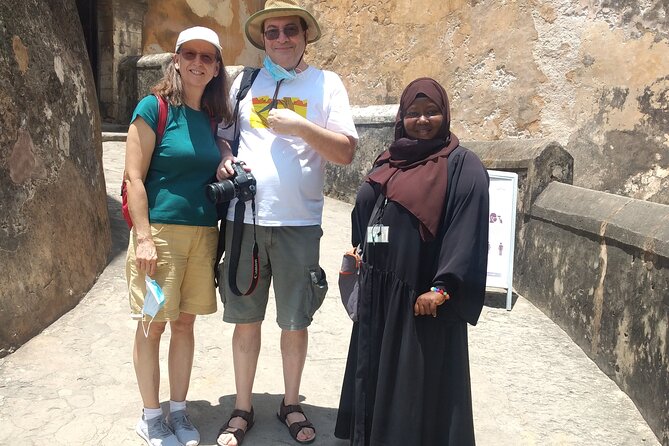
This tour fits you well if you want a structured walk that still feels like you’re moving through real neighborhoods. If you like architecture cues—especially wooden carvings, doors, and balconies—and if you want a guide to connect Portuguese, Arab, and British-era influences to what you see, you’ll probably feel satisfied at the end.
It also works if you enjoy market stops as part of a story rather than a checklist. Mackinnon Market is a chance to smell and browse, with the heavier historical context built in.
You might reconsider if:
- You’re primarily interested in a long market shopping session. This is a walk, so the time is limited.
- You dislike tours that mix pleasant browsing with tough historical facts. The tour includes the slave trade-related origin detail of the market, and it’s part of the experience.
Should you book this Fort Jesus Old Town walk?
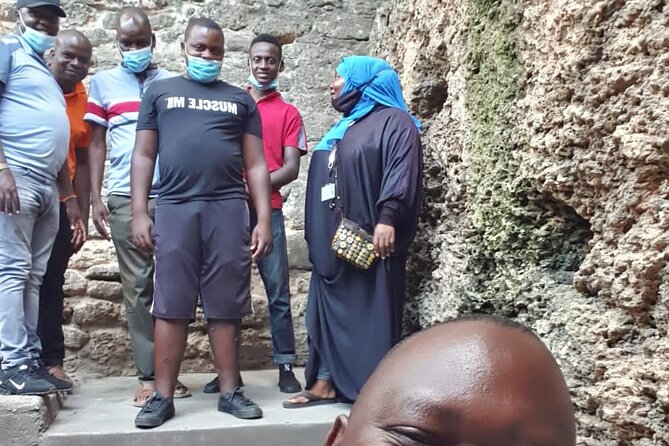
I’d book it if you want one clear half-day plan that covers three big pieces of Mombasa in a way that makes sense. Fort Jesus gives you the anchored “where history lives,” Old Town gives you the architecture and street feel, and the spice market area adds sensory energy and trade context.
Before you go, do three quick checks:
- Budget for Fort Jesus admission on top of the $35 tour fee.
- Wear walking shoes and plan for about 4 hours of movement.
- Come with curiosity. Even if you skip shopping, the explanation turns the streets into a story you can follow.
If you like guided city history that stays practical and walkable, this is a strong fit.
FAQ
How long is the Fort Jesus Museum walking tour in Mombasa?
It runs for about 4 hours.
What is included in the price?
The tour includes a licensed tour guide. Admission tickets are not included.
How much are the museum admission fees?
Fort Jesus admission fees depend on residency status and age. Resident (adult/youth/senior) is $4 and resident children is $2. Non-residents (adult/youth/senior) is $12 and non-resident children is $6.
Where does the tour start and end?
It starts at the Fort Jesus Museum (P. O. Box 82412, Mombasa, Kenya) and ends back at the meeting point.
How big is the group?
The maximum group size is 15 travelers.
What is the cancellation policy?
You can cancel for a full refund up to 24 hours in advance. If you cancel less than 24 hours before the start time, the amount paid is not refunded.