REVIEW · EINDHOVEN
Eindhoven: Philips Museum Entry Ticket
Book on GetYourGuide →Operated by Philips Museum · Bookable on GetYourGuide
A lightbulb factory tells a tech story.
With an entry ticket to the Philips Museum in Eindhoven, you walk a clear, step-by-step trail of how Philips products evolved from early electrical light to today’s tech, all in a building tied to the company’s beginnings. I like the hands-on, story-driven timeline format, and you’ll see the company’s shift from invention to everyday life as you move from room to room.
I also love the museum’s focus on the people and ideas behind the gadgets, starting with Gerard Philips, and then jumping into the future with the AI exhibition brAInpower. One possible drawback: some highlights are scheduled (like Mini Lectures and The Lamp), so you’ll want to check the day’s timing so you don’t miss the exact moments you want.
In This Review
- Key Things to Know Before You Go
- Philips Museum in Eindhoven: More Than a Brand Exhibit
- Price and Ticket Value at About $14
- Walk the Philips Timeline: From Early Light to Digital Life
- The Lightbulb Factory Moment: Back to 1891
- Gerard Philips: The Founder’s Thinking in Plain View
- brAInpower AI Exhibition: Where the Future Shows Up
- Mini Lectures and The Lamp: Scheduled Programming That Adds Energy
- Temporary Exhibitions: Eyecatchers and PSV, Eendracht Maakt Macht
- Torchlight Treasure Hunt: A Playful Way to Explore
- Audio Tour Options and Practical Comfort
- Planning Your Day: How to Get the Best Flow
- Who This Museum Ticket Is Best For
- Should You Book the Philips Museum Ticket?
- FAQ
- How much is the Eindhoven Philips Museum entry ticket?
- How long is the ticket valid?
- Is a guided tour included with the ticket?
- What languages are available on the audio tour?
- What’s included besides entry?
- Is cash accepted at the museum?
- Is the museum wheelchair accessible?
Key Things to Know Before You Go
- 1891 lightbulb factory setting: the museum lives inside a former Philips bulb factory, adding real weight to the history.
- Gerard Philips focus: you get a sense of the founder’s thinking, not just product facts.
- brAInpower AI exhibition: the future shows up alongside the past, with AI as a central theme.
- Scheduled moments included: Mini Lectures and The Lamp are part of the ticket.
- Temporary exhibitions: you can add Eyecatchers and PSV, Eendracht maakt macht to round out your visit.
- Free storage and a Torchlight Treasure Hunt: easy logistics, plus a playful way to explore.
Philips Museum in Eindhoven: More Than a Brand Exhibit
If you like your history with context—how tech affects real life—this museum works. You’re not just looking at old devices; you’re tracing a company’s choices as they connected electricity, communication, and later healthcare to day-to-day living.
The setting helps a lot. The Philips Museum is housed in a lightbulb factory built in 1891. Walking through a space tied to early manufacturing makes the story feel grounded. It turns the past from a museum label into a place that once produced something people used every day.
Price and Ticket Value at About $14
At $14 per person, the value is pretty strong for a one-day museum ticket. You’re paying for more than entry—your ticket is bundled with scheduled programming, temporary exhibitions, and an audio tour option.
To think about value the right way: this ticket makes sense if you plan to actively explore the full timeline and also catch the included moments like Mini Lectures and The Lamp. If you’re the type who only wants one gallery and a quick walk-through, you might feel like you’re paying for time you won’t use.
If you have a museum card or a student card, present it for a discount (and yes, it’s worth doing). Also note cash isn’t accepted, so plan on card payment.
Walk the Philips Timeline: From Early Light to Digital Life
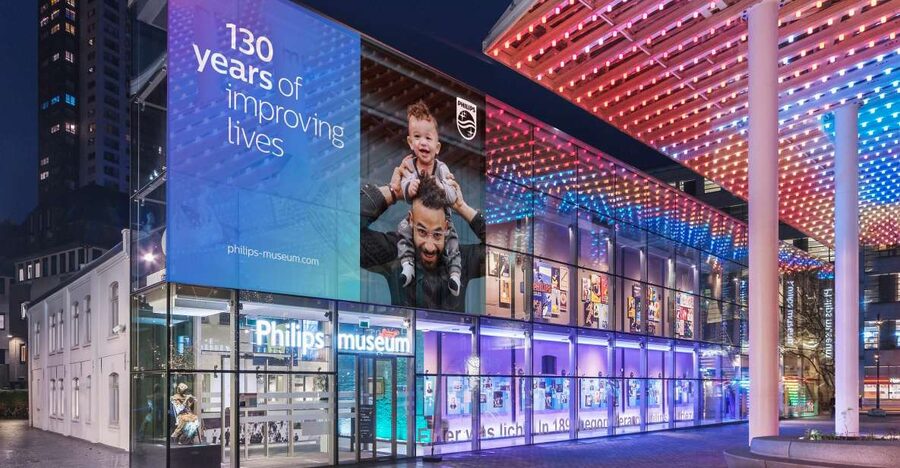
The core of the experience is a product timeline you can follow step by step. The museum guides you through how Philips inventions changed society over the decades—starting with electric light and then moving toward radio, television, and the digital age.
What makes this approach work is the pacing. It doesn’t feel like a lecture where you’re just memorizing facts. Instead, you’re repeatedly asked to connect a new invention to what it changed for people—how they lived, communicated, and worked.
If you enjoy seeing technology as a chain reaction, you’ll like how the displays connect the dots. You’ll see Philips reinventing itself again and again, not as a single breakthrough, but as a long pattern of adapting to new possibilities.
The Lightbulb Factory Moment: Back to 1891
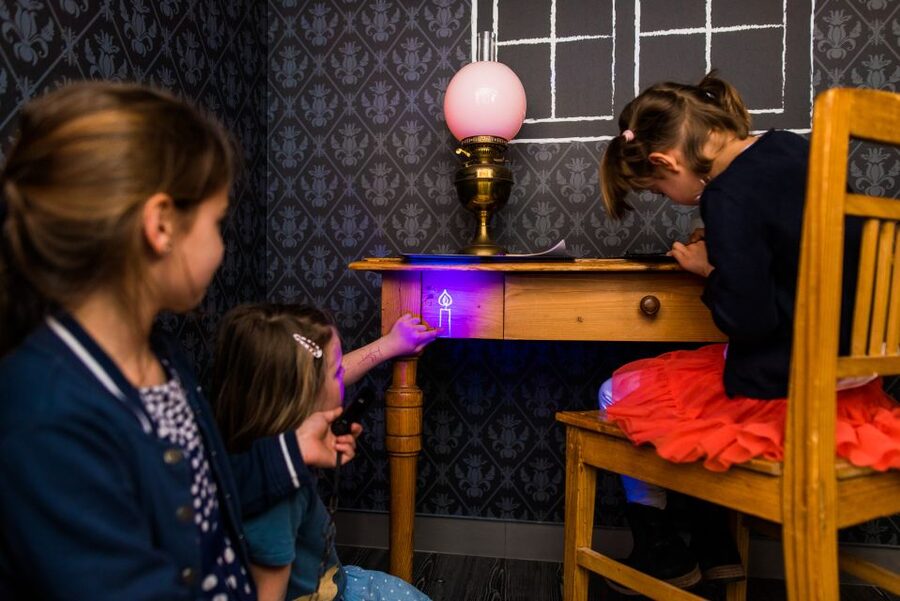
One of the most memorable segments is the trip back to 1891, when the first light bulbs were being made. It’s not just a history card—you’re meant to picture the process and the reality of early production.
This part matters because it frames everything else. When you understand the shift from early attempts at lighting to reliable electricity, the later leaps in communication tech and digital products feel less random. You’re seeing a company repeatedly solve practical problems and scale ideas into products people rely on.
Gerard Philips: The Founder’s Thinking in Plain View
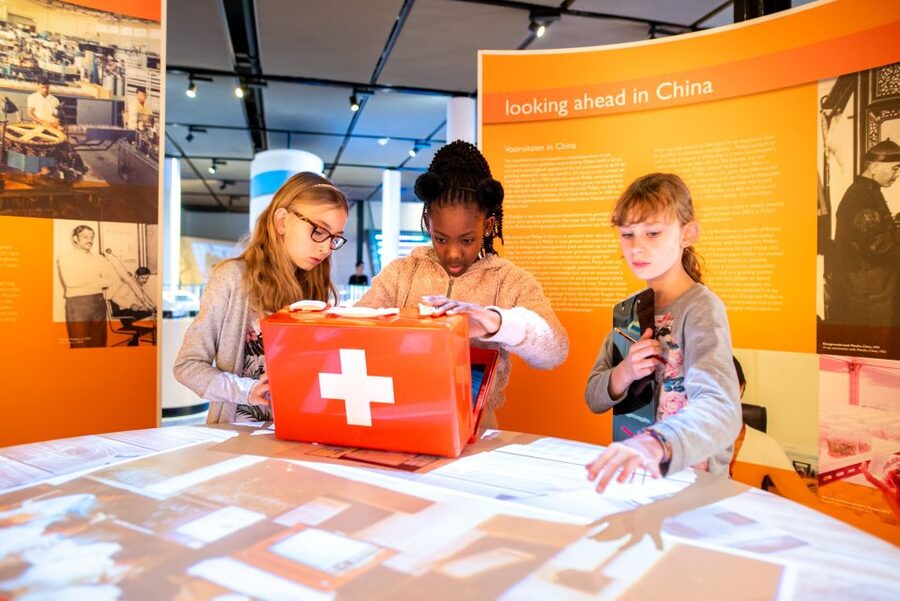
You don’t just get Philips product categories; you get a glimpse of the founder, Gerard Philips, and the kind of decisions behind the innovations. That human layer helps a lot if you usually find corporate history dry.
In a lot of brand museums, you get a museum version of the story—polished, static, and sanitized. Here, the founder’s perspective gives you something more like a set of guiding choices: why Philips pursued certain areas, and how that shaped what they built next.
brAInpower AI Exhibition: Where the Future Shows Up
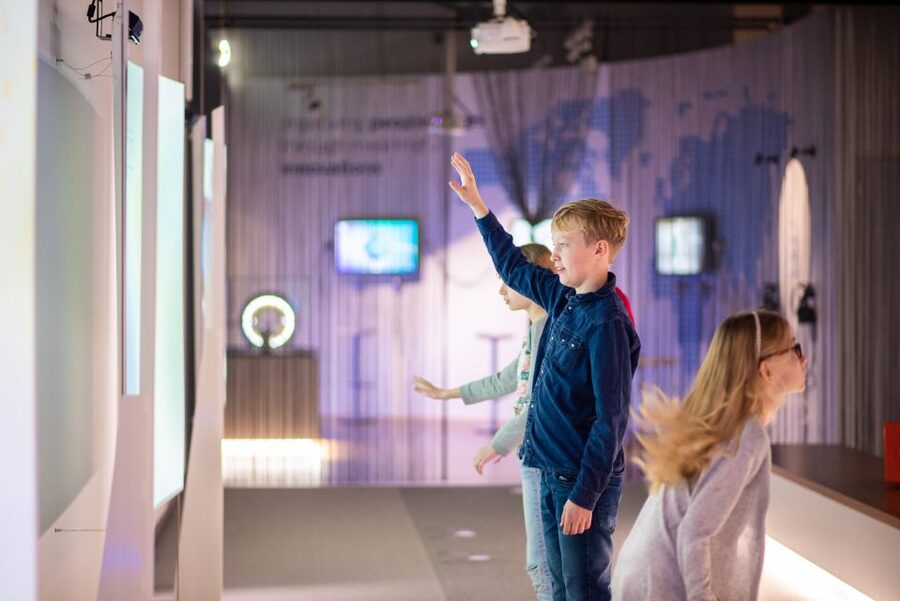
The AI exhibition brAInpower is built to take you from invention history to what’s coming next. Instead of treating AI like a separate topic, it’s presented as part of the same arc: Philips constantly changes, and now it’s working with modern innovation in a new technical era.
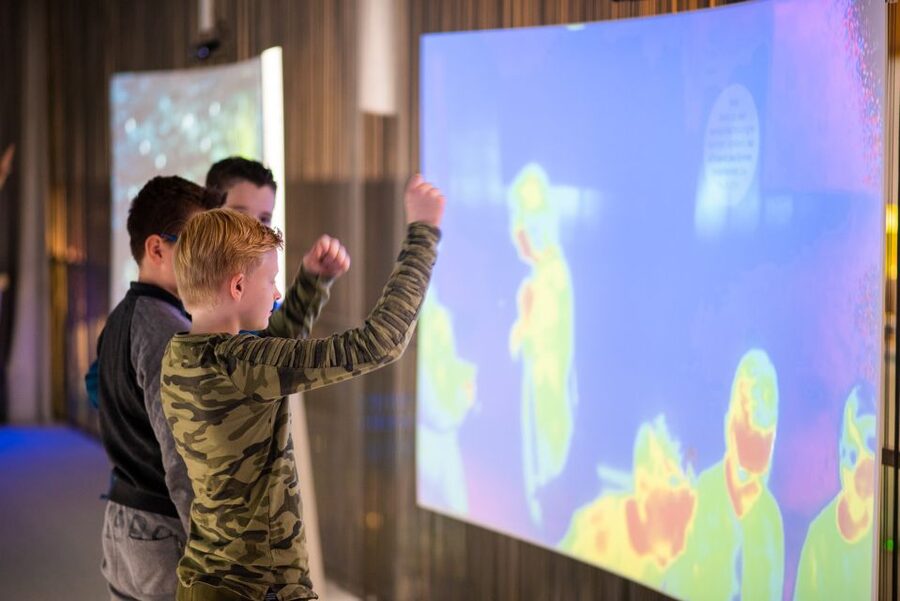
This is also where you’ll likely spend time if you like interactive tech. A key detail from real-world visitor experience: there’s an interactive AI exhibition element, so expect you’ll want to slow down and actually do things, not just read.
The best way to enjoy brAInpower is to go in with one simple question: how does AI change what people can do? Then let the displays answer that through examples and explanations you can revisit as you move.
Mini Lectures and The Lamp: Scheduled Programming That Adds Energy
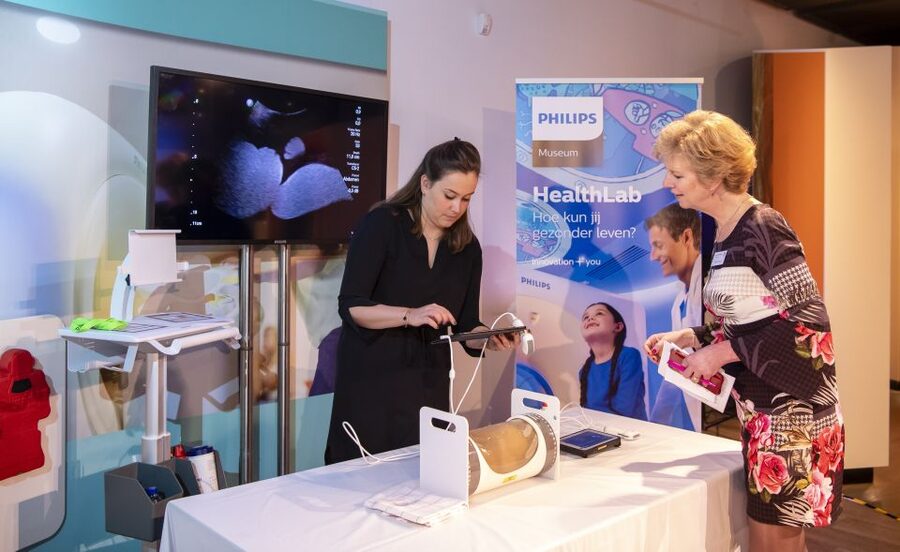
Your ticket includes scheduled activities like Mini Lectures and the performance The Lamp. That’s a big deal for value, because it gives structure to your day. Without those moments, you might wander through galleries at your own pace and miss the parts that really bring the story to life.
Because these are scheduled, I recommend building your visit around them. If you’re arriving in the late afternoon, you might not catch everything. If you can, check the day’s times first, then plan the timeline and exhibitions around the moments you want.
Also, there’s a practical win here: scheduled programming gives you a reason to pause and stay engaged. You don’t have to invent your own “what do I do now” plan.
Temporary Exhibitions: Eyecatchers and PSV, Eendracht Maakt Macht
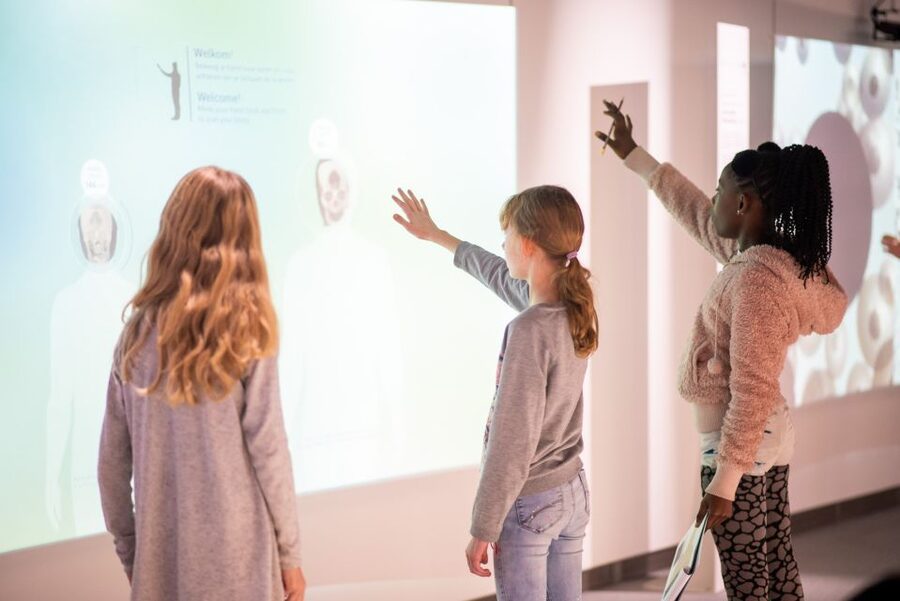
Beyond the main Philips timeline, you can add temporary exhibitions. Two named ones are Eyecatchers and PSV, Eendracht maakt macht.
The PSV exhibition ties the museum experience to Eindhoven’s identity through football culture. If you like sports history mixed with tech and place, that’s a fun shift from gadgets back to community. One visitor note lines up with that idea: there’s a part about football, plus interactive AI content, which makes the visit feel less one-note.
Eyecatchers, as a temporary exhibition title, signals a changing set of visuals or concepts. Treat it like your wild card. If you’re the type who enjoys variety and surprises during a museum visit, temporary exhibits are where that happens.
Torchlight Treasure Hunt: A Playful Way to Explore
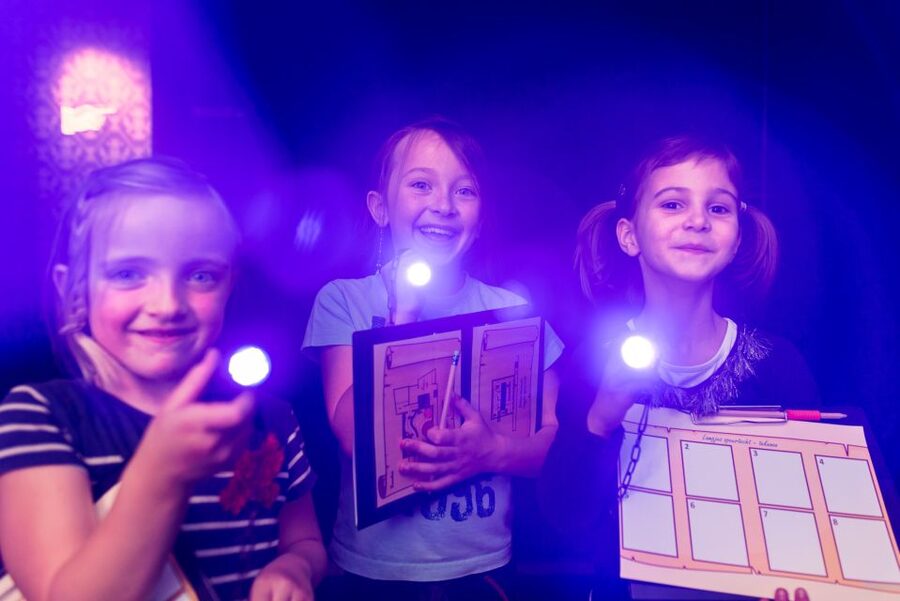
Included with your ticket is a Torchlight Treasure Hunt. It’s a nice option if you don’t just want to watch history—you want to move around and solve something along the way.
This works well when you’re traveling with people who get bored easily by static exhibits. It can also add momentum for solo visits, because it gives you a mission instead of a blank canvas.
One small planning thought: anything treasure-hunt style tends to take a bit of time, so don’t jam your schedule. Build in room for it so you don’t rush through the main galleries.
Audio Tour Options and Practical Comfort
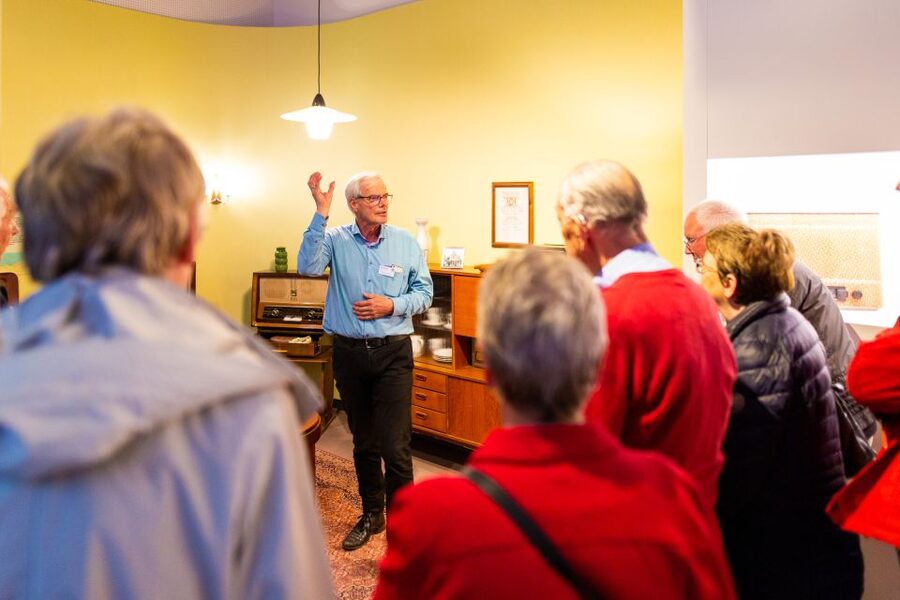
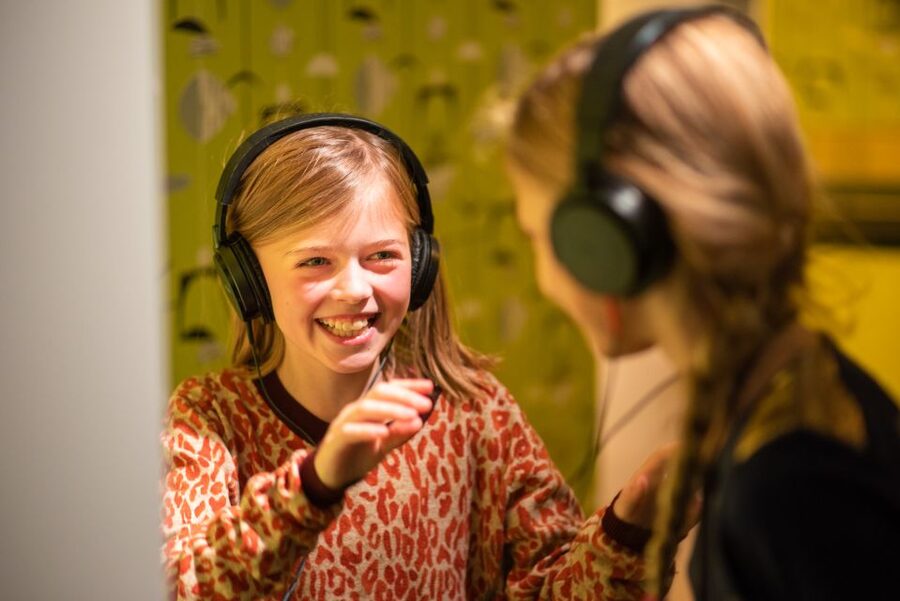
If you’re not into reading every label, use the audio tour. It’s available in Dutch, English, German, French, Turkish, Spanish, and Italian. With that many languages, chances are you’ll find a version that matches your comfort level.
Also, you’ll be glad there are storage lockers. Museum visits often turn into a bag-carrying test. Lockers help you walk with fewer distractions.
And if you’re thinking about logistics before you even arrive: one practical perk is that the museum is close to central Eindhoven, and parking is typically nearby. That matters if you’re driving or doing a mixed-day itinerary.
Planning Your Day: How to Get the Best Flow
The museum is designed for a full visit, but you can make it work either as a full afternoon or a more structured day. Here’s a simple way to structure it without overthinking:
1) Start with the Philips timeline so you build the story framework.
2) Go to the 1891 lightbulb section next, while the electrification story is fresh.
3) Make brAInpower a later anchor so the future theme has context from the past.
4) Add temporary exhibitions to round it out.
5) Schedule time for Mini Lectures and The Lamp—these are included, so plan around them.
If you prefer a calmer experience, I’d aim for earlier in the day. One visitor noted there are fewer people in the morning, which makes interactive exhibits easier to enjoy without squeezing.
Who This Museum Ticket Is Best For
This entry ticket is a great fit if you like one (or more) of these:
- Tech history that explains why inventions mattered
- AI and future tech framed in a human, company-driven story
- Eindhoven travel that connects local identity to major industry history
- Families or mixed-age groups who want both exhibits and an included game-style activity
If you’re looking for a traditional guided tour where someone leads you through everything step by step, note that a guided tour is not included with this ticket. You’ll be relying on your own pacing and the audio tour.
Should You Book the Philips Museum Ticket?
I’d book it if you want a meaningful Eindhoven stop without overcommitting. At $14, with included scheduled moments, temporary exhibitions, an audio tour, lockers, and even a Torchlight Treasure Hunt, you get a lot of ways to engage with the story.
Skip or rethink if you only want one quick gallery, or if you’re specifically hunting for a guided tour experience—because that’s not part of this ticket. Also, don’t forget cash isn’t accepted, so have a card ready.
If you’re the kind of traveler who enjoys connecting past inventions to today’s technology, this museum delivers that link in a way that’s easy to follow—and hard to forget once you leave.
FAQ
How much is the Eindhoven Philips Museum entry ticket?
The price is $14 per person.
How long is the ticket valid?
The ticket is valid for 1 day. You should check availability to see starting times.
Is a guided tour included with the ticket?
No. A guided tour is not included.
What languages are available on the audio tour?
The audio tour is available in Dutch, English, German, French, Turkish, Spanish, and Italian.
What’s included besides entry?
Your ticket includes Mini Lectures and the performance The Lamp, temporary exhibitions Eyecatchers and PSV, Eendracht maakt macht, an audio tour, storage lockers, and a Torchlight Treasure Hunt.
Is cash accepted at the museum?
No. Cash is not accepted.
Is the museum wheelchair accessible?
Yes, it is wheelchair accessible.