REVIEW · BALI
Denpasar: Museum, Traditional Market and Food Tasting Tour
Book on GetYourGuide →Operated by Trip Gotik - Bali Tours · Bookable on GetYourGuide
Denpasar teaches faster than you think. I love starting at Puputan Square, where you can read Bali’s colonial past in the open air, and then moving on to Kumbasari Market, Bali’s biggest traditional market. The only catch is the walking and market crowds, so bring solid shoes and keep your belongings close.
The best part is how the day mixes big landmarks with everyday life: Bali Museum for context and Jagatnatha Temple for living Balinese spirituality. Guides like Dayu and Widi slow down for questions, point out details, and help you get good photos without rushing you.
For $54 for five hours, you get a private guide, hotel transfer, entrance fees, mineral water, and a proper local food tasting. It is not the right pick if you need wheelchair access or you have food allergies, since the route includes steps and shared snack stops.
In This Review
- Key highlights
- Puputan Square: the quickest way to understand Denpasar’s past
- Bali Museum and Jagatnatha Temple near the former royal palace
- Kumbasari Market and the food-market side of Denpasar
- Guided food tasting: snacks and fruit that make sense on your own
- Bajra Sandhi Monument: the struggle narrative in one stop
- Private guide, hotel pickup, and why $54 can be fair value
- Optional add-ons: coffee tasting and massage time
- Practical notes for walking, weather, and choosing the right timing
- Should you book this Denpasar market and museum tour?
- FAQ
- What’s the duration of this Denpasar tour?
- Is this a private tour?
- What’s included in the price?
- Do I get to try local food, or is it just sightseeing?
- What languages are the guides?
- What should I bring?
- Does the tour operate in bad weather?
- Can I cancel and still get a refund?
Key highlights
- Puputan Square orientation with a clear sense of Denpasar’s colonial-era story
- Bali Museum with focused time (around 30–40 minutes) across its four main buildings
- Jagatnatha Temple visit near the former royal palace area
- Kumbasari Market + major food-market shopping where locals haggle and snack
- Guided food tasting with local snacks and fruit
- Bajra Sandhi Monument for the Balinese struggle narrative against Dutch colonists
Puputan Square: the quickest way to understand Denpasar’s past
Your tour starts at Puputan Square, right in the city center. It’s a classic urban park where locals come to hang out, and it works as a natural intro to Denpasar’s modern story. Here, the colonial chapter doesn’t feel like trivia—it feels like place.
I like that you get context first, before you start bouncing between museum rooms and market aisles. You’ll hear how Denpasar’s history connects to what you’ll see later, especially at the Bajra Sandhi Monument. It’s also a practical starting point: you’re near the center, so the rest of the route stays efficient.
One thing to plan for: Puputan Square is outdoors. If the sun is intense, you’ll want sunscreen and a hat early, not later.
You can also read our reviews of more tours and experiences in Bali.

Bali Museum and Jagatnatha Temple near the former royal palace
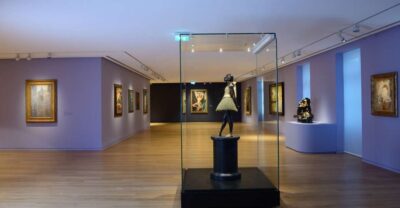
After Puputan Square, you head to the area around the former royal palace of Denpasar—smart, because it ties the day’s themes together. You’ll visit Pura Jagatnatha and the Bali Museum nearby, and you’ll have about 30–40 minutes in the museum.
Inside, the museum is organized across four main buildings focused on Indonesia’s cultural heritage and history. You don’t need to “read everything” to get value out of it. With a guide, you can pick up the key threads fast—what mattered, why it mattered, and how it shaped daily life on the island.
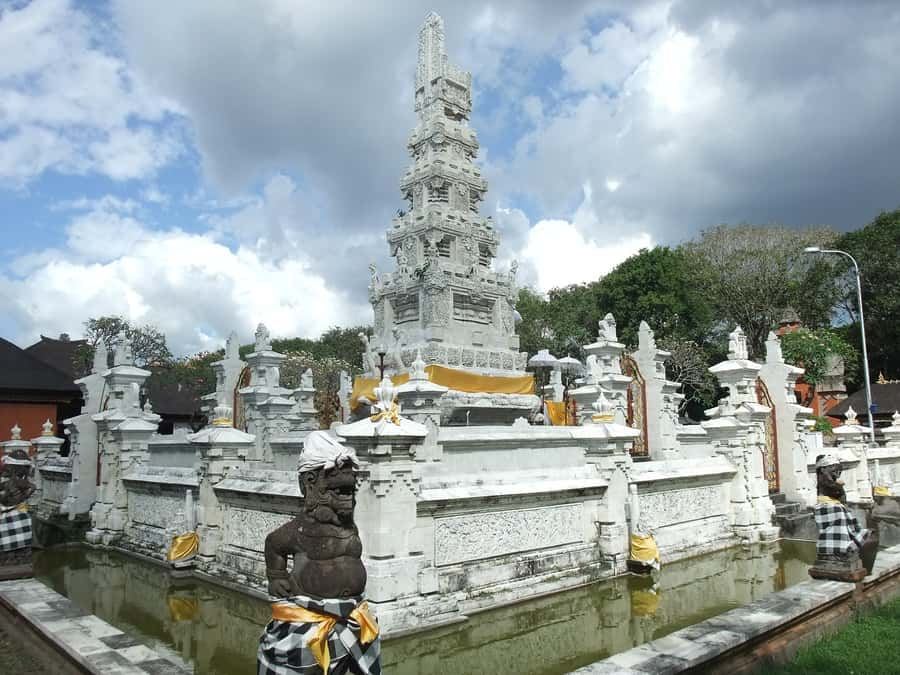
Then there’s Jagatnatha Temple. This stop matters because it shifts you from museum-style viewing to something more current and lived-in. One review specifically praised how guides explained Balinese aspects of women’s life in a way that made the culture feel personal, not generic.
Possible drawback: like many sites in Bali, access can depend on conditions. In one case, temple access was affected by construction, and the guide handled it with an alternative plan. If a part of the complex is closed or restricted, follow on-site rules and let your guide adapt.
Kumbasari Market and the food-market side of Denpasar
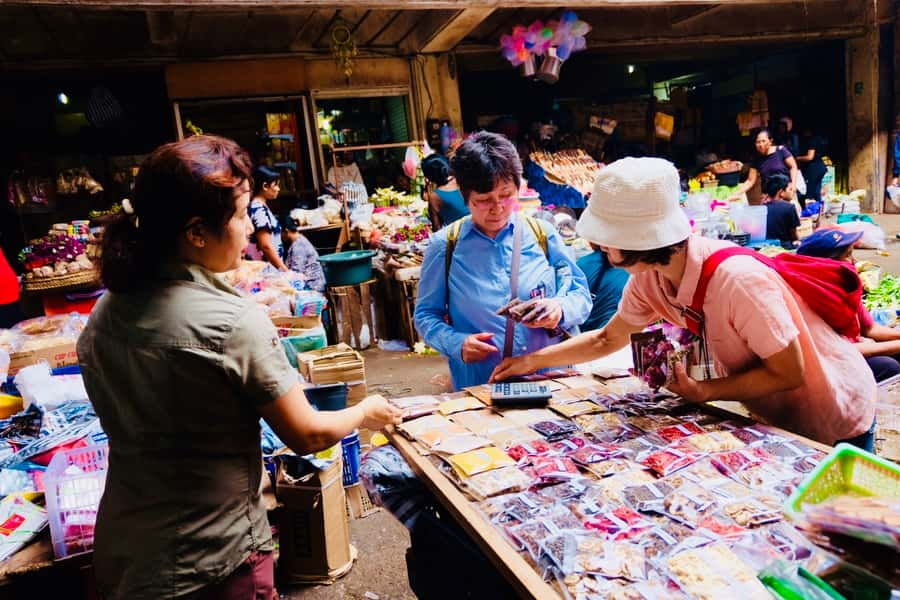
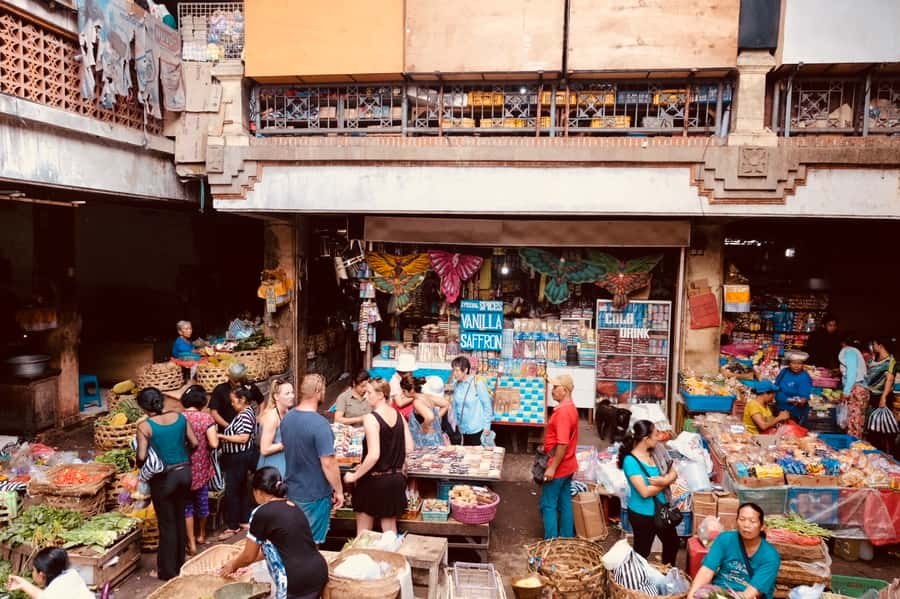
Next comes the market time, and this is where the tour becomes more than sightseeing. Kumbasari Market is Bali’s biggest traditional market, and it’s the kind of place that shows you how people actually eat and trade.
Expect color, movement, and real bargaining energy. You’ll see locals selling everything from everyday goods to ingredients that show up later in meals. If you’ve ever watched someone bargain in another country and thought it looked stressful, take it as a lesson: you’re not meant to win the lowest price, you’re meant to understand what you’re looking at.
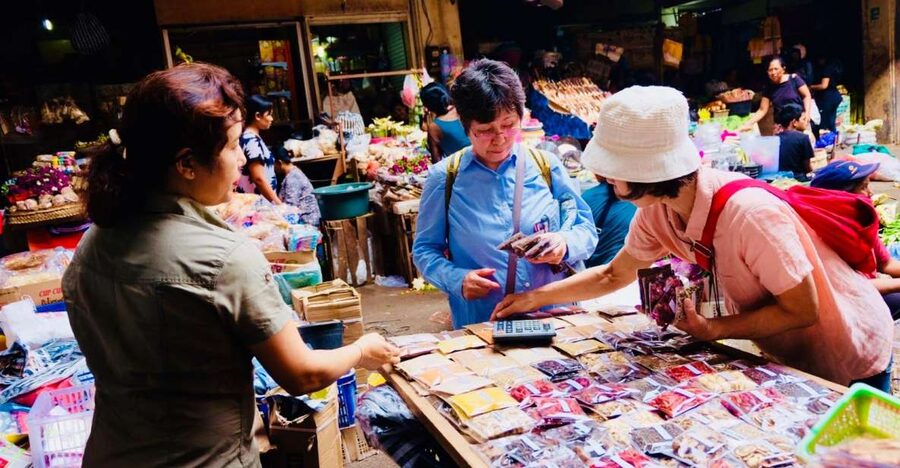
Then the itinerary points toward the food-market area, described as Pasar Badung, Bali’s largest food market. This matters because fruits and spices aren’t just side characters—they’re the backbone of what you’ll taste. In the food stalls, you may see exotic fruits you’ve never handled before, along with spices sold for cooking rather than for souvenirs.
Practical note: markets can get crowded. Keep your belongings secure, especially while you’re stopping to taste or take photos.
Guided food tasting: snacks and fruit that make sense on your own
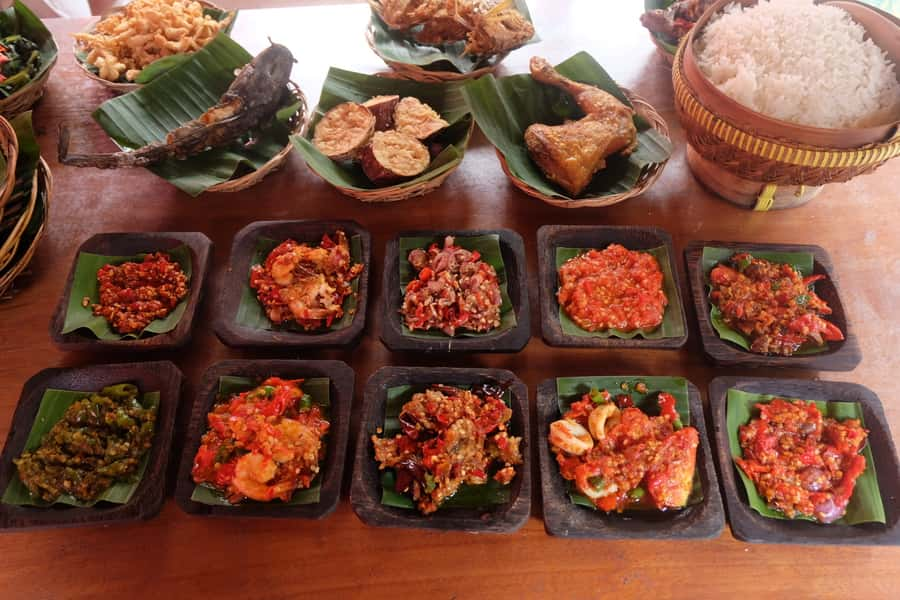
Food tasting is included, and it’s not just a single bite. You’ll sample local snacks and fruit, guided by someone who can translate what you’re eating and how it fits into Balinese daily food culture.
I like that the tasting approach helps you learn patterns. For example, you may notice how fruit shows up in menus, how snacks are built for quick eating, and how flavors balance sweet, savory, and aromatic ingredients. After a tour like this, you’ll usually recognize ingredients more easily when you order later.
The best guides also handle individual needs when they can. One review mentioned that a guide managed to find vegetarian food that was still typical for Bali. Still, be clear about dietary limits at the start. The tour notes say it is not suitable for people with food allergies, and tasting involves shared snack stops, so don’t gamble with mystery ingredients.
What to bring for this part: cash. The tour specifically recommends cash for market purchases and personal expenses, and that’s especially relevant once you discover fruits you want to take home.
Bajra Sandhi Monument: the struggle narrative in one stop
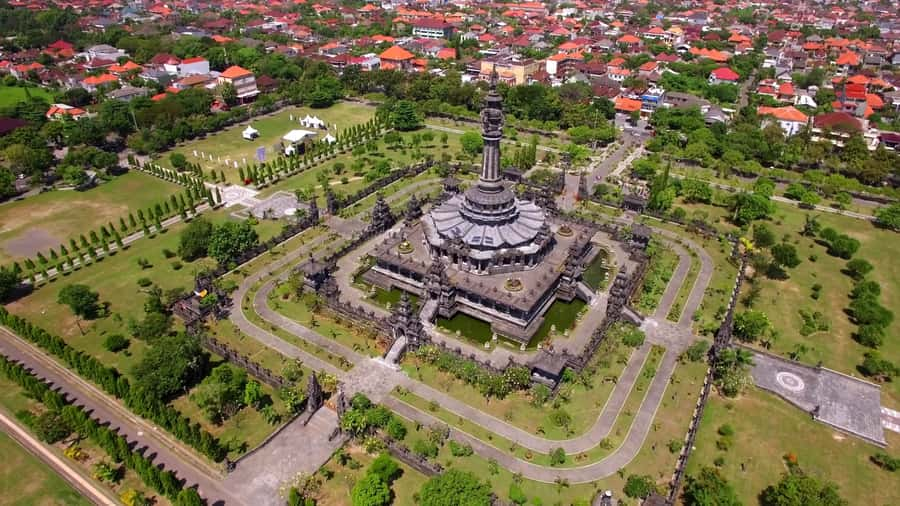
Your final cultural anchor is the Bajra Sandhi Monument. It’s a famous monument and museum located in central Denpasar, on Jalan Raya Puputan Niti Mandala, in front of the Denpasar Governor’s office.
This stop focuses on the Balinese struggle against the Dutch colonists. If museums sometimes feel like “glass case time,” this one tends to land differently because it’s built to communicate through exhibits and display design. One review highlighted the diorama inside as a nice overview of Bali history, and I agree with the logic: if you only have a short day, a guided visual summary helps you keep the bigger story straight.
It’s also a strong way to close the loop after the morning’s history briefing at Puputan Square and the museum time. By the time you stand in front of this monument, you’re not just looking—you’re connecting dots.
Private guide, hotel pickup, and why $54 can be fair value
This is a private half-day tour for $54 per person, lasting about 5 hours. What makes the price feel more reasonable is what’s included: a private guide, hotel transfer, entrance fees, mineral water, and the food tasting.
You’re not paying for a long transfer-only day or a generic “drop-and-go” route. Several reviews also praised the comfort and care of the transport. One traveler mentioned a clean car with cold air conditioning, and others noted the guide and driver teamwork, including friendly attitudes that kept the day easy.
Also, the guide language options are English and Korean, and the tour uses a live guide, not a prerecorded audio script. If you like asking follow-up questions—why something looks the way it does, what locals value, what you should notice—that live format is a real advantage.
One more value angle: guides often adjust pace and priorities. Multiple reviews praised guides like Dayu, Widi, and Sagita for being patient and tailoring explanations. That’s especially useful if you’re tired, if it’s your first day in Bali, or if you want more of the everyday scene than a strict checklist.
Optional add-ons: coffee tasting and massage time
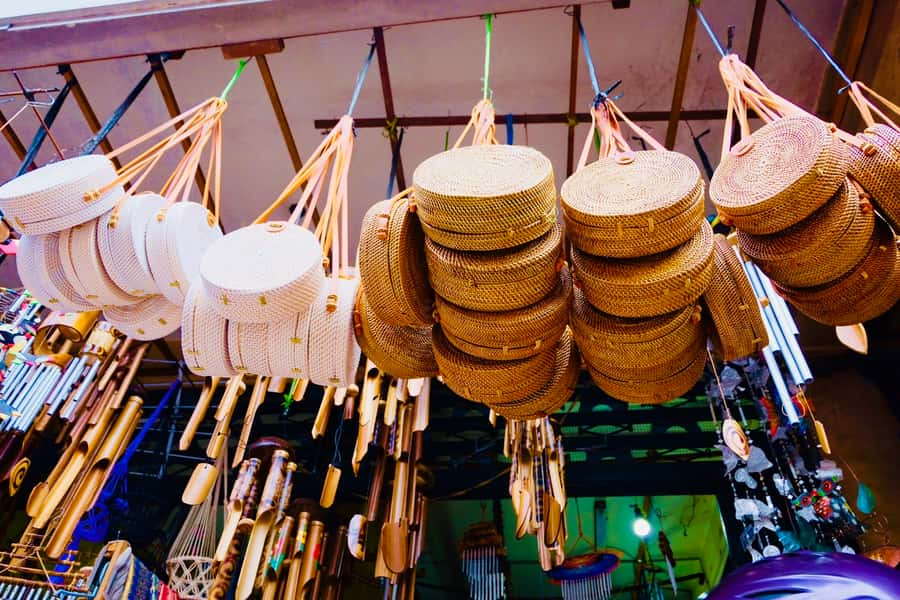
The tour also offers optional add-ons, which can help you shape the day. The listing notes include options like coffee tasting and a traditional massage, and some add-ons are only available for certain choices.
This is a good way to extend the theme of the day without needing to plan your own second appointment. If you’re curious about Balinese coffee culture, a tasting can add context beyond the market snacks. And if you want a reset after walking through heat and crowds, massage is an easy payoff.
Keep your expectations practical: the base tour already has a lot packed in. Add-ons work best if they don’t force you to rush through the main stops.
Practical notes for walking, weather, and choosing the right timing
This tour runs rain or shine, which in Bali usually means you should pack for both sun and sudden showers. Some parts of the day are outdoors, including Puputan Square and the monument area, and weather can affect those sections.
Wear comfortable clothes and shoes. You’ll be walking through museums, monuments, and markets. Bring a sun hat and sunscreen, and treat cash as a must-have for market purchases and personal expenses.
One more consideration: the tour is not suitable for people with mobility impairments or wheelchair users. Plan for uneven surfaces and steps in temple and monument areas, and for crowd movement in markets.
If you’re going specifically for the market energy, timing helps. One review suggested the afternoon start meant the market was winding down. Morning tends to be cooler and more active for market browsing, so if you have flexibility, choose an earlier time slot when possible.
Should you book this Denpasar market and museum tour?
Book it if you want a structured way to understand Denpasar fast—history at Puputan Square, culture at Jagatnatha Temple, a real market experience at Kumbasari (with the food-market focus), and a strong closing story at Bajra Sandhi. The private format and included food tasting make it feel more complete than a basic monument-only day.
I would not book it if you need wheelchair access, if your main goal is a long sit-down meal day, or if you have food allergies. Also, if you’re only interested in one museum and nothing else, this tour might feel packed—there are several meaningful stops in five hours.
FAQ
What’s the duration of this Denpasar tour?
It runs for 5 hours. The schedule can vary by available starting times, so check availability when you book.
Is this a private tour?
Yes. The tour includes a private guide, and pickup is included from your hotel main lobby.
What’s included in the price?
The tour includes a private guide, hotel transfer, entrance fees, food tasting, and mineral water.
Do I get to try local food, or is it just sightseeing?
You get a food tasting with local snacks and fruits. You should inform your guide of any allergies, and note that the tour is not suitable for people with food allergies.
What languages are the guides?
The live tour guide is available in English and Korean.
What should I bring?
Bring comfortable shoes, comfortable clothes, a sun hat, sunscreen, and cash. Cash is recommended for market purchases and personal expenses.
Does the tour operate in bad weather?
Yes, it runs rain or shine. Some outdoor areas may be affected by weather, so plan for that.
Can I cancel and still get a refund?
Free cancellation is available up to 24 hours in advance for a full refund. There’s also a reserve now & pay later option.