REVIEW · DELPHI
Delphi Site & Museum with Multilingual 3D Audiovisual Tour
Book on GetYourGuide →Operated by Key Tours · Bookable on GetYourGuide
Delphi can feel like an ancient myth with a GPS. This one-day visit uses a multilingual 3D audiovisual self-guided tour so you can bring the ruins to life at your own pace, and the on-site museum helps you connect what you saw outside to real artifacts. My favorite part was the way the audio pairs with interactive mapping, including the big myths around Pythia and the site’s key sacred spots. The main drawback is that the app depends on working internet and a fully charged phone, and it may be annoying if your connection or app performance isn’t great on a bright day.
I like this format because it cuts the pressure of a group schedule while still giving you real context. At $42, the value is best if you’ll actually use the audio (and not just wander). If you’re the type who hates phone-based guides or can’t rely on data, you might want to think twice.
In This Review
- Key things I’d plan around
- Why Delphi’s ruins work so well with a self-guided 3D audio tour
- Price and value: what $42 includes (and what it doesn’t)
- Entering Delphi with your phone ticket, time slot, and ID rules
- Getting the 3D app working: download, internet, and phone power
- Ruins route: from the theater area to the Apollo temple
- The navel of the earth and the Pythia myth section
- Inside the Delphi Archaeological Museum: connecting artifacts to the walk
- Audio guide quality and language choice in real-world use
- What to bring (and what to skip) for an easy one-day Delphi visit
- How long it takes to do Delphi well with this style of guide
- Should you book this Delphi 3D audio tour?
- FAQ
- What is included with the Delphi Site & Museum ticket?
- Do I need to bring earphones?
- Which languages are available for the audiovisual guide?
- Does the audiovisual guide app need internet?
- Are there any rules about times or changes to entry?
- What discounts apply for younger visitors?
Key things I’d plan around
- 3D audiovisual guide in many languages so you can match your pace and comprehension
- Ruins highlight path including the theater and the Apollo temple
- Pythia-focused storytelling using maps, audio, and a mysterious-site vibe
- Museum artifacts support what you just walked through
- Phone-first logistics: download the app, use mobile data or Wi‑Fi, and bring power and water
Why Delphi’s ruins work so well with a self-guided 3D audio tour
Delphi is one of those places where the setting does half the job. You’re not just looking at stones. You’re moving through a sacred, story-filled landscape where myths are tied to specific architecture and locations. This experience is built for that kind of visit: you explore on your own, then the audio and visuals help you connect the dots.
What I like most is the balance between freedom and structure. You don’t get herded. You also don’t have to guess what you’re standing in front of. The route naturally supports the big moments: the ruins of the theater, the Apollo temple area, and the legendary sacred spot described as the navel of the earth. When the audio is working, it turns your walk into a guided narrative without the rigid timing.
There’s also a practical reason this format shines in Delphi. Many visitors hit the site with only broad background knowledge. With an audiovisual guide that includes interactive maps and 3D models, you can get the key “what is this and why does it matter” info without needing a human guide to translate the ruins into meaning on the fly.
You can also read our reviews of more museum experiences in Delphi



Price and value: what $42 includes (and what it doesn’t)

This is a $42 per person one-day ticket. It includes entrance to the Delphi Archaeological Site & Museum, plus an audiovisual guide if you selected that option. The tour is self-guided, so there’s no included transport or pickup.
To me, the value question comes down to two things: will you use the audio guide, and will it save you time. The pre-bought ticket delivered by email helps with entry efficiency because you can show it on your phone. You also avoid the frustration of arriving hungry and tired, then trying to figure things out at the ticket counter.
What’s not included matters too. Earphones aren’t provided, and you’ll want comfortable walking gear and water. If you show up expecting a guided group lecture, you’ll be disappointed because this is phone-led. If you can handle that style, $42 can be a fair deal for a full day that covers both outdoor ruins and the museum.
Entering Delphi with your phone ticket, time slot, and ID rules

You’ll receive your ticket by email, and the idea is simple: keep it on your phone, show it at entry, and get into the site without delay. This is helpful in a high-traffic destination where small moments of waiting can eat your energy.
One important detail: the travel date and/or entry time slot can’t be amended. So once you pick a slot, treat it as fixed. Also, the offer includes the regular adult-price ticket. The data says this ticket is for travelers over 25 years, and reduced-price tickets aren’t available online through this offer. That said, EU citizens under 25 and non-EU citizens under 18 may receive free admission by providing their ID at the ticket booth.
If you’re traveling with mixed ages, double-check how that policy applies to your group before you go. Bring IDs, not just hopes.
Getting the 3D app working: download, internet, and phone power

This experience really lives or dies by your phone setup. The provider recommends that you download the audiovisual guide app before your visit. Download instructions are sent with your voucher, so don’t ignore that email.
The app requires internet access. That means you should plan on mobile data or Wi‑Fi while you’re at Delphi. It also means you should bring the basics that keep your phone alive: a charged device, plus a bit of patience if service is spotty in parts of the site.
Also, the included languages are wide: English, Spanish, Chinese, Dutch, Greek, Italian, German, and French. You’ll be able to choose the audio language that matches you, which is a big deal if you’re traveling with friends who want different languages.
What to watch out for: some visitors report the app can hang or function poorly in strong sun. My practical advice is boring on purpose. Keep your screen brightness reasonable, use a solid charging strategy, and consider pausing audio during the hottest stretches if you need the phone to stabilize.
Ruins route: from the theater area to the Apollo temple
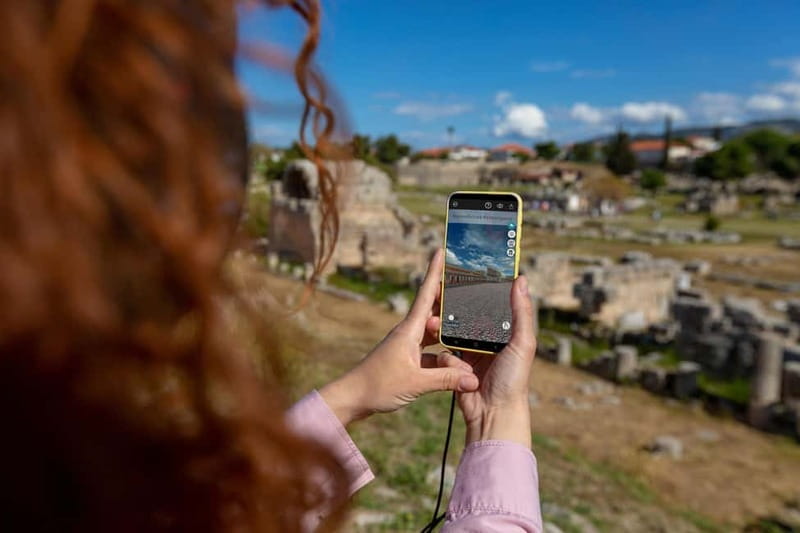
Your outdoor time is built around walking between major Delphi landmarks, with the audio guiding you from one to the next. The big draws you’ll want to catch are the ruins of the theater and the Apollo temple.
Here’s how I’d think about the theater ruins if you’re using the audiovisual guide. Even if you don’t know ancient Greek architecture in detail, audio narration and 3D visuals help you understand the structure as something designed for public viewing and storytelling. It’s one of those “wait, now I see it” moments. When the models and mapping are working, your eyes start reading the space differently.
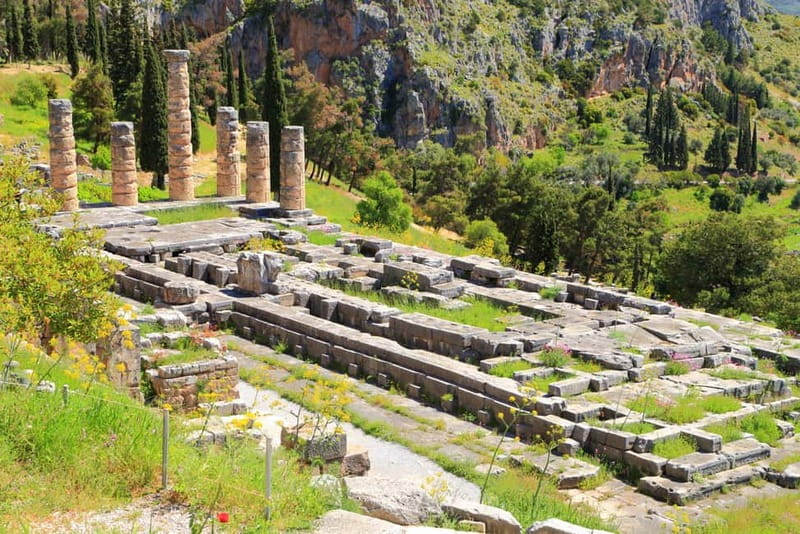
Then you move toward the Apollo temple area. The experience leans into the sacred atmosphere, and the audio supports that with story-driven context. You’re not just looking at columns or foundations; you’re hearing myths connected to the place. The Apollo temple is also a good spot to slow down and stand still for a minute. Let the audio settle, orient yourself, then look again. Ruins reward patience.
If you hate the idea of hunting for the exact spots referenced by audio, don’t worry, but do plan for a little searching. The site is spread out, and a self-guided format means you’ll be doing some orientation yourself. The interactive maps are meant to help with that.
The navel of the earth and the Pythia myth section
Delphi’s most mysterious moments are the ones tied to belief and myth. This tour specifically focuses on local stories about Pythia, using audio narration and interactive visuals to bring the setting into a more “lived-in” mental space.
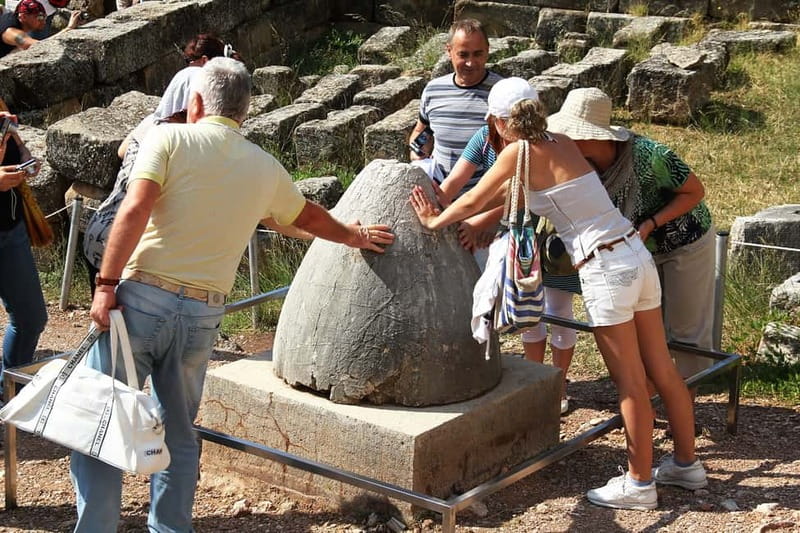
The tour also calls out the navel of the earth. This is the kind of sacred reference that can sound abstract until you’re standing where people say the story mattered. The 3D models and maps help you understand why that point is treated as central, not just another ruin stop.
How to make this section work for you: don’t treat it like a checklist. Instead, pick a calm rhythm. Start the narration, then stop walking for 30–60 seconds as you look around. Delphi’s atmosphere can feel especially “myth-ready” when you’re not rushing. If the audio is cutting in and out because of signal, you can still use the visuals and the site orientation to keep the mental picture going.
Inside the Delphi Archaeological Museum: connecting artifacts to the walk

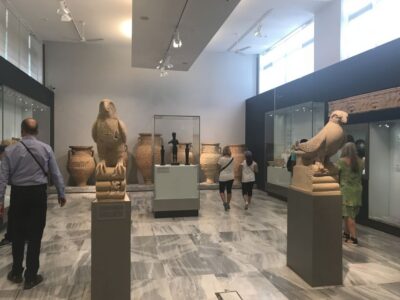
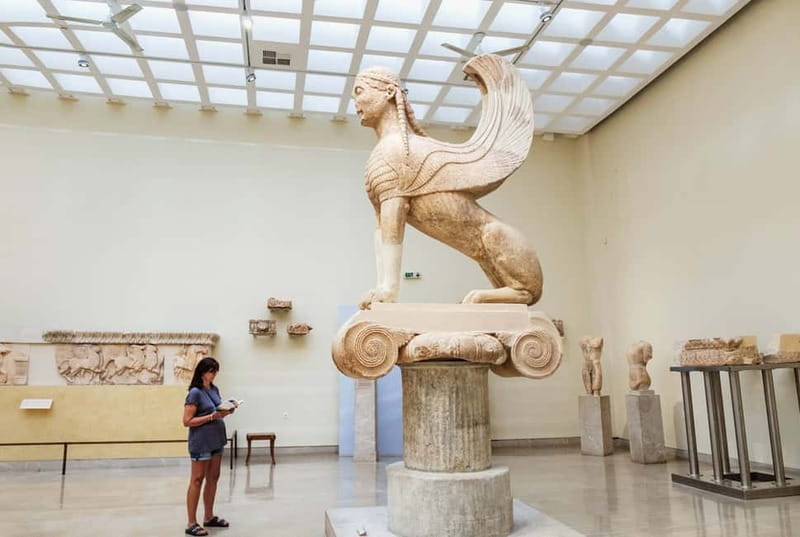
The museum is part of the same day and adds real value to the whole experience. Outside, you see structures and spaces. Inside, you get artifacts and “treasures and Greek artifacts” that help explain what you were looking at.
One practical advantage: the museum lets you absorb at your own pace when the light changes or when your feet demand a pause. A self-guided audio approach often works well here because you can switch between reading and listening, and stop when something catches your eye.
Some visitors have noted that the museum may show films that reflect the 3D ideas from the audio experience. If that’s your kind of support, you’ll likely enjoy the way the indoor viewing reinforces the outdoor narrative. If you’re not into films, you can still focus on artifacts and use the audio portions that reference specific pieces.
Either way, I’d treat the museum as a “meaning step.” Outdoor ruins can be impressive but confusing. The museum is where the confusion becomes learning you can actually remember.
Audio guide quality and language choice in real-world use

The audiovisual guide is offered in English, Spanish, Chinese, Dutch, Greek, Italian, German, and French, which gives you flexibility. That matters because Delphi is detailed. If you’re listening in a language you’re comfortable with, the narration helps you keep track of why each location matters.
The experience includes 3D models and audio narration. That’s the core promise. One potential downside shows up in the real world: some people found the app performance inconsistent, including hang-ups on sunny days. If that happens to you, you’ll want a Plan B.
My Plan B is simple:
- Use your phone mainly for the sections where the audio is most helpful.
- Save reading time in the museum for when the app is slow.
- If the audio keeps failing, switch to a slower pace and rely more on the signage and your own observation.
Also, earphones aren’t included, so bring your own. You don’t want to be guessing at volume in a museum and ruining your own concentration.
What to bring (and what to skip) for an easy one-day Delphi visit
Delphi is outdoors for a good chunk of the day, so you’ll want comfort. The suggested items are solid:
- sunglasses
- sun hat
- comfortable clothes
- a charged smartphone
- water
- passport or ID card
- comfortable shoes
The “charged smartphone” part isn’t optional here. Because the app needs internet and you’re using it for the self-guided narration, your phone is basically your tour ticket plus your tour brain.
Some things are not allowed: baby strollers, luggage or large bags, and pets. If you’re traveling light, great. If not, plan your packing around restrictions so you don’t run into delays at the entrance.
One more note: this experience is not suitable for wheelchair users. So if mobility access is a priority for you, you’ll need a different plan.
How long it takes to do Delphi well with this style of guide

The tour is listed as 1 day, self-guided with a start time tied to availability. Since there’s no fixed group schedule, your pace sets the total time you’ll spend outdoors versus indoors.
Here’s the realistic way to plan your day:
- Give enough time for the theater and Apollo temple areas, since you’ll want to pause for audio.
- Save a calmer block for the Pythia and navel of the earth section where you’ll stand still and let the story land.
- Plan time in the museum so artifacts have space in your head.
If you try to sprint through Delphi with a phone app, you’ll miss the point of the 3D visuals and narration. This experience is best when you treat it like a walk with interruptions, not a race.
Should you book this Delphi 3D audio tour?
Book it if you want a structured self-guided way to see the Delphi Archaeological Site and Museum without paying for a human guide. It’s a strong fit if you like audio narration, want multiple language options, and enjoy learning while walking. The pre-bought phone ticket is also a practical win for saving time.
I would not book it if you rely on zero phone usage, hate apps, or can’t handle the internet requirement. Delphi is a place where network can vary, and the experience depends on the audiovisual guide app working.
A good middle ground is this: if you’ve got a charged phone, you can use mobile data or Wi‑Fi, and you’re happy to bring your own earphones, this is a sensible way to spend a day at Delphi for $42. If any of those are shaky, you might still visit Delphi—but you’ll want a backup plan for how you’ll interpret the ruins.
FAQ
What is included with the Delphi Site & Museum ticket?
The ticket includes entrance to the Delphi Archaeological Site & Museum, plus an audiovisual guide if you select the option.
Do I need to bring earphones?
Yes. Earphones are not included, so you should bring your own.
Which languages are available for the audiovisual guide?
The audio guide is available in English, Spanish, Chinese, Dutch, Greek, Italian, German, and French.
Does the audiovisual guide app need internet?
Yes. The app requires internet access, so you’ll want mobile data or Wi‑Fi.
Are there any rules about times or changes to entry?
Your travel date and/or entry time slot cannot be amended, and the ticket is valid for 1 day.
What discounts apply for younger visitors?
EU citizens under 25 and non-EU citizens under 18 may get free admission by showing their ID at the ticket booth. Reduced-price tickets are not available online through this offer.