REVIEW · CUSCO
Cusco Cooking Class by ChocoMuseo in Cusco
Book on Viator →Operated by ChocoMuseo SAC · Bookable on Viator
Pisco sour you made yourself. This Cusco cooking class feels like a food day out, starting at the San Pedro Market for real ingredient shopping and finishing with a sit-down meal you cooked. Along the way, you’ll learn what makes Peruvian flavors tick, with a bilingual chef guiding you step by step through the process and the tasting.
I love the market-to-pan format. You see what locals buy and then you cook with the same fruits, vegetables, meats, cheeses, and breads, including items you don’t see everywhere else. I also love the hands-on pace, especially when ceviche is on the menu and you’re making your own Pisco Sour to toast the experience.
One thing to consider is price: $54.06 for about 4 hours can feel like a lot if you’re mainly looking for a quick meal. If you’re on a tight budget, you might want to compare against a simpler food tour or a good set-menu restaurant first.
In This Review
- Key highlights before you go
- San Pedro Market stop: where your dinner starts
- Bilingual chef instruction: cooking skill you can use at home
- What you’ll cook: ceviche and multiple Peruvian dishes
- DIY Pisco Sour moment: your toast after the work
- Dinner you actually made: eating with the context intact
- Price and value check: is $54.06 a smart buy?
- How to get the most from 4 hours in Cusco
- Who should book this class in Cusco?
- Should you book the Cusco Cooking Class by ChocoMuseo?
- FAQ
- How long is the Cusco Cooking Class?
- Where does the class meet, and where does it end?
- What’s included in the price?
- Is wine or local craft beer included?
- What dishes will I learn to cook?
- What’s the group size limit?
- Can I get a refund if I cancel?
Key highlights before you go
- San Pedro Market first: build your dinner from ingredients you actually see and learn about
- Bilingual chef guidance: clear cooking instruction and cultural context as you work
- Hands-on Peruvian classics: expect multiple dishes, including ceviche
- DIY Pisco Sour toast: the highlight moment that’s part drink, part celebration
- Dinner + printed recipes: eat what you make, then take the directions home
San Pedro Market stop: where your dinner starts
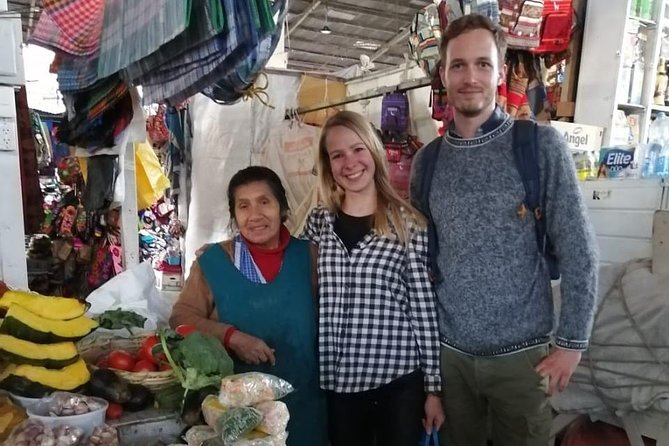
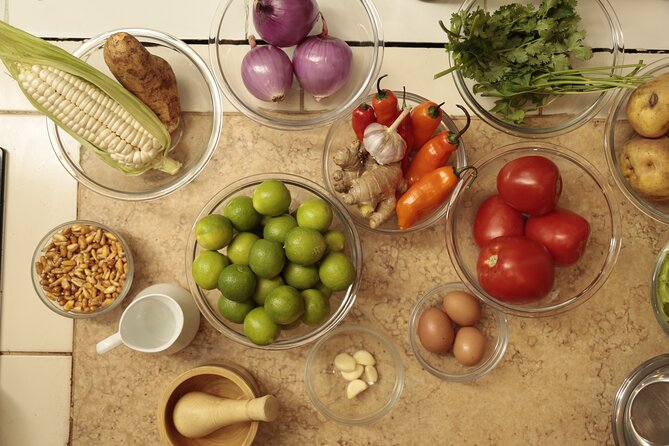
This class starts with a shopping walk through the Mercado Central de San Pedro area, and that matters more than it sounds. Markets aren’t just for sightseeing. They’re where you learn what Peruans treat as normal everyday ingredients—things like produce, proteins, cheeses, and breads—plus a few items that can surprise you in a good way.
You’ll get time to look, taste along the way when it fits the flow, and ask questions while the chef explains what you’re seeing. The practical payoff is big: when you later chop, mix, and cook, the ingredients don’t feel random. They feel chosen, understood, and less intimidating.
If you tend to rush through markets on other trips, this is a nice change of pace. You’re not just browsing; you’re collecting the building blocks of your meal, with a clear reason to pay attention.
Bilingual chef instruction: cooking skill you can use at home
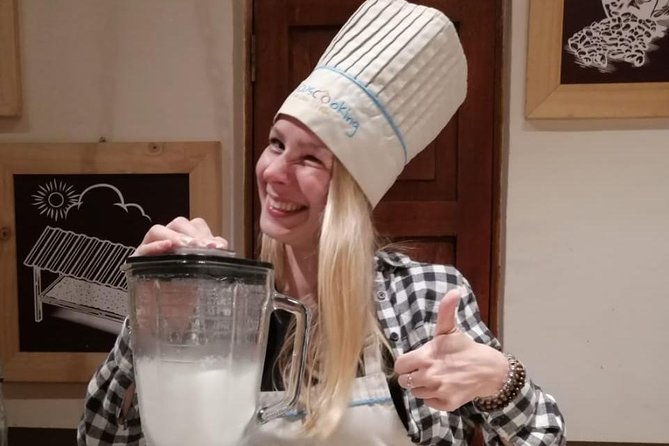
Back at the cooking space, the class stays hands-on, not lecture-heavy. You cook under the guidance of a bilingual chef, which is ideal if you’re worried about language getting in the way of learning. The rhythm is built around doing the work yourself—mixing, prepping, assembling—so you actually remember how dishes come together.
From the cooking style described by recent participants, the vibe tends to be friendly and practical, like you’re being taught by someone who wants you to succeed. In some sessions, instructors such as Yil and Jil have led classes, and their English has been noted as strong by people who attended. That kind of clarity helps a lot when you’re trying to follow steps you’ve never seen before.
Also, this is the rare activity where asking about your comfort with ingredients feels normal. If you have dietary needs or restrictions, you should still flag them in advance. One person reported that their chef was able to adjust ingredients based on unique concerns, which suggests they take requests seriously when possible—just don’t assume every option will be available on every day.
What you’ll cook: ceviche and multiple Peruvian dishes
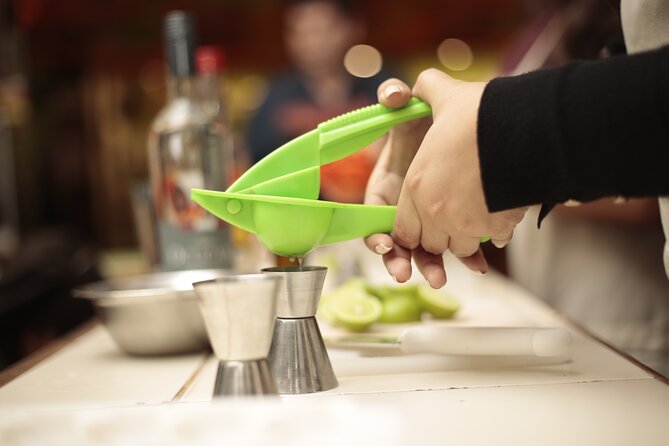
The cooking portion is designed to give you a real intro to Peru’s cuisine, not just one “signature” dish. You’ll prepare several popular, authentic dishes, and ceviche is specifically called out as a highlight.
That’s important because ceviche is both simple and tricky. It’s fast when done right, but the details matter—timing, seasoning balance, and how you treat the ingredients. Learning it in class gives you a concrete reference point you can recreate later, instead of relying on a recipe that never explains the why.
Beyond ceviche, the class promises more Peruvian favorites, and the goal is that you leave knowing how the dishes connect. Peru’s flavors often show up in repeated patterns: citrus brightness, savory depth, and a good balance of textures. Even if you don’t name every ingredient you used, you’ll start to recognize those patterns after working in the kitchen.
You’re not just watching. You’re actively cooking, and that makes a big difference in whether the experience feels fun or forgettable.
DIY Pisco Sour moment: your toast after the work
One of the most memorable parts of the class is the homemade Pisco Sour. It’s not just a drink on the side. You raise a glass you made yourself, as part of the celebration that closes out the cook-and-eat cycle.
The reason this works so well is that it turns learning into something you can feel immediately. You can taste what you built, then match that flavor to what you did in the bowl. That kind of feedback loop sticks in your brain.
You’ll also have alcoholic beverages included—pisco plus soft drinks. Wine and/or local craft beer are not included, but they can be added if you want to make the night more festive. If you’re the type who likes to pair dinner with drinks, plan for that extra cost instead of expecting it to be part of the base price.
Dinner you actually made: eating with the context intact
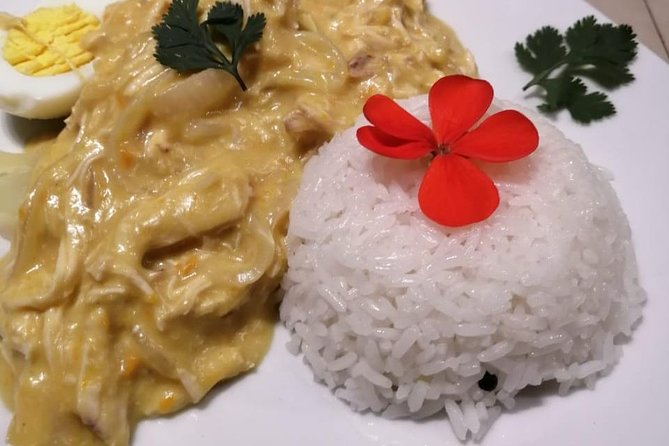
After cooking, you eat a meal of traditional Peruvian dishes. That’s where the experience “clicks” for a lot of people, because your dinner isn’t generic. It has a backstory now—what you chose at the market, what you learned while prepping, and why certain steps mattered.
This is also why the timing works. The class is about 4 hours long, which is long enough to slow down, shop, cook, and eat without feeling like you’ve spent half your day in a kitchen. It ends back at the meeting point too, which keeps your evening simple.
The included dinner is a key value piece. You’re paying not only for instruction, but also for the meal itself, plus included beverages. If you’ve ever done cooking classes where you leave still hungry, this format is the opposite: you finish the experience fed and satisfied.
Price and value check: is $54.06 a smart buy?
At $54.06 per person, you’re paying for several things at once: the San Pedro Market ingredient hunt, hands-on cooking instruction from a bilingual chef, a final meal of traditional dishes, and printed recipes you can take home. You’re also getting pisco and soft drinks included.
That total package is what makes the math work. If you had to buy ingredients and still pay for a chef or guided lesson, the cost would rise fast. Even if you don’t cook at home often, the class can still be worth it because the recipes and technique you learn give you options for future meals in Peru or once you’re back home.
The main cost consideration is personal. If you’re a “just feed me” traveler, you may find a restaurant meal cheaper and easier. But if you want a guided food experience where you learn something real—like ceviche technique and how to balance flavors—you’re getting your money’s worth in skills, not just calories.
One small planning note: the class is booked on average about 29 days in advance, so if you’re traveling during a busy period, don’t wait until the last minute.
How to get the most from 4 hours in Cusco
A good cooking class depends on your energy level. Cusco is high altitude, so if you start the day with big hikes or late nights, you’ll feel it. This type of activity often works best when you want a calmer, structured plan that keeps moving but doesn’t require intense physical effort.
Wear comfortable shoes. Markets can be uneven, and you’ll likely spend time walking and standing. Bring a light layer too, since you can move between market air and an indoor cooking space.
When you’re cooking, stay attentive during the “why” parts. The market-shopping context makes the steps easier to understand. If the chef says something like this ingredient matters because of how it tastes or behaves, treat it as a clue, not trivia.
If you’re traveling with family, this kind of format can be a win because it’s active and visual. One report specifically mentioned a strong fit for kids around ages 10 to 14, which makes sense: they can see results quickly because you’re cooking and eating together.
Who should book this class in Cusco?
This is a great pick if you want more than a meal. You’ll enjoy it most if you like learning through doing—seeing ingredients at San Pedro, then turning them into dishes with step-by-step help.
It’s also a strong match for solo travelers. One attendee reported feeling comfortable cooking at their own pace, and they were able to share needs and get guidance. That’s the kind of environment where you’re not stuck with awkwardness—you’re focused on the food and the process.
If you’re a group and everyone has different tastes, the class format still helps because you’re likely cooking multiple dishes, not just one. And since the class has a maximum group size of 25 travelers, you should generally expect a more personal atmosphere than you’d get with huge tour groups.
On the other hand, if you don’t want alcohol, note that pisco and soft drinks are included. You don’t have to drink every sip, but the class is built around that Pisco Sour moment.
Should you book the Cusco Cooking Class by ChocoMuseo?
I’d book this if you want an authentic-feeling food experience with a clear structure: market shopping, hands-on cooking, then dinner you can explain. The value is strongest when you care about technique and want the recipes to keep cooking after your trip.
I’d skip it if your priority is only the cheapest dinner, or if you’d rather spend your time exploring Cusco on foot than in a kitchen. For that, you can absolutely find great meals—this class is for people who want the cooking lesson attached.
If you fit the “I want to learn and eat well” category, this is one of the more satisfying ways to spend an afternoon in Cusco, because the meal lands at the end of the learning, not at the beginning.
FAQ
How long is the Cusco Cooking Class?
The class runs for about 4 hours.
Where does the class meet, and where does it end?
It starts at ChocoMuseoPlaza Regocijo, Cusco 08000, Peru, and it ends back at the same meeting point.
What’s included in the price?
Dinner is included, along with alcoholic beverages (pisco) and soft drinks. You also get printed recipes to take home.
Is wine or local craft beer included?
No. Wine and/or local craft beer can be added to the experience.
What dishes will I learn to cook?
You’ll prepare several popular Peruvian dishes, including ceviche.
What’s the group size limit?
The experience has a maximum of 25 travelers.
Can I get a refund if I cancel?
Yes. You can cancel for a full refund up to 24 hours in advance. Cancellation within 24 hours of the start time is not refundable.