REVIEW · ROCHESTER
Corning Museum of Glass Admission Tickets
Book on Viator →Operated by Corning Museum of Glass · Bookable on Viator
Glass comes alive in Corning. The Corning Museum of Glass is one of the few places where you can see glass art from ancient times right next to modern design, and your admission ticket is valid for two consecutive days. Two things I love right away: the Hot Glass Demo, where you can watch a master glassmaker shape molten glass in real time, and the Contemporary Art + Design wing, which feels bright, modern, and easy to navigate even when the museum is busy. One drawback to plan for: expect a fair amount of walking. Even so, the museum gives small stools and plenty of chances to pause.
If you like hands-on learning, you’ll also enjoy the Glass Innovation Center, where the focus shifts from looking to understanding. You can explore themes like Optics, Vessels, and Windows at your own pace, then decide how much time you want to add for optional make-your-own workshops.
In This Review
- Key things to know before you go
- Your Two-Day Ticket: Seeing 50,000 Glass Pieces at Your Pace
- Entering the Museum: Layout, Demo Schedules, and Where to Start
- Hot Glass Demo in the 500-Seat Amphitheater Hot Shop
- Contemporary Art + Design Wing: Daylight, Modern Glass, and Design Thinking
- Glass Innovation Center: Optics, Vessels, and Windows You Can Actually Learn From
- Glassmaking Through Time: Ancient Rome to Venetian Renaissance
- Make Your Own Glass: When the Workshop Fees Make Sense
- Food, Breaks, and the Gift Shop That’s Worth a Slow Browse
- Is It Worth Two Days? Timing Tips for 3-4 Hours Plus a Second Pass
- Who This Museum Fits Best (and Who Should Skip the Workshop)
- Bottom Line: Should You Book the Corning Museum of Glass Ticket?
- FAQ
- How long should I plan to spend at the Corning Museum of Glass?
- Is the admission ticket valid for two days?
- Are the Hot Glass Demos included with admission?
- What is the Glass Innovation Center?
- Do I have to pay extra for Make Your Own Glass workshops?
- What kinds of projects are available in the workshops?
- Are kids able to visit for free?
- What are the museum opening hours?
- Can I eat at the museum?
- Is there free cancellation?
- Is the museum friendly for visitors with service animals?
Key things to know before you go
- Two consecutive days of entry: spread your visit across day one and day two without rushing.
- Hot Glass Demo timing matters: check the schedule on arrival so you catch the performance you want.
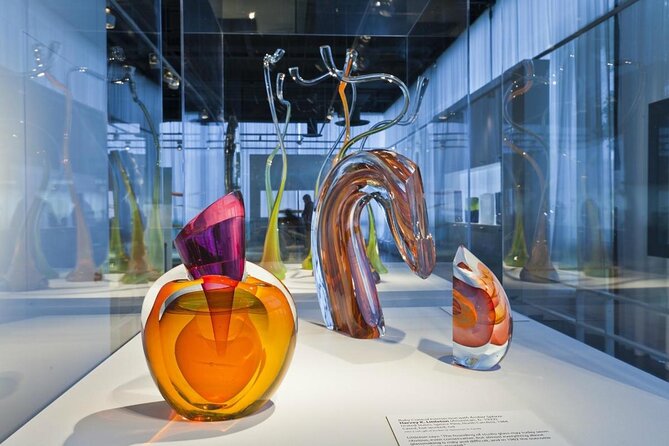
- Contemporary Art + Design is day-lit: modern glass, newer design thinking, and a setting that keeps you moving.
- Hands-on learning in the Glass Innovation Center: optics and glass function, not just pretty objects.
- Workshops cost extra, but the projects are specific: think sandblasting, beads, glass flowers, blown ornaments, and more.
Your Two-Day Ticket: Seeing 50,000 Glass Pieces at Your Pace
This ticket is built for people who don’t want to sprint. With two consecutive days, you can do one solid pass in about 3 to 4 hours, then come back the next day for the galleries or demos you missed. That flexibility matters because the museum’s collection is huge—close to 50,000 pieces spread across roughly a dozen galleries.
On the first visit, I’d focus on the big “flow” areas: the Contemporary Art + Design wing, the live demonstration space, and at least a sample of the historical galleries. On day two, you can slow down and zoom into what grabbed you most, like Venetian-style glass from the Renaissance or Roman-era glassmaking.
A key value here is that this isn’t just a museum of finished objects. The museum shows techniques and purpose. You’ll see practical and decorative glass, small artifacts alongside showstopper pieces, and enough variety to keep you from feeling like you’re repeating the same thing over and over.
A few more Rochester tours and experiences worth a look

Entering the Museum: Layout, Demo Schedules, and Where to Start
When you arrive, take a minute to get your bearings. The museum is organized over multiple floors, and the live programming is spread through the building. A practical move: grab the pamphlets that list demo times and help with the layout of what to see on each floor. Then, build your day around one main demo you don’t want to miss.
This is also where I like to set a simple goal. Instead of trying to catch everything, pick:
- One live demo moment
- One hands-on learning area
- Two or three galleries that match your interests (history, contemporary design, or themed exhibits)
If you’re visiting with kids or teens, this plan still works. The museum has family-friendly activities and scavenger-hunt style challenges that can make the walking feel less like a chore. One review mentions a teen scavenger hunt and even a themed luchador mask quest—those kinds of things are exactly why it helps to arrive ready with the schedule.
Hot Glass Demo in the 500-Seat Amphitheater Hot Shop
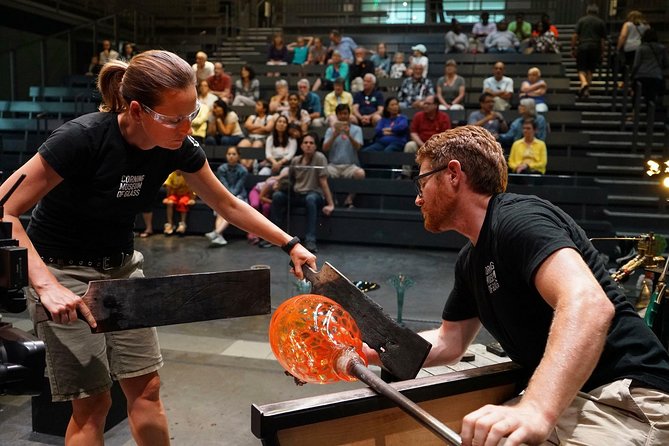
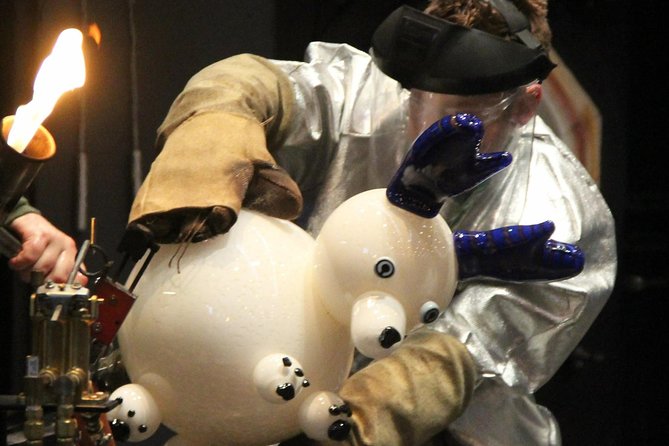
The Hot Glass Demo is the headliner, and the museum gives it real stage presence. There’s a large 500-seat Amphitheater Hot Shop designed specifically for live glassblowing. You’ll see a master glassmaker start with a glowing gob of molten glass and turn it into a finished piece, with narration along the way.
Why this demo is more than a show: you get to watch technique happen in real time. Glass looks magical, but the process depends on temperature, timing, and skill. Seeing it live helps you understand why certain shapes and effects are possible—and why certain styles look the way they do.
Two practical tips:
- Check the demo times when you arrive. The museum runs demos throughout the day, and picking one you like beats waiting by guesswork.
- Give yourself a buffer. Even with good signage, you’ll want a few minutes to move through galleries and still get a comfortable seat.
If you’ve been to other glass demos, you’ll probably notice that not all viewing areas feel equally comfortable. One visitor wished for a better dedicated viewing zone for watching the blowers closely. So if you’re picky about sightlines, try to arrive early for your chosen show.
Contemporary Art + Design Wing: Daylight, Modern Glass, and Design Thinking
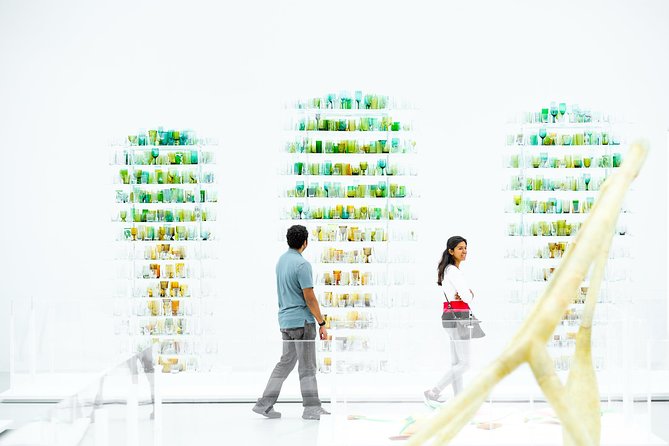
The Contemporary Art + Design Wing is where the museum feels most current. It’s set up with daylight and focused design spaces, and it highlights glass from about the last 25 years. Even if you’re mostly there for history, this wing helps you connect the dots between old techniques and modern creative direction.
Here’s what I think makes it such a strong use of time: it doesn’t just show modern glass as decorative objects. It shows design as a process—how materials, forms, and ideas connect. You’ll also see how contemporary artists and designers push glass beyond the obvious uses, which makes the later history sections land better.
The wing works well if you like:
- Clean, modern presentation
- A mix of practical and artistic pieces
- Exhibits that feel easier to follow than a purely historical timeline
If you want to go even deeper on the contemporary side, the museum has GlassApp resources focused on Contemporary Art + Design. That’s useful if you prefer to keep a lightweight trail of context while you wander.
Glass Innovation Center: Optics, Vessels, and Windows You Can Actually Learn From
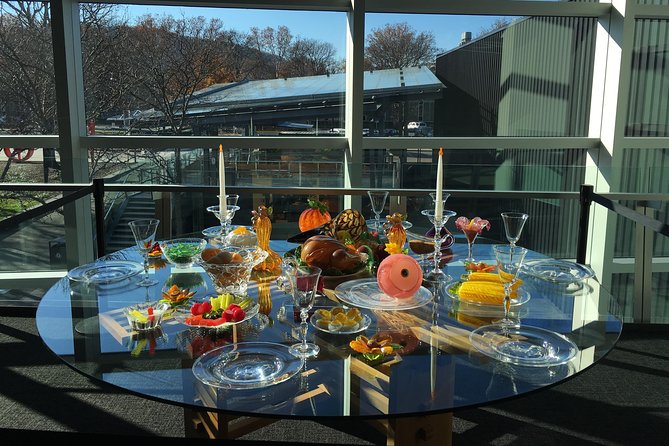
After the “wow” of watching hot glass, I love going to the Glass Innovation Center because it shifts from spectacle to function. The museum frames learning around how glass behaves and how it’s used: Optics, Vessels, and Windows.
This is the section that helps you connect glass art to real-world reasons. For example, optics isn’t just a science word—it’s how lenses and viewing systems work. Vessels tie to practical design: how shape affects pouring, holding, and daily use. Windows connect to strength, clarity, and how glass functions in the built world.
It’s also a nice breather if you’re traveling with mixed ages. One family noted there were lots of places to sit, and that the museum’s structure makes it doable even with seniors and little legs. You don’t have to sprint through every gallery; you can swap “look” time with “learn and test your curiosity” time.
Glassmaking Through Time: Ancient Rome to Venetian Renaissance
The museum’s strength is that it treats glass like a real craft history, not a single era. In gallery after gallery, you’ll see work spanning centuries—Ancient Rome up through styles tied to Colonial America and the Venetian Renaissance tradition.
If you’re wondering what you’ll actually see, don’t expect it to be only vases and decorative cups. The museum includes everything from small artifacts to showpiece objects, including things you might recognize from museum-quality displays elsewhere: elegant paperweights, practical pieces, and dramatic large-scale works.
One of the best parts of doing this museum in two days is that history can start to blur if you rush. With a second day, you can return to whatever era makes sense to you. Maybe you fall hard for Renaissance Venetian techniques. Or maybe ancient glass artifacts pull you in. Either way, you’ll have time to compare objects without feeling behind.
Make Your Own Glass: When the Workshop Fees Make Sense
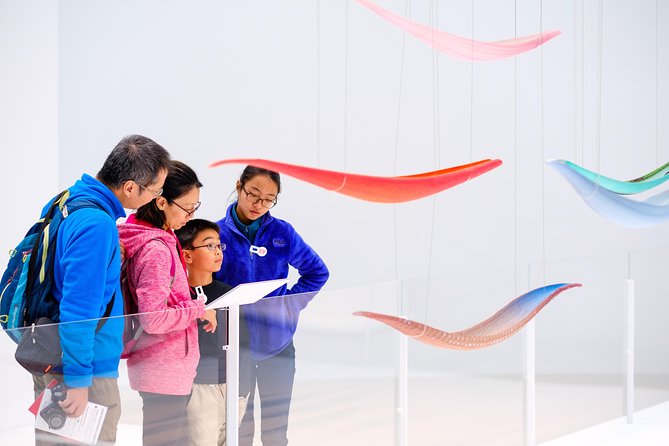
The admission ticket covers the galleries and the live demos. Optional hands-on workshops cost extra, and the price range is wide—about $14 to $150, depending on what you choose. The projects can be very specific and hands-on, including fused picture frames and suncatchers, sandblasted drinking glasses, flameworked beads, pulled-glass flowers, delicate blown ornaments, and seasonal projects (which may cost extra).
Here’s how to think about value: a workshop isn’t just a souvenir factory. It’s a chance to understand the material from the inside—how fragile parts are, how heat changes options, and why certain steps require patience. A couple of visitors specifically recommended making something because it turns the whole museum from passive viewing into a skill-based experience.
One consideration: workshop experiences can feel pricey, especially if you’re adding multiple family members. And if you’re going with kids, it may help to choose one workshop that matches their attention span rather than trying to do everything.
Food, Breaks, and the Gift Shop That’s Worth a Slow Browse
You can buy food at the museum café, so you don’t have to plan a full meal offsite. Most of the time, though, the biggest “break magnet” isn’t the café—it’s the gift shop.
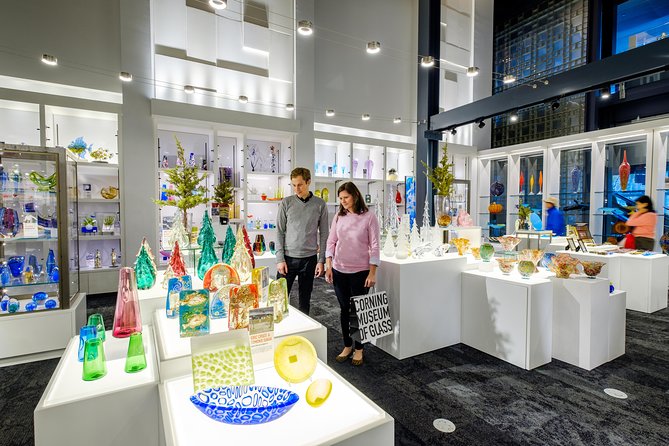
The gift shop is large, and it’s not just mass-produced items. You’ll find handmade glass gifts, plus seasonal displays (one review mentioned pumpkins), and many pieces that make good take-home reminders—especially if you want something small for a friend or a meaningful gift for home. More than once, visitors noted they could lose time here.
Don’t feel guilty about slowing down. This is a museum where breaks help your brain. With all the walking, even seniors and families appreciated the ability to pause. And yes, the museum provides small stools to take with you, which is a genuinely helpful detail if you’re tired but still want to keep exploring.
Is It Worth Two Days? Timing Tips for 3-4 Hours Plus a Second Pass
A typical visit runs about 3 to 4 hours, but the whole point of the ticket is that you don’t have to fit it into one afternoon. If you try to cram every gallery and every demo into a single day, you’ll end up skimming. With the second day, you can do one “big sweep” first, then return for deeper viewing where you felt the pull.
A strategy that works:
- Day one: Hot Glass Demo + Contemporary Art + Design + Innovation Center
- Day two: History galleries you liked most + any workshop you didn’t have time for + gift shop browsing without pressure
If you’re basing your trip around Rochester, plan travel time. One review flagged that the museum is about 1.5 hours from Rochester. That means you’ll feel better if you don’t pack the rest of the day with extra stops right after arrival.
And don’t forget: the museum runs Monday through Sunday from 9:00 AM to 5:00 PM. So if you want the demo experience and still have time for the galleries, arriving earlier in the day gives you more choices.
Who This Museum Fits Best (and Who Should Skip the Workshop)
This is a great match for:
- Glass lovers who want both art and craft history
- Families who can split time between galleries and hands-on activities
- Design-minded travelers who like seeing how materials and ideas evolve
- People who learn best when they can watch a process and then touch the concepts
For kids, it’s also a place that can keep energy moving. Multiple visitors highlighted experiences with children, including sandblasting and other studio activities. One parent noted their kids enjoyed demonstrations across different places in the museum, and that later, less busy presentations felt more interactive—especially for kids asking questions about glass properties at different temperatures and thicknesses.
Who might skip a workshop? If you’re traveling light or you’re on a strict budget, you can still have an excellent visit with the demos and galleries alone. The workshop is optional, and it’s the part where costs add up quickly. Think of it as an upgrade, not a requirement.
Bottom Line: Should You Book the Corning Museum of Glass Ticket?
If you love glass—either the craft side or the art side—this is an easy yes. The value is strongest when you use the full two-day ticket: one day for the big sights and another day for the sections that keep calling you back. The museum also balances spectacle (live demos) with learning (innovation exhibits and glass history across time).
I’d book it if you’re:
- Staying in the region long enough to use both days
- Interested in a mix of modern design and traditional glassmaking
- Willing to plan around demo times so you don’t miss the Hot Glass Demo
I’d pause if you only have a short window and hate walking, or if you’re not interested in demos and don’t want to consider any optional workshop. In that case, you might prefer a quicker museum stop nearby.
FAQ
How long should I plan to spend at the Corning Museum of Glass?
A typical museum visit is about 3 to 4 hours. With the two-day ticket, you can also return the next day if you want more time.
Is the admission ticket valid for two days?
Yes. Your admission ticket is valid for two consecutive days.
Are the Hot Glass Demos included with admission?
Yes. The museum’s Hot Glass Demo is part of what you can see during your visit with admission, and you can watch the live narrated demonstration in the Hot Shop area.
What is the Glass Innovation Center?
It’s a hands-on area focused on optics and glass in practical uses, including topics like Optics, Vessels, and Windows.
Do I have to pay extra for Make Your Own Glass workshops?
Yes. Make Your Own Glass workshop experiences cost extra, and the price range is listed as about $14 to $150.
What kinds of projects are available in the workshops?
Workshop projects can include fused picture frames and suncatchers, sandblasted drinking glasses, flameworked beads, pulled-glass flowers, delicate blown ornaments, and seasonal projects.
Are kids able to visit for free?
Yes. There’s free admission for customers age 17 and under.
What are the museum opening hours?
The museum is open daily from 9:00 AM to 5:00 PM.
Can I eat at the museum?
Yes. Food and drinks are available for purchase at the Museum Cafe.
Is there free cancellation?
Yes. Cancellation is free up to 24 hours in advance for a full refund, and changes within 24 hours are not accepted.
Is the museum friendly for visitors with service animals?
Yes. Service animals are allowed.