REVIEW · SAVIGNY LES BEAUNE
Check out the Château de Savigny museums: planes, cars, motorcycles…
Book on GetYourGuide →Operated by Château de Savigny-lès-Beaune · Bookable on GetYourGuide
That plane collection is the first punch.
At Château de Savigny-lès-Beaune, a 14th-century château becomes a freewheeling shrine to aviation, racing cars, and vintage bikes—inside a real historical monument. You pay about $16 for the day’s access, then wander at your own pace through the castle, park, and outbuildings. One catch: this is an unguided visit, so you’ll want to go in with curiosity (and maybe a willingness to slow down).
I especially love the way the setting makes the objects feel alive. A fortress built for defense suddenly hosts fighter planes and helicopters, and it works. I also love the car and motorcycle concentration: you’ll spot Abarth race prototypes and hundreds of bikes spanning the early 1900s through the 1960s.
The only real drawback is timing. You can do it in 1 to 2 hours, but if you’re a true gearhead or you’re traveling with kids who fixate on specific rooms, you may want extra time so you don’t feel rushed.
In This Review
- Key things that make this visit special
- Château de Savigny-lès-Beaune: a fortress with wheels and wings
- Entering the grounds: how the park sets the tone fast
- Inside the château: Abarth prototypes and the thrill of speed history
- Motorcycles from 1903 to 1960: more than a wall of bikes
- The other museums you’ll be glad you didn’t skip
- Petit Château 1671: where the tasting happens
- The people behind it: Michel Pont and the collector spirit
- Price and time: getting good value without trying to rush
- Practical logistics: how to plan your stop in Burgundy
- Who this visit suits (and who might want a different day)
- Should you book Château de Savigny-lès-Beaune?
Key things that make this visit special
- Planes and helicopters in the château park: lots of “wow” before you even reach the buildings.
- Abarth prototypes in the outbuildings: racing history presented with real personality.
- Motorcycles from 1903 to 1960: a focused timeline, not random clutter.
- Multiple niche museums on one property: firefighters, wine tools, tractors, and more.
- Petit Château tasting cellar: Burgundy wine is part of the experience, even if tastings aren’t included with entry.
- Collector-run, open daily (Thu–Mon): the place feels personal rather than showroom-like.
Château de Savigny-lès-Beaune: a fortress with wheels and wings
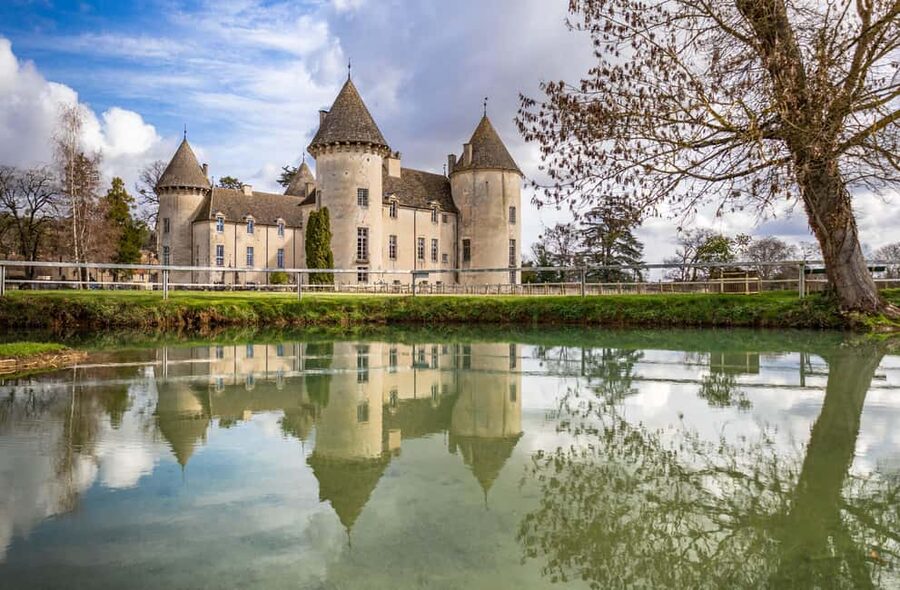
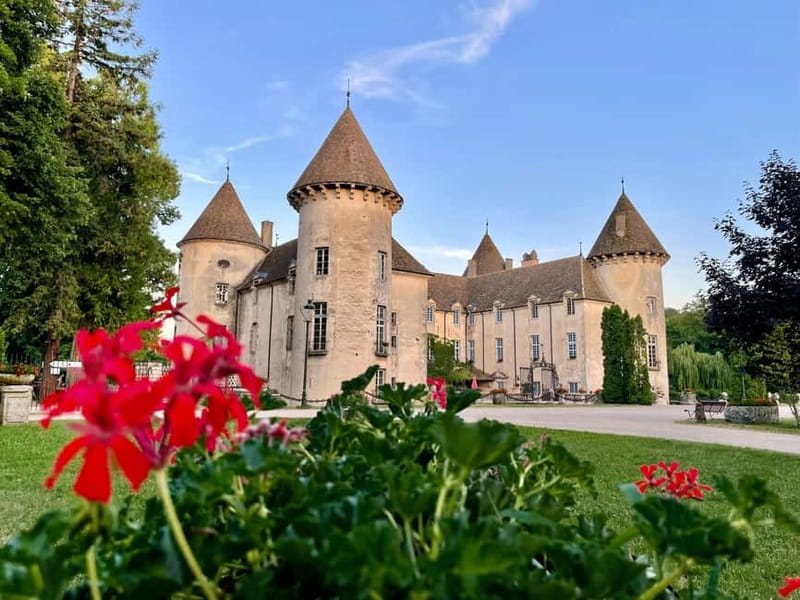
The château sits in Burgundy-Franche-Comté near Beaune, and it’s not a theme park. The core building dates to 1340, and the château was renovated in the 17th century, so you’re walking through centuries, not just looking at models.
Now for the twist. Instead of traditional tapestries or paintings taking center stage, the main attraction is how the collections are housed. You’ll be moving from stone corridors and castle rooms to buildings packed with machines—aircraft in the park, racing cars and motorcycles in the château and outbuildings, and a scatter of other specialty exhibits across the estate.
This place is a reminder that museums don’t have to choose between culture and fun. You get both: historic architecture, plus a collector’s obsession made public.
Entering the grounds: how the park sets the tone fast
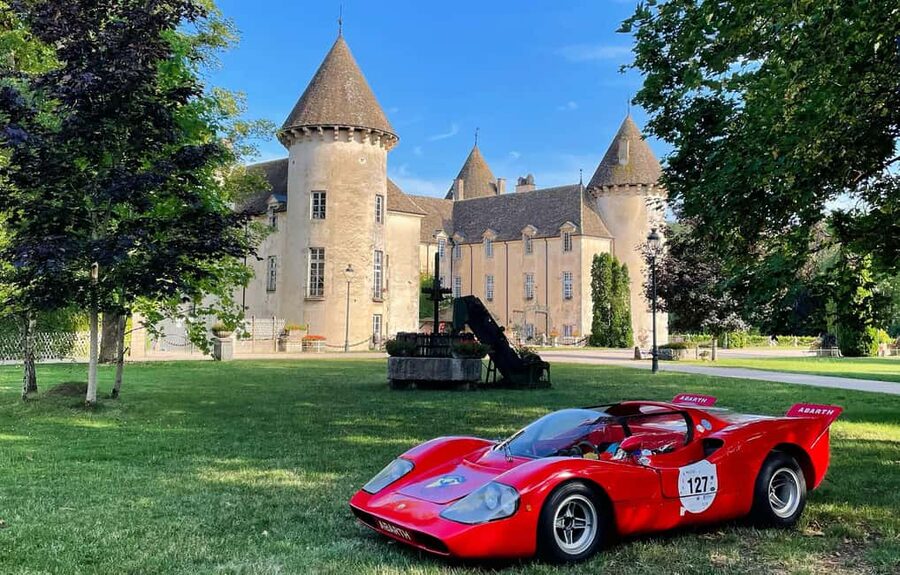
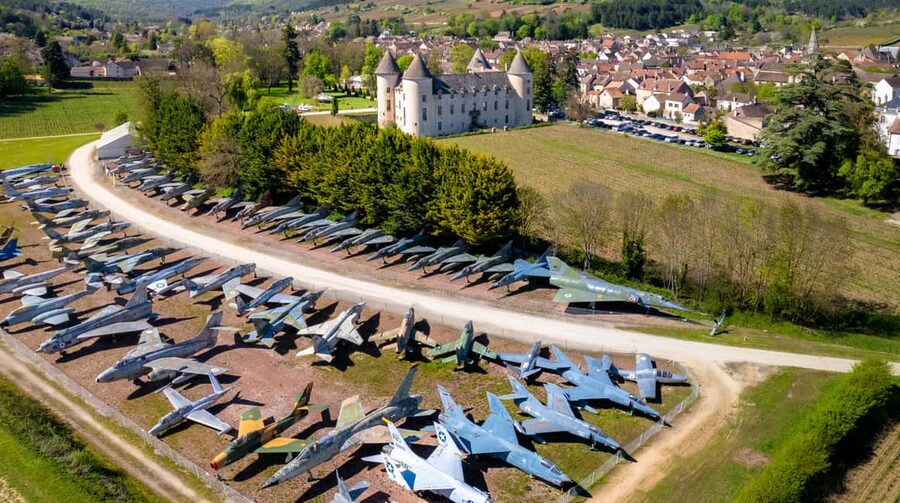
Start outdoors. The château park is where the first big visual hits you: around a hundred fighter planes and helicopters. It’s the kind of scene that makes you stop taking photos and just look for a minute, because it feels almost too big to be real.
This is also where you can get your bearings. If you’re visiting with limited time, I’d do the park first so you don’t accidentally save your favorite thing for last. If the weather’s decent, it’s the easiest section to enjoy slowly, because it’s spread out and you can pause wherever curiosity grabs you.
And yes, the machines are there for you to see. But what matters more is the contrast: military aviation staged against a château estate. It creates a weirdly satisfying mental image, the kind that sticks with you long after you leave.
Inside the château: Abarth prototypes and the thrill of speed history
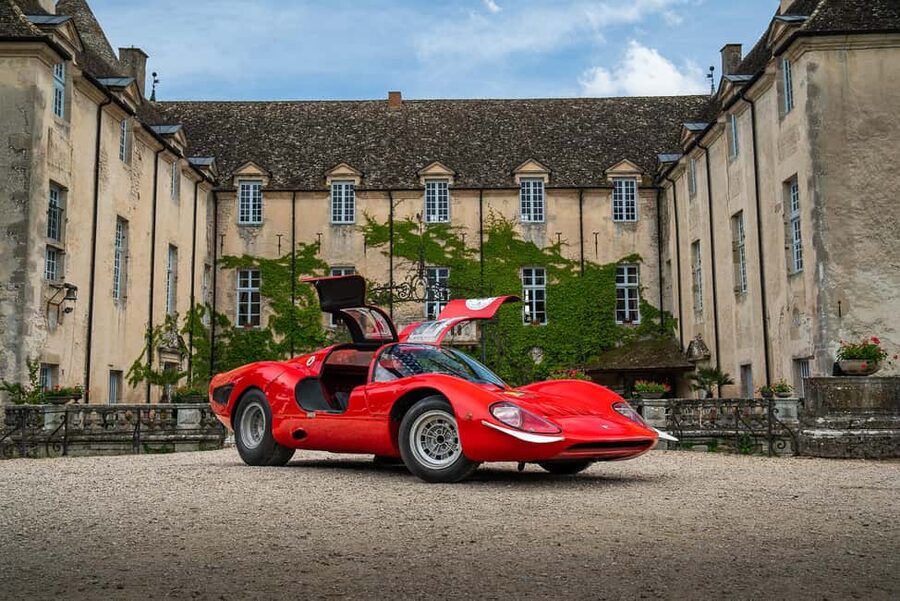
Once you head into the castle and outbuildings, the visit pivots toward racing. One of the headline collections is about 30 Abarth racing car prototypes.
Abarth fans will recognize the brand name fast, but even if you don’t know every model, you’ll get the idea. These aren’t generic cars behind glass. They’re presented as part of a bigger story about engineering and competition—stuff that makes you want to lean closer and study details.
Here’s the practical mindset I’d use: don’t try to “finish” every room like it’s a checklist. Pick the one subject you’re most excited about—Abarth, motorcycles, aviation, or the other specialty exhibits—and give it enough time to actually register. The château is set up so you can do that without missing the rest.
Motorcycles from 1903 to 1960: more than a wall of bikes
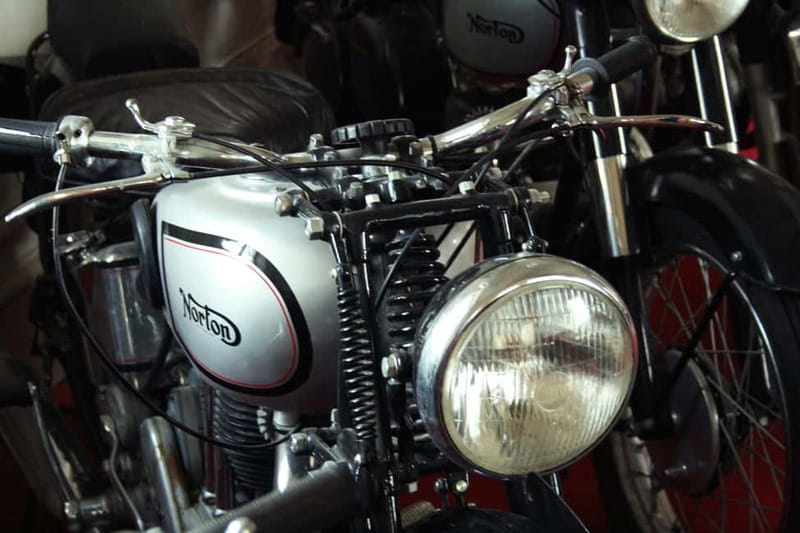
Then come the motorcycles. You’re looking at more than 200 motorcycle models from 1903 to 1960, and the collection includes bikes associated with French aviation legends such as Jean Mermoz and Canon Kir.
That last detail matters because it adds context. You’re not just seeing machines; you’re seeing the way motorcycles connected to broader life in that era—travel, fame, and the kind of individual adventure that defined early 20th-century France.
If you like transportation history, this is where the visit becomes quietly addictive. You can compare shapes, engines, and design trends across decades without needing a guide to tell you what changed. It’s the sort of museum where you learn by looking, which is perfect for an unguided visit.
Also, if you’re traveling with kids, this is often the section that does the work. A 10-year-old doesn’t need a lecture to appreciate bikes, and the collection’s size makes it easy to stay engaged.
The other museums you’ll be glad you didn’t skip
This estate doesn’t stop at planes, cars, and motorcycles. On the property, you can also explore several additional niche exhibits:
- A firefighters’ museum
- A museum of wine and viticultural equipment
- A museum of high-clearance tractors
- Plus over 8,000 models (it’s a lot)
This is a major part of the value. If you’re traveling with mixed interests, you’re not stuck choosing one “type” of museum. One person can enjoy racing and aviation, while someone else lingers with tractors or firefighting gear.
The tractor and wine equipment exhibits also connect back to the region. Burgundy isn’t just pretty scenery; it’s work, tools, and tradition. Seeing viticulture machinery in a château setting helps you understand that the château economy and the local landscape were always linked.
And the firefighters section adds an entirely different flavor: urgency, public service, and engineering built for real emergencies. It’s a good reminder that machines are never only about spectacle.
Petit Château 1671: where the tasting happens
Right on the estate, the Petit Château (1671) houses the tasting cellar and dining room. The important detail for you: this is where Burgundy wine is involved beyond decoration.
The tasting area is part of the experience, and the property also offers wine sales on site. Your entry ticket covers access to the château, park, and collections, but wine tastings from the winery are not included with that price.
For groups, there’s a dining setup too. Reservations are required if your group is 20 or more, which is useful to know if you’re thinking about a larger celebration.
If you love Burgundy, I’d treat the tasting stop as optional but worth planning for. Even if you skip it, the fact that the estate ties its machines to real local wine makes the whole visit feel more grounded.
The people behind it: Michel Pont and the collector spirit

This place isn’t just run by staff who inherited a collection. Since 1979, Michel Pont has been opening the museums to share what he loves. His son, Christophe Pont, runs the vineyard estate called Les Caves de l’Orangerie, and that’s part of how the château stays connected to Burgundy wine.
Why does this matter for your visit? Because the collections don’t feel like they’re arranged to impress from far away. They feel assembled by someone who cares about the details enough to keep collecting, organizing, and making space for more.
That collector energy is what makes the château work for first-timers and repeat visitors alike. You can tell it isn’t a one-and-done museum concept. It’s a living project.
Price and time: getting good value without trying to rush
You’ll typically spend 1 to 2 hours here, and that’s a realistic window. The visit is unguided, and it’s set up so you can move through at a comfortable pace without needing to track a formal itinerary.
At about $16 per person, the value comes from how much you get with one admission. You’re not paying for separate tickets to see the planes, the cars, the motorcycles, the tractors, and the wine equipment. It’s all part of one day’s access.
The museum format also helps you manage time. If you only have a short stop in Burgundy, you can focus on two big areas—park aviation plus one building of your choice—and still leave satisfied. If you have more breathing room, the smaller museums and the model rooms make it easier to extend your visit without feeling like you’re repeating the same thing.
One practical timing tip: the château is open Thursday to Monday, from 10:00 a.m. to 5:30 p.m., with the last admission at 4:30 p.m. Don’t roll up right before closing and expect to linger. Plan to arrive with enough daylight left in the day.
Practical logistics: how to plan your stop in Burgundy
There’s free parking available during opening hours, which makes this easier than a lot of rural château visits. The meeting point is the château itself, so you can treat it like a simple destination stop.
Since it’s unguided and signposted, you’ll get the best experience by moving with intent. Pick your priorities before you walk in. If aircraft are your thing, head to the park first. If you’re more of a racing-and-bike person, go inside early so you can compare vehicles without fatigue.
Also, because the site is open in French and English, you won’t be stuck if you don’t speak French. But even if you do, the experience is visual enough that language won’t block you from enjoying the machines.
If you’re visiting in late December or early January, note that the château is closed on December 25, January 1, and January 5–22, 2026. Outside of those dates, you’ve got a solid midweek through weekend window.
Who this visit suits (and who might want a different day)
I think this château museum is ideal for people who like two things at once: culture in an unusual setting, and subject matter you can enjoy just by looking. It works for adults who enjoy cars and motorcycles, and it also works for families because the collections are concrete and fun.
It’s especially good if you want a change from the standard “château plus gardens plus church” route in Burgundy. Here, the historic architecture is real, but the main stage is rolling and flying machines.
If you only want classic fine-art museums, you might not get as much out of it. But if you enjoy engineering history, transportation, or the idea of a collector turning passion into a public space, you’ll likely have a great time.
Should you book Château de Savigny-lès-Beaune?
I’d book it if you’re the type of traveler who likes surprises that still make sense. This isn’t random oddball sightseeing; it’s a coherent collection housed in an authentic historical property, with Burgundy wine added through the Petit Château tasting cellar.
Also, with a 4.7 average rating from 46 bookings, this is the kind of stop that tends to land well for a wide range of interests. And because it’s only 1 to 2 hours long, it’s easy to fit into a day around Beaune without wrecking your schedule.
If you can only do one “extra” activity, consider this one. It gives you aviation, racing, motorcycles, and regional wine all in a single, self-guided visit—good value for your time in Burgundy.