REVIEW · GAINESVILLE
Butterfly Rainforest at Florida Museum of Natural History Ticket
Book on Viator →Operated by Butterfly Rainforest · Bookable on Viator
Butterflies make an indoor-outdoor kind of magic. The Butterfly Rainforest at the Florida Museum of Natural History gives you a 6,400-square-foot, screened habitat built for Florida weather, with 50+ species of butterflies plus birds and other critters. It’s a calm, easy walk where the stars are the living things, not glass boxes.
One thing to keep in mind: the number of active butterflies can vary day-to-day, and on stormy days the outdoor exhibit may temporarily close for safety.
In This Review
- Key Points Before You Go
- Walking Into a Screened Florida Rainforest
- What Your $24 Ticket Really Covers at UF
- The Butterfly Rainforest Walk: Easy, Relaxing, and Full of Small Surprises
- Staff Talks, Talks You Might Struggle to Hear, and What to Ask
- Powell Hall and Florida Context After the Rainforest
- Time Your Visit With Weather and Expect “Real Life” Butterfly Variability
- Tips That Make the Difference (Especially for Photos)
- Who This Is Best For
- Should You Book the Butterfly Rainforest Ticket?
- FAQ
- How long does the Butterfly Rainforest visit take?
- What does my ticket include?
- Where do I go to redeem the voucher?
- Can I explore at my own pace?
- What wildlife can I expect besides butterflies?
- What if the weather is bad?
- Is it refundable if I cancel?
- Are service animals allowed, and is it accessible?
Key Points Before You Go
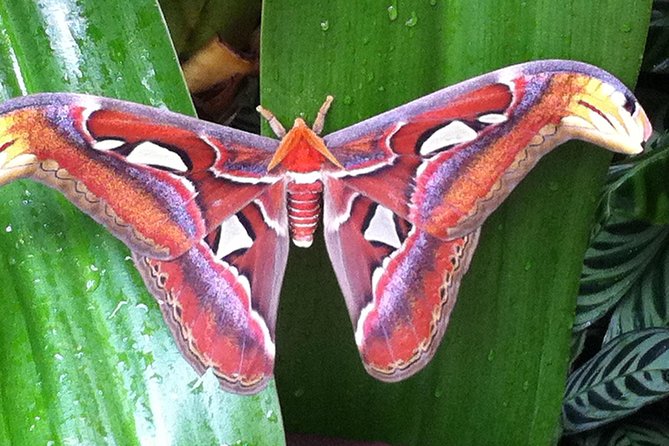
- 6,400-square-foot screened rainforest designed to match Florida conditions for butterflies and plants
- 50+ butterfly species plus birds, turtles, and fish in the exhibit space
- Interpretive staff available to answer questions as you wander at your own pace
- Calusa Indian welcoming ceremony and Florida-focused context in Powell Hall
- Museum add-ons after the rainforest: indoor butterfly exhibits, plus fossils and Native Florida exhibits
- Expect weather-related timing changes since it’s an outdoor exhibit, even when screened
Walking Into a Screened Florida Rainforest
This visit starts with the feeling that you walked into a Florida nature documentary. The Butterfly Rainforest is a screened-in habitat at the Florida Museum of Natural History, built so butterflies and plants experience conditions close to what they’d face outdoors in Florida. That matters. When a habitat is engineered around local weather, you tend to get more natural behavior and more of that true “they’re just living here” vibe.
The space itself is big enough that you can slow down and actually notice details: where butterflies prefer to rest, how different species move through the same area, and how the plants create micro-areas of shade and sun. It’s not just a quick look. You’re meant to set your own pace and linger.
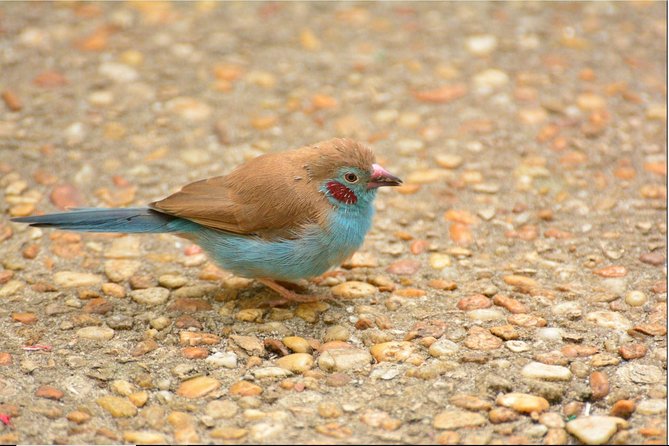
You also get the bonus of multiple types of wildlife sharing the same enclosed rainforest feel. Besides butterflies, you’ll find birds and other animals such as turtles and fish, which helps the exhibit feel like an ecosystem instead of a single-species attraction. Even if you’re not a “nature person,” that mix makes the walk more interesting than you expect.
What Your $24 Ticket Really Covers at UF
Your ticket is simple and honest: it covers admission to the Butterfly Rainforest plus admission to the Florida Museum of Natural History. The rainforest portion is the headline, but the museum space around it is where the visit becomes more than a one-off photo stop.
At the University of Florida, the rainforest is connected to the museum experience in a way that makes planning easy. You’ll head to Powell Hall, exchange your voucher for your museum admission at the desk, and then spend time in the screened rainforest at your own pace. The total museum visit often stretches beyond the rainforest because the indoor exhibits add context and variety.
For $24, the value comes from two things:
- You’re paying for a real live-animal habitat, not just a display.
- You’re also getting time in a museum with fossils and Florida history, so the day doesn’t end when the rainforest walk is done.
If you only want butterflies and nothing else, plan a tighter schedule. If you like to keep exploring after, this ticket format works well.
The Butterfly Rainforest Walk: Easy, Relaxing, and Full of Small Surprises
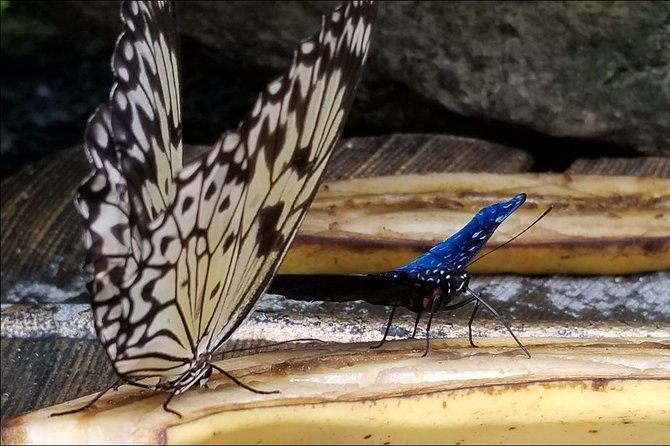
The rainforest portion is designed for wandering. There isn’t a need to rush from stop to stop because the main activity is simply watching. Butterflies move through the air, land on leaves and flowers, and sometimes land closer to people if you stay still.
This is where you’ll get the kind of moments that make the visit stick with you. People often talk about butterflies landing on arms or sticking close enough for that once-in-a-while photo moment. You can’t force that, but you can improve your odds by staying calm, standing quietly, and giving butterflies space. In a screened habitat, the calmer you are, the more likely you are to notice what the animals are doing.
You’ll also find plenty of visual interest beyond adult butterflies. Some visitors mention being in awe of larvae hatching, which hints that the exhibit experience isn’t only about what you see immediately—it’s also about the life cycle story.
And yes, the birds matter. The exhibit includes free-roaming birds, and that changes the mood. It can feel peaceful and almost outdoor-like, even though you’re safely inside a screened structure.
Staff Talks, Talks You Might Struggle to Hear, and What to Ask
Interpretive staff are on hand, and that’s a big deal for a rainforest exhibit. If you like learning, you’ll want to ask what you’re looking at: what species you might be seeing, why certain butterflies hang around certain plants, and how the habitat is set up to encourage natural butterfly behavior.
One note from real-world experience: the audio from a speaker during the show/talk can be difficult to hear depending on where you’re standing. If sound is important to you, don’t assume you’ll catch every word on the first pass. Instead, use the staff presence as your real guide. Ask questions as you walk. They’re the best way to turn “I saw butterflies” into “I understood what I saw.”
Powell Hall and Florida Context After the Rainforest
The rainforest is the highlight, but Powell Hall is where you get the Florida backdrop that makes the day feel more grounded. The museum connects the natural world to place—what Florida is, how it changes, and who lived there before us.
A few standout elements to look for:
- Powell Hall pieces focused on Florida, so the day isn’t only about tropical bugs from far away
- Native Calusa Indian exhibits, including a Calusa welcoming ceremony moment you can experience as part of the visit
- Fossil galleries, including mammoth and mastodon material, for a totally different kind of Florida-and-beyond story
If you’re visiting with kids, this is a smart pairing. The rainforest gives them wonder, while the fossils and Florida history give them something to talk about afterward—without dragging the day out into a long, lecture-style museum visit.
A good strategy is to do the rainforest first while you’re still in animal-watching mode, then switch gears to indoor exhibits when you want a break from heat or sun. Even in cooler weather, the rainforest is enjoyable, but you’ll likely appreciate the indoor rooms after.
Time Your Visit With Weather and Expect “Real Life” Butterfly Variability
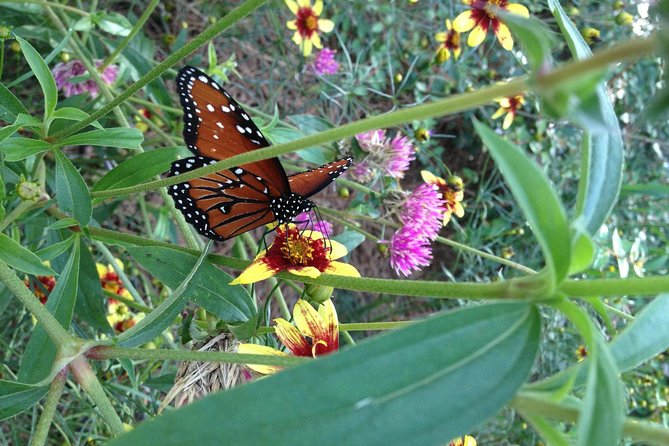
The rainforest is weather-dependent because it’s an outdoor exhibit, even though it’s screened. That means your experience is not identical every day. The number of butterflies released or active can vary depending on whether they emerge and are ready in time.
So here’s the practical takeaway: treat this like wildlife viewing, not a theme-park guarantee. If the day is sunny and mild, you’ll likely get more butterfly activity and a more comfortable walking rhythm. If it’s very hot, plan for shorter rainforest sessions and more indoor museum time.
Visitors also mention enjoying the experience during colder conditions, so it’s not only a summer activity. Still, Florida weather can swing fast, and the comfort level in the habitat will affect how long you want to stay.
If you want to maximize your enjoyment, aim for a day where you feel physically comfortable walking around. Then give yourself enough time to wander slowly, because the habitat rewards patience.
Tips That Make the Difference (Especially for Photos)
You don’t need special gear, but a few choices can improve your visit:
- Move slowly and stand still often. Butterflies are more likely to settle where they can rest. Quick walking tends to make them feel skittish.
- Let your eyes adjust to the details. Early on, you’ll see big movement. After a few minutes, you’ll notice resting patterns on leaves and flowers.
- Plan for your total museum time. The rainforest alone can feel like a full activity. If you also want indoor butterfly exhibits, fossils, and the Native Florida areas, budget extra time so you don’t feel rushed.
- Bring a small layer. Indoor museum areas can feel cooler than the outdoor-screened space, and you’ll appreciate adjusting as you switch zones.
One small comfort detail from visitors: after you leave the rainforest, there’s a butterfly seat area where you can sit in a way that makes the butterfly-feeling part of the experience last a little longer. It’s the kind of thing you’ll enjoy if you like lingering.
Who This Is Best For
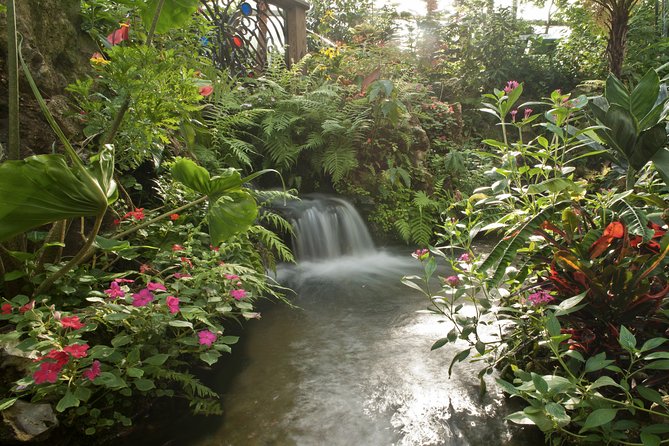
This ticket is a strong fit for a wide range of people because it blends nature watching with museum learning:
- Families with kids who love animals and hands-on-style learning
- Adults who enjoy a slower pace and don’t want to sprint through a checklist of exhibits
- Anyone who wants Florida-focused museum context paired with a living butterfly habitat
- People who want a relaxing half-day option in Gainesville that isn’t overly complicated
If you’re traveling for something very specific, this helps: the experience is naturally flexible. You can keep it to the rainforest, or you can turn it into a longer museum day with fossils and Native Florida displays.
Should You Book the Butterfly Rainforest Ticket?
I’d book it if you want a genuinely calming wildlife experience with real education baked in. For $24, you’re getting admission to both the Butterfly Rainforest and the full Florida Museum of Natural History, so your money isn’t stuck only on one exhibit.
I’d think twice if you’re the type who needs perfect predictability—because butterflies are living animals, and their visible activity can change. Also, if you strongly rely on hearing a scheduled talk, treat the staff as your main learning source, since audio can be tricky depending on where you stand.
Overall: this is the kind of outing you’ll be glad you didn’t over-plan. Give yourself time to wander, bring patience, and you’ll likely come away with those quiet, surprising moments that feel a little like getting away from the world.
FAQ
How long does the Butterfly Rainforest visit take?
The Butterfly Rainforest ticket experience is listed at about 2 hours (approx.), but you can naturally spend more time if you also explore the rest of the museum.
What does my ticket include?
Your ticket includes entry to the Butterfly Rainforest and entry to the Florida Museum of Natural History.
Where do I go to redeem the voucher?
You’ll make your way to Powell Hall at the University of Florida in Gainesville, then exchange your voucher for a ticket at the admissions desk.
Can I explore at my own pace?
Yes. You can explore the Butterfly Rainforest at your own pace, with interpretive staff on hand to answer questions.
What wildlife can I expect besides butterflies?
The exhibit includes butterflies plus birds, and it also features other animals such as turtles and fish.
What if the weather is bad?
This experience requires good weather. If it’s canceled due to poor weather, you’ll be offered a different date or a full refund.
Is it refundable if I cancel?
This experience is listed as non-refundable and cannot be changed for any reason.
Are service animals allowed, and is it accessible?
The information provided states that service animals are allowed and that most travelers can participate.