REVIEW · BOLOGNA
Bologna: Ferruccio Lamborghini Museum Entry Ticket
Book on GetYourGuide →Operated by Arcadia Tour Operator e DMC · Bookable on GetYourGuide
Bologna has a way of pulling you in, then revving your curiosity. With a reserved-time entry ticket, you get access to the Ferruccio Lamborghini Museum (about 9,000 square meters) and a fast ticket to one of Italy’s most recognizable car stories. I love the way the museum lets you see Lamborghini’s machines as designed objects, not just posters or brand logos. I also like the personal touch: Ferruccio’s life comes through via recreations like his office. One possible drawback: you’ll need to plan around your selected time slot, so build some slack into your Bologna day.
If you’re even a little car-minded, this visit can feel oddly human. You start with the early industrial side of Lamborghini (the company began with a tractor, not a supercar), then you trace the leap toward the cars people still argue about today. And at $18 per person, the value lands best if you’re the type who enjoys seeing whole design eras in one place—1950s through 1970s—under one roof.
In This Review
- Key points to know before you go
- Your Ferruccio Lamborghini Museum Ticket in Bologna: What the Reserved Slot Buys You
- The 9,000 Square Meter Museum: How the Experience Flows
- Starting With the Carioca Tractor (1947): Lamborghini’s Unlikely Beginning
- Cars That Hold Your Attention: Miura SV and the Espada’s Gull-Wing Drama
- Lamborghini Beyond Road Cars: Helicopter Prototype and the Fast 45 Diablo Boat
- Ferruccio’s Office Reconstruction: The Human Side of the Machines
- Price and Value: Is $18 for the Ferruccio Lamborghini Museum Smart?
- Best Fit: Who Will Enjoy This Most (and Who Might Not)
- Final Call: Should You Book This Ferruccio Lamborghini Museum Entry Ticket?
- FAQ
- Where do I present my voucher for the Ferruccio Lamborghini Museum?
- How much does the Ferruccio Lamborghini Museum entry ticket cost?
- Is the ticket valid on a specific date only?
- What does the ticket include?
- Can I cancel my ticket for a refund?
- Is the museum wheelchair accessible?
- Are unaccompanied minors allowed?
- What are some of the main items you can see?
- How long should I plan for my visit?
Key points to know before you go
- Reserved time entry helps you sync the visit with your day in Bologna.
- Carioca Tractor to P400 Miura shows how the brand evolved from practical machines to iconic performance cars.
- Miura SV and the Espada bring the romance: especially the Espada’s gull-wing doors and movie connections.
- Ferruccio’s personal office reconstruction adds context beyond the vehicles.
- Helicopter prototype and Fast 45 Diablo offshore boat turn the visit into a true design-and-innovation showcase.
- Design-nerd detail watch: the collection is strong, but if you’re chasing ultra-specific model pairings, you may wish for a few additions (like an LM002 displayed alongside an LM001 prototype).
Your Ferruccio Lamborghini Museum Ticket in Bologna: What the Reserved Slot Buys You
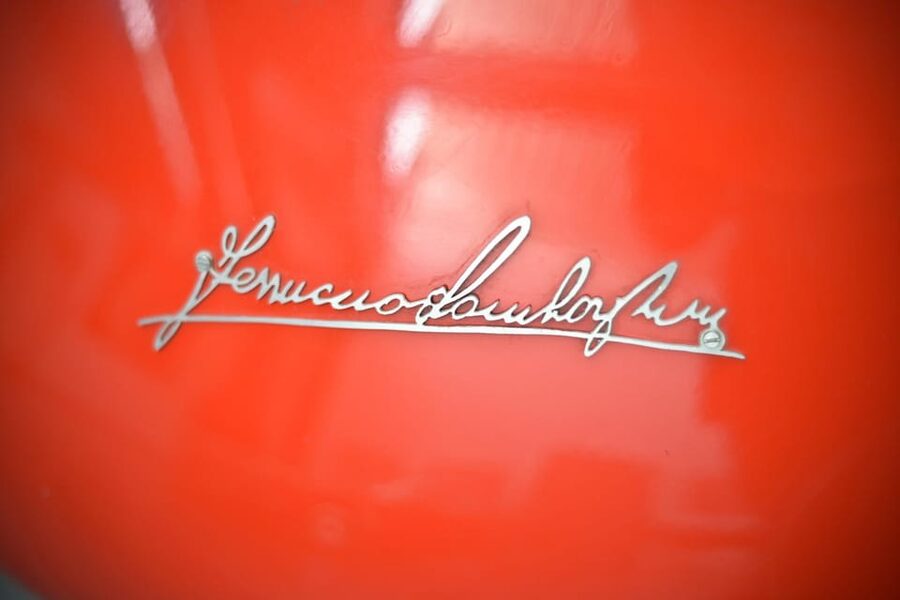
This isn’t just a pay-and-pray museum stop. Your ticket is tied to a selected time slot, and you present your voucher at the museum for that entry window. For a city like Bologna—where walking takes time and other sights fill up fast—that single step matters.
The ticket also gives you a one-day window, so you’re not stuck hunting for an exact minute. On the ground, you’ll experience the museum in the way it’s designed to be experienced: as a full walkthrough of vehicles, prototypes, and the company’s evolution, with the personal story of Ferruccio built into the layout.
One more detail I appreciate: it’s wheelchair accessible, so you can plan for mobility needs without guessing how the site works.
You can also read our reviews of more tours and experiences in Bologna.



The 9,000 Square Meter Museum: How the Experience Flows
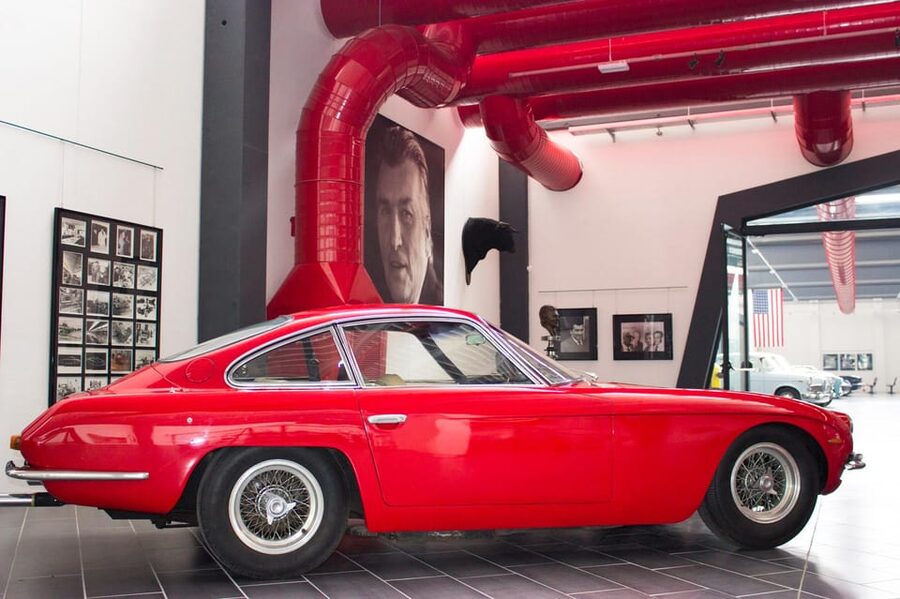
The Ferruccio Lamborghini Museum covers about 9,000 square meters, so you should think of it as a structured visit rather than a quick peek. The collection is organized so you can follow the progression of Lamborghini’s designs across decades—starting from the earliest branded machine and moving toward the era people most associate with Lamborghini.
What’s smart here is that you don’t just see a wall of cars. You see design decisions and company ambition show up in different forms: tractors, cars, and even engineering prototypes outside the usual road focus. The pacing feels like stepping through chapters: early beginnings, the rise of key models, and a later emphasis on personality and experimentation.
Plan to wear comfy shoes. Even if you’re not a “car museum” person, the museum’s size means you’ll be doing real walking. And since it’s centered on physical vehicles, you’ll want time to circle each display and look closely at shapes and details—especially when doors and bodywork are part of the story.
Starting With the Carioca Tractor (1947): Lamborghini’s Unlikely Beginning
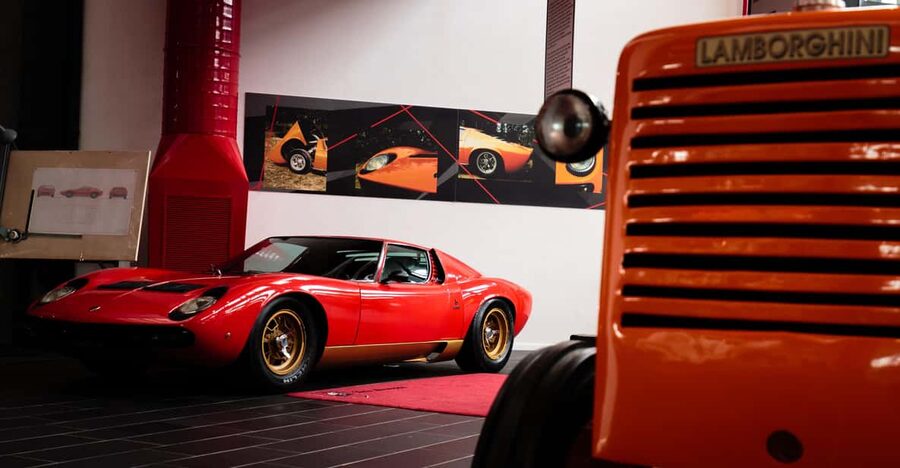
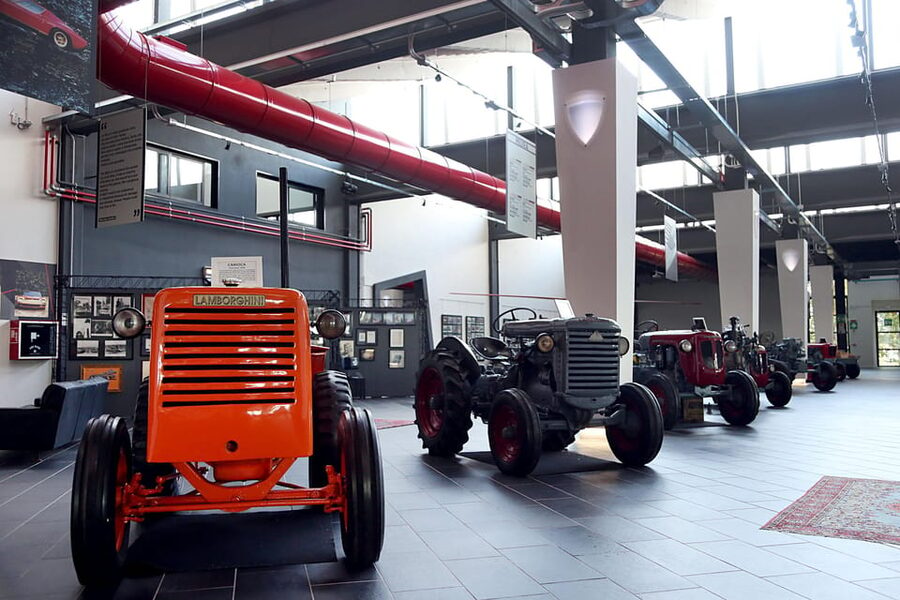
One of the best reasons to buy this ticket is that it starts where many brand stories conveniently skip. The museum traces the company from the Carioca Tractor launched in 1947. That matters because it shows you Lamborghini’s origin as an engineering and industrial mindset, not a pre-packaged supercar myth.
You’ll then move through key moments tied to the company’s later breakthroughs, including important vehicles from the 1950s, 60s, and 70s. The effect is practical: you can see how a maker’s skills and ambitions shift as technology, ambition, and market demand change.
If you’ve ever wondered why Lamborghini cars look and feel so different, this is the foundation. The early tractor era gives you a lens for what “Lamborghini thinking” means: design, mechanical confidence, and an engineer’s willingness to build something new instead of playing it safe.
Cars That Hold Your Attention: Miura SV and the Espada’s Gull-Wing Drama
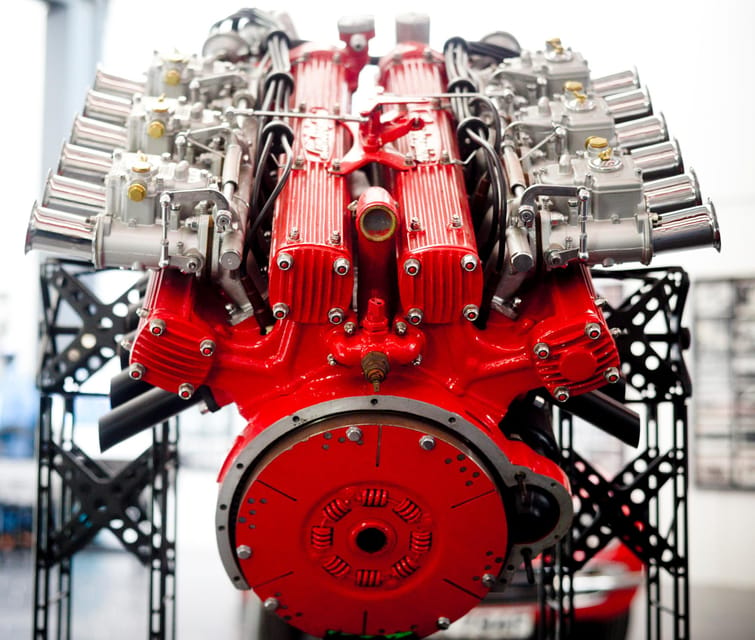
When the museum reaches the famous Lamborghini cars, it doesn’t ease you in. It goes for the models that turn design into attention-grabbing sculpture.
The highlights include Ferruccio’s personal car collection, featuring the Miura SV and the Espada. The Espada gets extra payoff because of its gull-wing doors—a distinctive feature that also inspired the car used in the movie Back to the Future. That’s a fun connection, but the bigger win is that you get to see how those dramatic doors function as part of the overall design language, not just as a stunt.
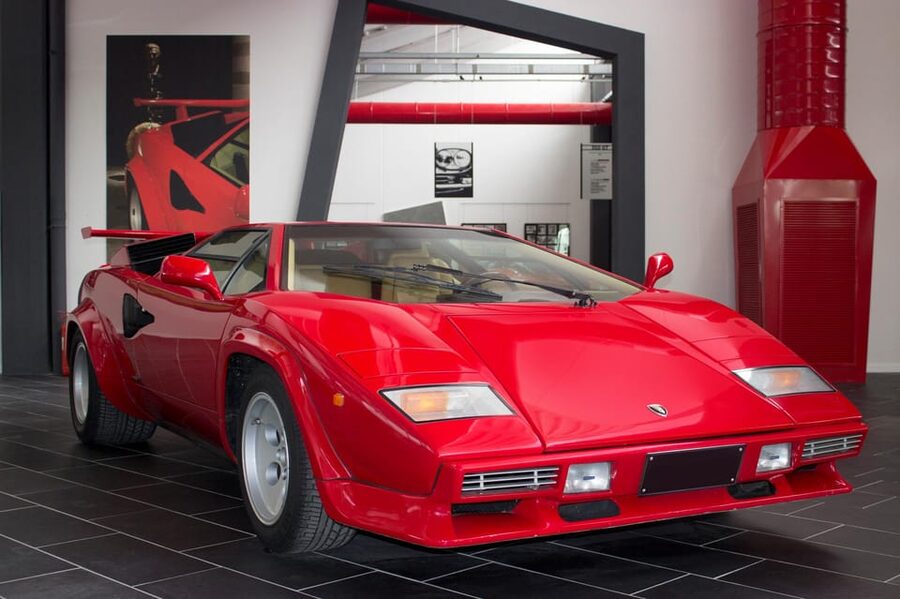
The museum also includes cars tied to major branding chapters, such as the evolution leading toward the P400 Miura. For me, the best part of seeing these vehicles in sequence is noticing how Lamborghini’s identity sharpens over time. You’re not just watching a brand grow—you’re watching design logic tighten.
Lamborghini Beyond Road Cars: Helicopter Prototype and the Fast 45 Diablo Boat
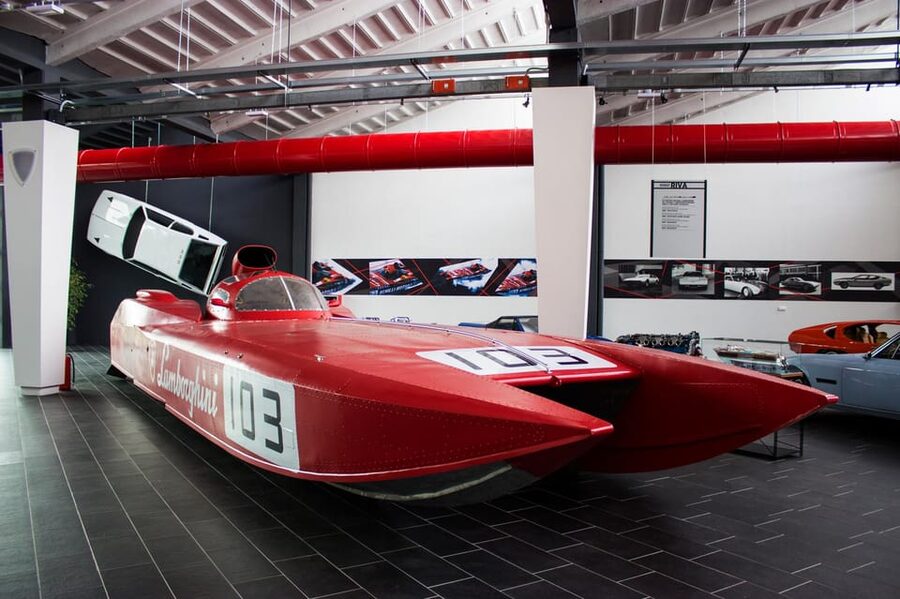
Not every car museum gives you this kind of left turn. Here, you’ll also find two standout non-road items: a helicopter prototype and the Fast 45 Diablo Class 1 offshore boat.
Even if you’re not into helicopters or boats, they’re valuable because they explain Ferruccio’s mindset. Lamborghini wasn’t only building cars to sell. It was experimenting with engineering, pushing form and performance across categories. That’s why these displays feel like they belong in the main story, not as side exhibits.
It also gives you variety. One hour you’re focused on automotive bodywork; the next you’re looking at how performance thinking transfers into totally different vehicles. If your group includes someone who isn’t a car fanatic, this is where you can still have a shared experience.
You can also read our reviews of more museum experiences in Bologna



Ferruccio’s Office Reconstruction: The Human Side of the Machines
One of the most memorable parts is the reconstruction of Ferruccio’s personal office at the Lamborghini Tractors company. It’s the part of the visit that changes the museum from “cool cars” into “how a person built a world.”
You get insight into his life and into the working environment around him during the economic boom in the late 1950s and 60s. That context matters because it helps explain what you’re seeing elsewhere in the museum: the push for innovation, the sense of momentum, and the way a company’s culture can show up in product design.
This office reconstruction is also a nice balance if you tend to get “overwhelmed by vehicles.” It’s a pause that reminds you these cars are output from people, processes, and decisions.
Price and Value: Is $18 for the Ferruccio Lamborghini Museum Smart?
At $18 per person, this ticket is easiest to justify if you’ll actually look at the whole arc—from the Carioca tractor to the iconic cars and the prototypes. If you’re a casual peek type, you might feel like you rushed.
But if you like structured museum visits, the value stacks up quickly. You’re paying for:
- access to the full vehicle lineup across decades (1950s–1970s),
- Ferruccio’s personal car collection displays (like the Miura SV and Espada),
- and the extra engineering story items (helicopter prototype and the offshore boat),
- plus the personal office reconstruction that connects design to a real working life.
Also, because your ticket has reserved time entry, you can plan your Bologna day with less uncertainty. That’s real value in a city where time gets eaten by transit, food lines, and “one more stop” syndrome.
Best Fit: Who Will Enjoy This Most (and Who Might Not)
This is for you if:
- you like seeing how a brand evolves, not just famous highlights,
- you enjoy design details and want to compare vehicles across eras,
- you’re curious about engineering beyond the usual road-car focus.
It’s less ideal if:
- you only want the most famous car names and don’t enjoy walking through a full museum flow,
- you’re short on time and need a quick, lightweight stop.
There’s also a key policy note: unaccompanied minors aren’t allowed, so plan adult supervision if you’re traveling as a family.
Final Call: Should You Book This Ferruccio Lamborghini Museum Entry Ticket?
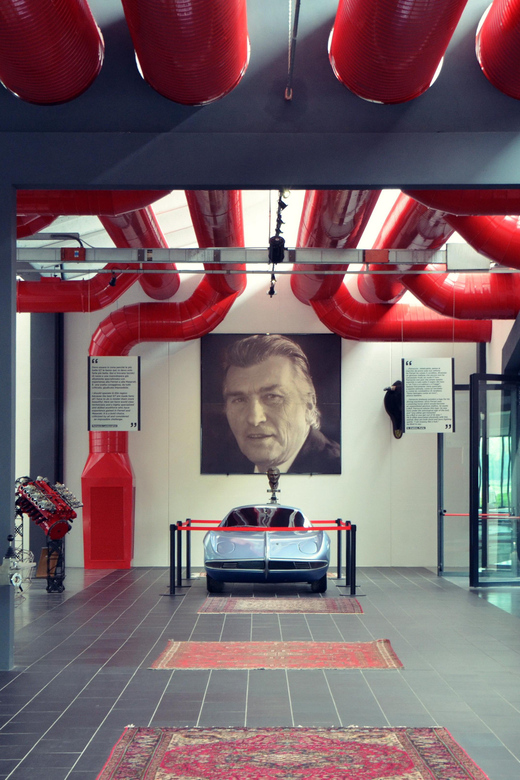
I’d book this if you’re spending at least a half day around Bologna’s central sights and you want a museum that feels like a full story. The combination is what sells it: early roots (the Carioca tractor), the iconic cars (including the Miura SV and Espada), and the oddball engineering displays like the helicopter prototype and Fast 45 Diablo boat.
If you’re an ultra-specific model collector type, you might find yourself wanting certain pairings or additional displays. I’d still say the overall collection and setup give a strong picture of Lamborghini’s creative direction, even if you’d love a few extra boxes checked.
FAQ
Where do I present my voucher for the Ferruccio Lamborghini Museum?
Present your voucher at the museum at your selected timeslot.
How much does the Ferruccio Lamborghini Museum entry ticket cost?
The price is listed as $18 per person.
Is the ticket valid on a specific date only?
The ticket is valid for 1 day. You’ll check availability to see starting times.
What does the ticket include?
It includes Ferruccio Lamborghini Museum entry with reserved time entry.
Can I cancel my ticket for a refund?
Yes. You can cancel up to 2 days in advance for a full refund.
Is the museum wheelchair accessible?
Yes, it is listed as wheelchair accessible.
Are unaccompanied minors allowed?
No. Unaccompanied minors are not allowed.
What are some of the main items you can see?
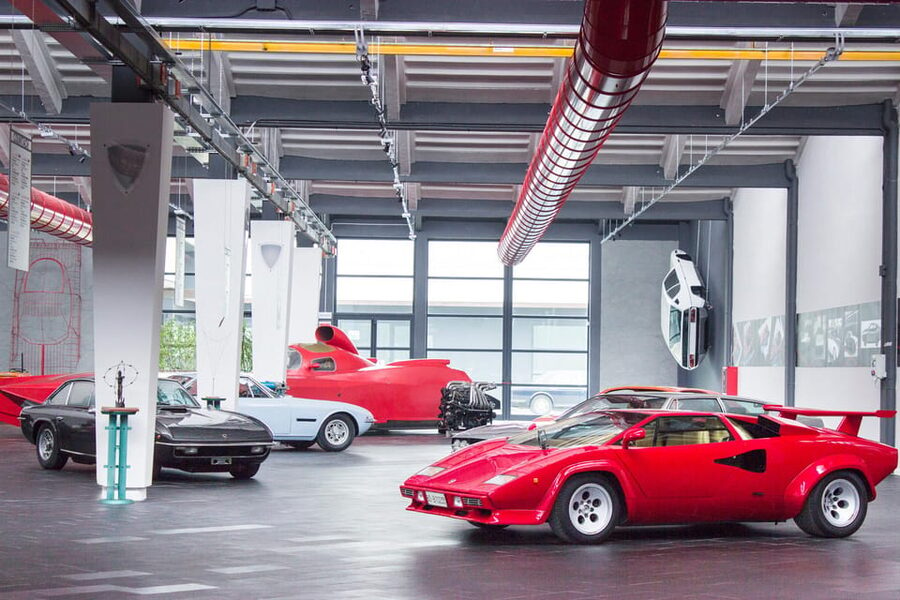
You can see Lamborghini’s evolution starting from the Carioca Tractor (1947), key vehicles from the 1950s–1970s, Ferruccio’s personal car collection (including the Miura SV and Espada), plus special items like a helicopter prototype and the Fast 45 Diablo Class 1 offshore boat.
How long should I plan for my visit?
The activity is valid for 1 day with a reserved time entry, but the exact visit length isn’t specified. Plan enough time to walk through the museum galleries and vehicle displays.