REVIEW · BEATENBERG
Beatenberg: Beatus Caves Entry Ticket with Museum
Book on GetYourGuide →Operated by Swiss Activities AG · Bookable on GetYourGuide
Cooler than expected, Beatus Caves pull you underground. Start at the Beatus Caves Museum, then follow a 1 km path through grottos and canyons under lights—while the cave air stays a steady 8 to 10°C.
I especially love how self-guided the experience feels once you’re inside. You’re not stuck in a rigid group pace, and the illuminated stalactites and stalagmites make every turn feel like a reveal. I also really like the museum setup: you begin with geology and research, then get more detail through an audio guide (English, French, German) and the free Saint Beatus app.
One possible consideration: expect a steep uphill start from public transport and plan for slippery cave flooring. Even though the cave route is walkable, the climb and the cave surfaces can be tough if you’re not used to hiking steps and slopes.
In This Review
- Key things to know before you go
- Beatus Caves in Beatenberg: why this cave visit feels special
- Start at the Beatus Caves Museum, then use the audio guide
- The walk inside: a 1 km route with illuminated formations and moving water
- Why the climb and views outside matter (Lake Thun makes it worth it)
- What to wear: shoes, layers, and staying steady on cave paths
- Museum + caves value for $26 in Swiss terms
- Timing, closures, and weather: when the caves might not open
- Who this is best for (and who should rethink it)
- Small extras: café breaks and the overall feel at the entrance
- Should you book Beatus Caves with the museum?
- FAQ
- How long is the cave route?
- What temperature should I expect inside the caves?
- Is the museum included with the ticket?
- Is the audio guide included, and what languages are available?
- Is there an app I can use before or during the visit?
- Do I need warm clothes?
- What should I wear for the walk?
- Can the caves close due to weather?
- Is it wheelchair accessible?
- Is there a cancellation policy?
Key things to know before you go
- Museum first, so the cave makes sense: geology and scientific research come before your walk
- A built-in audio guide in three languages: English, French, German
- Illuminated stalactites and stalagmites: the caves are lit for easy viewing
- Cold, constant cave temperatures: bring warm layers even in summer
- Mostly a walk-through experience: you follow a 1 km route at your own pace
Beatus Caves in Beatenberg: why this cave visit feels special
The Beatus Caves are one of Switzerland’s major cave systems, and what makes them fun isn’t just that they’re underground. It’s that you get context first. The museum explains the geology and the scientific work done here, so when you’re standing under illuminated formations later, you’re not just staring at rock—you’re seeing a story.
The vibe is part wonder, part science class, part nature walk. You’ll pass through grottos, canyons, and halls on a prepared route, and the lighting makes the shapes easy to notice without squinting into darkness. Add in the constant cool air (8 to 10°C), and the caves feel like a different world from the lake views outside.
And yes, it’s popular for a reason. The attraction is rated 4.6 out of 253 reviews, and that lines up with what you’ll notice on-site: people come for the caves, then end up staying for the museum and the atmosphere of the walk itself.
Start at the Beatus Caves Museum, then use the audio guide
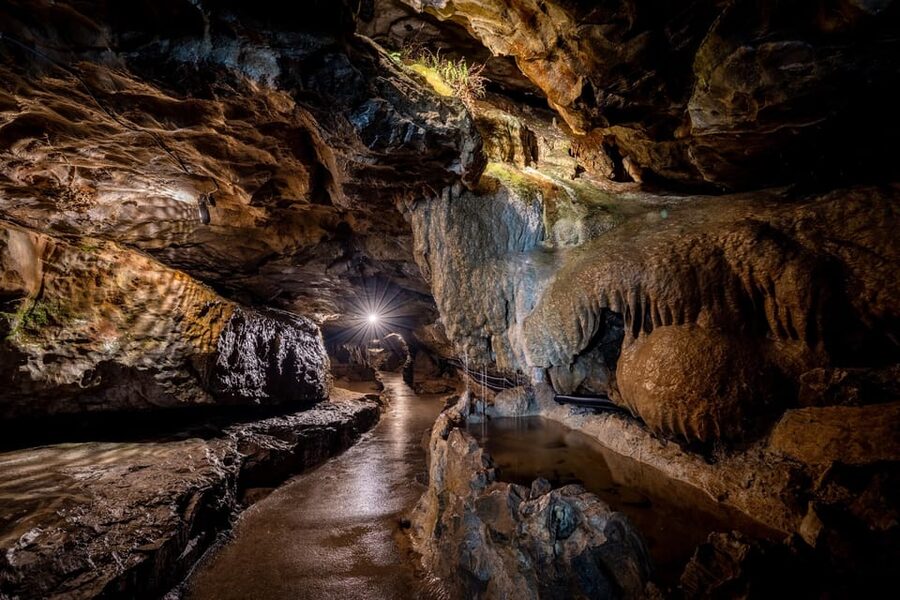
I like that the day starts with your brain switched on. Before you step onto the cave path, you visit the Beatus Caves Museum, where you learn about how the cave system forms and what research has been conducted there.
The audio guide is included, and it’s offered in English, French, and German. That matters because cave explanations work best when you can match the pace of the story to your own walking rhythm. You don’t have to guess what you’re looking at, and you don’t have to worry about missing key points while keeping up with other people.
If you want extra support, there’s also a free app called Saint Beatus. Even if you mostly stick to the museum exhibits and the in-cave audio, having the app option is useful—especially if you like to re-check details later when you’re thinking back on the visit.
My practical tip: if you’re the type who skims museums, slow down just enough to catch the big ideas about geology and cave formation. Once you’re underground, those themes will click quickly.
The walk inside: a 1 km route with illuminated formations and moving water
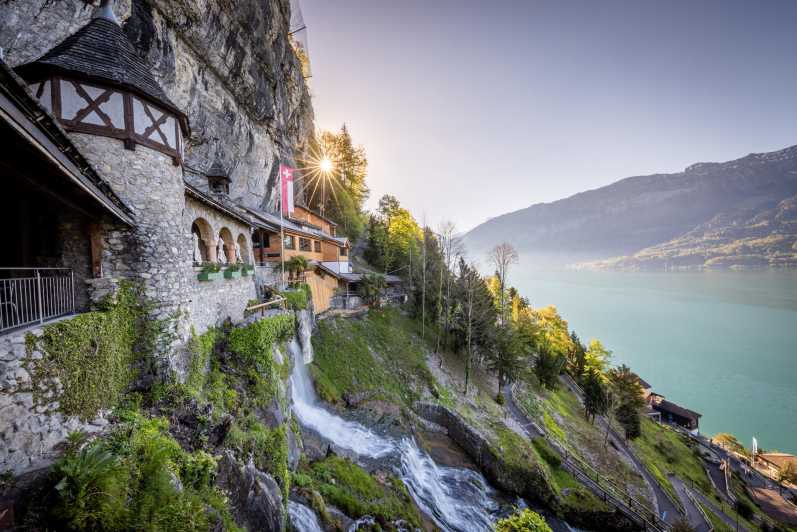
After the museum, you head into the caves and follow a 1 km-long path. This is not a short hallway experience. It’s a proper walk-through route where you’ll see more than one kind of space: grottos, canyons, and larger halls.
One of the highlights is the lighting. Stalactites and stalagmites are illuminated, so you can actually appreciate the shapes. Instead of relying on torch-style darkness, the cave lighting makes the formations readable—like the cave has been staged for your attention.
Then there’s the water. You’ll come across streams and waterfalls flowing through the caves. In a real cave system, water is always part of the action, and here you’ll feel it as much as see it. Many visitors notice the sound of flowing water as they walk, which adds to that unique atmosphere—half quiet wonder, half gentle white-noise background.
And remember the temperature. The cave stays 8 to 10°C, so even if it’s warm outside, you’ll want a jacket or layer you can tolerate for the whole walk. I’d treat this as a “bring warmth, no matter the season” situation.
Why the climb and views outside matter (Lake Thun makes it worth it)
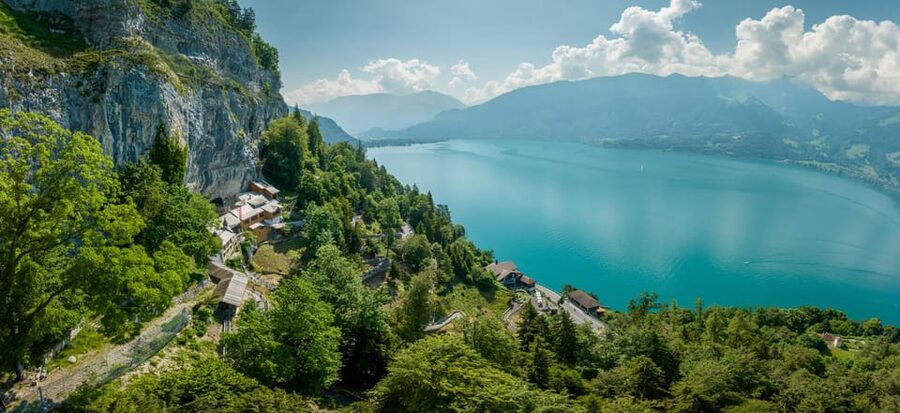
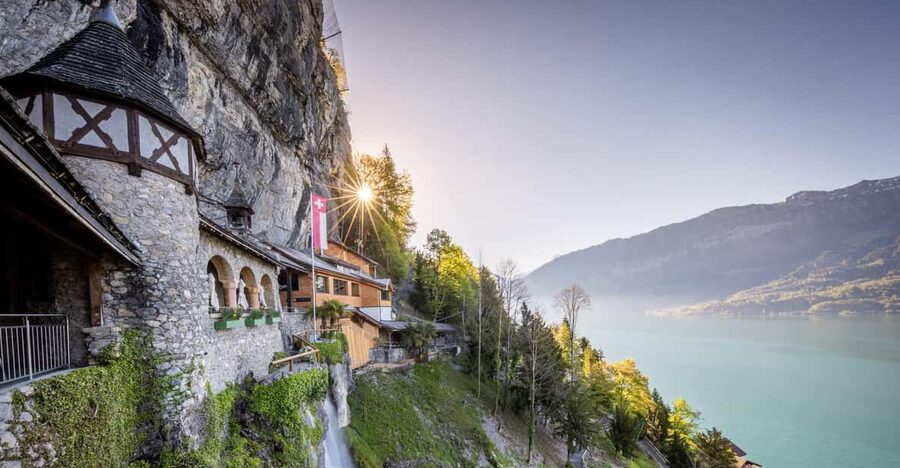
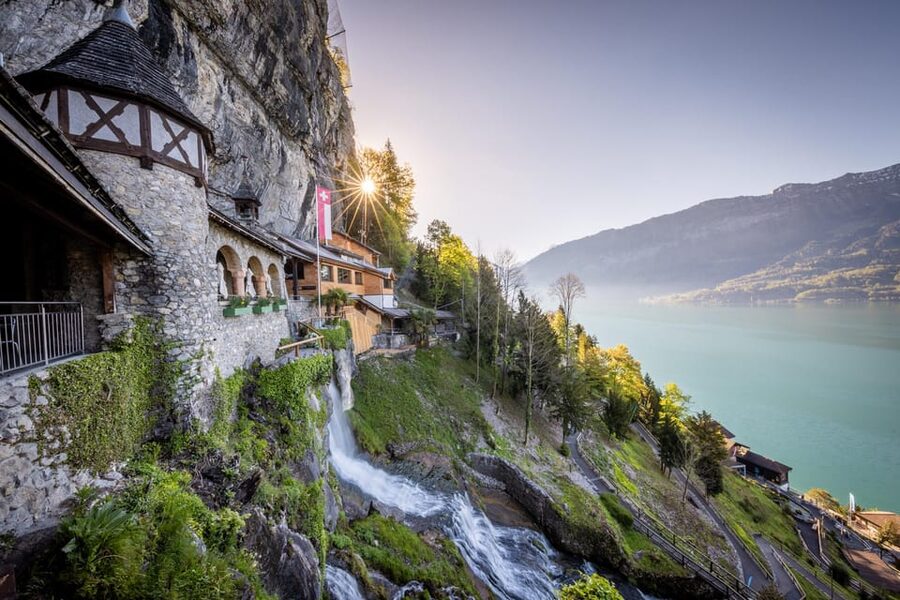
This is a cave trip, but it starts with a viewpoint reward. You take public transport to the area, then walk about 10 minutes uphill to the ticket counter/entrance.
If you’re coming from Interlaken, the route is simple. Reviews mention a short bus ride from Interlaken West (around 10 minutes in one account, about 22 minutes in another), and there may also be a boat option depending on connections. The key point for your planning: don’t assume it’s flat. There’s an uphill approach, and you’ll feel it before you even reach the caves.
What you get for that effort is the payoff views. People often point out mountain scenery, and several reviews call out Lake Thun views and the waterfall sighting near the route. Even if you’re not a big “lookout point” person, those glimpses make the whole day feel scenic rather than purely underground.
What to wear: shoes, layers, and staying steady on cave paths
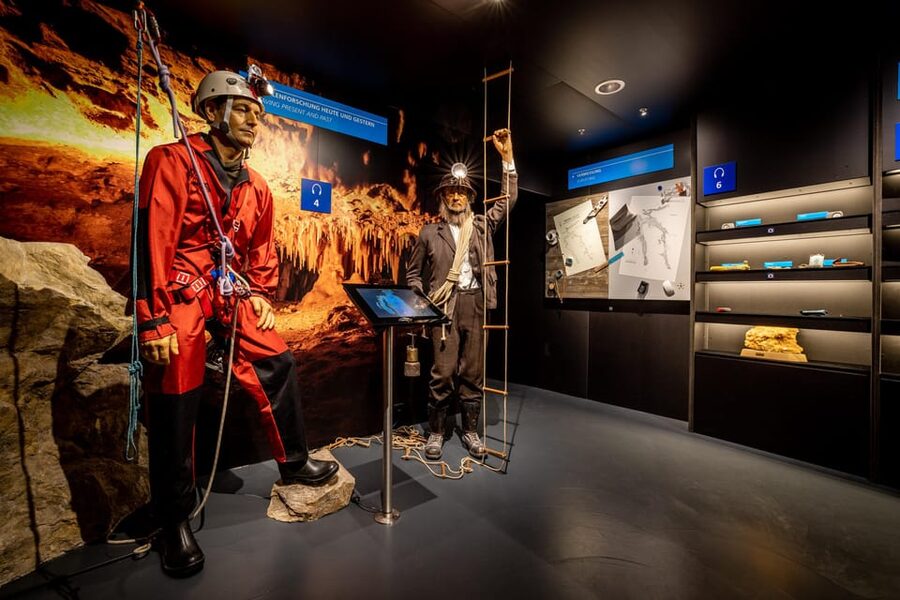
This is where your comfort choices directly affect how much you enjoy the visit.
You’ll want comfortable shoes. The cave pathways can be slippery, and at least part of the day is uphill before you even start. If you’ve got grippy soles and you’re used to uneven ground, you’ll feel calmer inside.
Bring warm clothing. The air drops quickly once you enter the caves. Since the temperature is consistently 8 to 10°C, you can’t “wait it out” with just a thin jacket. If you’re visiting in summer, treat this as a relief from heat—but you still need layers.
Also, mind your head in taller spots. That sounds small, but it’s exactly the kind of thing that turns an otherwise peaceful walk into a constant reflex. Pay attention to where you’re stepping and where the ceiling dips.
Museum + caves value for $26 in Swiss terms
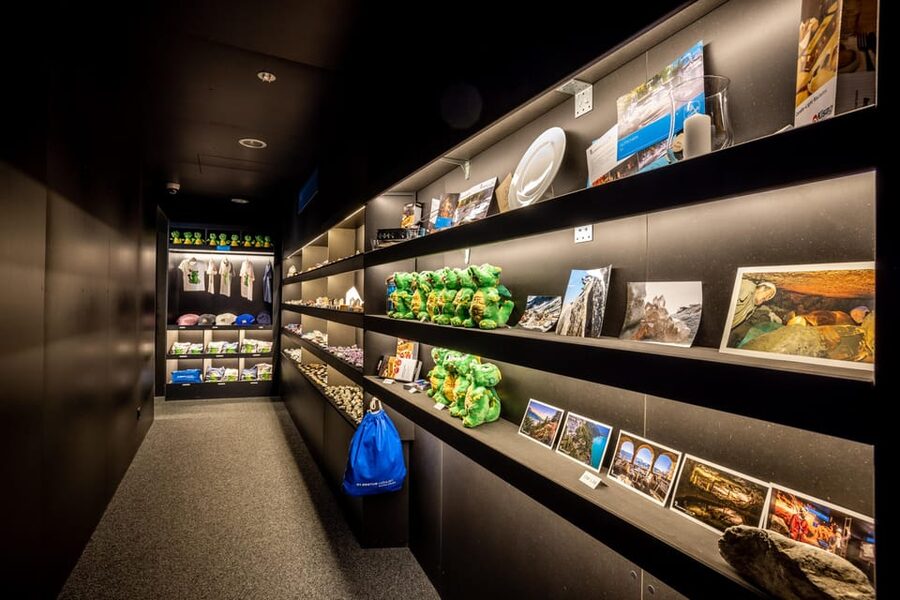
At about $26 per person, this is a pretty fair deal for Switzerland, especially because you’re getting more than one experience bundled into the ticket: the Beatus Caves ticket plus access to the Beatus Caves Museum, along with the audio guide and the Saint Beatus app.
What makes it good value is the flow. The museum isn’t just a waiting room for the cave; it sets you up to understand what you’ll see. Then the cave route gives you the payoff—lit formations, water sounds, and a walk that feels longer than people expect.
One review specifically called out that the experience felt longer than anticipated, which lines up with the 1 km walking route. Another noted it was well priced for Swiss standards and exceeded expectations. That usually happens when a site gives you substance: here, you’re not paying just for a quick attraction.
If you’re budgeting for a day that combines education, scenery, and a cool-temperature break from summer heat, this fits the bill.
Timing, closures, and weather: when the caves might not open
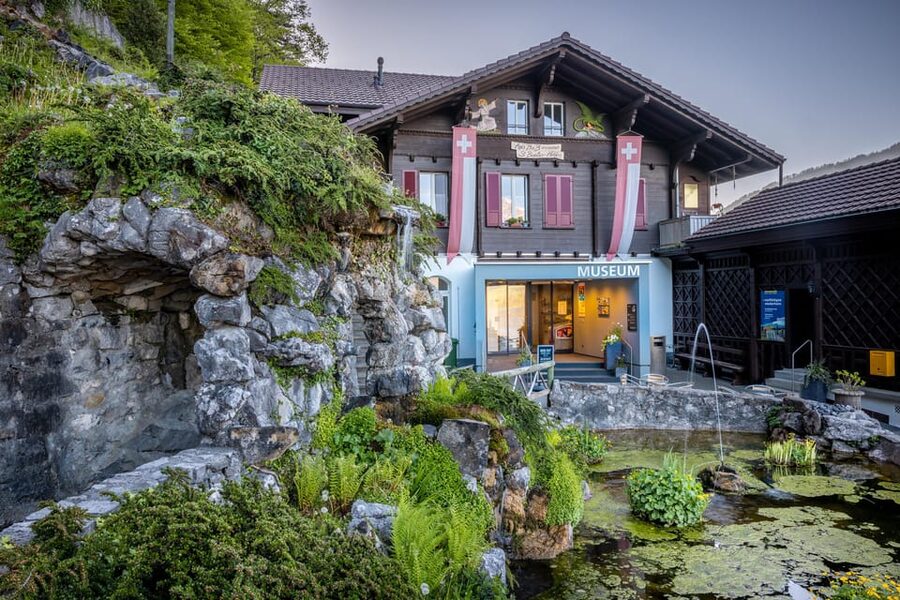
Caves can be weather-sensitive, and these sometimes close during heavy rainfall. That’s not unusual—water levels and safety conditions can change fast.
The good news is that you’ll see updates via opening hours on the official site listed in the info you’re given. If there’s a short-term closure, tickets are refunded. So your best move is to check opening hours before you head out, especially if your day depends on this one stop.
If you’re traveling in seasons with big storms, plan a bit of flexibility. Give yourself time to adjust your route if the caves can’t open that day.
Who this is best for (and who should rethink it)
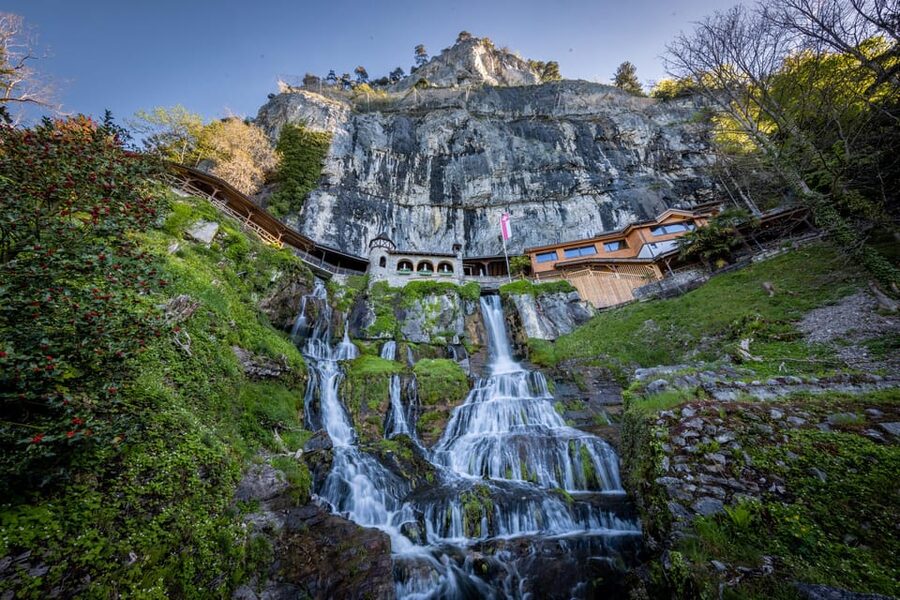
Beatus Caves with museum access is a strong fit if you like self-paced sights and you enjoy a practical blend of science and nature.
You’ll likely enjoy it if you:
- want a walk that’s scenic without needing strenuous climbing the whole time inside the cave
- like learning while you explore, not afterward in a book
- enjoy a cool indoor stop during warmer months
It’s also not a good fit if you need wheelchair access. The information provided says it’s not suitable for wheelchair users. Even with the cave being a prepared route, the accessibility limits are enough that you should look for alternative plans.
If you’re traveling with kids or teens, this tends to land well because the caves feel big and memorable, and the museum adds an educational angle without turning it into a classroom-only stop.
Small extras: café breaks and the overall feel at the entrance
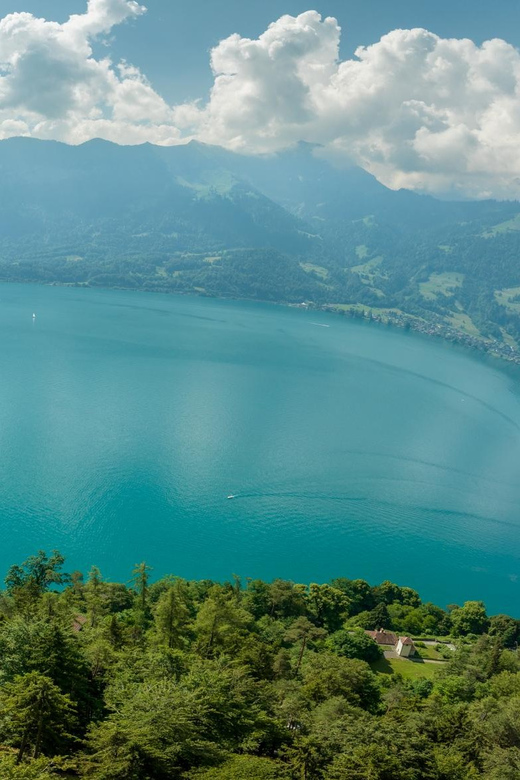
There’s a small café at the entrance/exit, and at least one review highlights cake with a view over Lake Thun. Even if you skip the full snack, this kind of stop matters because it gives you a reset before or after the walk.
Think of it as your buffer: you can warm up, refuel, and linger a bit while you take in the surrounding scenery.
Should you book Beatus Caves with the museum?
I’d book this if you want a single half-day style experience that feels complete: museum context first, then an atmospheric, lit walk underground. The ticket price feels reasonable for what you get, and the audio guide + in-cave route makes it easy to go at your own pace.
I’d hesitate if you have mobility challenges that make stairs or slippery walking difficult, since the approach is uphill and the cave paths can be slick. Also, if you’re arriving during a stormy stretch, build in a little flexibility and check opening hours before you commit your day.
If you’re visiting the Bern area and want something that’s both visually striking and genuinely informative, this is an easy yes.
FAQ
How long is the cave route?
The cave visit includes a 1-kilometer-long path through the caves.
What temperature should I expect inside the caves?
The temperature inside the caves is described as a constant 8 to 10 degrees Celsius.
Is the museum included with the ticket?
Yes. Your entry includes the Beatus Caves plus the Beatus Caves Museum ticket.
Is the audio guide included, and what languages are available?
Yes, an audio guide is included and it’s available in English, French, and German.
Is there an app I can use before or during the visit?
Yes. There’s a free app called Saint Beatus included with the experience.
Do I need warm clothes?
Yes. You’re advised to bring warm clothing because the caves are cool once you enter.
What should I wear for the walk?
Wear comfortable shoes. The cave pathways can be slippery, so sturdy footwear helps.
Can the caves close due to weather?
Yes. The caves are sometimes closed during heavy rainfall, and short-term closures can lead to refunded tickets.
Is it wheelchair accessible?
No. It’s listed as not suitable for wheelchair users.
Is there a cancellation policy?
There is free cancellation up to 24 hours in advance for a full refund, based on the information provided.