REVIEW · MUSEO D HISTORIA DE CATALUNYA
Barcelona: Skip-the-Line to History Museum of Catalonia
Book on GetYourGuide →Operated by Museu d'Història de CAT | Touristcheck · Bookable on GetYourGuide
Barcelona’s Catalonia history museum hits hard.
This skip-the-line ticket gets you into the Museu d’Història de Catalunya without wasting time, and it’s built around storytelling, not just objects. I love the way the museum connects past events to Catalan identity through interactive displays, films, and drawings, and I also love the payoff: a terrace with panoramic views you can enjoy the same day.
One thing to think about: this is a museum experience, so plan for a solid walking, reading, and standing mix. If you want a quick 45-minute stop, you’ll probably feel rushed.
In This Review
- Quick hits before you go
- The Museu d’Història de Catalunya: what you’re really signing up for
- Skip-the-line entry and planning your 1-day visit
- Entering the museum space: how the exhibits keep you oriented
- Permanent Exhibition: The Memory of a Country
- Temporary Exhibition until Oct 26, 2025: We AreThe Homosexual Movement during Spain’s Transition to Democracy (1976-1979)
- Films, interactive displays, and how the museum teaches without lecturing
- Terrace access and the 4th-floor views you shouldn’t skip
- Value check: $9 ticket, and what it doesn’t cover
- Practical tips: ID, luggage rules, and who will like this most
- Where to meet: getting to Plaça Pau Vila, 3
- Should you book this Catalonia history museum ticket?
- FAQ
- What is the meeting point for the History Museum of Catalonia ticket?
- How long is the experience?
- How much does it cost?
- What’s included with the ticket?
- Is an audio guide included?
- What about the restaurant and drinks?
- What are the museum opening hours?
- Do I need to bring an ID?
- Is the museum wheelchair accessible?
- Can I cancel for free?
Quick hits before you go

- Skip-the-line entry saves time at one of Barcelona’s more thematic history stops.
- The Memory of a Country is an interactive permanent exhibit that walks you through key eras and people.
- A focused temporary show (until Oct 26, 2025) highlights the homosexual movement during Spain’s transition to democracy (1976–1979).
- Terrace views look out over the Port, Montjuïc, and the city—perfect for a breather.
- 4th-floor restaurant and rooftop bar make it easy to turn the visit into a full half-day (or more).
- Hands-on elements (interactive backgrounds, films, and drawings) help the history land without feeling like a textbook.
The Museu d’Història de Catalunya: what you’re really signing up for
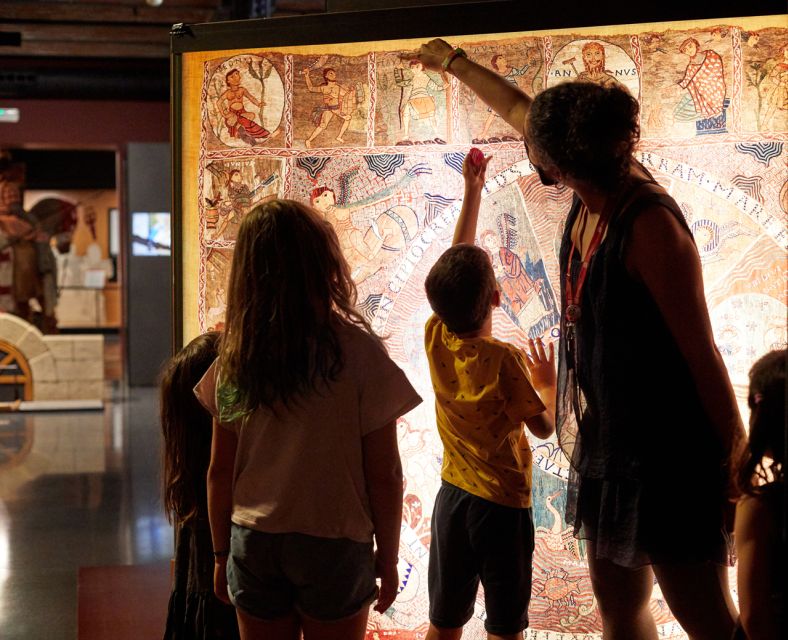
This isn’t the usual “look at artifacts and move on” museum. The History Museum of Catalonia is designed to preserve, exhibit, and promote Catalonia’s history through articles and stories—so you feel like you’re building an understanding, not just browsing rooms.
You’ll move through both a permanent exhibit and rotating presentations. The permanent side centers on The Memory of a Country, described as an interactive record of periods and characters that shaped Catalonia. Then you’ll add the temporary exhibition running until Oct 26, 2025: We AreThe Homosexual Movement during Spain’s Transition to Democracy (1976-1979).
Skip-the-line entry and planning your 1-day visit
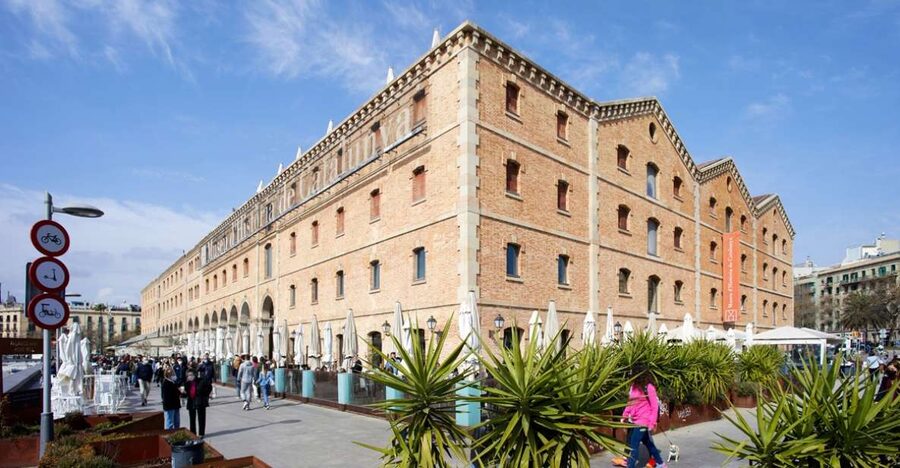
The ticket is priced at $9 per person and covers skip-the-line entrance plus the exhibits and terrace access. The duration is set as 1 day, but that doesn’t mean you’ll want to sprint. Most people will feel better planning for a longer museum rhythm: read, watch, look closely, then reset on the terrace.
Open hours matter because the museum closes on Monday. The schedule is:
- Tuesday to Saturday: 10:00 AM–7:00 PM
- Wednesday: 10:00 AM–8:00 PM
- Sunday & holidays: 10:00 AM–2:30 PM
If you want the terrace and the 4th-floor food break to feel relaxed, I’d aim to arrive earlier in the day—especially on weekends when you have fewer hours to play with.
Entering the museum space: how the exhibits keep you oriented
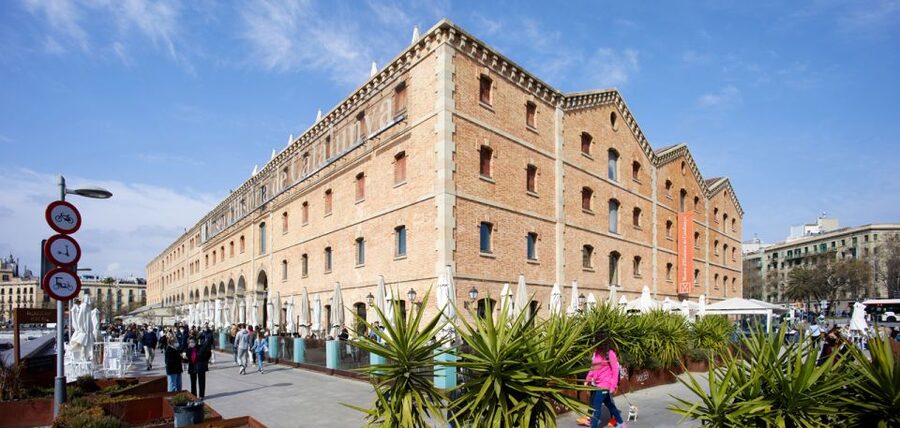
When you walk in, the museum’s approach is pretty clear: you’ll be guided through Catalonia’s history in a way that emphasizes interpretation and education. Instead of relying only on labels, the exhibits use interactive backgrounds, films, and drawings to help you picture context and connect ideas.
That matters because Catalonia’s story is tied to political change, social movements, and cultural identity. If you only skim text, you’ll miss the museum’s main trick: it keeps reintroducing cause-and-effect—how events shape people and how people shape history.
Permanent Exhibition: The Memory of a Country
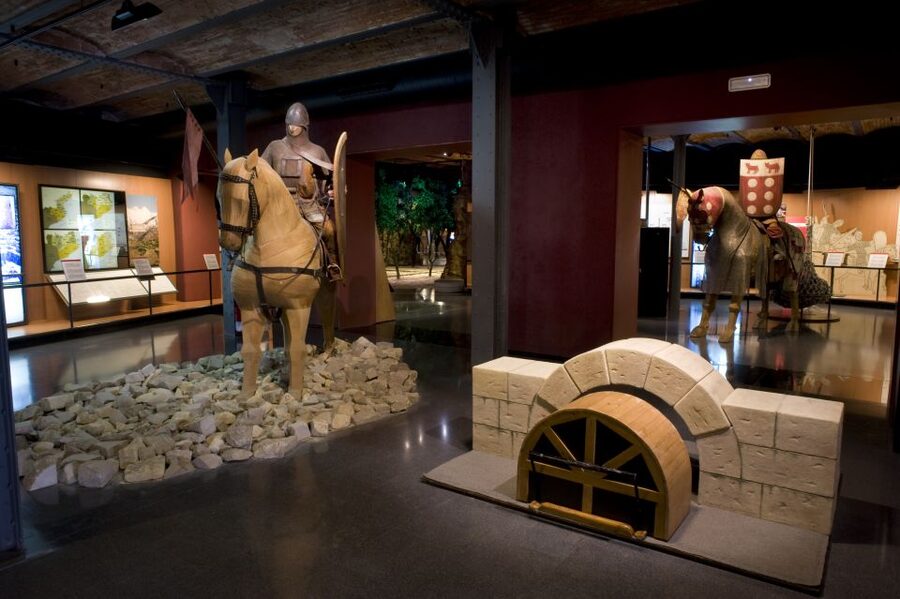
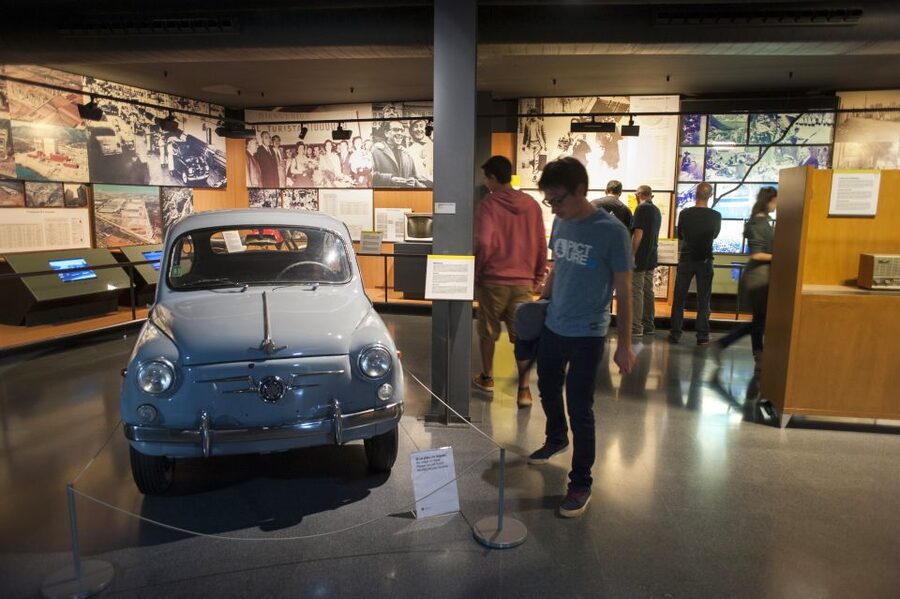
If you do only one core portion, make it The Memory of a Country. It’s presented as an interactive record of the periods and characters that have shaped Catalonia, so you can expect more than a linear walk-through.
What I like about this setup is the pacing. It doesn’t treat history as a list. It frames it as shifting eras and recurring themes, which makes it easier to connect what you see in one room to what’s happening in another. You’re essentially building a mental map of Catalonia through both time periods and the people who appear in the story.
And you’ll likely notice how the museum’s coverage spans big turning points. One visitor comment highlights how the museum outlines events from 1714 onward, and then moves through the Spanish Civil War (1936–39) era, showing pressure on Catalan identity across different periods. That kind of timeline framing is a good sign: the museum isn’t trying to be neutral in tone, but it is giving you structure.
Temporary Exhibition until Oct 26, 2025: We AreThe Homosexual Movement during Spain’s Transition to Democracy (1976-1979)
This is the part that adds sharp focus. The temporary exhibit explores the homosexual movement during Spain’s transition to democracy from 1976 to 1979. You’re not just seeing a general “social history” theme—you’re seeing a specific movement placed in a specific political window.
Why this works in a history museum: it makes the idea of transition feel real. Democracy isn’t only about elections and institutions; it’s also about who gets to live openly, organize, publish, and claim visibility. Even if you already know some of the era, a museum presentation like this can help you connect broader political shifts to lived experience.
If you prefer museums that take a point of view, this exhibition is likely to feel especially worthwhile.
Films, interactive displays, and how the museum teaches without lecturing
The museum uses interactive backgrounds, films, and drawings to inspire education and engagement. That combination is practical. The interactive elements help you slow down and process. The film segments help you catch nuance quickly. The drawing-based material can make complex ideas easier to hold onto.
You don’t need to be a “history person” to benefit—what you do need is a willingness to spend time reading and watching. Treat this as a half-day learning experience, not a grab-and-go photo stop.
Terrace access and the 4th-floor views you shouldn’t skip
Here’s the payoff that makes the museum feel like more than indoor viewing: you get access to the terrace for panoramic views. The museum experience includes the terrace, and it’s the natural place to reset your brain after absorbing a lot of context.
From there, you can look out toward:
- the Port
- Montjuïc Mountain
- the city
That matters because Catalonia’s history is often tied to place—ports, capitals, borders, and political centers. Stepping outside and seeing the modern skyline after the past helps the story stick.
And if you’re hungry or thirsty, the museum’s restaurant and rooftop bar on the fourth floor are a must-use feature. You can grab Mediterranean cuisine and a drink while you take in the views. Food isn’t included in your ticket price, but the option makes it easy to turn one museum stop into a smoother, longer outing.
Value check: $9 ticket, and what it doesn’t cover
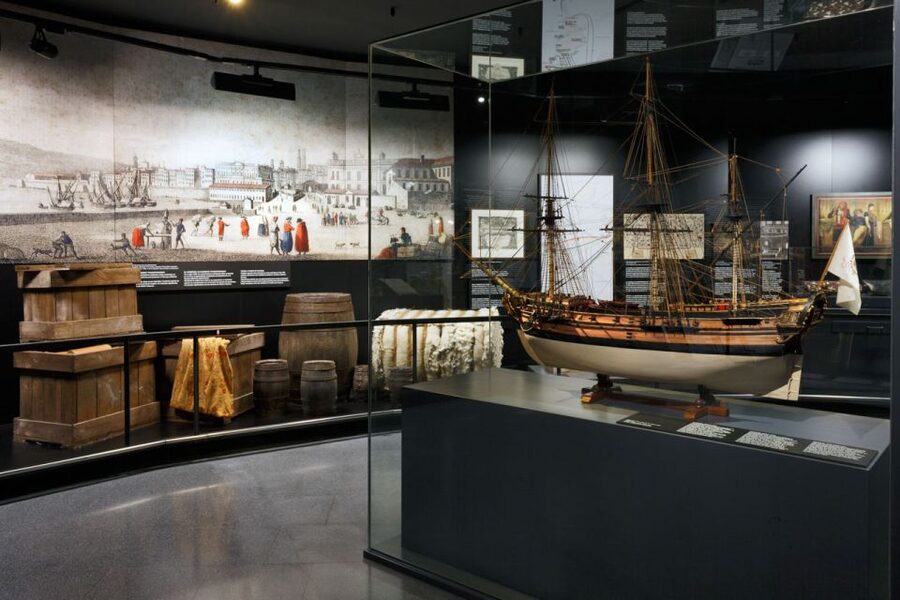
For $9 per person, the value is mostly about what you get: skip-the-line entrance plus permanent and temporary exhibitions and terrace access. That’s a lot for the price—especially in a city where “just entry” often costs more.
What’s not included is also clear:
- Audio guide
- Guide
- Food and drinks
You don’t need to panic about the missing audio guide, though. The museum relies on interactive and visual methods, plus brochures are included. Still, if you know you prefer spoken explanations, plan to budget separately for your own device-based research (or come prepared with questions you want answered).
Practical tips: ID, luggage rules, and who will like this most
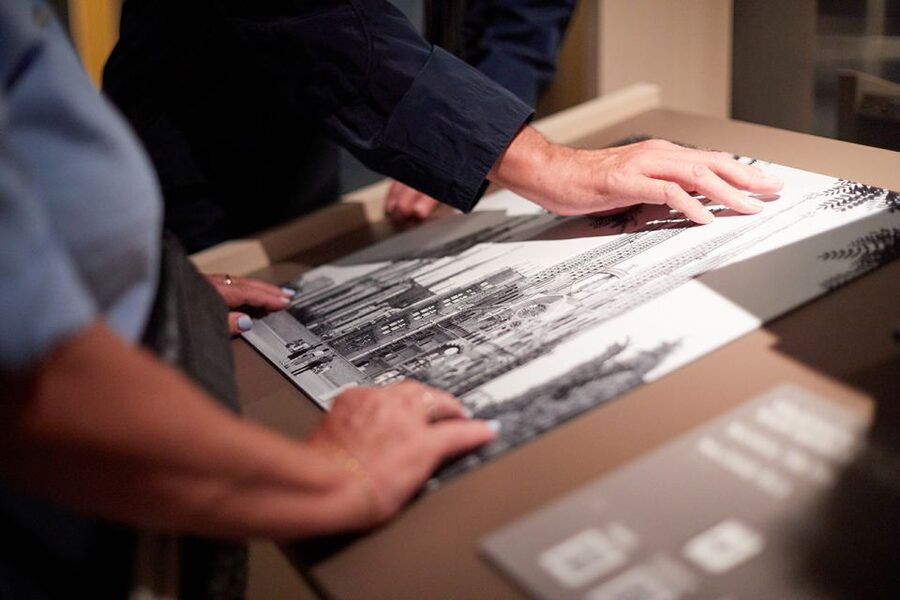
Before you go, bring your passport or ID card. The museum also has restrictions:
- Oversize luggage isn’t allowed
- Unaccompanied minors aren’t allowed
- Kids must be accompanied by an adult
This museum tends to work best for people who:
- enjoy museums that tell stories, not just display items
- want a Catalonia-specific lens (rather than Spain-only framing)
- like mixing learning with a views break (terrace + food option)
If you’re traveling with teens who ask questions, this is often a strong match. If you’re with very young kids, you can still go, but expect the need for patience because much of the museum’s value comes from reading and absorbing content.
Where to meet: getting to Plaça Pau Vila, 3
You’ll meet at Plaça Pau Vila, 3, 08039 Barcelona. It’s a straightforward meeting point, and the location makes sense if you’re already moving around central Barcelona on foot or by metro/bus.
Tip: give yourself a few extra minutes before your planned museum start time. Even with skip-the-line access, you’ll want time to settle in, check your belongings, and not rush your first rooms.
Should you book this Catalonia history museum ticket?
I’d book it if you want a Barcelona museum experience that feels specifically about Catalonia, not just general Spanish history. The combination of skip-the-line entry, a strong interactive permanent exhibit (The Memory of a Country), a timely temporary show (We AreThe Homosexual Movement during Spain’s Transition to Democracy (1976-1979) until Oct 26, 2025), and the terrace views makes this one of the more “complete” museum outings for your time.
Skip it if you dislike reading and prefer ultra-short sightseeing stops. This isn’t a two-room museum. It’s built for people who want context, images, and story connections—and then a break with views.
FAQ
What is the meeting point for the History Museum of Catalonia ticket?
The meeting point is Plaça Pau Vila, 3, 08039 Barcelona.
How long is the experience?
The ticket is valid for 1 day, and you can use it within the museum’s opening hours.
How much does it cost?
The price is $9 per person.
What’s included with the ticket?
You get skip-the-line entrance, access to the permanent and temporary exhibitions, terrace access for panoramic views, and brochures.
Is an audio guide included?
No. An audio guide is not included.
What about the restaurant and drinks?
Food and drinks are not included in the ticket. The museum has a restaurant and rooftop bar on the fourth floor.
What are the museum opening hours?
The museum is open:
- Tuesday to Saturday: 10:00 AM–7:00 PM
- Wednesday: 10:00 AM–8:00 PM
- Sunday & holidays: 10:00 AM–2:30 PM
- Monday: closed
Do I need to bring an ID?
Yes. Bring your passport or ID card.
Is the museum wheelchair accessible?
Yes. It is wheelchair accessible.
Can I cancel for free?
Yes. There is free cancellation up to 24 hours in advance for a full refund, and you can reserve now & pay later.