
REVIEW · HET SCHEEPVAARTMUSEUM
Amsterdam: National Maritime Museum Skip-the-Line Ticket
Book on GetYourGuide →Operated by The National Maritime Museum · Bookable on GetYourGuide
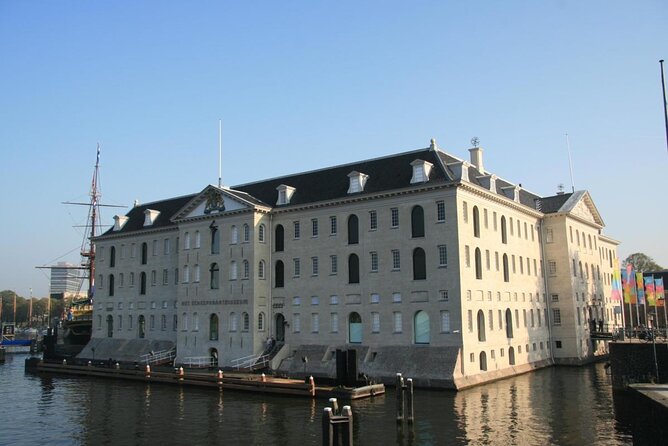
A great museum day starts with less waiting. This skip-the-line ticket gets you into the National Maritime Museum’s waterfront world of ships, maps, and sea history inside a 1656 Arsenal building. It’s the kind of place where you can look at art and instruments, then climb aboard a full-scale ship replica.
I really like two things right away: the replica 18th-century ship Amsterdam (you can walk the decks and get into the spaces) and the VR trip that turns Dutch Golden Age harbor life into something you can experience, not just read about.
One caution: the museum is big, and it closes at 5:00 PM, so planning your time matters if you don’t want to feel rushed.
In This Review
- Key things you’ll remember
- Getting into the National Maritime Museum fast (and where the day starts)
- The covered courtyard in the 1656 Arsenal building
- The star attraction: walking the replica VOC ship Amsterdam
- Maps, navigation tools, and sea charts: why this museum feels practical
- VR ride over the city: Dutch Golden Age harbor life in your hands
- Interactive exhibitions and family-friendly sea life
- How to plan your one-day visit without feeling rushed
- Audio guide in 11 languages: the easiest way to make it coherent
- Price and value: is $24 worth it?
- Who this ticket suits best
- Should you book the skip-the-line ticket?
- FAQ
- What’s included in the Amsterdam National Maritime Museum skip-the-line ticket?
- Is there a virtual reality experience at the museum?
- What languages is the audio guide available in?
- Is the museum wheelchair accessible?
- Where is the meeting point?
- Can I cancel and get a refund?
Key things you’ll remember
- Step onto the VOC East Indiaman Amsterdam, including areas like cabins and the captain’s quarters
- VR for the Dutch Golden Age, designed to show what the harbor felt like in the early 1600s
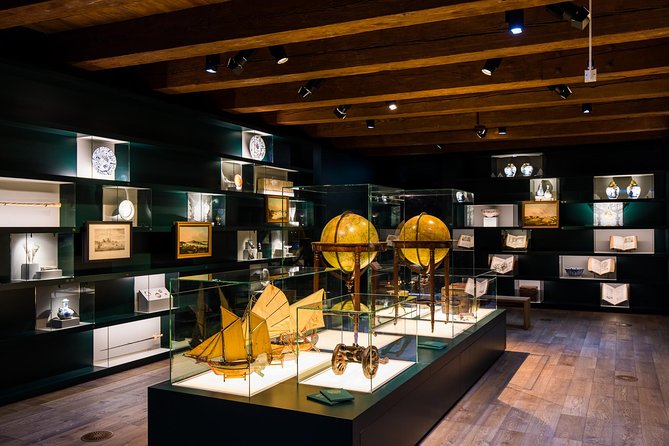
- World-class maritime displays: navigation instruments, sea charts, ship models, paintings, and map making
- Family-friendly, hands-on areas, with exhibitions designed for (young) kids
- A covered inner courtyard inside the historic Arsenal building from 1656
Getting into the National Maritime Museum fast (and where the day starts)
This is a one-day ticket that’s mainly about saving time. The National Maritime Museum sits in the Arsenal, a former storehouse of the Admiralty built in 1656. The setting matters because you’re not just entering a gallery—you’re walking into a historic shipyard-adjacent shell that already feels like part of the story.
Your experience starts at the meeting point listed as Hetscheepvaartmuseum, Kattenburgerplein 1, 1018 KK Amsterdam. From there, you’ll head into the museum area where the skip-the-line entry helps you avoid the slow shuffle before you even begin exploring.
A practical tip: the museum’s open courtyard is free to visit daily from 10:00 AM–5:00 PM. So even if you arrive early, you can still get your bearings in the building while you wait for your ticket entry rhythm.
The covered courtyard in the 1656 Arsenal building
Before you even reach the major exhibits, take a minute with the architecture. The museum’s design repeats an old nautical map line-for-line, and the interior courtyard sits under a glass roof. That combination—historic stone geometry plus sky-like light—creates a space that makes the museum feel both grounded and airy.
If you’re traveling with kids, this courtyard is a good “breathing spot.” It’s easier to reset when you’re inside a controlled space rather than constantly moving between rooms and exhibits. For adults, it’s also a helpful way to slow down: maritime history isn’t just objects on walls; it’s a built environment tied to navigation, storage, and shipping.
The star attraction: walking the replica VOC ship Amsterdam

If you only do one main thing, make it the ship replica. The museum lets you board the replica 1749 VOC East Indiaman ship named Amsterdam. This is one of those experiences where you quickly understand that maritime museums work best when they let you use your senses.
What you can do aboard matters. You can explore decks and spaces in the ship, squeeze into the captain’s quarters, and experience a few interactive elements like firing a cannon or hanging out in a sailor’s hammock. You also get a sense of scale: the bow area is accessible, and there’s enough room to walk around without feeling like you’re moving through a model diorama.
Two ways this ship helps you as a visitor:
- You connect objects to life. When you see things like carvings and figureheads, your brain links them to the people who lived with them every day.
- You get context fast. The ship makes the history feel physical—stairs, compartments, and the feeling of being surrounded by maritime design choices.
The downside is simple: ship areas can take more time than you expect. If you’re aiming for a tight schedule, still plan for extra minutes here. It’s popular, and there’s a lot to look at.
Maps, navigation tools, and sea charts: why this museum feels practical
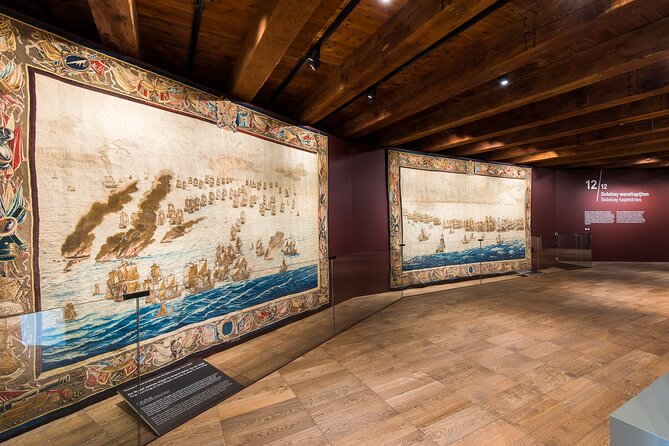
The National Maritime Museum doesn’t treat maritime history like a dusty textbook. You’ll see a huge collection that includes paintings, ship models, navigation instruments, and sea charts. You can also focus on map-related learning—one highlight people love is the history of map making, which ties navigation to empire, trade, and risk.
One detail I appreciate is how the collection connects tools to outcomes. Navigation instruments weren’t made for decoration—they mattered for where a ship could go and how safely it could return. When you’re standing in front of those objects, you start to understand why maps were power.
Also pay attention to the way the museum handles hard topics. The audio guide and exhibits cover Dutch roles in trade and also the uncomfortable side of colonization and slave trade. It’s not presented as a simple victory story, and the museum balances maritime achievement with modern perspectives. That makes the visit feel more honest—and frankly more useful.
VR ride over the city: Dutch Golden Age harbor life in your hands

The museum includes a virtual reality journey designed to show Amsterdam during the Dutch Golden Age. Instead of only pointing at a map or telling you the harbor was busy, VR gives you a moving perspective that helps you visualize how the city worked as a shipping hub.
This is the part that tends to work for different ages. Kids get the “wow,” adults get the spatial context, and everyone gets a shared reference point for later galleries. If you’re the type who likes understanding a place through visuals first, start here or schedule it before you get too deep into the static exhibits.
One scheduling note: VR sessions can eat time. Even if the technology itself is quick, you’ll spend longer waiting or watching than you think. Build a buffer so you don’t feel behind after the ship and then miss key galleries.
Interactive exhibitions and family-friendly sea life
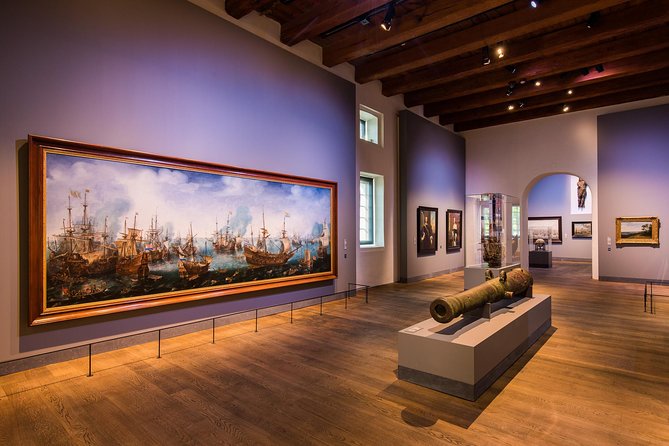
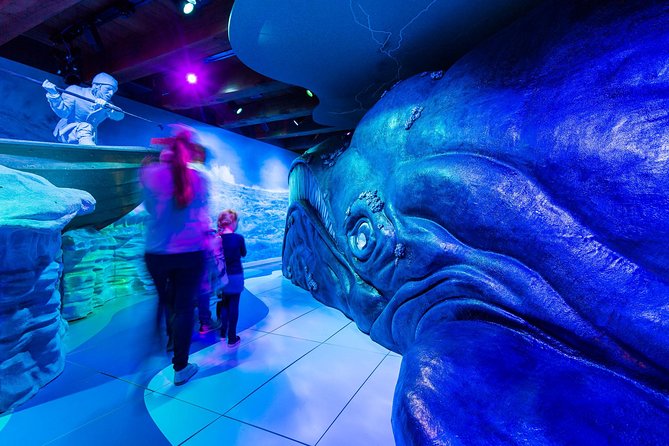
Not every room is about standing still. There are interactive exhibitions and activities for the whole family, and some are specially designed for (young) children. This is great if you’re traveling with kids because you don’t have to fight for attention every five minutes.
A few examples from what you’ll encounter in the museum experience:
- interactive displays with audio and screen elements
- activities down in ship-related areas (especially kid-friendly sections tied to ship life)
- hands-on-style ways to learn, not just read panels
Adults benefit too. Interactive parts help you slow down and “read” the objects with your hands and ears instead of just your eyes. It’s also a good strategy if you’re visiting with mixed ages or different interests.
If you like variety, you’ll probably also notice the museum linking historical maritime life to modern themes, including sea exploration narratives. People often point to exhibits like Shadows of the Atlantic, and to modern sea life moments such as a solo around-the-world sailing trip. That contrast is a smart way to keep the museum from feeling stuck in the past.
How to plan your one-day visit without feeling rushed
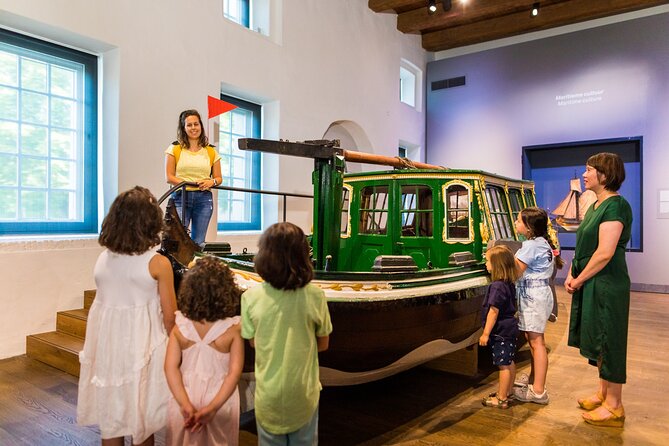
This ticket is valid for one day, but that doesn’t mean you should treat it like a quick “hit-and-run.” With a ship replica, VR, and large collections, you’ll want a real chunk of time.
Here’s a sensible flow I recommend:
1) Start with the building experience
Begin by getting oriented in the Arsenal space and courtyard. If you arrive early, use the courtyard time so you’re not standing around later.
2) Go straight to the ship replica Amsterdam
Do the ship before you get tired. Ship exploration tends to be more physically engaging, and you’ll appreciate it more while your energy is high.
3) Use VR next (or mid-day)
If you want the harbor visuals to guide your thinking, do VR before the deeper galleries. If you’re already full of information, do VR mid-day as a reset.
4) Finish with the collection galleries
Then circle back to navigation tools, sea charts, and art. By this point, you’ll understand the “why” behind the objects more clearly.
Don’t try to conquer every corner. The museum is set up so you can follow your curiosity—maps, instruments, ship life, or the social history angle.
Also: since the museum is open 10:00 AM–5:00 PM, keep your last major stop earlier than you think you need. Closing time can sneak up, especially if you’re photographing carvings, figureheads, and deck details.
Audio guide in 11 languages: the easiest way to make it coherent
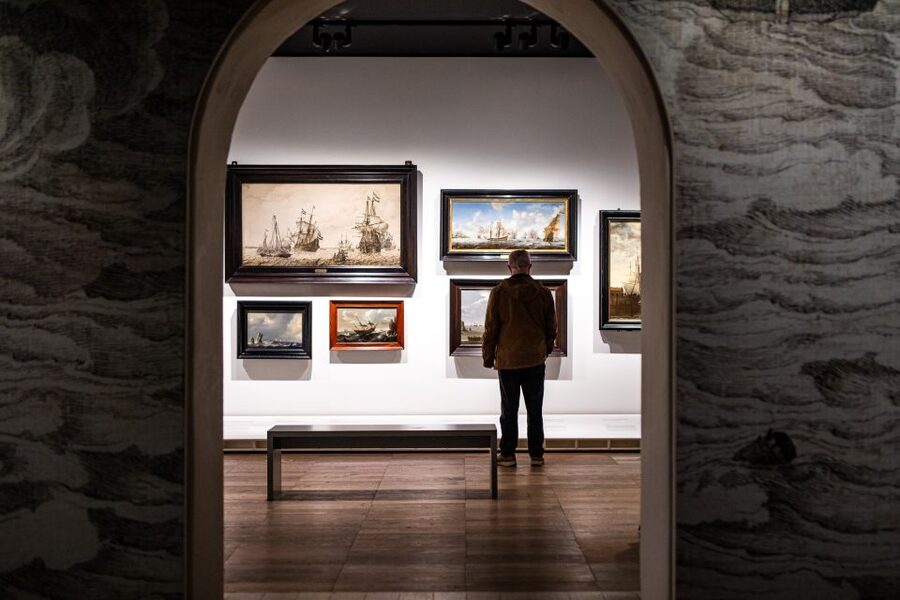
The ticket includes an audio tour in 11 languages: Spanish, Chinese, Dutch, English, French, German, Italian, Japanese, Korean, Portuguese, and Russian. That’s a big deal because the museum is packed with details, and you’ll get more out of the day if the objects “talk back” through audio.
There’s also a free 60-minute audio tour you can use to connect stories behind the finest objects. In practice, that’s helpful because it turns a collection into a narrative. Even if you don’t listen the entire time, using the guide for the toughest-to-read sections helps you avoid the trap of collecting random facts without meaning.
If you’re traveling with someone who likes different things, audio guides can also work like a safety net. You’ll move at your own pace but still land on the major story beats.
Price and value: is $24 worth it?

At about $24 per person, this ticket can be a strong value because it bundles three big components that cost time and energy to arrange separately:
- entrance to the National Maritime Museum
- boarding the replica ship Amsterdam
- an audio guide in 11 languages
Skip-the-line is the other hidden value. If you’ve ever visited a major museum in peak hours, you know that waiting can steal your best part of the day. Here, you’re paying to spend more of that energy inside the exhibits instead of in line.
The only reason price feels “not worth it” is if you want a fast, surface-level museum visit. This is the kind of place where the best experience comes from slowing down—ship decks, instruments, and the VR moment all need real attention.
Who this ticket suits best
This is a good fit if you:
- love ships, maps, and maritime history—especially Dutch sea trade and the world of VOC-era voyages
- want a family-friendly museum day with interactive elements
- prefer structured learning through an audio guide rather than a full guided tour
It’s also a solid choice for people who like history with a modern ethical lens. The museum’s approach includes difficult topics like colonization and slave trade, and that balance tends to make the visit feel grounded rather than one-sided.
If you’re in Amsterdam for a short time and want one big museum anchor, this can work well—but I’d still plan for the full day window.
Should you book the skip-the-line ticket?
Yes, I think you should book it if you want a high-impact maritime museum day with minimal friction. The ship replica Amsterdam plus VR plus an 11-language audio guide is a winning mix, and the historic Arsenal setting makes it feel more like a place than a building.
Skip it only if you’re sure you don’t have time for a larger museum visit, or if you’re only interested in quick photo stops. For anyone who enjoys learning by seeing and doing—especially on ship decks—this ticket is an efficient way to get your money’s worth in one day.
FAQ
What’s included in the Amsterdam National Maritime Museum skip-the-line ticket?
Your ticket includes entrance to the National Maritime Museum, a visit to the replica ship Amsterdam (an 18th-century VOC East Indiaman), and an audio tour available in 11 languages.
Is there a virtual reality experience at the museum?
Yes. The experience includes a virtual reality journey that lets you see Amsterdam as it was in the Dutch Golden Age.
What languages is the audio guide available in?
The audio guide is available in Spanish, Chinese, Dutch, English, French, German, Italian, Japanese, Korean, Portuguese, and Russian.
Is the museum wheelchair accessible?
Yes, the museum is wheelchair accessible.
Where is the meeting point?
The meeting point is Hetscheepvaartmuseum, Kattenburgerplein 1, 1018 KK Amsterdam.
Can I cancel and get a refund?
You can cancel up to 24 hours in advance for a full refund. You can also reserve now and pay later.