REVIEW · 911 GROUND ZERO MUSEUM WORKSHOP
9/11 Museum Workshop: 100 Images and Artifacts “Hands-On”
Book on GetYourGuide →Operated by 9/11 Museum Workshop Tour · Bookable on GetYourGuide
Some places rush you. This one slows you down. In Manhattan’s Meatpacking District, the 9/11 Museum Workshop: 100 Images and Artifacts Hands-On turns the aftermath of 9/11 into a focused, family-friendly audio walk with rare photos, real artifacts you can hold, and a short film to set the tone. I especially like the 100 Bose audio stories that guide you through images and recovered items without treating the subject like a checklist. One thing to consider: the setting is small and can be a little tricky to find, since it’s not located at the World Trade Center site.
What I come away valuing most is how personal the presentation feels. You’re guided through the story using the work of Gary Marlon Suson, the official Ground Zero photographer with full round-the-clock access, and you get to experience a side of the recovery that’s usually out of frame. The main drawback is practical rather than emotional: no video recording is allowed, and cameras are also restricted, so you’ll want to be okay with using your eyes (and your phone only for photos if allowed) rather than capturing everything.
In This Review
- Key things to know before you go
- Why this 90-minute 9/11 workshop feels personal
- Getting to the Meatpacking District: not at Ground Zero
- The Bose audio tour with 100 stories (and Gary Marlon Suson’s photos)
- The 12-minute film: setting tone before you start listening
- Hands-on artifacts: holding recovered items changes the way you see them
- Cameras, video rules, and what you can still capture
- Emotional tone and family timing (how to prepare without scaring kids)
- Price and value: $36 for depth, audio, and hands-on access
- Should you book the 9/11 Museum Workshop: 100 Images + Artifacts Hands-On?
- FAQ
- FAQ
- How long is the 9/11 Museum Workshop: 100 Images + Artifacts Hands-On?
- Where is this workshop located, and what subway stops help?
- What’s included with the ticket?
- What languages are available for the audio tour?
- Are cameras or video recording allowed?
- Is the workshop wheelchair accessible?
Key things to know before you go
- 100 Bose audio stories are delivered via a headset/wand, making the visit self-paced but never aimless
- Photos and artifacts are tied to the recovery work, not just the day itself
- You’ll see rare images connected to Gary Marlon Suson, the official photographer at Ground Zero
- A short 12-minute film sets context before you begin the audio tour
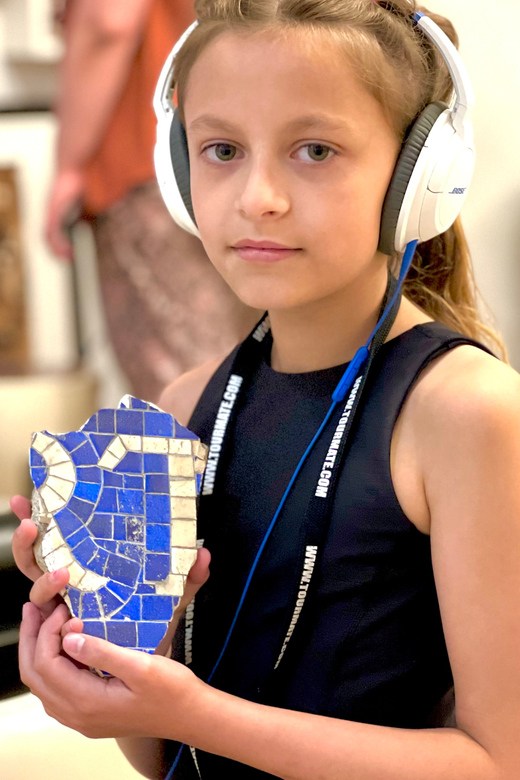
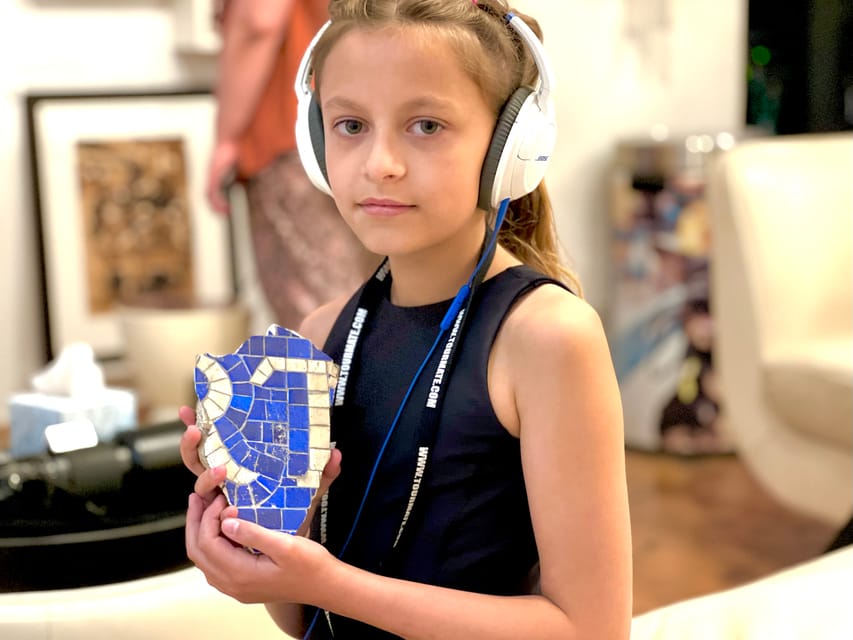
- The hands-on part is real: you’re allowed to hold recovered artifacts (like window glass and steel pieces)
- It’s in the Meatpacking District, not at the World Trade Center, so plan transit accordingly
Why this 90-minute 9/11 workshop feels personal
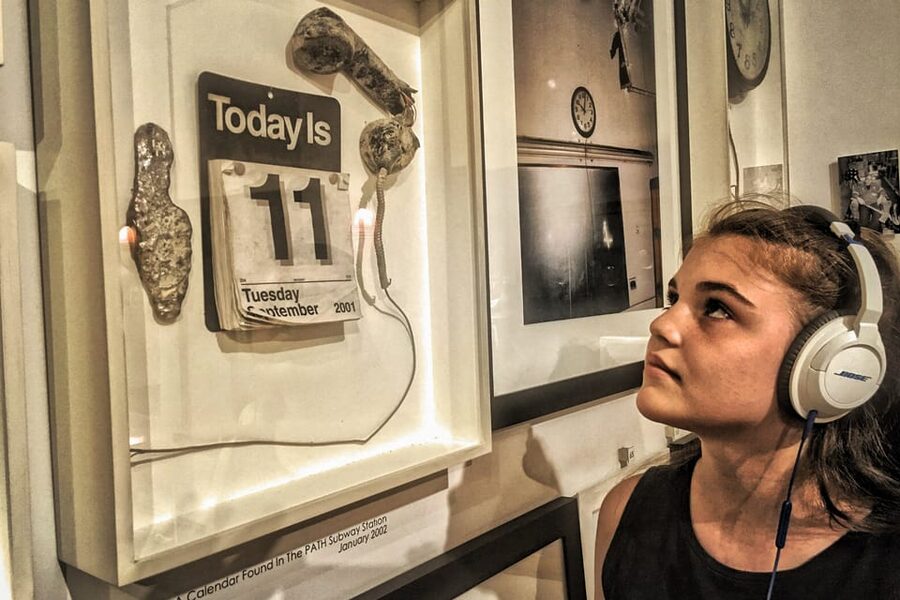
This isn’t a giant memorial hall. It’s a compact, guided museum workshop built around a simple idea: when you hear the story while you look at the photo or artifact, the details stick—and the meaning lands with more weight.
The visit is timed at about 90 minutes, which matters because it keeps the experience concentrated. Instead of sprinting through a long exhibit, you get a tight sequence: a quick film, then the audio walk, and then time to look closer. If you’re visiting New York for multiple stops and you’re worried about fatigue, this length is a strong advantage. If you have kids, it’s also easier to manage attention when the visit feels like one continuous story rather than a museum marathon.
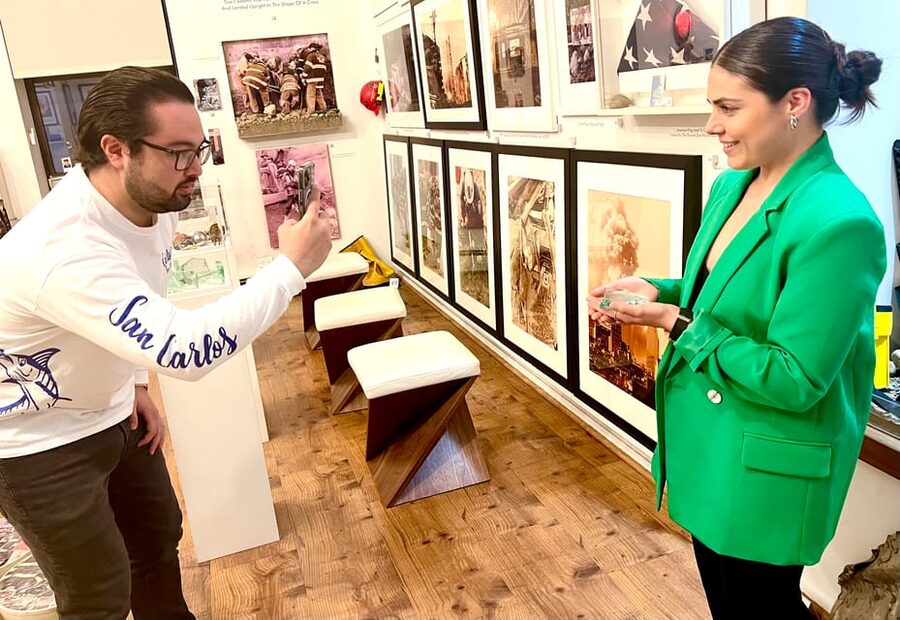
The “hands-on” part is also more than a gimmick. Being allowed to hold recovered items—like pieces associated with the recovery and even rare window glass and steel from the World Trade Center—turns distance into something more human. You’re not just learning that debris existed. You’re encountering the material reality of it.
Getting to the Meatpacking District: not at Ground Zero
This museum workshop is in Manhattan’s Meatpacking District, and that’s an important planning detail. It is not located at the World Trade Center itself. So if you’re used to mapping everything around the memorial area, take a moment to reset your mental geography.
Transit-wise, it’s accessible via the A, C, or E train to 14th Street, and the 1/2/3 to 14th Street as well. From there, you’ll finish the last part on foot. If you want the day to stay calm, I suggest giving yourself a little extra buffer before the start time, since the location is described as being in a more typical building setting. One helpful approach: once you’re near 14th Street, rely on your navigation app and don’t wait until the last second if you’re unsure.
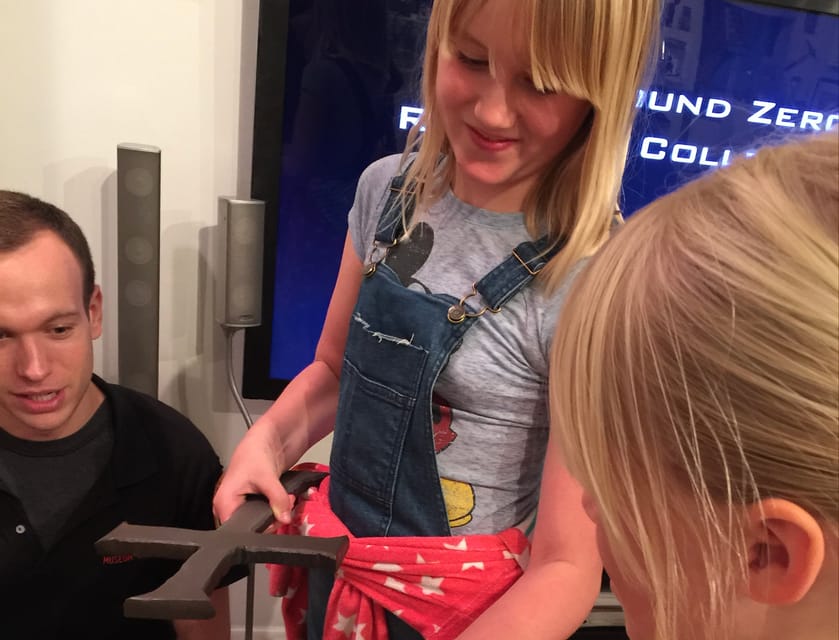
Also worth noting: the workshop includes an on-site guide who can answer questions. That’s useful because a standalone audio tour can sometimes feel like you’re guessing. Here, you can check in when the story raises questions—especially around what the artifacts represent.
The Bose audio tour with 100 stories (and Gary Marlon Suson’s photos)
The core of the experience is the Bose audio system. You’ll get a headset for the tour, and the narration is built around 100 specific stories tied to images and artifacts.
What makes this effective is the pairing of senses. You’re not just reading labels; you’re hearing context as you look. That can keep the visit respectful and steady, especially if the images and subject matter feel intense. Many people find that listening lets you process in a slower way than scrolling or skimming. And for families, audio is simply easier than long text for younger visitors.
A standout element is the presence of rare imagery connected to Gary Marlon Suson, the official photographer at Ground Zero. He was allowed full, round-the-clock access to every area, including dangerous subway tunnels below Ground Zero. You see why that detail matters: it explains how certain photographs could exist at all, and it frames the visual record as something created under extraordinary, controlled access.
You also learn about the nine-month dig for missing victims through the way the photos and artifacts are presented. That is a big difference from many “day-of” narratives. Instead of ending at the moment the event happened, the tour continues into the long, careful recovery work that followed.
The 12-minute film: setting tone before you start listening
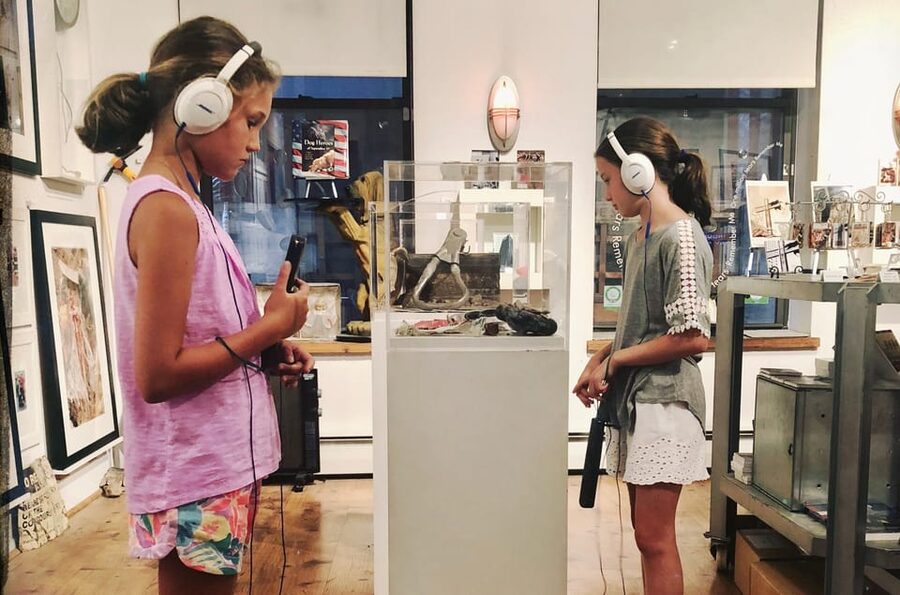
Before you put on the headset and start the audio path, you’ll watch a 12-minute film on a large screen. This is a smart pacing choice. It helps you build a foundation quickly, so the audio tour doesn’t feel like you’re catching up on basics while you’re already emotionally invested.
If you’re going with kids, this film can be the bridge that prepares them for what they’ll hear afterward. If you’re going as an adult who wants depth, it helps you recognize why certain photographs were taken, and why recovered items matter.
Practical tip: treat the film like the start of the story, not like background noise. Pay attention to names and themes you hear. When the headset begins, those cues make the audio sections easier to follow.
Hands-on artifacts: holding recovered items changes the way you see them
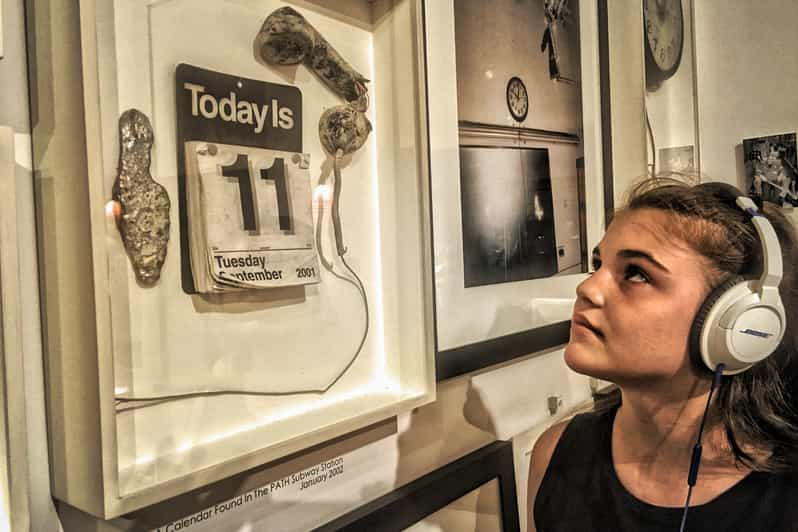
The “Hands-On” title isn’t casual here. You’re allowed to pick up and hold artifacts representing the 9-month recovery efforts in Lower Manhattan. The tour also includes rare pieces of window glass and steel from the World Trade Center.
That physical element is one of the most powerful reasons to choose this workshop over a purely visual exhibit. When you hold an object, you start thinking differently. You’re no longer just imagining what debris looked like. You’re dealing with a real, recovered piece of material history—and you’re experiencing how fragile it all seems.
The tour is careful about giving meaning to what you’re touching. You’ll receive an audio guide (described like an audio wand) that tells you a different piece of the story behind the recovery efforts as you move through the exhibit. So the hands-on portion doesn’t float in isolation. It’s linked to narration about what was found and what it represented.
This is also where you’ll feel the workshop’s emphasis on dignity. The subject is heartbreaking, but the framing is respectful: you’re encouraged to learn and listen, not to stare for shock value.
Cameras, video rules, and what you can still capture
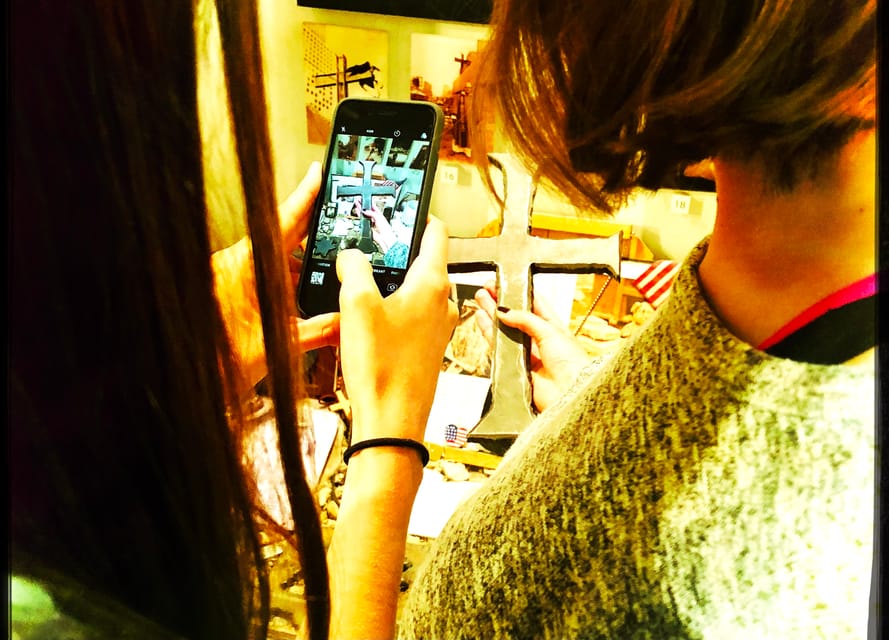
If you’re planning a trip photo-forward (or you like to record memories for later), build this into your expectations.
The workshop does not allow cameras and video recording. Photos are allowed according to the provided info, but video photography is not permitted. In practice, that means you should assume you won’t be filming the experience. If you bring a camera, you may have to leave it behind. Better plan: come ready to take still photos only if permitted, and let the audio guide do the heavy lifting for recall.
Also, since it’s an audio-driven visit, you won’t want to spend your time juggling gear. Lighten your load so you can keep your eyes and hands free for the exhibit.
Emotional tone and family timing (how to prepare without scaring kids)
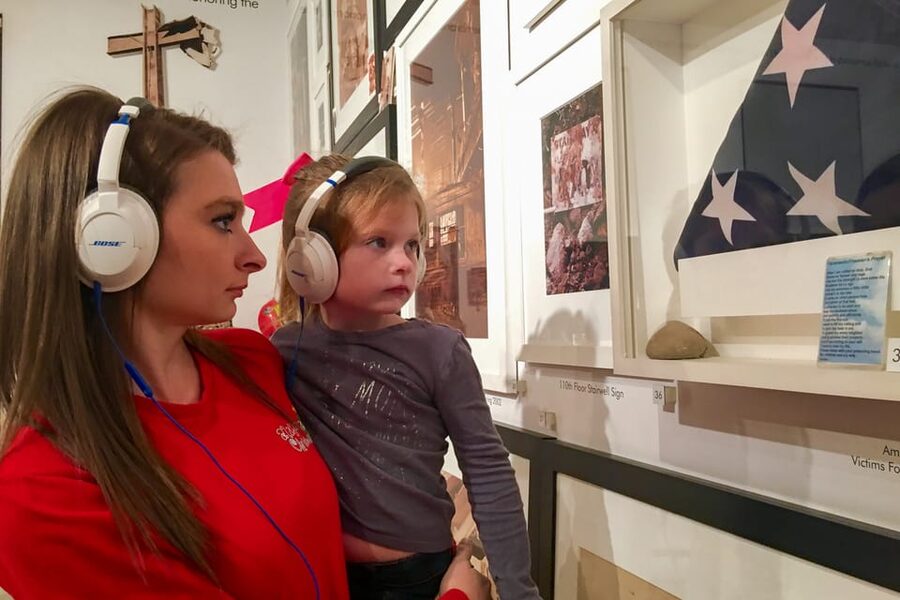
This is a serious subject, and the workshop doesn’t pretend otherwise. You’ll encounter moving stories connected to people who lost their lives and the recovery that followed.
The upside is that the experience is designed to hold interest, and it’s reported as family-friendly and tasteful. Many families like that the audio tour keeps kids engaged without turning the exhibit into a noisy attraction. Parents also tend to appreciate that the pace is manageable for children—because you’re not stuck reading long text while everyone gets restless.
How you prepare matters. If you’re bringing kids, I’d keep your prep practical:
- Tell them they’ll listen through headphones and see photos and recovered items
- Explain that some stories may be sad, and it’s okay to take breaks
- Remind them they’re going to learn about the careful recovery work after the attacks
That framing helps kids understand why the visit exists and why adults might be quiet at certain moments.
If you’re going with teens or adults who want more context than a memorial visit can provide, this workshop also works well. The audio structure and recovered artifacts give you a sense of what came next, not just what happened.
Price and value: $36 for depth, audio, and hands-on access
At $36 per person for about 90 minutes, the price lands in the mid-range for a New York museum experience—but the value comes from what you receive.
You’re not just paying for entry. You’re paying for:
- Admission to a 5-star rated 9/11 Museum Workshop exhibit experience
- A Bose audio tour with 100 stories
- A 12-minute film on a large screen
- Access to hands-on artifacts, including rare material pieces
- An on-site guide to answer questions
- A small free 5×7 museum mini-print (one per party)
That combination is the core value. If your goal is understanding—especially the recovery phase and the way images were documented—this workshop offers a tight package. It’s also shorter than many museum visits, which can help you stay on schedule without giving up depth.
Who should consider it for best value:
- Families who want a structured, guided experience that keeps kids listening
- Visitors who already went to the memorial and want a more story-based companion visit
- People who prefer audio learning to dense reading
- Anyone who wants to understand the recovery effort beyond the headline moment
Should you book the 9/11 Museum Workshop: 100 Images + Artifacts Hands-On?
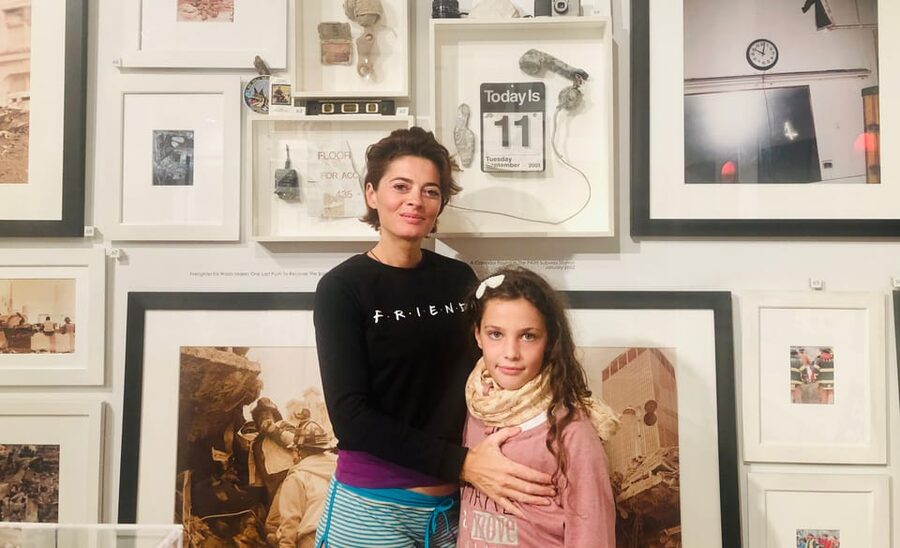
If you want the World Trade Center story in a way that feels intimate and carefully explained, I think you’ll like this workshop. The strongest reasons to book are the 100 Bose audio stories, the rare Gary Marlon Suson photography connected to Ground Zero access, and the chance to hold recovered artifacts. Those three elements create a learning experience that feels grounded, not abstract.
You might skip it if you’re mainly looking for a memorial-style outdoor visit, or if rules about phones and filming would frustrate you. You should also plan a little extra time to find the Meatpacking District location, since it’s not in the World Trade Center complex.
If you’re deciding between a quicker sightseeing plan and a deeper, more human scale experience, this one leans the right way. It’s short enough to fit into a day, and it focuses on understanding, not spectacle.
FAQ
FAQ
How long is the 9/11 Museum Workshop: 100 Images + Artifacts Hands-On?
The visit lasts about 90 minutes.
Where is this workshop located, and what subway stops help?
It’s located in Manhattan’s Meatpacking District (not at the World Trade Center). You can use the A, C, or E trains to 14th Street or the 1/2/3 trains to 14th Street.
What’s included with the ticket?
Admission includes the 100 Images + Artifacts exhibit experience, an interactive self-guided tour with the Bose audio system featuring 100 stories, and a 12-minute film. A small 5×7 museum mini-print is also included (one per party). An on-site guide is available to answer questions.
What languages are available for the audio tour?
The audio tour is available in Spanish, French, Italian, and English.
Are cameras or video recording allowed?
Cameras are not allowed, and video recording is not permitted. Photos are allowed, but video photography is not.
Is the workshop wheelchair accessible?
Yes, the workshop is wheelchair accessible.