REVIEW · GROSS ROSEN CONCENTRATION CAMP
Wroclaw: WW2 Tour to Project Riese & Gross-Rosen Museum
Book on GetYourGuide →Operated by WratislaviaTour · Bookable on GetYourGuide
A drive through the Owl Mountains sets the tone. This private day links the eerie scale of Project Riese with the stark reality of Gross-Rosen, all with audioguides and a hotel-to-hotel transfer. You start with big landscape views, then shift into underground spaces and a WWII concentration camp site—same day, very different emotional gears.
What I like most is how practical the pacing feels: you get focused time at each site, plus English-speaking driver support throughout. I also love that you’re not just walking past things—you learn what Project Riese was built for and then watch a short film before you tour Gross-Rosen.
One drawback to keep in mind: language support is solid, but if Spanish is your main language, you may not get it everywhere. One booking note flagged that museum audio may still be in English even when Spanish was expected.
In This Review
- Key things to know before you go
- Wrocław to the Mountains: the ride that frames the day
- Project Riese: the codename, the construction, and the underground scale
- Osówka and the Underground City feeling
- Lunch timing: quick pause or straight to Gross-Rosen
- Gross-Rosen Concentration Camp: what you’re actually seeing
- The film before the museum visit: a fast way to get your bearings
- Audioguides and language choices that matter in real life
- Transportation, group style, and why private feels worth it here
- What to pack and wear for Project Riese underground
- Price and value: what you’re paying for (and what you get)
- Who this tour suits best (and who should skip it)
- Should you book this tour?
- FAQ
- How long is the tour?
- What sites are included?
- Is lunch included?
- What’s included with the entrance fees?
- What languages are available for the audioguides?
- Is the tour suitable for wheelchair users or young children?
Key things to know before you go
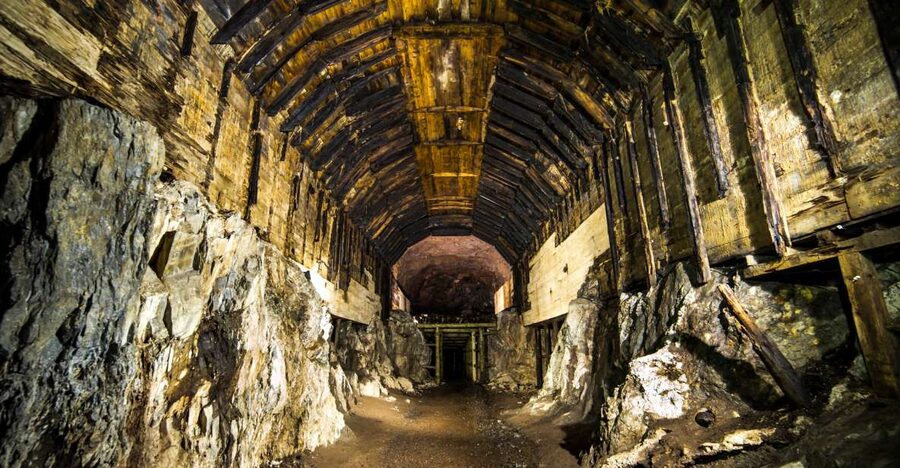
- Project Riese is a network of seven underground structures tied to a Nazi-era codename, built between 1943 and 1945.
- Osówka is called the Underground City, and it’s one of the main stops inside the complex.
- Gross-Rosen had up to 100 sub-camps at its peak in 1944 across multiple territories.
- You get audioguides at both sites, with multiple language options (including English, German, French, Spanish, Italian).
- Underground temperature is around 8–10°C at Project Riese, so dressing for cool air matters.
Wrocław to the Mountains: the ride that frames the day
This tour starts with a hotel pickup in Wrocław, then you head toward the Owl Mountains area where Project Riese sits. The drive takes around 1.5 hours, and the route is a mix of countryside and mountain scenery. It’s not just transit time—it helps you switch modes before you reach the sites.
In the minivan, you’re not trying to plan connections or coordinate taxis. You’re given bottled water, and the vehicle is air-conditioned, which is a real comfort if you’re going in warmer months. The driver is English-speaking and stays with you between sites, so you’re not left figuring out timing on your own.
Project Riese: the codename, the construction, and the underground scale
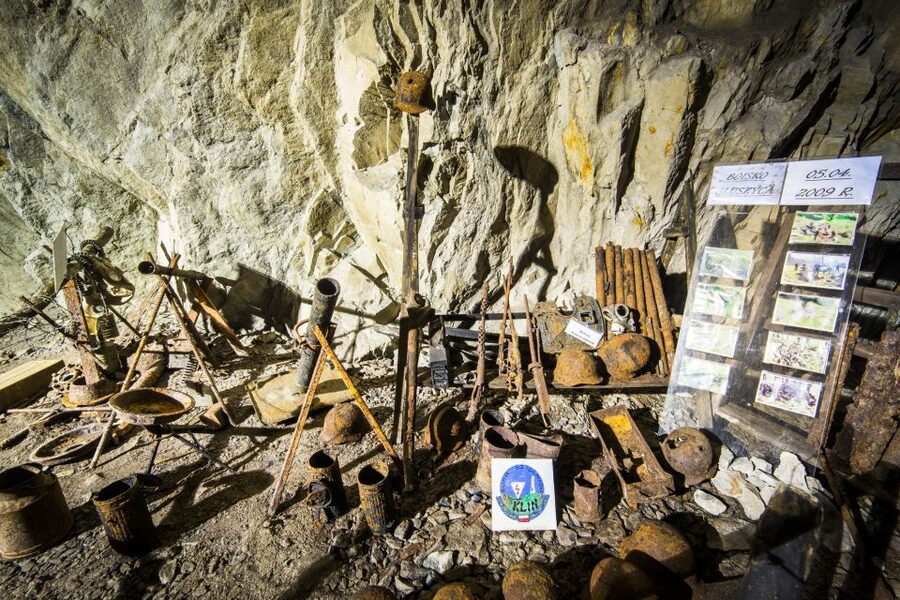
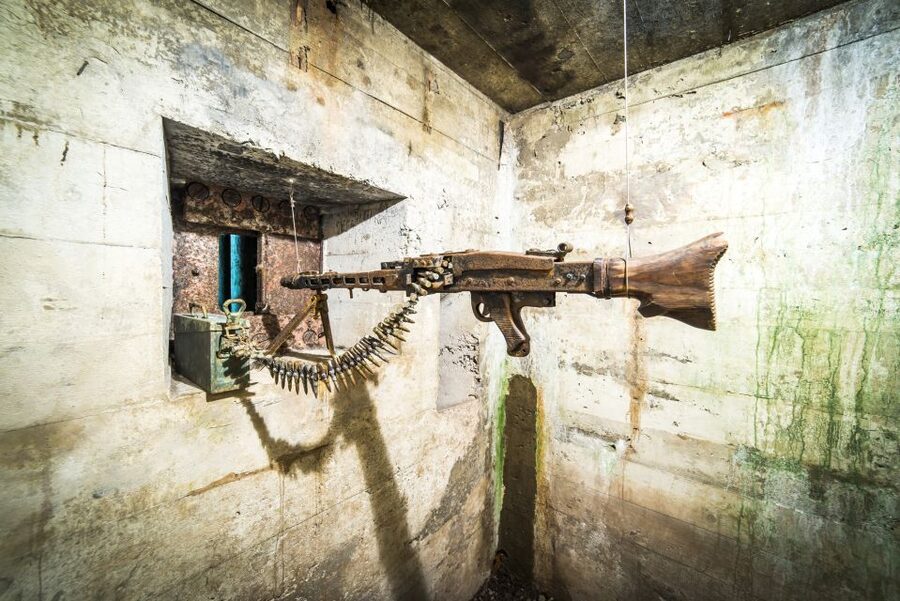
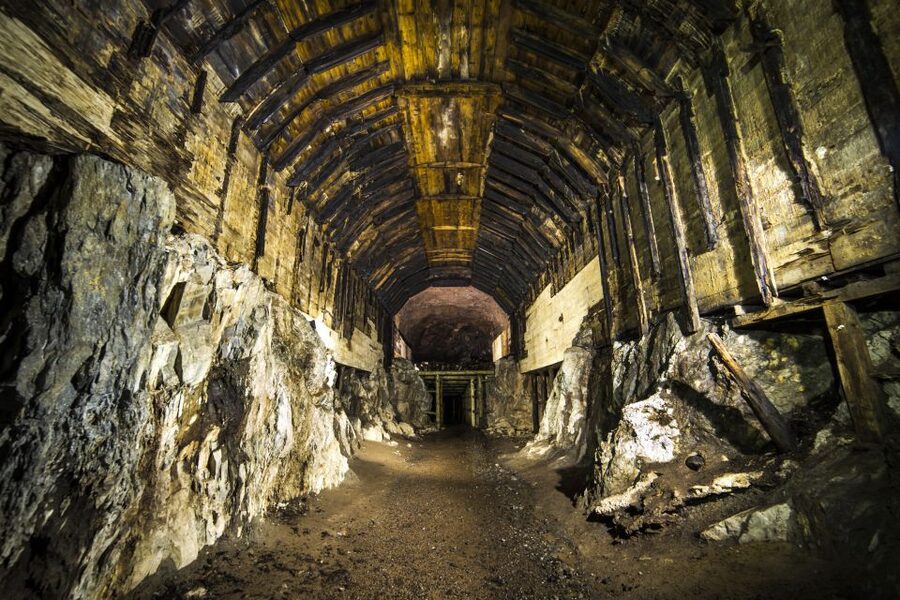
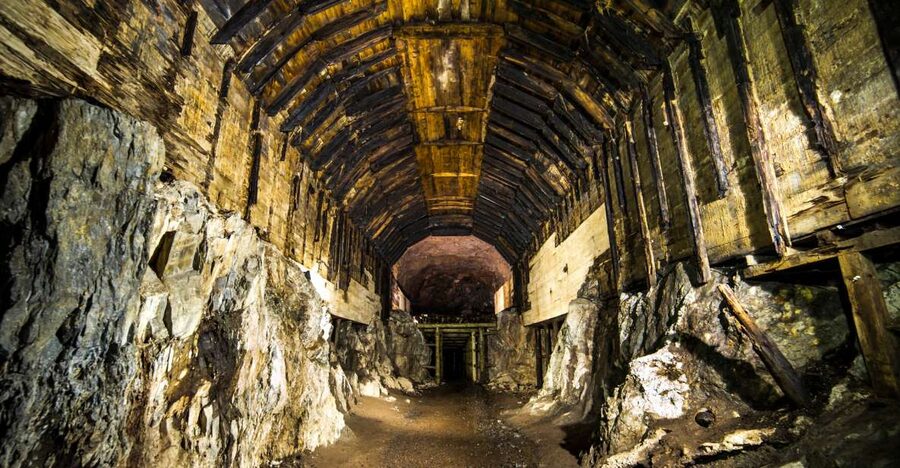
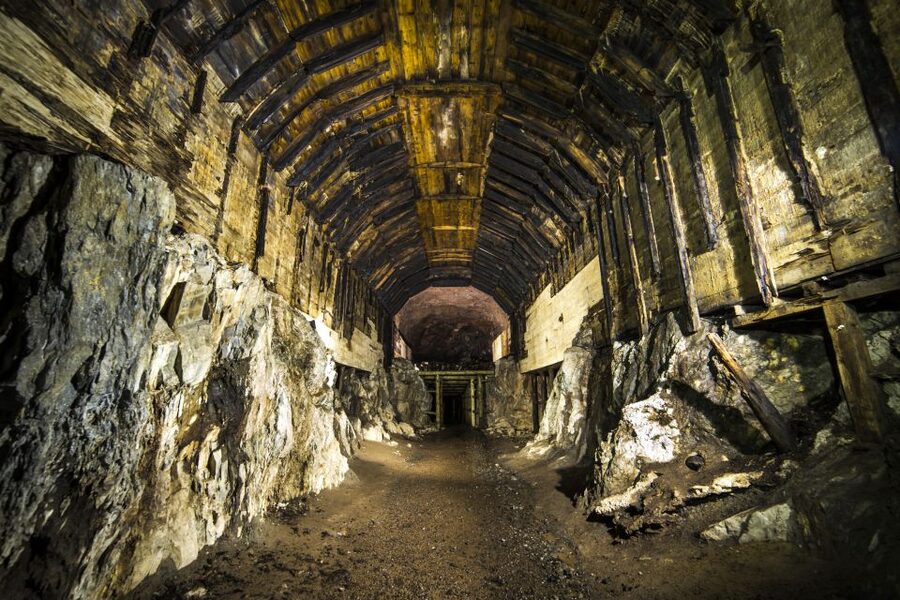
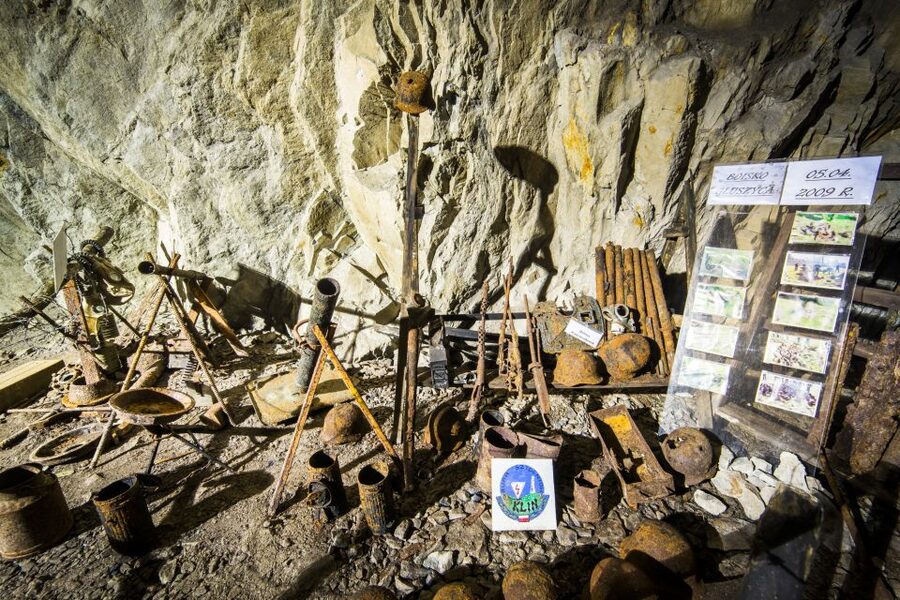
Once you arrive, the main work begins: exploring the Project Riese complex with an audioguide in your chosen language. Project Riese was a Nazi Germany codename for an impressive construction effort launched between 1943 and 1945. The site includes seven underground structures located across the Owl Mountains area and the Książ Castle region.
What makes Project Riese more than a spooky photo stop is the way it connects physical spaces to a WWII story. As you walk through areas in different stages of completion, you get a sense of how large the plan was, and how much still depended on timing, labor, and wartime priorities.
A key practical point: the underground areas run around 8–10°C. Even if it feels mild outside, you’ll feel the temperature drop once you’re inside. Bring a jacket or sweater, even if you think you’ll only be underground briefly.
Osówka and the Underground City feeling
Within the Project Riese area, you’ll see the Osówka site, which is often referred to as the Underground City. Here, the experience leans into the scale of the caverns and the way the tunnels create a claustrophobic sense of space—literal underground geometry, not just an abstract concept.
For me, this is where the site clicks. The audioguide helps you understand that this wasn’t a single room or one-off bunker. It was an attempt at a whole built system—roads (in a way), chambers, and cavern networks—built underground, away from the more visible wartime pressures.
Now the caution: if you have claustrophobia, Project Riese isn’t a great match. The spaces are underground, and the environment is tight enough that you should consider your comfort before booking.
Lunch timing: quick pause or straight to Gross-Rosen
After Project Riese, you have a choice in the flow of your day. You can pause for lunch, or your driver can take you straight to Gross-Rosen. The tour is designed so you don’t get rushed, but the schedule is tight enough that the lunch decision matters.
Here’s how I’d think about it:
- If you want a calmer mental reset, take the lunch pause after you’re done underground.
- If you’d rather maximize site time, go straight to the camp, where you’ll get film time plus up to 2 hours for the indoor and outdoor exhibitions.
Food isn’t included on this tour, so you’ll be responsible for meals and drinks. If you’re particular about where you eat, plan ahead before the day starts, because once you’re between sites, options can be less convenient.
Gross-Rosen Concentration Camp: what you’re actually seeing
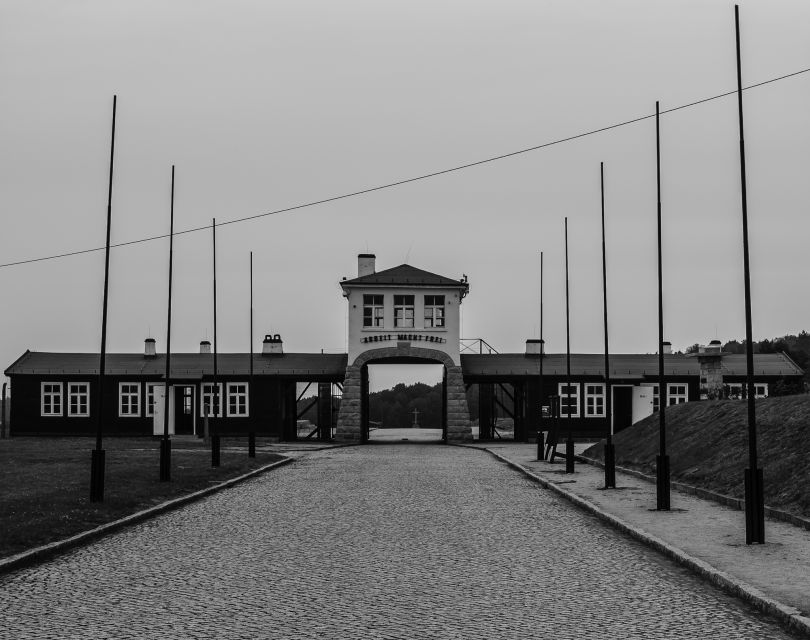
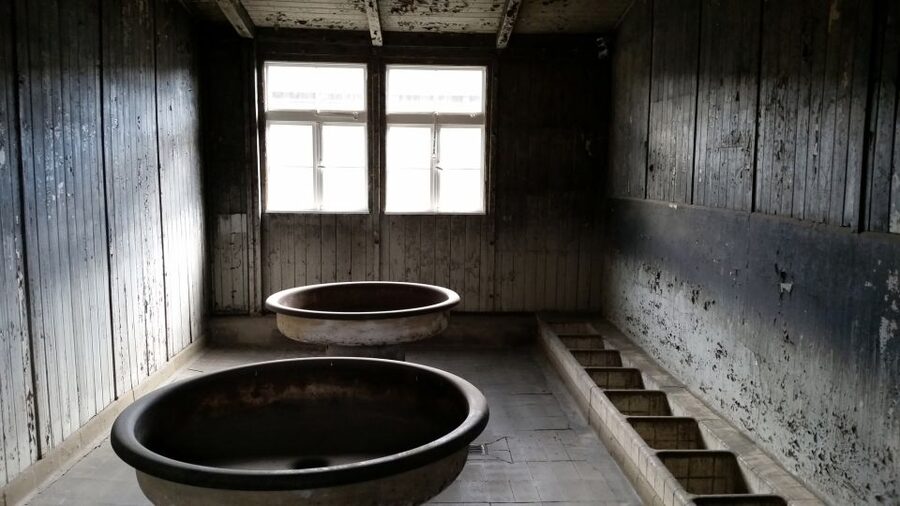
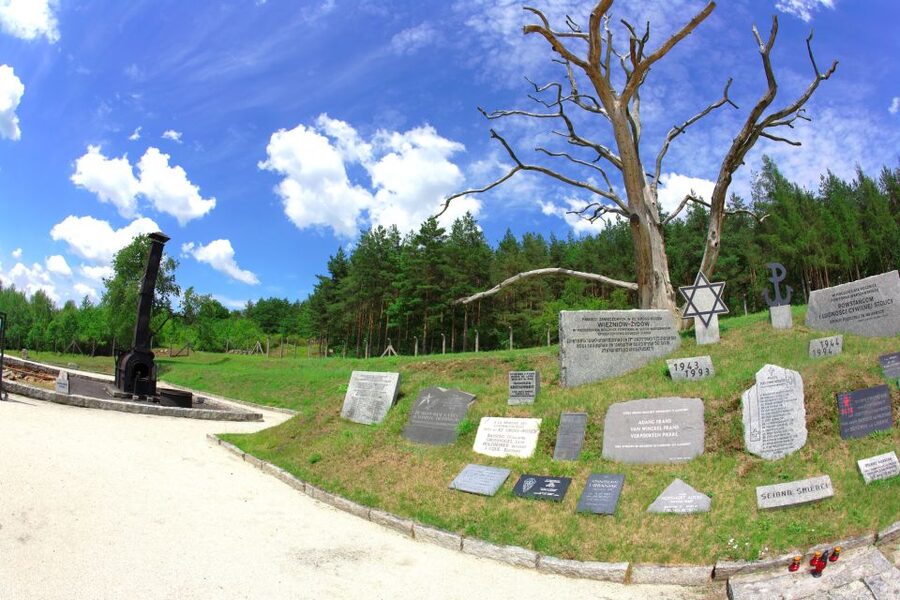
Gross-Rosen is one of the major stops. This was a German network of Nazi concentration camps built and operated during WWII. The main camp was in the German village of Gross-Rosen, and the system expanded across a wide region.
At its peak in 1944, the complex had up to 100 sub-camps across eastern Germany, Czechoslovakia, and on the territory of occupied Poland. Total inmate numbers across the Gross-Rosen camps at that time were about 11% of the entire Nazi concentration camp system.
That statistic matters because it changes how you experience the site. You’re not just looking at one location—you’re standing in the footprint of a system that spread through occupied territories. The museum context helps you hold that bigger picture while you walk the grounds.
The tour includes a structured museum visit with audioguides, and you’ll have time for both indoor and outdoor exhibitions.
The film before the museum visit: a fast way to get your bearings
Before you spend time on the exhibitions, you’ll watch a short film about the camp’s history. I like this approach because it reduces the guesswork. Without context, a concentration camp museum can feel like a list of buildings and artifacts. A short film doesn’t give you every detail, but it helps you connect dates, purpose, and scale before you start reading signs and walking routes.
After the film, you’ll have up to 2 hours to explore the indoor and outdoor parts of the museum at your own pace. That time window is important: it’s long enough to linger, but short enough to keep the day moving.
If you prefer to read slowly, give yourself permission to spend a bit more time where you have questions. The guide support here is more about setting you up than guiding you one-on-one inside every exhibit.
Audioguides and language choices that matter in real life
This tour includes audioguides at both the Riese complex and Gross-Rosen museum. The languages listed are English, German, French, Spanish, and Italian.
Here’s the practical twist: one booking note flagged that Spanish wasn’t available in the museum audio as expected, and English was used instead. So if you’re traveling with a Spanish-first plan, you might want to be ready with English comprehension for at least part of the museum experience. If you’re fluent in more than one language, bring that flexibility into your expectations.
Also, remember that audioguides are only as good as your willingness to pause. If you’re the type who walks fast and takes photos nonstop, you’ll miss some of what the audioguide is trying to explain—especially at Riese, where structure stages and the underground layout matter.
Transportation, group style, and why private feels worth it here
This is a private tour, using an air-conditioned minivan, with round-trip transfer and hotel pickup/drop-off. Since you’re visiting two distant sites that would be a hassle to coordinate on your own, private transport is a real value lever—not a luxury extra.
You also avoid the stress of:
- finding parking
- arranging separate tickets back-to-back
- trying to time buses between rural stretches
The driver/guide is English-speaking and stays responsible for the schedule between stops, which keeps the day smooth. In one experience note, the driver was described as friendly and clear, and that’s exactly what I think makes a difference for days like this: you want someone calm running the timing so you can focus on the sites.
What to pack and wear for Project Riese underground
This tour is simple on paper, but the clothing needs are specific.
Bring:
- comfortable shoes for uneven ground and walking between stops
- a jacket or sweater for the underground areas (8–10°C)
- warm layers if you tend to get cold fast
Also plan for a no-fuss day. The tour includes bottled water, but it doesn’t include food, so you’ll likely want an easy plan for snacks if you get hungry between sites.
Restrictions that affect planning:
- Not wheelchair accessible
- Not suitable if you’re claustrophobic (Project Riese underground spaces)
- Not allowed: pets
- Children must be accompanied by an adult
- Children under 5 years can’t enter Project Riese
Price and value: what you’re paying for (and what you get)
At $171 per person for an 8-hour private outing, the price looks high at first glance. But for this specific combo—Project Riese plus Gross-Rosen—most of the cost isn’t just “time.” It’s the full package: entrance fees, audioguides, round-trip private transfer, fuel surcharge, and a private minivan with pickup and drop-off.
You’re also paying for a driver who handles the between-site logistics, so you don’t burn your day working out transportation. For many people, that trade is the whole point: one booked day, no spreadsheet headaches.
This tour also scores 4.8/5 across 26 reviews, with frequent praise for organization, timing, and feeling safe with the driver. That matters because in emotionally heavy sites like Gross-Rosen, you want the logistics handled cleanly so your attention stays where it belongs.
Who this tour suits best (and who should skip it)
You’ll probably enjoy this tour if you want:
- a single day that covers two major WWII-related sites outside the city
- audioguides in multiple languages
- the ease of hotel pickup and private transport
- a day structured enough that you don’t lose time guessing between stops
You should think twice if:
- you’re claustrophobic
- you need wheelchair access (it’s not wheelchair accessible)
- you’re traveling with kids and were hoping to visit Project Riese with a child under 5 (it isn’t allowed)
If your group includes mixed comfort levels, tell yourself early that Project Riese underground is the hardest physical part of the day. Gross-Rosen museum grounds are still heavy and serious, but physically they’re more straightforward than underground tunnels.
Should you book this tour?
Yes, I’d book it if you want a well-paced, private day that pairs Project Riese with Gross-Rosen without the stress of planning transport. The value is strongest when you care about time (8 hours is efficient), context (film plus audioguides), and comfort (air-conditioned minivan, bottled water, clear schedule).
I’d hesitate only if you’re very sensitive to tight spaces underground, or if language expectations are strict. If you’re Spanish-speaking, consider brushing up for English audio in the museum as a backup plan.
If you do decide to go, show up with warm layers, slow down enough to use the audioguides, and give yourself a quiet moment with the sites. This isn’t the kind of day where speed helps. It helps to be present.
FAQ
How long is the tour?
The duration is 8 hours from pickup to drop-off.
What sites are included?
You’ll visit Project Riese (including the Osówka Underground City area) and the Gross-Rosen Concentration Camp Museum.
Is lunch included?
No. Food and drinks are not included.
What’s included with the entrance fees?
Entrance fees and audioguides are included at Project Riese and Gross-Rosen.
What languages are available for the audioguides?
Audioguides are available in English, German, French, Spanish, and Italian.
Is the tour suitable for wheelchair users or young children?
No. It is not wheelchair accessible, and children under 5 are not allowed to enter Project Riese.