REVIEW · SAN DIEGO
San Diego: San Diego Natural History Museum Ticket
Book on GetYourGuide →Operated by San Diego Natural History Museum · Bookable on GetYourGuide
Seventy-five million years, under one roof. That’s the kind of scale you get at the San Diego Natural History Museum in Balboa Park, where the exhibits move from fossils to living wildlife and back again. I love how the museum turns big topics into something you can tackle at your own pace, especially with a 75-million-years fossil storyline that’s easy to follow.
My second favorite part is the museum’s mix of hands-on learning and big-screen storytelling, including a giant-screen theater and the museum’s Foucault pendulum. The one thing to consider is your comfort with elevators: one visitor noted trouble with elevator doors and not having an emergency bar, so if you rely on elevators, it’s smart to keep extra time and a backup plan.
In This Review
- Key highlights to plan around
- Balboa Park setting: making a whole natural-science day easy
- Fossil Mysteries: the 75 million years thread you can actually follow
- From Baja deserts to coast-to-cactus zones
- Action from the Archives and citizen science you can explain to friends
- The Giant-Screen Theater: daily films included with your ticket
- Don’t miss the Foucault pendulum and the museum’s science rhythm
- Family-friendly corners: Living Lab, Backyard, and the play-and-learn approach
- Unshelved and living-storage surprises
- Craft Taco and Gold Leaf: taking a break without derailing the day
- Price and value: is $12 a good deal for an all-day museum ticket?
- Should you book the San Diego Natural History Museum ticket?
- FAQ
- FAQ
- Where is the San Diego Natural History Museum?
- How much does the ticket cost?
- How long is the ticket valid?
- What’s included with admission?
- Are the giant-screen films included?
- What films show daily?
- Is the museum wheelchair accessible?
- Are pets allowed?
Key highlights to plan around

- 75 million years of fossils across southern California and Baja California
- The only Foucault pendulum in San Diego, a quick science moment you won’t forget
- Giant-Screen Theater films daily, included with admission (T. REX, Wild San Diego, Ocean Oasis)
- Family-friendly areas, including a Backyard play zone for ages 0–5
- Conservation-focused exhibits, plus citizen science history and storage-gallery surprises
Balboa Park setting: making a whole natural-science day easy
Start by leaning into the fact that this is in Balboa Park, one of San Diego’s best “slow stroll” zones. The museum sits in a place where you can pair science with a walk, so you’re not stuck indoors if you need a break. And because this is a one-day general admission ticket, you can build your day around your energy level instead of a strict schedule.
The museum itself is built for time. You’ve got four floors of exhibitions, plus a giant-screen theater, plus rotating films. That matters because you can do this like a “museum sprint” (hit the top highlights) or like a “museum hang” (stay with a few exhibits longer and watch the films when it fits your mood).
Two practical notes help your day go smoother:
- Wear shoes you like. Even if you’re not rushing, you’ll move between floors and exhibit sections.
- Plan at least one main anchor time for the theater, since the film experience is included and it’s a big part of the value.
A few more San Diego tours and experiences worth a look

Fossil Mysteries: the 75 million years thread you can actually follow
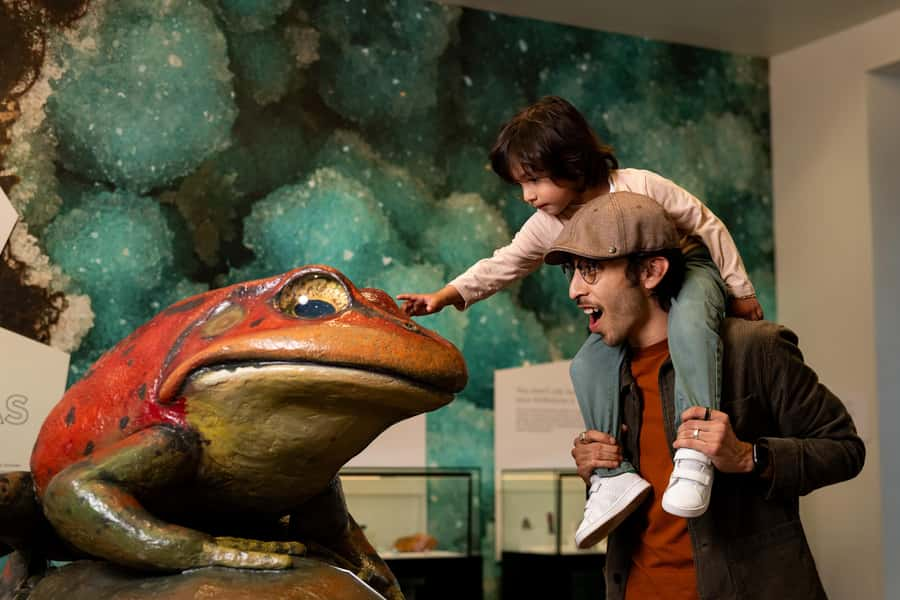
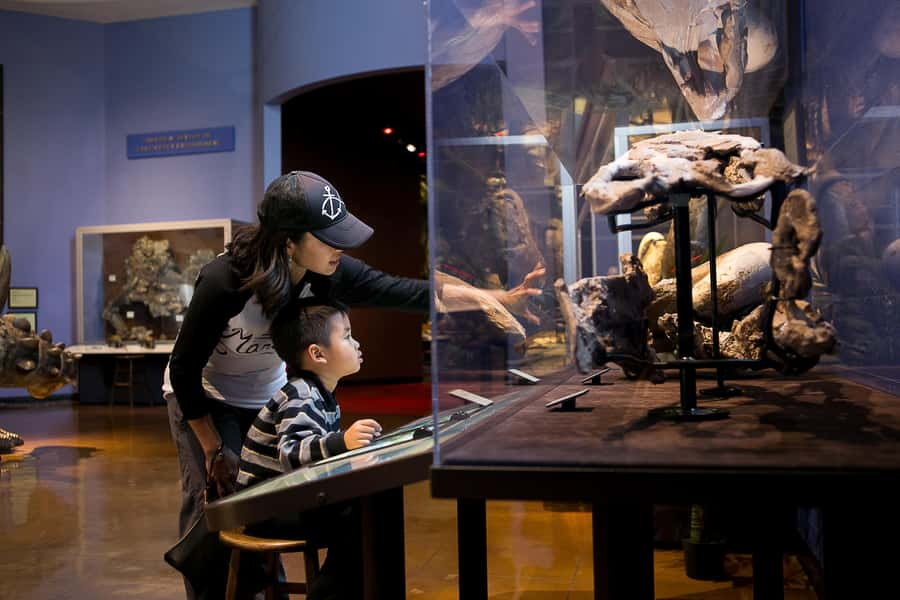
If you only have time for one theme, make it Fossil Mysteries. This is where the museum earns its nickname-level fun: you’re traveling from dinosaurs to megalodons to mastodons, all tied to the fossil history of southern California and Baja California. The key here is how the museum groups time and place so the story clicks instead of turning into a jumble of names.
For first-time visitors, I like using the exhibit as a “map” for the rest of your visit. Once you’ve seen the museum’s main fossil timeline, you’ll recognize how other displays connect back to evolution, habitat, and what the land used to look like.
One smart way to pace it:
- Spend enough time to catch the big transitions (for example, what changes across eras).
- Then skim to find your personal “favorite creature” and circle back if you want more detail.
This is also one reason the museum works for couples and solo visitors. You can share a couple of big moments, then split up for 20–30 minutes, come back, and compare which species grabbed you. No pressure, no awkward group pacing.
From Baja deserts to coast-to-cactus zones
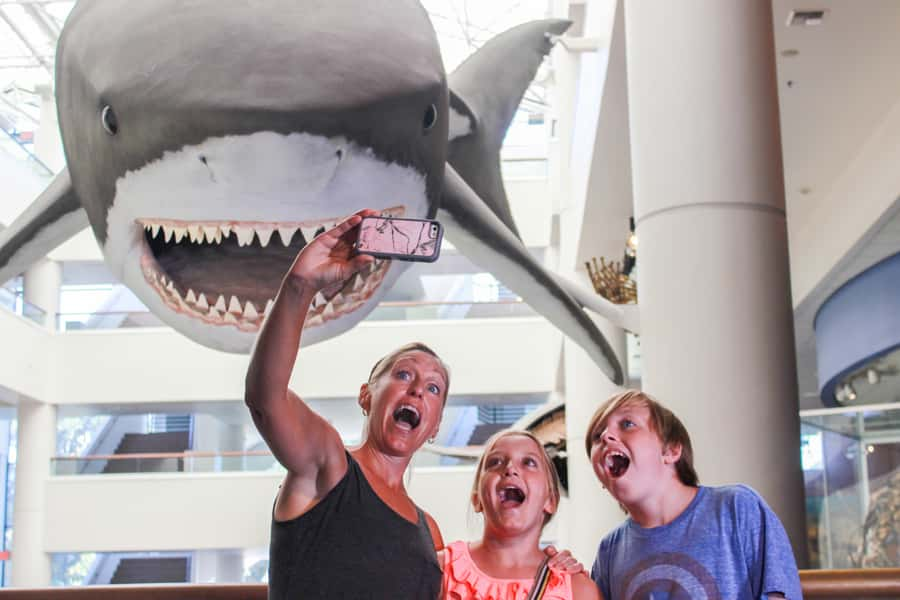
San Diego’s natural world is only partly “beach and palms.” A big win of this museum is how it frames the region as a patchwork of environments, especially through Baja and Southern California themes.
Here are the exhibit titles that tell you what to expect:
- Expedition Baja, focused on the Baja California Peninsula and how researchers work to conserve its wild beauty
- Coast to Cactus in Southern California, which walks you through coast, valleys, mountains, and deserts
- Living Lab, featuring more than 20 not-so-cuddly neighbors, from scorpions to nocturnal lizards
You’ll probably notice a pattern: these displays don’t just show animals. They show conditions. That’s valuable because it helps you make sense of why certain species live where they do, and it gives you a better reason to care when you step outside the museum and see real terrain.
If you’re traveling with kids, Living Lab is likely to be a hit because it’s built around creatures that spark curiosity (and maybe a little “ew” factor). If you’re more into landscapes and climate, Coast to Cactus helps connect regions with life.
If you only do one “non-fossil” area, I’d pick Expedition Baja. The Baja theme gives you a feel for a nearby nature system that many visitors don’t think about until they see it presented in a science-and-conservation way.
Action from the Archives and citizen science you can explain to friends
Some museums make you feel like science belongs to specialists. This one works harder to show people can participate.
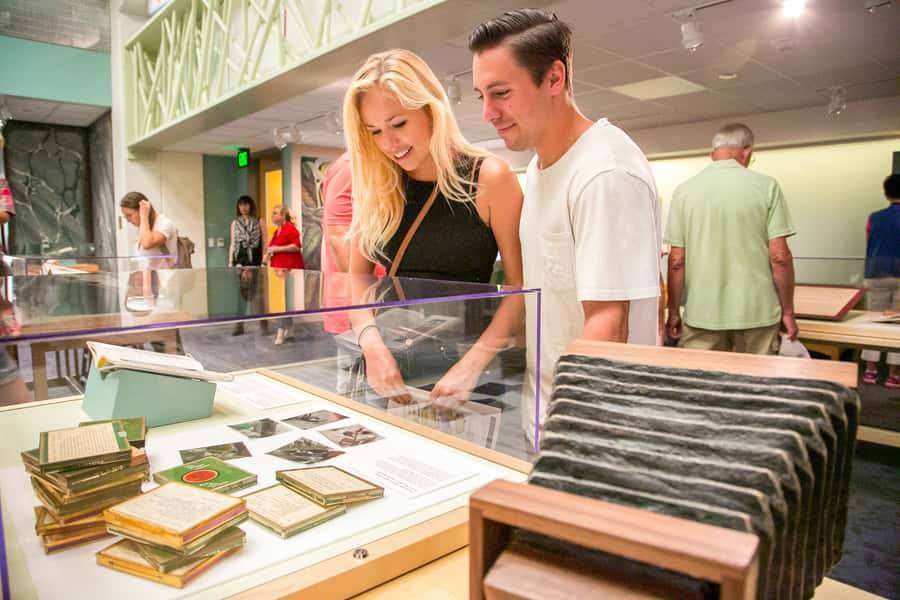
The anniversary-style exhibit, Action from the Archives: The Nat at 150, uses photographs and objects from the museum’s archives to show conservation success stories—both historical and contemporary. Even if you’re not a museum-history person, this can be surprisingly motivating because it connects time and progress. You get a sense of how science and public effort build on each other.
Then there’s Extraordinary Ideas from Ordinary People: A History of Citizen Science. This one matters for two reasons:
- It shows how public participation has helped shape scientific knowledge
- It frames citizen science as a continuing role, not just a “cool idea” from the past
When I’m deciding whether to spend museum time, I look for whether the exhibits leave me with something I can take back into daily life. That’s where citizen science and conservation stories score. They’re not just facts; they’re a reminder that learning doesn’t require a lab coat.
The Giant-Screen Theater: daily films included with your ticket
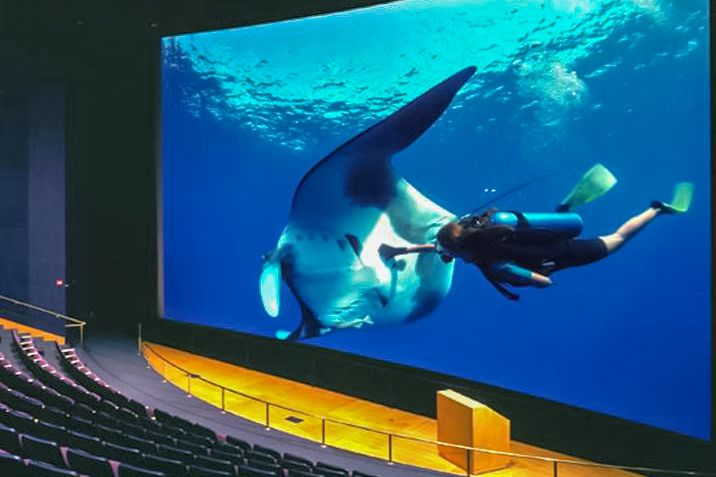
A big part of the value here is the giant-screen theater, because your admission includes access to the films. The theater seats 300 people in a stadium-style setup, which helps you get a good view even when the room is full.
Your daily film lineup includes:
- T. REX
- Wild San Diego
- Ocean Oasis
I like that the films match the museum’s overall theme, instead of feeling like a random add-on. If you start your day feeling “museum-explained,” the theater is a good way to reset your attention and experience the science visually.
Practical planning tip: treat the film as an anchor. Pick which one sounds most like your mood—T. REX for the dinosaur crowd, Wild San Diego for local nature, Ocean Oasis if you want water-and-life energy. Then build your exhibit order around it so you don’t end up rushing at the end.

Don’t miss the Foucault pendulum and the museum’s science rhythm
The museum includes San Diego’s only Foucault pendulum, which is a great “quick payoff” attraction. You don’t need a long attention span for it; it’s a memorable moment where you can watch a science principle at work.
Because the museum is spread over four floors, it helps to think in terms of flow:
- Start with the big story exhibits (fossils and regional ecosystems).
- Add conservation and society-style science (archives and citizen science).
- Finish with the theater or hands-on areas so you end on a strong note.
That rhythm keeps the day from feeling like you’re just hopping between unrelated galleries.
If you’re a slow museum walker, this also gives you a cleaner plan. You can take your time on fossils and ecosystems, then catch the theater without feeling like you’re abandoning half the museum.
Family-friendly corners: Living Lab, Backyard, and the play-and-learn approach
If you’re visiting with kids, you’ll likely appreciate that the museum has different “entry points” for different ages. One of the standout family areas is The Backyard, designed for the youngest visitors (ages 0–5). It offers shaded play time and kid-sized ways to explore, including a wooden fence with hidden secrets and a cozy reading area.
Even if your kids are older (or you’re visiting without them), The Backyard is still useful as a reset spot. When the energy shifts from looking to moving, having a dedicated kid zone helps.
For older kids (and adults with kid brains), Living Lab is where you’ll likely spend longer. Scorpions and nocturnal lizards are the kind of subject matter that turns a museum visit into a “wait—look at this” experience.
And yes, the museum has a reputation for keeping kids from getting bored. Part of that is the variety: fossil stories, living creatures, plus films in a theater setting.
Unshelved and living-storage surprises
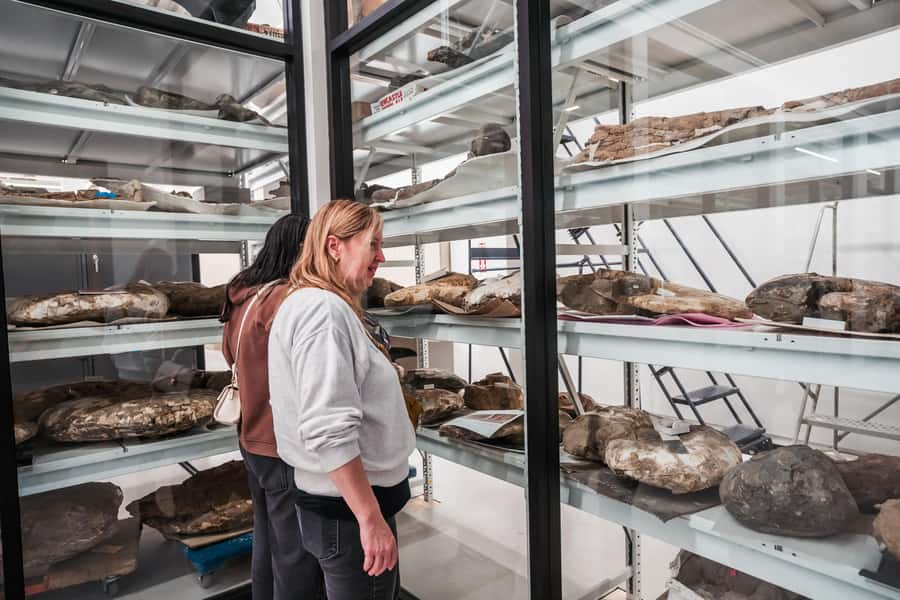
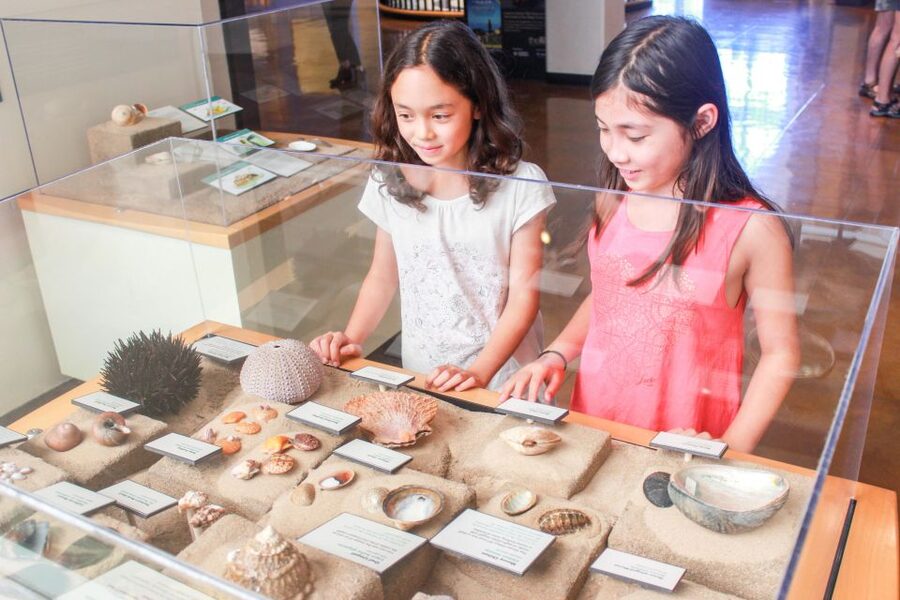
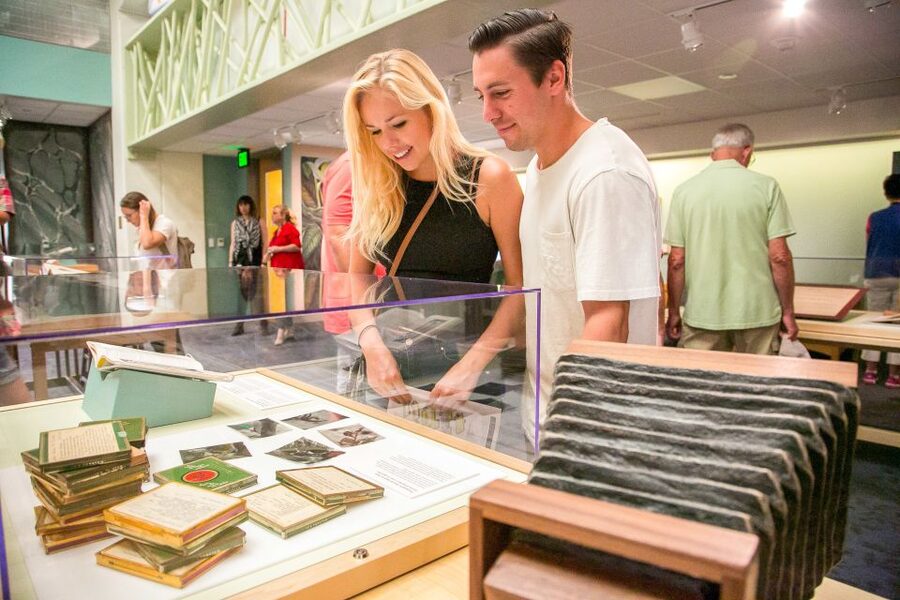
Not every museum lets you peek behind the curtain. Here, Unshelved: Cool Stuff from Storage offers a rare look into specimens in storage. That’s valuable because it explains something visitors often wonder about: what happens to objects when they aren’t on exhibit.
This display gives you a different kind of museum experience. Instead of only seeing finished gallery presentations, you get a sense of how the natural world is kept for research and learning. It also adds variety to a day so you’re not stuck only in “display mode.”
If you’re into science logistics (how specimens get handled, why collections matter), this is one of the easiest exhibits to recommend.
Craft Taco and Gold Leaf: taking a break without derailing the day
You don’t have to plan your whole trip around food, but it helps to know the museum offers options on-site. For a quick bite, you can grab something at The Craft Taco. For souvenirs that feel more thoughtful than a typical gift rack, there’s Gold Leaf where you can pick up unique items.
My rule for museum breaks: keep them short. Take 20–30 minutes, eat something simple, and get back to it. That way you don’t lose the “science momentum” you built earlier.
Price and value: is $12 a good deal for an all-day museum ticket?
At $12 per person, this is one of those “low-ticket, high-satisfaction” museum options, especially because your admission covers both:
- General access to exhibitions, and
- Access to films in the giant-screen theater
That combo is where the value really happens. Many museums charge extra for special presentations. Here, the theater is included, and that’s a major reason the ticket can stretch into a full day.
You’re also buying access to multiple exhibit themes—fossils, regional ecosystems, conservation stories, storage insights, and a science moment with the Foucault pendulum. For the price, it’s a lot of different ways to learn in one place.
If you have limited time in San Diego, this ticket is also a smart “bad-weather” plan because it’s self-paced but still feels like a full experience.
Should you book the San Diego Natural History Museum ticket?
Book it if you want a day that feels both fun and grounded in real science. This works especially well for families, couples, and solo travelers who like natural history but don’t want a stiff, guided tour format. The fossil exhibits, conservation-focused displays, and included giant-screen films give you enough variety that the visit won’t feel repetitive.
Skip it only if you’re looking for a strictly guided, time-slotted tour with very specific stops. This is best when you can enjoy a self-directed day—picking your order, watching the films when they fit, and spending extra time where your curiosity takes you.
FAQ
FAQ
Where is the San Diego Natural History Museum?
It’s located in Balboa Park, San Diego, California.
How much does the ticket cost?
The ticket price is listed at $12 per person.
How long is the ticket valid?
The ticket is valid for 1 day. You should check availability to see starting times.
What’s included with admission?
Your ticket includes general admission to the museum, access to all exhibitions, and access to the giant-screen films.
Are the giant-screen films included?
Yes. The giant-screen theater films are included with admission, and they run daily.
What films show daily?
The theater lists these daily showings: T. REX, Wild San Diego, and Ocean Oasis.
Is the museum wheelchair accessible?
Yes, the activity is wheelchair accessible.
Are pets allowed?
No, pets are not allowed.