REVIEW · KO SAMUI
Samui:Elephant Jungle experience & The First Elephant Museum
Book on GetYourGuide →Operated by SamuiElephantHome · Bookable on GetYourGuide
A jungle that teaches you compassion in minutes. This 3-hour Samui experience pairs Samui’s first Elephant Museum with rescued elephants roaming freely, plus hands-on conservation with seed bombs. I love the focus on how elephants behave naturally in the heat, and the way staff demonstrations explain daily nutrition and care. One drawback to plan for: you do spend real time in the museum/classroom before the field portion, so it’s not a pure, long jungle-only walk.
The guides help a lot, and names like Angie, Kathy, Katy, and Noot show up repeatedly for a reason: they connect the Thai elephant story to what you see in front of you. You’ll finish the visit knowing what the elephants need day to day, not just that they look calm.
In This Review
- Key things to know before you go
- Samui Elephant Home: what makes this experience feel different
- Price and value for a 3-hour guided program
- Getting started: hotel pickup and how the 3 hours flow
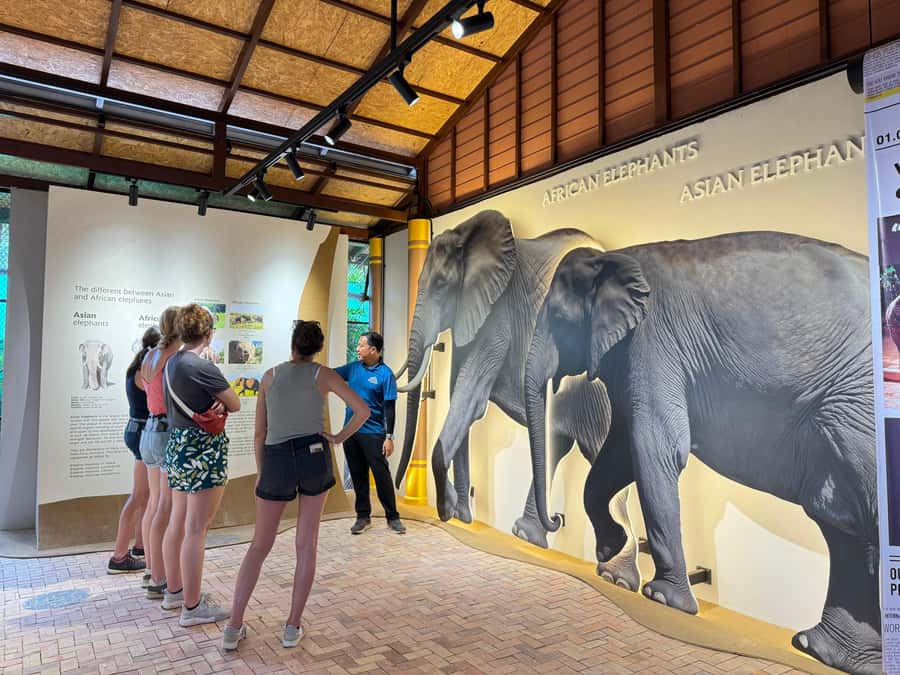
- Entering Samui’s first Elephant Museum: Thai elephant heritage + modern care
- The jungle walk: watching rescued elephants roam freely
- Mahout demonstrations: organic food and what elephants actually need
- Seed bombs with a slingshot: a fun activity with real habitat intent
- After the walk: how elephants cool down naturally
- What to bring (so the heat doesn’t ruin your day)
- Small-group feel and guide quality: why names matter
- Who this tour is best for (and who should think twice)
- Should you book Samui: Elephant Jungle & The First Elephant Museum?
- FAQ
- How long is the Samui Elephant Jungle and the First Elephant Museum experience?
- Where do you get picked up, and is transfer included?
- What’s included in the tour?
- Is the tour wheelchair accessible?
- What should I bring?
- Are there any restrictions?
Key things to know before you go
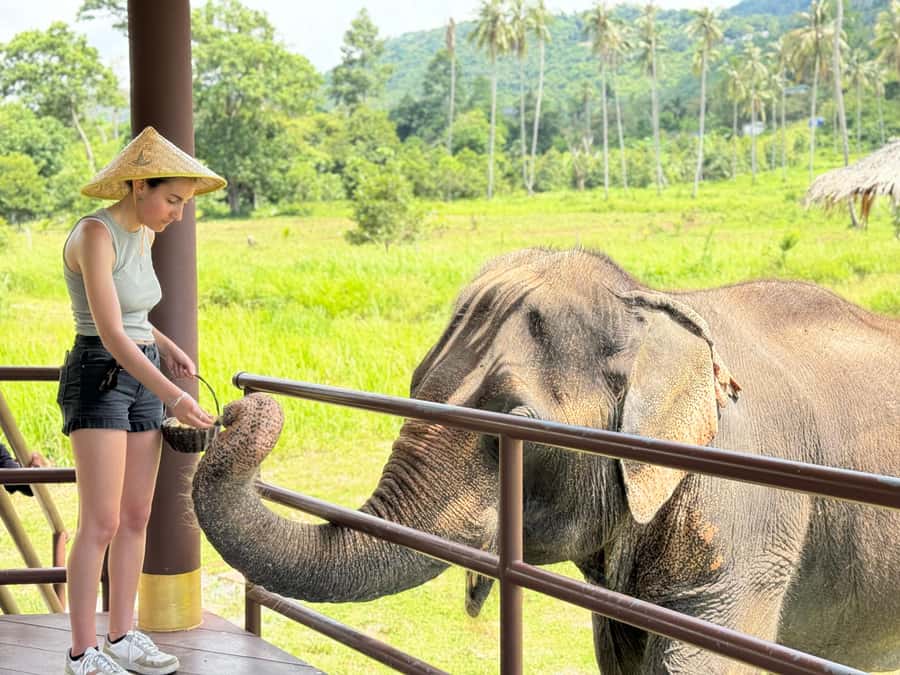
- Samui’s first Elephant Museum: Thai elephant heritage and modern elephant care in one guided stop.
- Jungle walk with rescued elephants: You observe from a respectful distance while they forage and roam.
- Mahout food-prep and nutrition talks: Organic food preparation and health needs across life stages.
- Conservation action with seed bombs: Clay + native seeds launched with a slingshot to support forest regrowth.
- No mud-bathe style interaction: The program avoids risky “showy” water-play.
- Trip timing is short and structured: About 3 hours total, with classroom time included.
Samui Elephant Home: what makes this experience feel different
If you care about elephants, Samui Elephant Home is built around the things most elephant “attractions” skip: daily routine, natural space, and education you can actually use later. The day is structured so you’re not just photographing big animals and moving on. You get a museum grounding first, then you move into the jungle to watch how the elephants live.
I especially like that the program talks about cooling down in tropical heat. That sounds simple, but it’s a big clue about the mindset here: comfort and choice matter. You’re not rushed into forced tricks. You’re guided to watch behaviors like social bonds, foraging, and the way elephants settle when they’re given calm conditions.
The other thing I appreciate is the conservation component. Seed bombs can feel like a gimmick in the wrong hands, but here it’s tied to future food and habitat support. It gives you a real action to take, not just a donation speech.
Price and value for a 3-hour guided program
At $64 per person for about 3 hours, you’re paying for three layers of value:
- Guided museum + guided jungle observation (not a self-guided ticket)
- Roundtrip hotel transfer around Koh Samui
- A hands-on seed-bomb activity plus a staff-led education experience
For many people on Samui, the “elephant day” market is crowded and hard to compare. What makes this one feel like better value is that the time is used efficiently: museum first (to explain what you’ll see), then field time (to observe), then a conservation task (to leave with a tangible contribution).
You also get full insurance included, and the tour is run in English with a live guide. Those are practical benefits if you want less hassle and fewer unknowns.
Getting started: hotel pickup and how the 3 hours flow
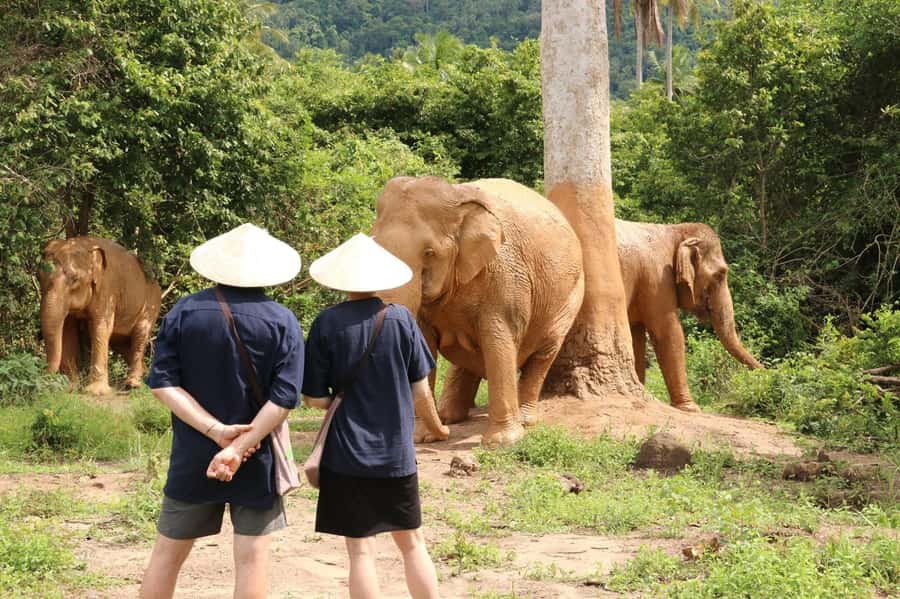
Your day begins with roundtrip transfer from your hotel on Koh Samui. Pickup is scheduled and confirmed by email, and you’ll be asked to wait at your hotel lobby about 15 minutes before pickup timing. That’s the kind of detail that saves time, especially on busy roads.
Once you arrive, the program settles you in for a safety briefing before you move around the site. From there, your time splits into two main pieces:
- About 1 hour at Samui Elephant Home for the Elephant Museum guided tour and orientation
- About 1.5 hours in the jungle for observation and the walking portion
The remaining part of the visit is woven through: feeding/nutrition demonstrations and the conservation seed-bomb activity fit naturally into the flow.
Entering Samui’s first Elephant Museum: Thai elephant heritage + modern care
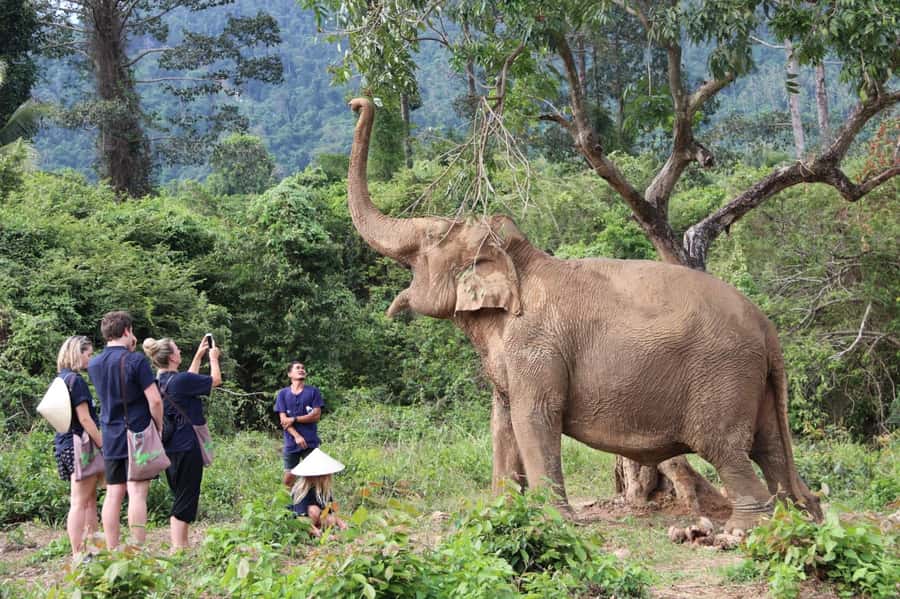
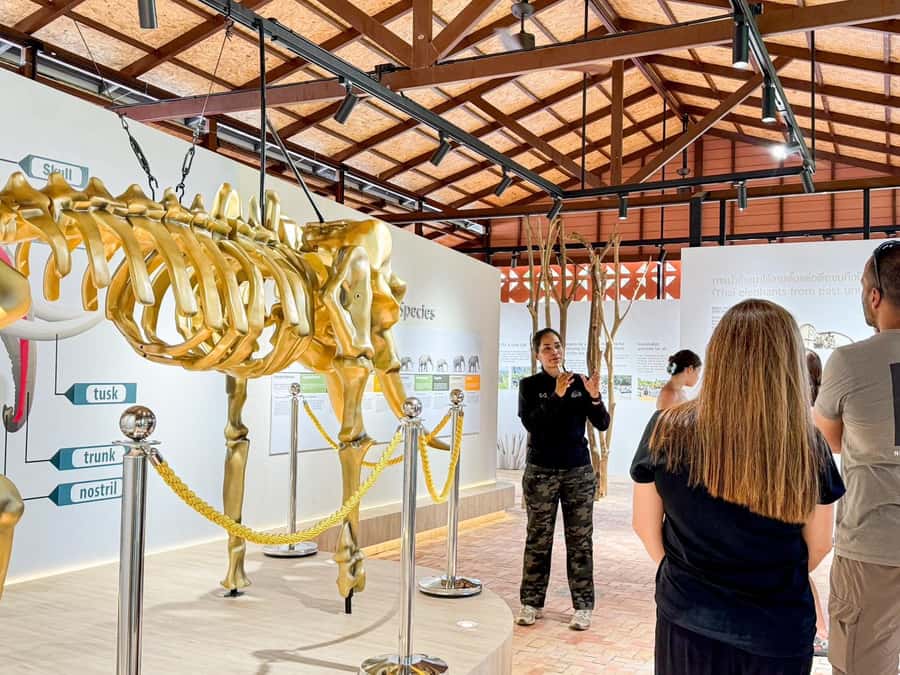
This is not a dusty display room. The museum portion is designed as a story framework so the jungle section makes sense fast.
You’ll learn about Thai elephant heritage and the historical role elephants have played in spirituality and daily life in Thailand. Then the focus shifts toward modern elephant care: rescued elephants, how mahouts support wellbeing, and how care decisions connect to natural behavior.
What makes the museum section genuinely useful is that it sets up your eyes. Instead of only watching for “cute moments,” you understand what to notice:
- how elephants manage heat
- how social behavior affects calmness
- why nutrition matters day to day
Guides such as Angie and Kathy come up often in the experiences people share, and you can expect this part to be guided in real conversation style, not just reading plaques. If you like learning while you walk through exhibits, this museum approach hits the sweet spot.
The jungle walk: watching rescued elephants roam freely
This is the heart of the experience. You’ll head into the jungle with a guide and observe elephants roaming freely in a habitat setting. You walk at a respectful distance, which is key for your own comfort and for theirs.
During this portion, the elephants are foraging and moving around at their own pace. You’re not meant to crowd them, corner them, or constantly ask for contact. Instead, you get wildlife viewing time where you can focus on body language: how they move as a group, how they pause, and what calm looks like when animals aren’t pushed.
A detail I consider important: the program avoids the most common “performance” behaviors. One review specifically pointed out that this tour does not do mud-bathing, with the idea that it can be dangerous. Even if you’re traveling with friends who’ve done other elephant tours, you’ll likely feel more comfortable knowing the program is structured around safety and restraint.
Mahout demonstrations: organic food and what elephants actually need
One of the most educational parts is the mahouts’ nutrition and food preparation demonstration. You’re not just told to feel happy for the elephants. You learn how their daily nutrition is put together and why it supports elephants at different life stages.
The guide explains dietary needs and health considerations, and you watch organic food being prepared as part of the routine. For me, this is where an “ethical” tour stops being a buzzword and starts being a system.
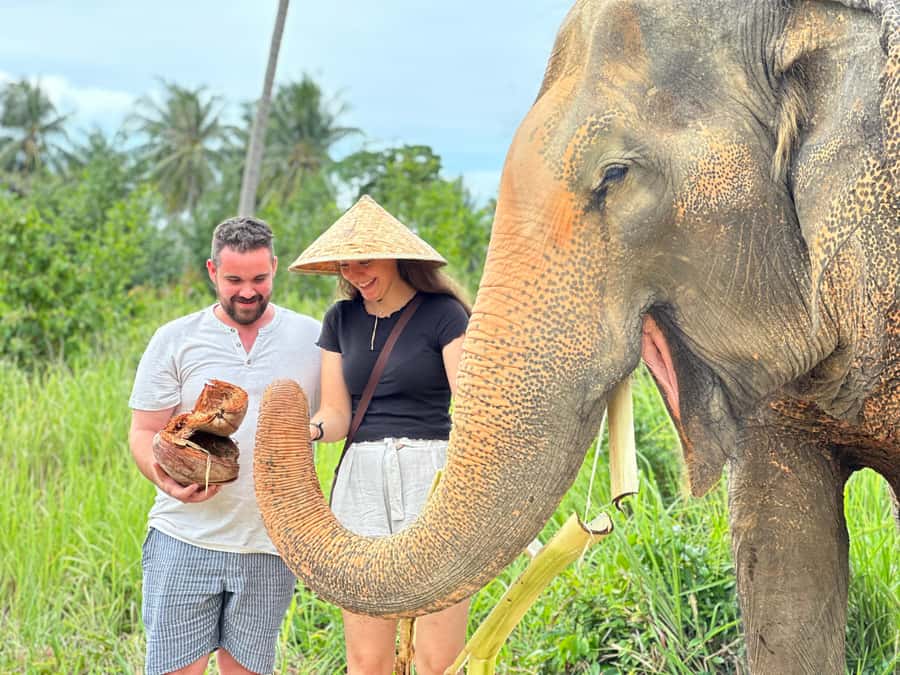
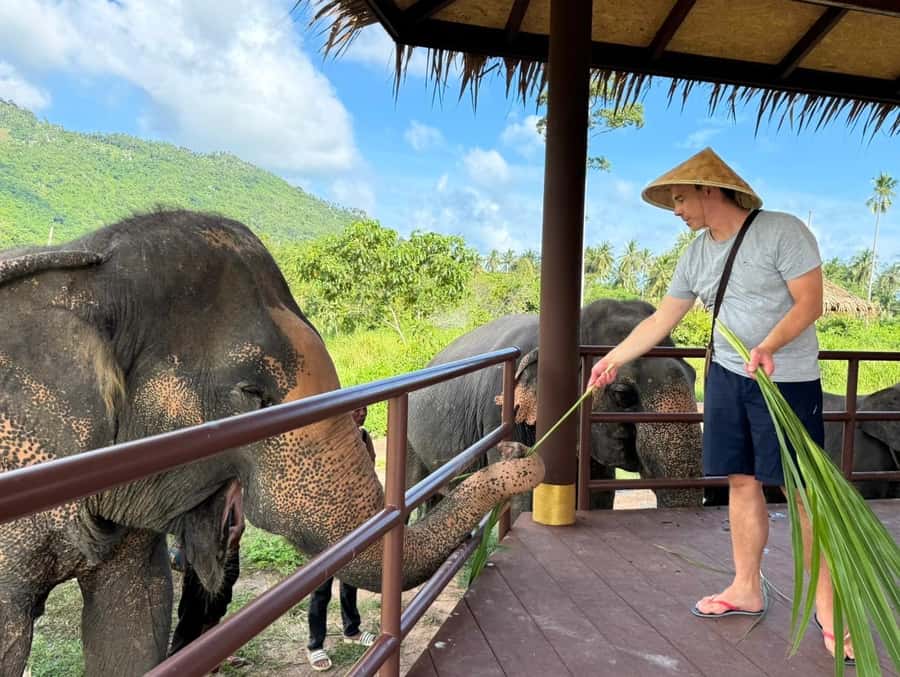
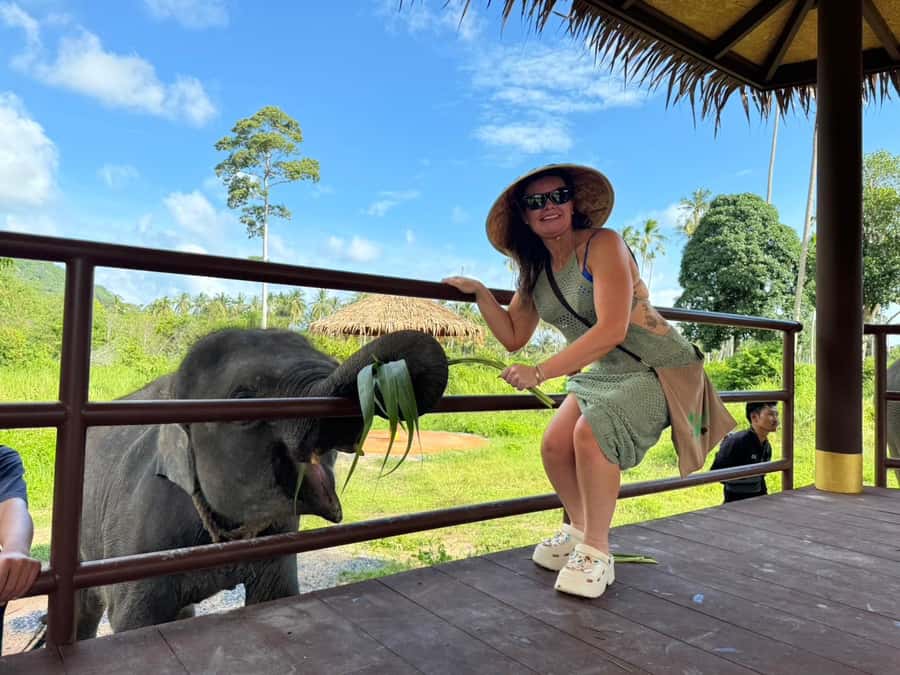
You may also have the chance to interact in a limited way (for example, offering treats in a controlled setting). Some people describe feeding moments with treats like bananas and sugarcane. The main point for your expectations: you’ll be guided on how to do it safely and respectfully, and you won’t be doing anything that turns the elephants into a playground.
Seed bombs with a slingshot: a fun activity with real habitat intent
After the jungle walk, you get to make seed bombs using clay and native plant seeds. Then you launch them using a traditional slingshot as part of a conservation action to support forest regrowth.
This is the kind of activity that works for different travel styles:
- If you like hands-on tasks, you’ll enjoy making the bombs and participating in the launch.
- If you prefer watching, it still breaks up the day and gives you a meaningful action.
- If you’re traveling with kids or teens, it’s often memorable because it feels like play with a purpose.
What I like most is the logic: food and habitat matter for the elephants long-term. Seed bombs aren’t a magic fix, but they’re a small, concrete way to support the idea of future food sources.
After the walk: how elephants cool down naturally
At the end of the jungle portion, you’ll see how mahouts support elephants afterward so they can cool down naturally in the tropical heat.
This part is worth your attention because it explains the basics of elephant comfort in real conditions: shade, water, and calm routines. You’re not just learning facts; you’re seeing a routine designed to reduce stress.
It also reinforces something subtle but important: the tour keeps respecting the idea that the elephants make choices. You’re observing the calm afterward, not chasing them for more action.
What to bring (so the heat doesn’t ruin your day)
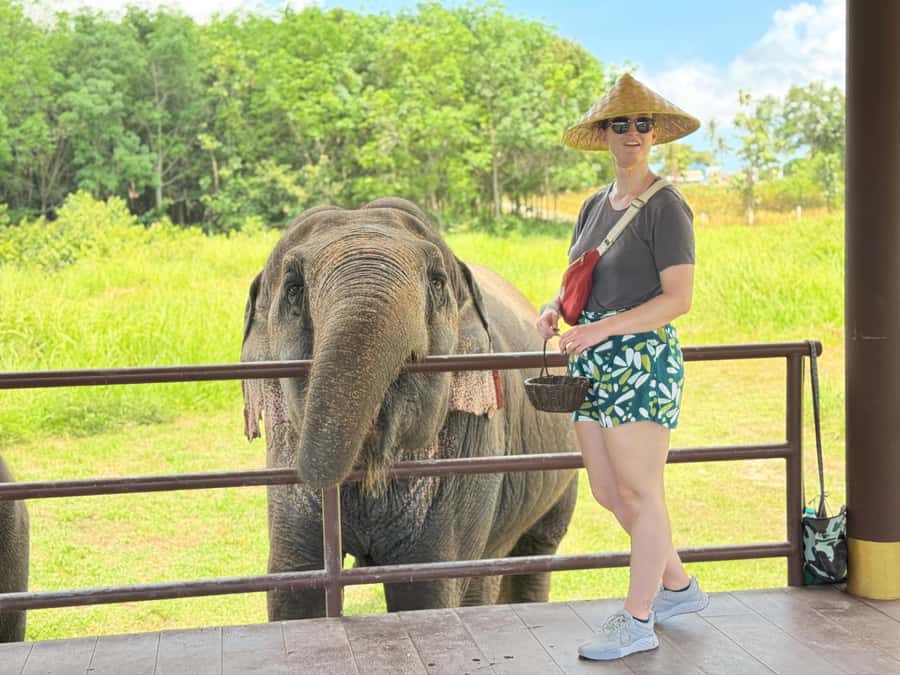
Plan like you’re walking in tropical sun. The essentials are straightforward:
- Comfortable shoes for walking
- Hat and sunscreen
- Camera
- Insect repellent
You can also expect a fairly warm environment, so dress for that reality. If you’ve got a lightweight long-sleeve shirt, that can help with sun and bugs. The tour is about observation, and you’ll enjoy it more when you feel physically comfortable.
Also note what’s not allowed: alcohol and drugs.
Small-group feel and guide quality: why names matter
One theme that shows up in experiences shared by others is guide quality and attention. People mention guides like Angie, Kathy, Katie, Katy, and Noot, and they praise the clarity of explanations and the guides’ passion for elephant welfare.
Group size can vary, but some experiences have been described as very small, even around four people. If you hate big tourist crowds, this is another reason to consider the tour a strong option on Samui.
The bigger point: when your guide explains what you’re seeing, you stop treating elephants like wallpaper and start understanding what freedom, nutrition, and calm care look like in practice.
Who this tour is best for (and who should think twice)
This program is a good fit if you want:
- education + observation, not rides and forced contact
- an elephant day that includes Thai heritage context
- a chance to do a conservation activity that ties into habitat
It’s also a good match if you’re traveling with animal-minded friends and you don’t want to argue about mud bathing or elephant tricks.
One note to consider: because the experience includes the museum/classroom portion, if you’re the type who wants maximum time in the field, you might wish the schedule leaned even more toward the jungle. That trade-off may be fine for you if you value learning first and watching after.
Should you book Samui: Elephant Jungle & The First Elephant Museum?
I’d book it if you want a structured, guided elephant experience that centers on natural behavior, nutrition education, and calm post-walk care. For the price, the combination of hotel transfer, museum storytelling, jungle observation, and seed-bomb conservation action makes it feel like more than just a stop at an animal site.
I’d think twice if your top priority is maximizing time in the jungle only. This tour is balanced by design, and some of that balance comes from the museum portion.
If you’re the kind of traveler who likes your ethics paired with actual information, you’re going to leave with a clearer picture of what elephants need and what your small actions can support.
FAQ
How long is the Samui Elephant Jungle and the First Elephant Museum experience?
It lasts about 3 hours.
Where do you get picked up, and is transfer included?
Pickup is from your hotel on Koh Samui, and roundtrip transfer is included.
What’s included in the tour?
You get a guided tour of the Elephant Museum, a walk with elephants in their natural habitat, seed bomb crafting, a welcome drink, full insurance, and a live English-speaking guide.
Is the tour wheelchair accessible?
Yes, it is listed as wheelchair accessible.
What should I bring?
Bring comfortable shoes, a hat, sunscreen, a camera, and insect repellent.
Are there any restrictions?
Alcohol and drugs are not allowed.