REVIEW · NATIONAL ROMAN MUSEUM PALAZZO MASSIMO ALLE TERME
Roman National Museum Reserved Entrance Ticket
Book on GetYourGuide →Operated by TOURISTATION · Bookable on GetYourGuide
One ticket, three Roman museum stops. That’s the smart part: you get reserved access to Palazzo Altemps, Palazzo Massimo, and the Baths of Diocletian, with an audio guide on your phone so you can set your own pace.
I love that the ticket is built like a circuit. You’re not just wandering one building; you’re seeing different types of Roman art and architecture in a single day. I also like the mix of formats: classic collections in palaces plus the scale of the baths complex at the end.
One drawback to keep in mind: you’re responsible for timing yourself across sites, and if you assume the visit is limited to a single narrow time slot, you could end up feeling rushed. I’d plan with extra breathing room and confirm how your reservation works inside the booking app before you commit your schedule.
In This Review
- Quick hits before you go
- Roman National Museum ticket: three sites, one smart day plan
- Piazza Navona meeting point and the 25-minute start-video
- Palazzo Altemps: Renaissance palace, Roman sculpture at close range
- Palazzo Massimo: frescoes, mosaics, portraits, and Roman life details
- Baths of Diocletian: the largest thermal complex, now in museum form
- Using the mobile audio guide (and avoiding a rushed day)
- Price and value: what the package is paying for
- What to know so you don’t get stuck
- Who this experience fits best
- Should you book this Roman National Museum reserved ticket?
- FAQ
- What does the Roman National Museum reserved entrance ticket include?
- Where do I exchange my voucher?
- How long is the experience?
- Is there an audio guide, and what languages are available?
- Is a guided tour included?
- Do I need transportation between attractions?
- What should I bring with me?
- What items are not allowed?
- Is free cancellation available?
Quick hits before you go
- Reserved entry to three National Roman Museum sites so you can move through the day with less waiting
- Mobile audio guide app (English, Italian, French, German, Spanish) lets you pause, replay, and go at your speed
- 25-minute Ancient Rome multimedia video at the start to give you the big picture fast
- VR glasses are included in the package cost, adding a tech layer if that’s your thing
- One meeting point at Piazza Navona (Touristation, Piazza Navona 25) where staff helps you get going
Roman National Museum ticket: three sites, one smart day plan
This is a practical ticket for anyone who wants more than one museum stop but doesn’t want to juggle separate entries. Instead of paying for each location on its own, you roll them into one reserved package, covering three heavy-hitters of Roman culture: the palace museums and the baths complex.
I think the biggest value here is how the experience teaches you Rome from multiple angles. Palazzo Altemps leans into sculpture and collecting. Palazzo Massimo is about Roman daily life through art like frescoes, mosaics, imperial portraits, and even ancient coins. Then you close with the Baths of Diocletian, where the building itself tells a story about power, engineering, and urban life.
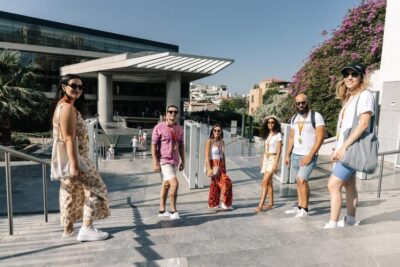
And yes, it’s also set up for photos. Between palace halls and outdoor-looking spaces, you’ll find plenty of chances to take pictures and selfies with a Rome backdrop, without feeling like you’re dodging everything for a single famous room.
Piazza Navona meeting point and the 25-minute start-video
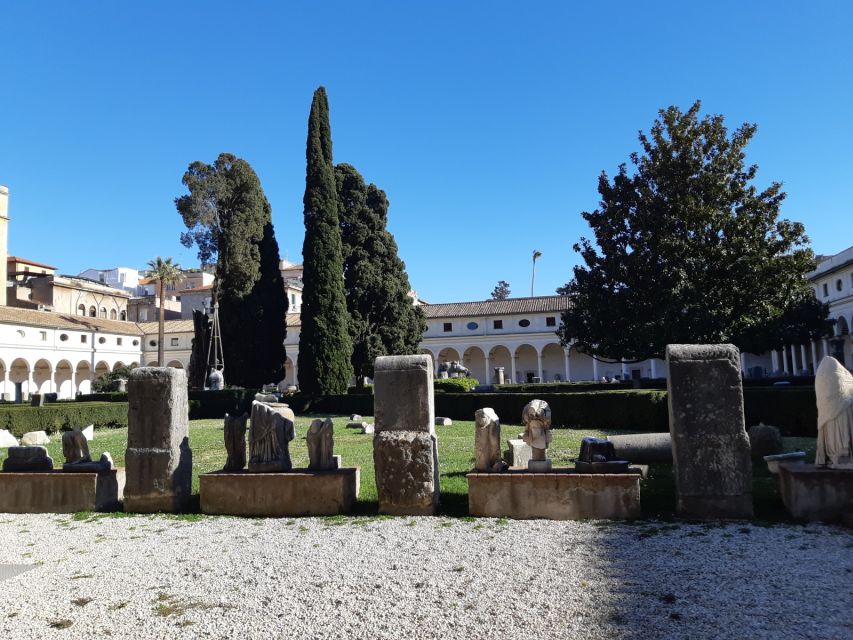
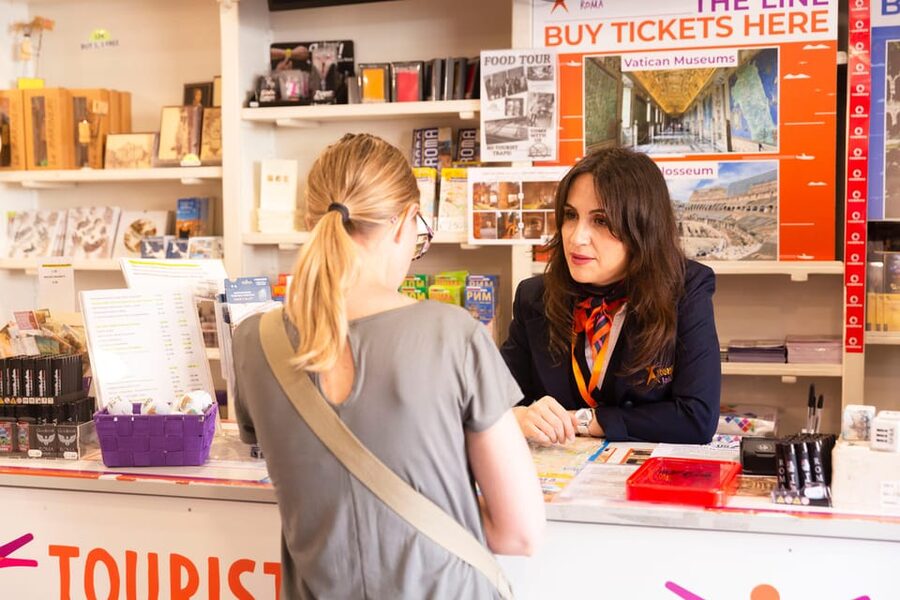
Your day begins with a straight-to-business meeting setup. You exchange your voucher at the Touristation office, Piazza Navona 25. There’s assistance at the meeting point, which matters because it helps you get the audio app running and prevents that early-day scramble.
Before you head into the museum route, you watch a 25-minute multimedia video focused on Ancient Rome. This isn’t just filler. It helps you understand what you’re about to see—especially if you don’t already know the difference between Roman art styles, imperial themes, and the way these museums were assembled. If you’re the type who likes context before you look closely, this is a real advantage.
One more practical note: transportation between attractions is not included. That’s not a problem if you like walking or are using your own transit plans, but you should build in travel time between Palazzo Altemps, Palazzo Massimo, and the Baths of Diocletian.
Palazzo Altemps: Renaissance palace, Roman sculpture at close range
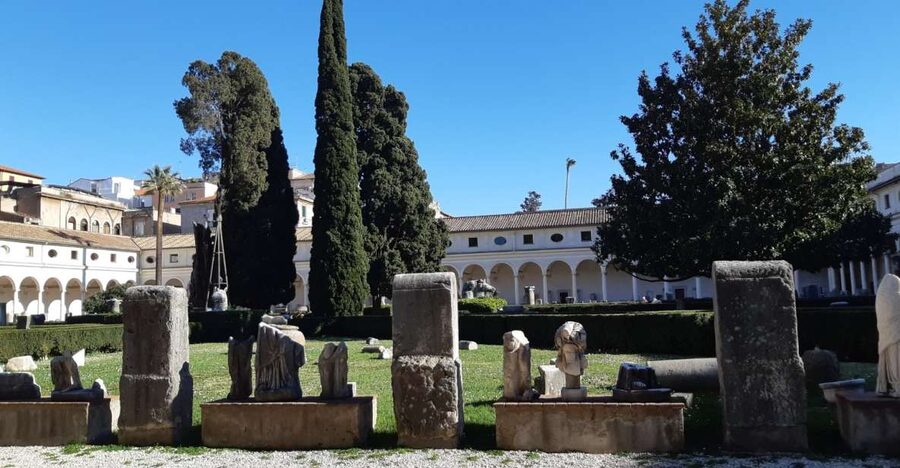
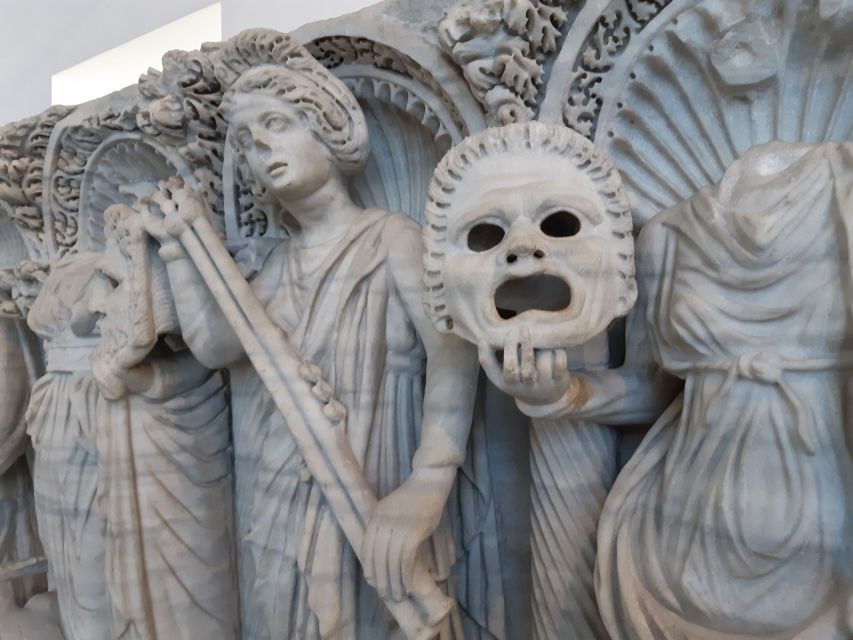
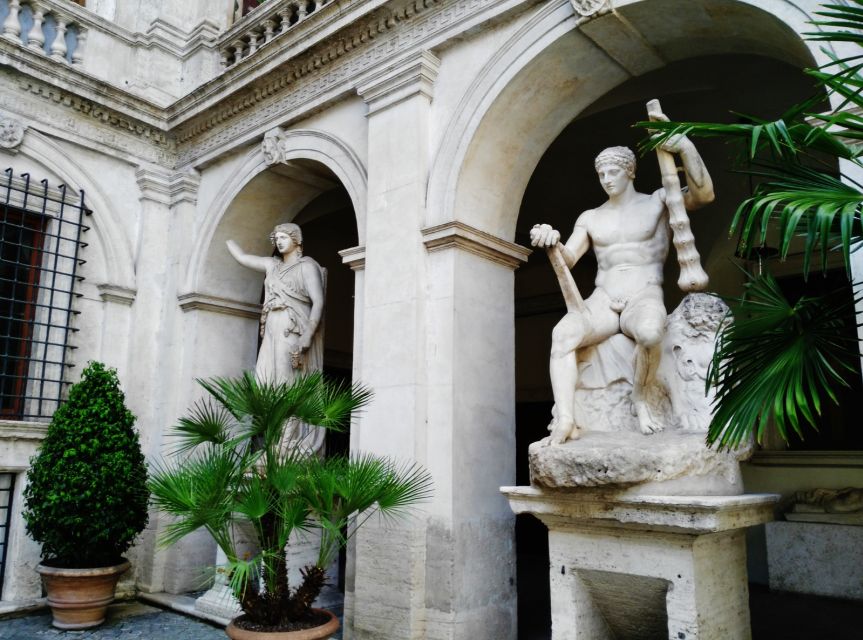
Your first stop, Palazzo Altemps, is a Renaissance setting for Roman masterpieces. That contrast matters. Roman sculpture often feels powerful in open-air ruins or grand halls, but here it has the calm, indoor feel of a preserved palace. The result is a quieter kind of impact: you can take your time and look carefully instead of rushing past everything.
In Altemps, you’ll focus on classical sculptures and the stories connected to them. The collection is built around ancient gods and heroes, and the palace helps you connect the dots between art and the people who preserved it. In practical terms, that means your audio guide will feel more useful here: the better you understand the themes, the more you’ll notice in the details.
This is also a good site if you like “slow looking.” The palace’s courtyards and elegant rooms give you natural pause points. You can stand back for composition shots, then move in for the sculpture details while the guide explains what you’re seeing.
My tip for photos: take a few wide shots first to frame the palace vibe, then switch to close-ups once you’re settled. It’s easier to get clean photos when you aren’t constantly shifting your plan.
Palazzo Massimo: frescoes, mosaics, portraits, and Roman life details
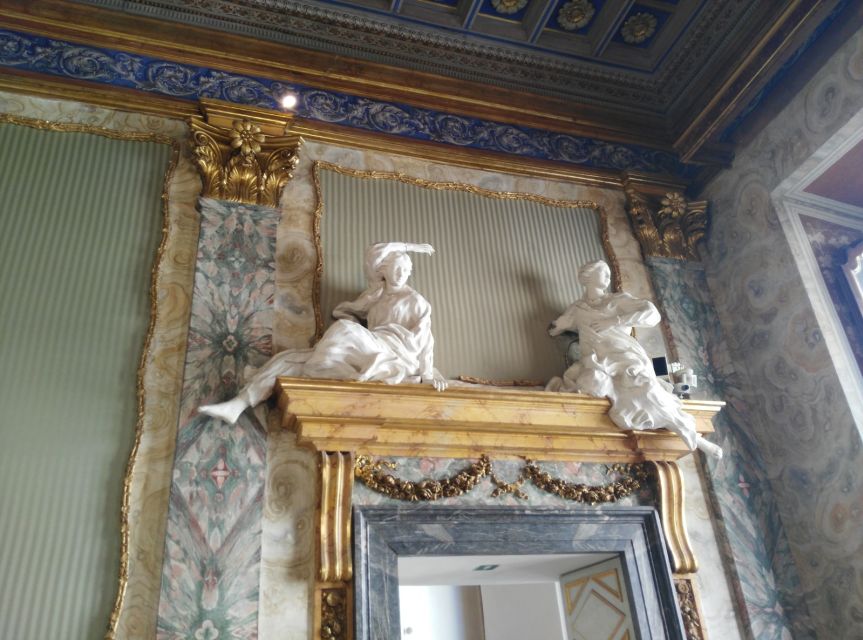
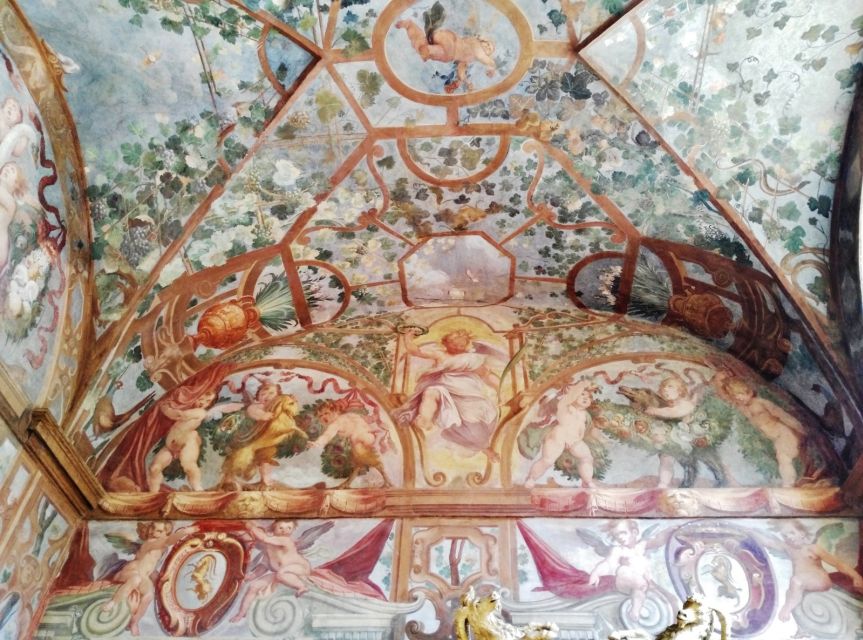
Next up is Palazzo Massimo, one of the most important collections of Roman art in the world. The key difference from Altemps is the variety. Here, you’re not only looking at sculpture—you’re also seeing how Roman culture shows up in wall art, portraits, and everyday objects.
Expect highlights like:
- frescoes and mosaics that reflect Roman taste and decoration
- imperial portraits and artwork linked to power and status
- ancient coins, which can be surprisingly fun because they connect art to economics and government
Two named moments are worth centering your visit around. You’ll hear about the garden frescoes from the Villa of Livia. If you’re used to thinking of Rome as monuments and emperors, this is a reminder that Romans also cared about domestic design and visual storytelling at home. Another standout is the statue of the Boxer at Rest, a famous work that you can experience in a museum setting where you can really study posture and anatomy.
One thing I like about Massimo as a stop is that the art feels like it covers both “big” Rome and the small lived-in parts. Your audio guide will help you switch gears as you move from one room theme to another, so you’re not stuck with only one kind of topic for the whole day.
If you’re planning your timing, Massimo is the place where you may naturally spend more minutes. It has enough variety that it’s hard to rush.
Baths of Diocletian: the largest thermal complex, now in museum form
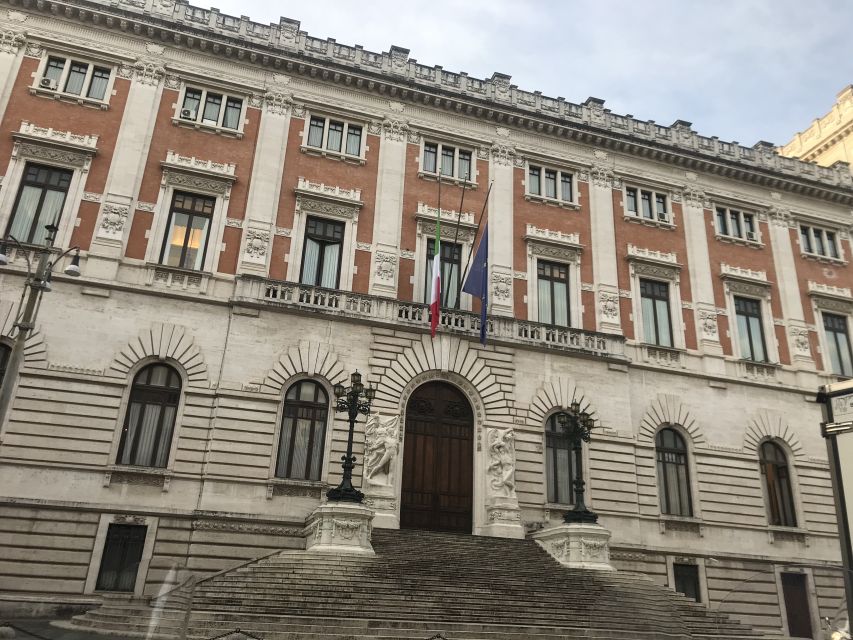
You finish at the Baths of Diocletian, once the largest thermal complex in Ancient Rome. This is where the experience changes tone. Palaces are about preserved rooms and curated collections. The baths are about scale, engineering, and how a public space shaped daily life.
Walking through the ruins and galleries is where it starts to click for me: even without background knowledge, you can sense how important this site was to the functioning of the city. The audio guide helps connect what looks like stone and arches to what it used to do—how people would move through spaces, and how bath life fit into broader Roman society.
What I think you’ll like most is the mix of archaeology and architecture. You’re not only looking at objects behind glass. You’re also seeing how buildings were designed and used. That gives you a different kind of understanding than a sculpture gallery.
Also, this stop is a strong photo location. Ruins and architectural details create natural frames for images, and the setting makes it easy to get shots that look like Rome without trying too hard.
Using the mobile audio guide (and avoiding a rushed day)
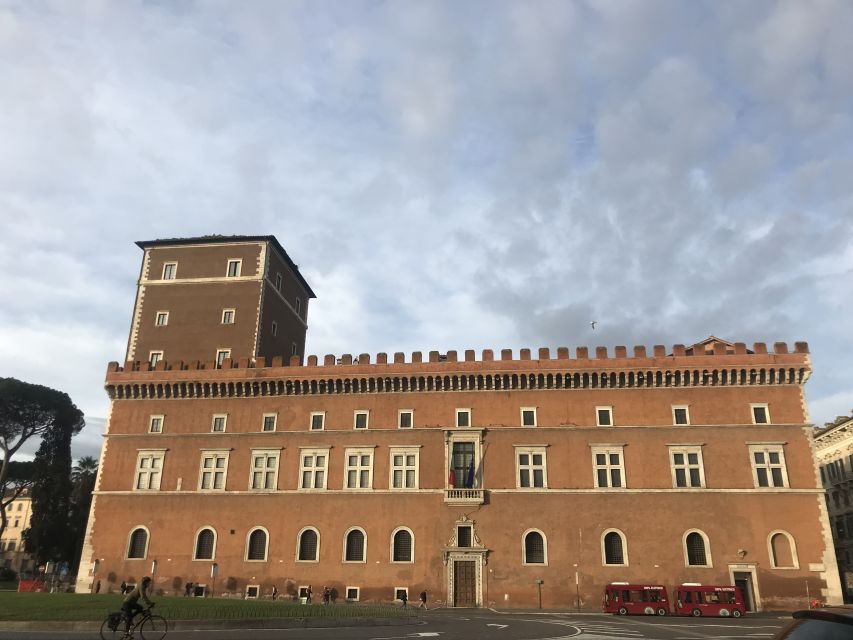
The ticket includes a city audio guide app, available in English, Italian, French, German, and Spanish. That flexibility is more important than it sounds. When the guide is in your language, you’ll actually follow along, and the experience becomes less about reading labels and more about understanding what you’re looking at.
I recommend a simple strategy: don’t press play and wander randomly. Instead, use the app to pick a few rooms you care about, then let it guide you through those areas. That keeps your day from turning into “listen to everything, see nothing.”
There’s also a 4/5-star reality check from real bookings. One review mentioned confusion about how the ticket could be used over a longer validity period rather than only within the exact time slot shown in the app, and the person felt disappointed because they rushed. You can avoid that frustration by doing one thing before you start: confirm in your booking app how your reserved access works in practice, so you don’t build your day on the worst-case assumption.
Finally, VR glasses are part of what your ticket’s retail pricing covers. If you’re curious, use it. If you’re not, you can treat it as an optional add-on rather than the center of your day.
Price and value: what the package is paying for
This experience is listed at $35 per person for 1 day access. The retail breakdown included in the information helps you judge whether it’s fair for your style of visiting.
Here’s what the cost covers:
- €15 for adults admission with reservation to each of the three sites (Palazzo Massimo, Palazzo Altemps, and the Baths of Diocletian combined into that €15 total admission line)
- €15 for adults for the Ancient Rome multimedia video
- €8 for adults for virtual reality glasses
(And minors have different admission/free rules for parts of the package.)
So you’re not only paying for entry. You’re paying for the reserved access structure plus the onboard setup elements (video, audio app, and VR glasses). If you’re the type who dislikes waiting in ticket lines and prefers a clean start-to-finish route, this becomes good value.
Is it worth it if you hate audio guides? Maybe not. But if you’re happy listening while you look, you’re getting a guided layer without paying for a live guide.
What to know so you don’t get stuck
A few practical rules can affect your comfort level:
- Bring passport or ID card
- Pets are not allowed
- No weapons or sharp objects
- No luggage or large bags
- Alcohol and drugs are not allowed
Plan your day around those constraints. Museums can be strict about what they allow inside, and it’s better to travel light than to deal with storage hassles mid-route.
Also, your ticket doesn’t include transportation. So make sure you’re comfortable moving between sites on your own.
Who this experience fits best
This ticket works especially well if:
- you want three major National Roman Museum locations in one day
- you prefer learning through audio, at your own pace
- you like art plus real Roman architecture (palaces and baths)
It may be less ideal if you strongly prefer a guided tour with a person leading the whole route, because this experience explicitly does not include a guided tour. It’s more “self-directed with tools,” not “tour group with a lecturer.”
Based on overall ratings (a solid 4 with many 5-star experiences), most people seem to walk away feeling it was worth it. One low rating centered on confusion about scheduling flexibility, which is a planning issue you can handle by checking the details in the app before you rush into a day plan.
Should you book this Roman National Museum reserved ticket?
Book it if you want a straightforward Roman art and architecture day without ticket-line stress, and you’ll actually use the audio guide app. I’d especially recommend it for first-timers who want a “cover the bases” route: sculpture and collecting at Altemps, broader Roman art at Massimo, then the Baths of Diocletian to anchor everything in Roman engineering and public life.
Skip it only if you expect a guided tour experience, or if you’re the type who hates planning your timing at all. This works best when you’re willing to carry your own pace across three sites.
If you’re okay moving between locations and letting the phone audio do the heavy lifting, this is a good value way to experience some of Rome’s most significant museum highlights in one packed but manageable day.
FAQ
What does the Roman National Museum reserved entrance ticket include?
It includes a reserved entrance ticket to the Roman National Museum sites (Palazzo Altemps, Palazzo Massimo, and the Baths of Diocletian) and a city audio guide app.
Where do I exchange my voucher?
You exchange your voucher at the Touristation office, Piazza Navona 25.
How long is the experience?
The duration is listed as 1 day. You’ll want to check availability for starting times.
Is there an audio guide, and what languages are available?
Yes. The audio guide app is included and is available in English, Italian, French, German, and Spanish.
Is a guided tour included?
No. A guided tour is not included.
Do I need transportation between attractions?
Transportation between attractions is not included, so you’ll need to arrange your own way to move between the sites.
What should I bring with me?
Bring a passport or ID card.
What items are not allowed?
Pets are not allowed. Weapons or sharp objects are not allowed. Luggage or large bags are not allowed. Alcohol and drugs are not allowed.
Is free cancellation available?
Yes. You can cancel up to 24 hours in advance for a full refund.