REVIEW · PULA
Pula: House of Istrian Olive Oil Museum and Guided Tasting
Book on GetYourGuide →Operated by Idea Istra d.o.o. · Bookable on GetYourGuide
Olive oil lessons beat another rainy day. In Pula, the House of Istrian Olive pairs Roman-era context with a guided tasting that trains your nose and palate.
I love how the visit mixes history with clear, practical guidance. I also like the tasting-room format that pushes you to compare high-quality Istrian extra virgin olive oil against more typical supermarket oil.
A possible drawback: this is very much about tasting and judging oils, so if you prefer hands-on making or zero-sampling experiences, you might find it a bit focused on evaluation rather than production.
In This Review
- Key Things That Make This Experience Worth Your Time
- Stepping Into the House of Istrian Olive in Central Pula
- From Romans to Today: What the Museum Teaches First
- The Tasting Room: How You Learn to Taste Like You Mean It
- How to Recognize Premium Extra Virgin Olive Oil (Without Guessing)
- Comparing Istrian EVOO to What You See at the Store
- Dessert Pairing: The Flavor Lesson Hidden in Something Sweet
- The Shop After the Tasting: What You Can Actually Bring Home
- Price and Value: What You Get for $35 Per Person
- Languages, Timing, and How the Experience Fits Your Day
- Who This Tour Is Best For (And Who Might Skip)
- Should You Book the House of Istrian Olive Oil Tasting?
- FAQ
- What happens during the House of Istrian Olive Oil visit?
- How many olive oils will I taste?
- Is there an audio guide?
- What languages are the guided experience offered in?
- Do I get a dessert during the tasting?
- Is there a shop at the House of Istrian Olive Oil?
- Can I pay later and get a refund if plans change?
Key Things That Make This Experience Worth Your Time
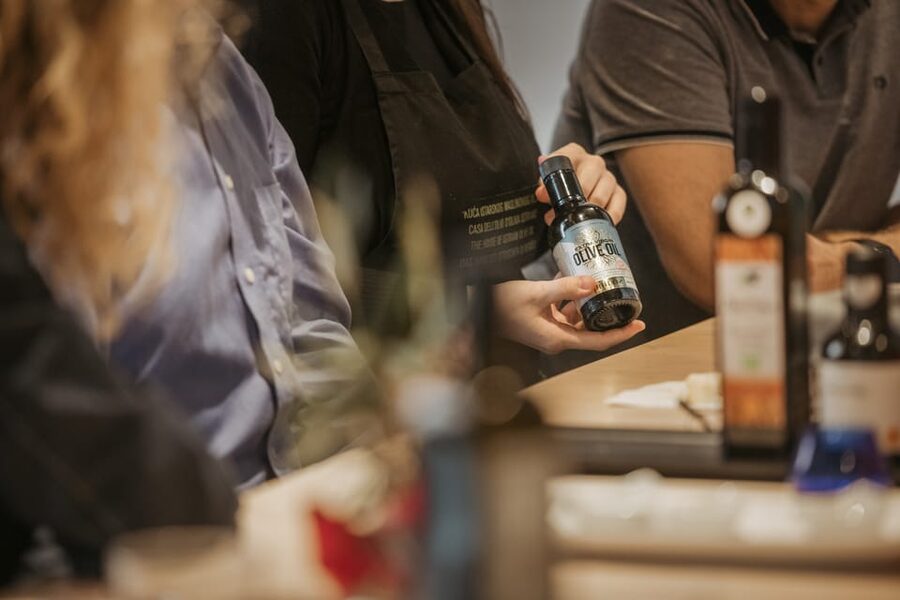
- Roman olive oil, explained simply: how it was made and exported, without museum fog
- Two short films: one on traditional processing, one on how it’s done today
- Guided tasting of 5 extra virgin oils: taste, aroma, texture, and appearance all get your attention
- A teach-you-to-spot-quality session: what to look for in premium EVOO versus weaker bottles
- Dessert paired with olive oil: a surprisingly useful way to understand flavor and balance
- Shop time for Istrian food and gifts: olive oil plus truffles, brandies, lavender cosmetics, and souvenirs
Stepping Into the House of Istrian Olive in Central Pula
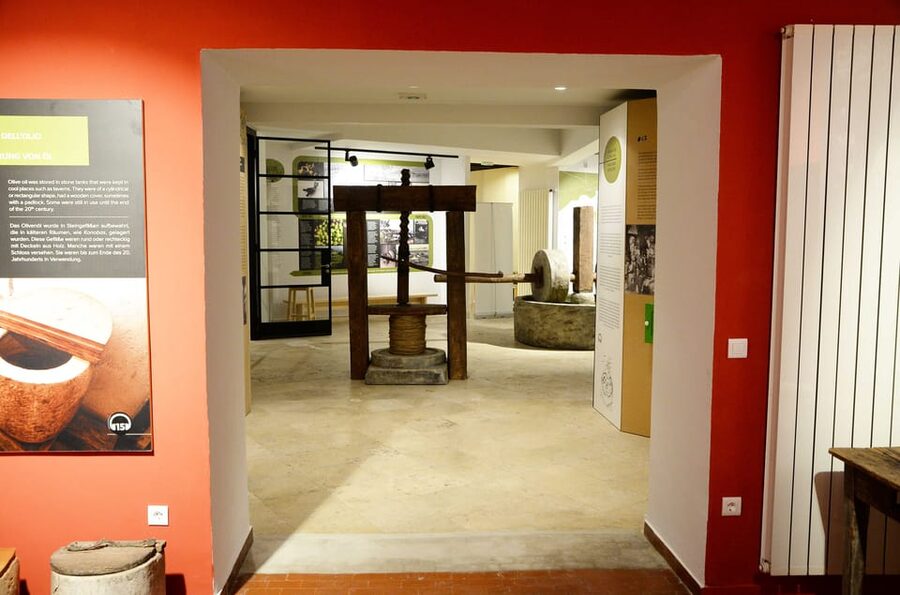
This is the kind of stop that works on almost any day. You’re in the center of Pula, walking into a dedicated space focused on one product: olive oil. That narrow focus is part of the value. Instead of getting broad tourist fluff, you get a clear education path that ends with you doing the real thing—tasting.
The experience starts with you entering the House of Istrian Olive Oil and settling into the flow of exhibits. Expect a guided learning style where visuals and explanations support what you’ll practice later. If you’ve ever tried olive oil and thought, It tastes… different, this place helps you turn that vague feeling into something specific you can describe.
And yes, it’s an educational stop that still feels pleasant. One review highlighted the exhibits as interestingly designed and entertainingly described. Another called it a great rainy-weather option in Pula, which tracks. When the weather turns, you can still have a hands-on-feeling experience without heading out again.
From Romans to Today: What the Museum Teaches First
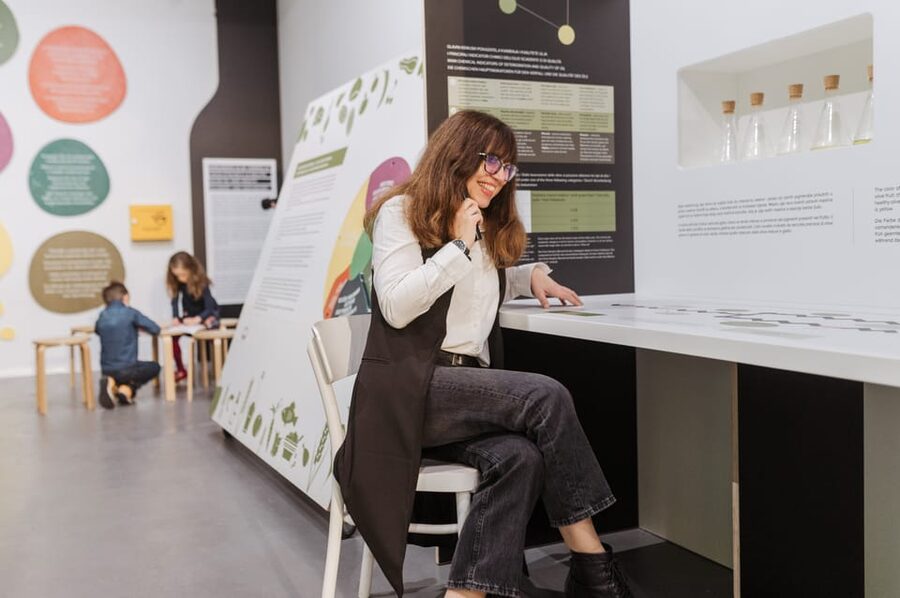
Before you taste, the museum puts olive oil into context. You’ll learn about olive oil history in Istria, including how the Romans made olive oil and where and how it was exported. Even if you’re not a Rome superfan, this matters because it explains why olive oil culture in Istria isn’t new or trendy—it’s tied to trade, food habits, and local identity.
A smart feature here is that the learning isn’t only text on walls. You’ll also watch two short films. One focuses on the traditional olive oil making process. The other shows how olive oil is made today. That contrast does more than add variety. It helps you understand why production details can affect flavor and quality.
The practical payoff: when you start tasting later, you’re not just judging taste out of nowhere. You understand that the oil you’re drinking is shaped by real processes—timing, methods, and quality control. That’s how “tasting notes” start to make sense instead of sounding like marketing.
The Tasting Room: How You Learn to Taste Like You Mean It
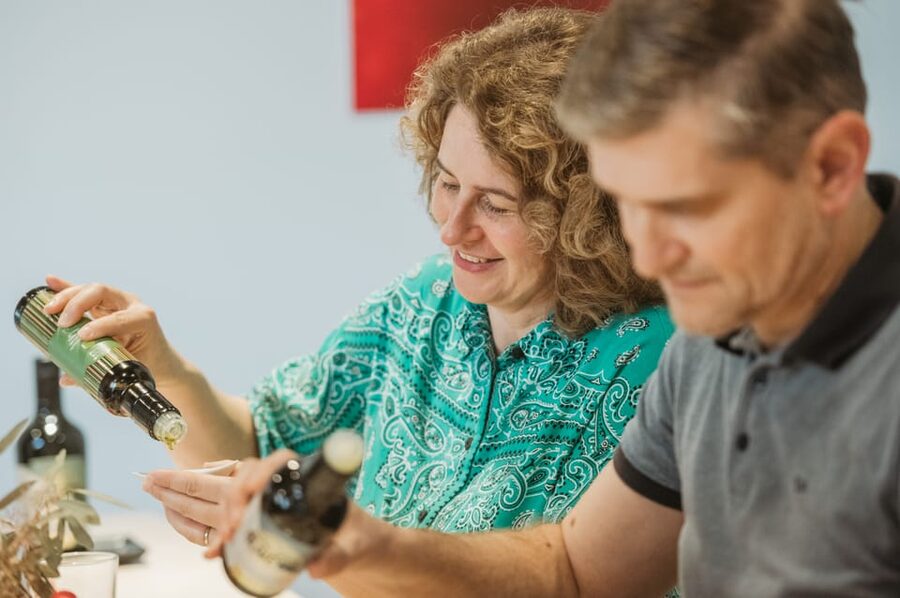
The heart of the experience is the guided tasting of 5 extra virgin olive oils. You’ll take a seat in the tasting room and learn to look closely at oils, not just sip quickly and move on.
Here’s what you’ll practice:
- Taste: how bitterness and peppery notes can show up in quality EVOO
- Aroma: what fresh olive fruitiness can smell like versus more muted or off notes
- Texture: the way higher-quality oils can feel more rounded or coherent
- Appearance: what color and look can suggest (with guidance so you don’t overthink it)
A lot of tastings either go full technical or stay too casual. This one aims for the middle ground: structured enough to teach you the skill, but simple enough to keep it enjoyable. One review said the tasting and sampling were very exciting and delicious—so you’re not stuck in a lecture.
Also, the guided part includes tasting oils that you’d recognize from daily life. You’ll compare high-quality Istrian olive oils with olive oil typically found in a supermarket. That comparison is key for value. It helps you spot differences you can actually shop for later, instead of only tasting rare bottles you’ll never buy.
How to Recognize Premium Extra Virgin Olive Oil (Without Guessing)
This is where the visit turns from “nice lesson” into “useful skill.” You’ll learn how to recognize premium extra virgin olive oil, including how to tell the difference between good and bad.
In the tasting session, you’ll understand:
- Positive attributes of olive oil (the quality traits you want)
- Negative attributes (what can make oil less desirable)
- How to recognize good versus bad olive oils in a way that’s not purely subjective
One strong review line summed up the contrast with mainstream oils as devils in disguise. I wouldn’t take it as a blanket insult to all supermarket olive oil, but I do like the attitude behind it: pay attention. When your senses are trained, you can shop smarter and waste less money.
A practical way to use what you learn here: when you buy olive oil, you’ll be more likely to notice whether it feels fresh, tastes balanced, and carries a clear olive character. You’ll also be more prepared to reject oils that seem bland, stale, or off, because you’ll know what you’re checking for.
Comparing Istrian EVOO to What You See at the Store
One of the smartest parts of the experience is the explicit comparison between Istrian oils and typical supermarket oil. If you’ve ever tried to evaluate olive oil at home and felt lost, this solves that. Instead of guessing, you taste two sides of the same story.
That comparison does two things:
- It trains your palate on the range of what’s out there.
- It gives you a reference point so you can remember what quality tastes like later.
In other words, you leave with a mental shortcut. When you’re standing in front of bottles at a store back in your travels, you won’t start from zero.
And because the tasting is guided, you’re less likely to get stuck in analysis. You can ask questions and get direction during the session, which one review said was handled with enthusiasm and thoroughness.
Dessert Pairing: The Flavor Lesson Hidden in Something Sweet
After the tasting of five extra virgin olive oils, you’ll try a pairing of a sweet dessert with a selected olive oil. This is not just a sweet add-on. It’s actually a helpful way to understand how olive oil flavor interacts with other tastes.
Here’s why the dessert pairing is worth paying attention to:
- It changes the context of the olive oil, so you can perceive aroma and flavor notes differently.
- It teaches balance. Quality olive oil can add complexity even when paired with sweetness.
- It helps you remember traits later, because you associate them with a specific moment and taste combination.
Even if you’re not a dessert person, this segment makes the visit feel like more than “just tasting oil.” It turns what could be repetitive (five oils back to back) into a mini experience with contrast.
The Shop After the Tasting: What You Can Actually Bring Home
At the end, you can visit the shop with a wide selection of Istrian extra virgin olive oils, plus brandies, truffles, lavender based cosmetics, and souvenirs.
This shop matters for two reasons.
First, it turns learning into action. If you tasted something you genuinely liked, you can buy the bottle while the experience is still fresh in your mind.
Second, it’s a practical one-stop for Istria gifts. Not everyone wants to pack fragile food-only souvenirs. Here you can choose olive oil, truffles, or even lavender-based cosmetics depending on what fits your luggage and your budget.
If you do buy olive oil, I’d treat it like a small tasting victory: pick one bottle you loved most in the guided session, and consider a second choice only if it was clearly different enough to justify the extra space.
Price and Value: What You Get for $35 Per Person
The price is $35 per person, and whether it feels fair depends on what you want out of the experience. For me, the value is strongest because you’re not paying for a museum walk-through alone.
You’re paying for:
- Guided tasting of 5 extra virgin olive oils
- A dessert pairing with an olive oil
- Audio guide available in 12 languages
- A structured explanation of history and production, including two short films
- A skill focus on recognizing premium extra virgin olive oil
That combination is what makes the cost make sense. If you just wandered through a museum section about olive oil, $35 would be harder to justify. But here, the tasting is the main event, and the museum sets you up to taste more intelligently.
And if you’re the type who loves buying food souvenirs you can actually use at home, the shop at the end adds extra practical value. Even if you don’t buy anything, the tasting education still pays you back.
Languages, Timing, and How the Experience Fits Your Day
The guided tasting and experience are available in English and German, and you can also use an audio guide in 12 languages. That’s helpful if you’re traveling with friends who prefer different formats, or if you want extra help while reading the exhibits.
As for timing, the visit flows in clear phases: you enter the House of Istrian Olive oil, learn from exhibits and two short films, then move into the tasting room for the guided session with five oils and the dessert pairing. Plan your day so you’re not racing off immediately after the tasting. You’ll want a few minutes afterward to process what you learned—especially if you plan to shop.
Who This Tour Is Best For (And Who Might Skip)
This works best if:
- You want a real skill, not just a quick explanation
- You like food education that ends with tasting
- You’re shopping for olive oil in Istria and want to avoid guessing
- You want an indoor option that still feels interactive
You might want to skip or choose something else if:
- You’re not interested in tasting oils or comparing quality
- You prefer activities where you actively make something rather than evaluate it
- Olive oil isn’t a priority for your trip
Based on how people describe the tasting as exciting and delicious, and how they recommend it as an insightful lesson in quality differences, this experience seems to fit the “food nerd with a fun side” traveler really well.
Should You Book the House of Istrian Olive Oil Tasting?
With a 4.9 rating from 35 reviews, it’s clearly landing well with visitors. And from the way the visit is structured, it’s not a random add-on. It’s an education-to-tasting experience built around five EVOO samples plus a dessert pairing, with history and films that make those tastes easier to interpret.
So here’s my simple call:
- Book it if you want olive oil knowledge that changes what you buy and how you taste.
- Consider skipping if you’d rather do sightseeing without tasting or you already know olive oil evaluation so well that five guided samples won’t teach you much.
If your schedule allows, I think it’s a smart, rainy-day-friendly choice in Pula—especially because you leave with both a clearer palate and a list of what you actually like.
FAQ
What happens during the House of Istrian Olive Oil visit?
You enter the House of Istrian Olive Oil in central Pula to learn about the history of olive oil and how it is produced, watch two short films about traditional and modern production, and then take part in a guided tasting of 5 extra virgin olive oils. The experience also includes a sweet dessert paired with a selected olive oil.
How many olive oils will I taste?
You’ll take part in a guided tasting of 5 extra virgin olive oils.
Is there an audio guide?
Yes. An audio guide is available in 12 languages.
What languages are the guided experience offered in?
The experience is offered in English and German.
Do I get a dessert during the tasting?
Yes. You’ll have a sweet dessert paired with a selected olive oil.
Is there a shop at the House of Istrian Olive Oil?
Yes. You can visit the shop with a wide selection of Istrian extra virgin olive oils, brandies, truffles, lavender based cosmetics, and souvenirs.
Can I pay later and get a refund if plans change?
You can reserve and pay later, booking your spot and paying nothing today. You can cancel up to 24 hours in advance for a full refund.