REVIEW · VAN GOGH VILLAGE MUSEUM
Nuenen: Van Gogh Village Museum Nuenen Entry Ticket
Book on GetYourGuide →Operated by Van Gogh Village Museum · Bookable on GetYourGuide
Vincent van Gogh didn’t start here, but he sure changed here. In Nuenen, you get the setting—real streets, real seasons, and real working life—where he spent two crucial years shaping a large chunk of his output. The Van Gogh Village Museum makes that story feel personal, and then you can carry it straight into town with a walk or bike route tied to 24 Van Gogh locations.
Two things I especially like: you get a strong sense of Van Gogh as a person (not just a genius with a mustache), and the museum links his Nuenen years to specific works, including his first world-famous masterpiece, The Potato Eaters. A third plus is the way the audio guide supports you in eight languages, so you can actually follow the details without guessing.
One possible drawback: if your ticket is stored as a QR access code on your phone, you may be asked to use an app to get that code ready at the counter.
In This Review
- Quick hits you’ll care about
- Why Nuenen matters in Van Gogh’s 1883–1885 years
- Entering the museum: scan, then let the audio guide do the heavy lifting
- Inside the Van Gogh Village Museum: follow his story step by step
- What you should look for while you go
- The student artworks room: proof that Vincent’s influence spread
- A light room moment, then you head outside to Nuenen
- Where this works best (and where it doesn’t)
- Nuenen vs Eindhoven: planning your day without stress
- Price and value: what $16 buys you
- Who should book this, and who should think twice
- Best way to pace your visit (so it doesn’t feel like homework)
- Should you book the Van Gogh Village Museum ticket?
- FAQ
- Where is the Van Gogh Village Museum in Nuenen?
- How long does the experience take?
- What is included with the entry ticket?
- What languages are available for the audio guide?
- Do I need to scan my ticket somewhere specific?
- Is the museum accessible for wheelchairs?
- How do I get there from Eindhoven?
- Is there support in multiple languages on site?
- What’s the cancellation rule?
Quick hits you’ll care about
- Two years that matter: Van Gogh lived and worked in Nuenen from 1883 to 1885.
- Art with numbers behind it: you’ll hear how this period produced almost 25% of his total work.
- Audio guide in 8 languages: English included, plus Dutch, German, French, Spanish, Italian, Japanese, and Chinese.
- A museum plus 24 village stops: interactive signposts connect the story to real Nuenen locations.
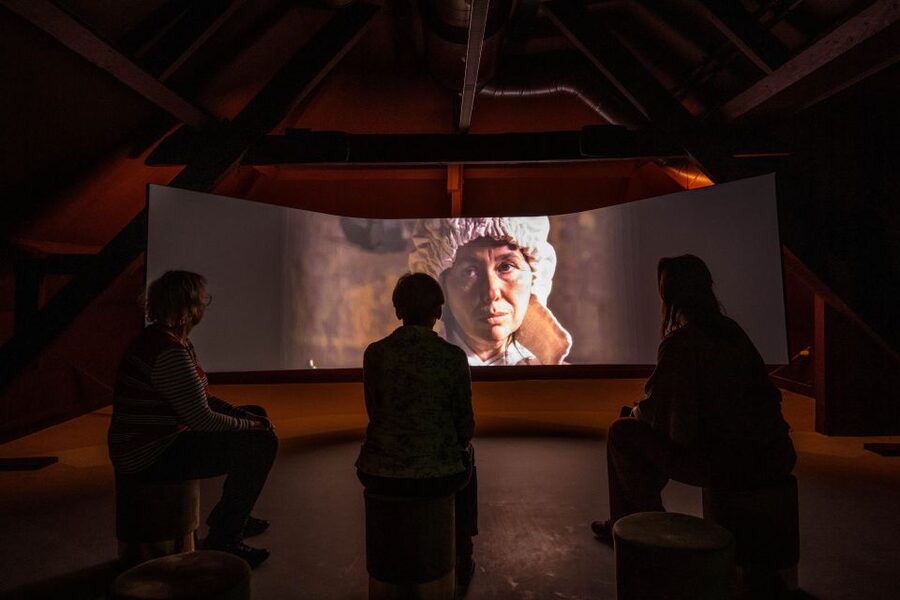
- Student artwork inside: there’s a unique collection of original works by four of Vincent’s students.
- A memorable museum finale: visitors often point to a light-focused room at the end before heading outside.
Why Nuenen matters in Van Gogh’s 1883–1885 years
If you only think of Van Gogh as a wall-to-wall masterpiece machine, Nuenen has a way of correcting that. During his time here—1883 to 1885—he didn’t just paint. He lived like a working artist in a specific place, studying the people around him and the countryside energy near Eindhoven.
This is also where you learn why he was so taken with the village and the surrounding area. That matters because it reframes his work: the paintings aren’t floating free in history. They come from routine, observation, and relationships—especially since he also gave lessons while living here. You’ll see that reflected in how the museum tells the story, focusing on life, work, and the community angle rather than treating the art as isolated objects.
And yes, you’ll get the big-name anchor: this is where he painted The Potato Eaters, described as his first world-famous masterpiece. When you connect that painting to the time and place it came from, it hits differently than seeing it in a gallery far away.
Entering the museum: scan, then let the audio guide do the heavy lifting
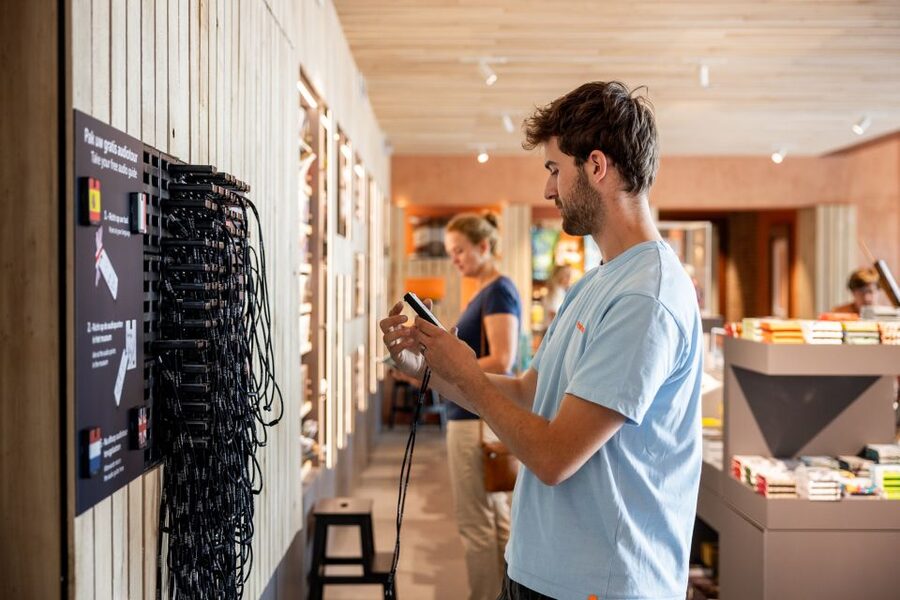
Your entry is simple. You scan your ticket at the counter inside the museum. The setup is geared for you to get moving rather than waiting around in a slow queue, and there’s a headset included with the audio guide.
The audio guide is a big part of the value here. You can choose from eight languages: Dutch, English, German, French, Spanish, Italian, Japanese, and Chinese. In practice, that means you can follow the museum’s explanations without relying on your own reading endurance or trying to interpret tiny labels. It’s also helpful if you want to pause, rewind, and take your time in a specific room.
There’s also staff support in English, Dutch, and German if you need help getting started or figuring out the best way to use the headset.
Inside the Van Gogh Village Museum: follow his story step by step
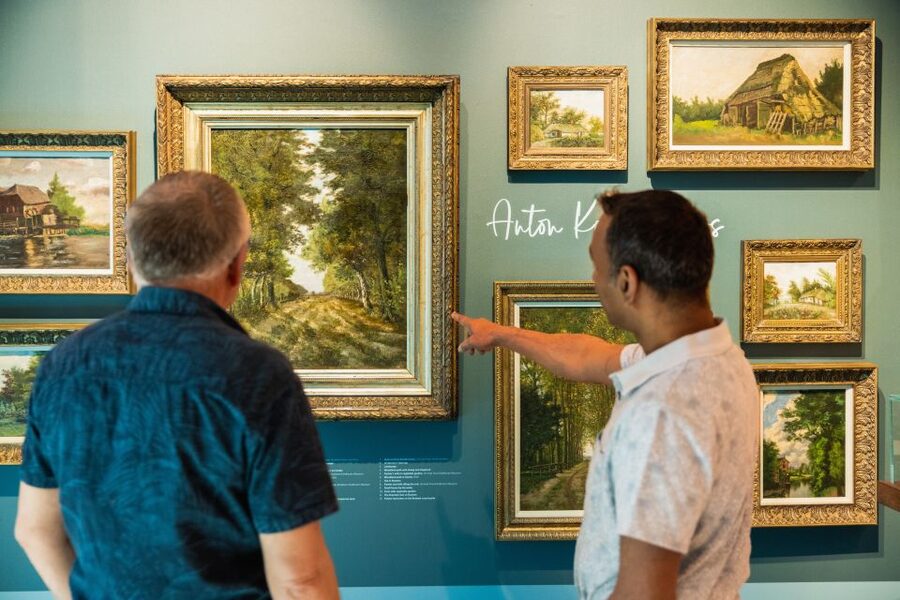
The museum is built around the idea that you should understand Van Gogh’s Nuenen experience through his own words and the context around them. You’ll read his stories about Nuenen, not just a modern summary. That helps you understand his mindset—how he viewed the village, what he found meaningful, and why this stretch of life mattered.
You’ll also get a clearer picture of how much output he made during these years. The museum explains that almost 25% of his total work was produced in Nuenen. Even if you’re not a hardcore art-history person, that single statistic gives you a sense of intensity. This wasn’t a casual stop. It was a serious creative chapter.
What you should look for while you go
- Connections: watch for how the museum ties particular ideas and themes to what he was living through in Nuenen.
- The teaching angle: since Vincent gave lessons here, you’ll see the story expand beyond solo genius and toward community influence.
- Your pace: because it’s audio-led, you can slow down in the rooms that grab you and skip forward if something doesn’t.
The student artworks room: proof that Vincent’s influence spread
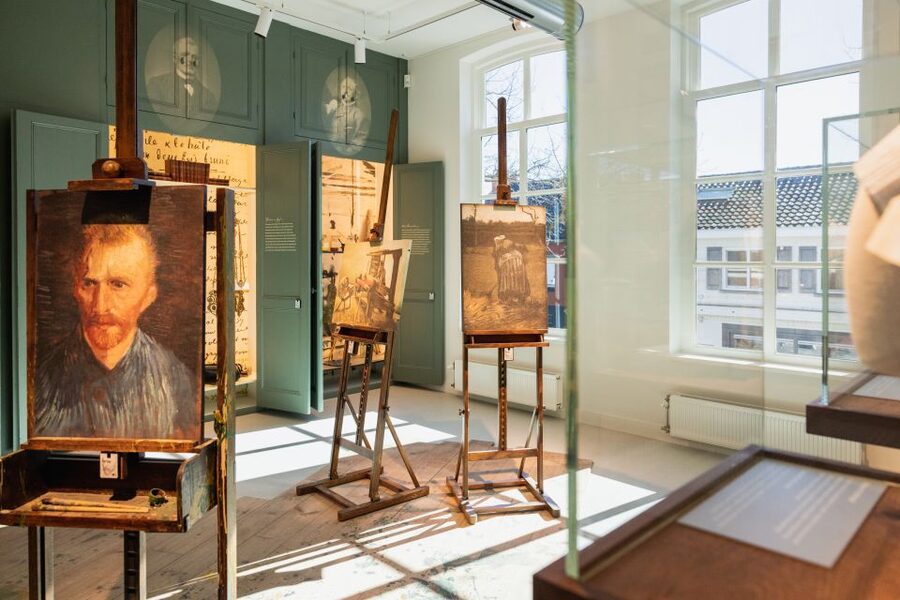
One of the most interesting parts of this museum is that it doesn’t focus only on Vincent’s own paintings. You’ll be able to explore an original collection of works by four of Vincent’s students. That’s a thoughtful shift: it shows how his presence here shaped other artists, not just the one famous name everyone talks about.
Why this is valuable for you: it gives you a wider view of what creative life looked like in Nuenen. Instead of ending the story at Vincent’s own work, the museum lets you see the ripple effect—students learning, practicing, and contributing their own voices.
This also works well for mixed groups. If your travel buddy is more interested in art history while you just want a strong sense of place, the student artwork gallery gives you both something to talk about.
A light room moment, then you head outside to Nuenen
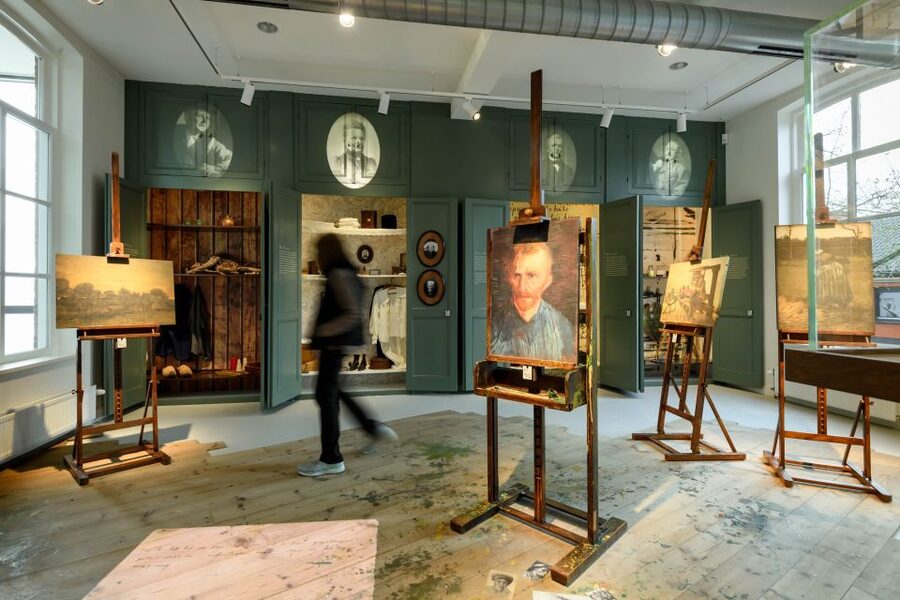
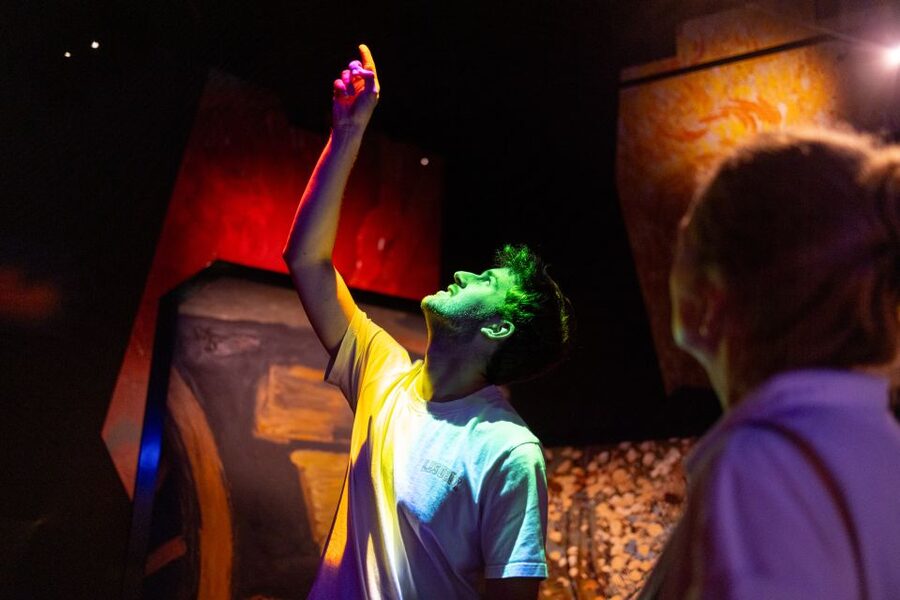
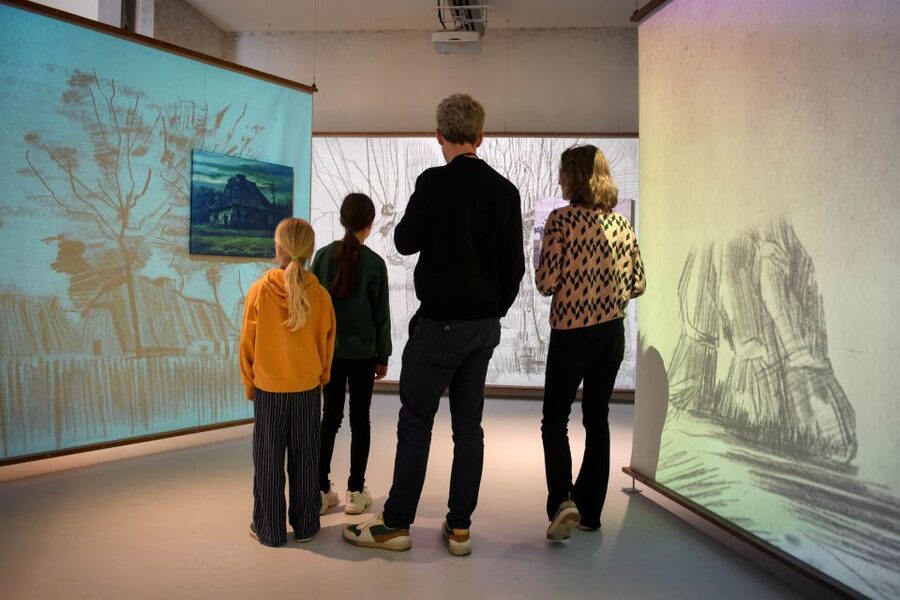
At the end of the museum experience, there’s a light-focused room that many visitors cite as a highlight. It’s the kind of stop that makes you slow down and reset—like a visual breather before you step back into the outdoors.
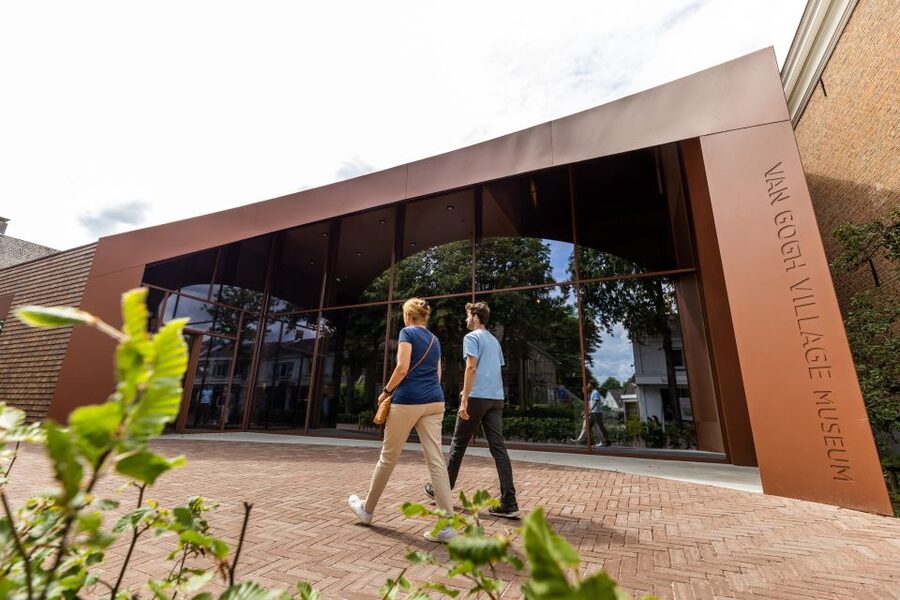
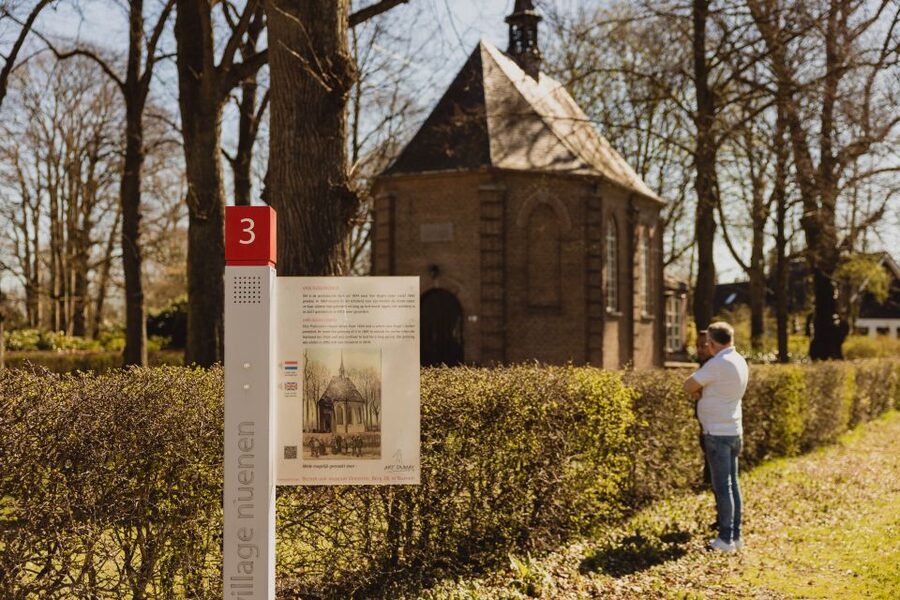
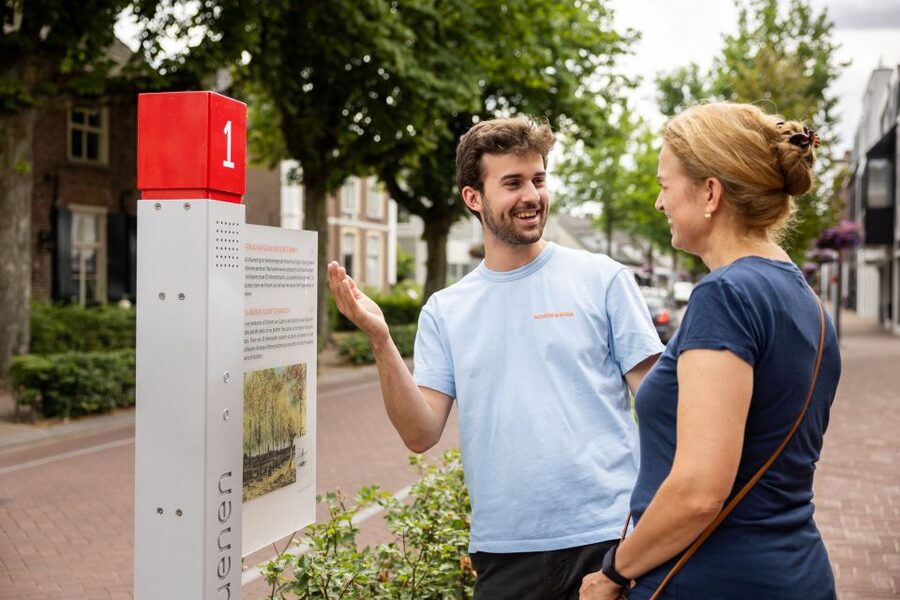
Then the museum story turns practical: you go into Nuenen itself with the village route. You can explore the area via a walking or cycling route, and the idea is simple. The village contains 24 locations directly linked to Van Gogh, and together they form the route for you to follow.
Along the way, you’ll see interactive informational signs in Dutch and English. This is one of the best uses of signage I’ve seen in smaller-town museum experiences: it gives you something to read while you’re standing where the story happened, so the information sticks.
If you prefer cycling, the route is designed for both formats. If you prefer walking, you still get the full structure. The signs keep you from feeling lost, but they don’t do the job of taking over your attention.
Where this works best (and where it doesn’t)
- Works best when you’re okay with self-guided travel—choosing your stops and pacing.
- Might feel like a lot if you want only indoor museum time and zero outdoors.
Nuenen vs Eindhoven: planning your day without stress
The museum is near Eindhoven, roughly a 12-minute car ride or about a 25-minute bike ride away. You can also reach it by bus from Eindhoven Central station within about 20 minutes.
Because the ticket is valid for 1 day, you can set up your day around the pace you want. If you want the most satisfying flow, I’d treat it as two halves: museum first, then the village route. The museum gives you the context; the village route gives you the physical sense of it.
One practical tip: give yourself enough time to actually use the audio guide. If you rush, the museum becomes just rooms and facts instead of a coherent story.
Price and value: what $16 buys you
At about $16 per person, this ticket can be a strong value—mainly because it bundles more than a standard museum admission.
Here’s what you’re paying for in real terms:
- Museum entry focused on the Nuenen years (1883–1885)
- Audio guide headset in eight languages
- Access to the student artwork collection
- A built-in reason to explore town via the linked 24-location walking/cycling route with interactive signs
If you only did a quick indoor visit and skipped outside, you’d still get a solid museum story. But the real value comes when you connect the museum to the village route right after. That’s where the day feels complete.
Who should book this, and who should think twice
This is a great fit if you:
- want Van Gogh context tied to a real place, not just famous paintings on display
- like self-guided routes with clear stops and helpful signage
- travel with someone who appreciates art details and the idea of slowing down outdoors
It’s less ideal if you:
- want a guided tour with a live guide leading every step (this experience centers on the audio guide and self-paced route)
- dislike planning your own walking or cycling time, since the village part is on you
Also, if you’re sensitive to phone setup, check how your ticket’s QR access code will be presented. One practical note: some visitors find it annoying because it can require downloading an app to access the QR code on a phone.
Best way to pace your visit (so it doesn’t feel like homework)
I’d think of the day like this:
1) Start indoors with the audio guide. Let the story give you the map in your head.
2) Pay attention to the student artworks as a separate thread in the Vincent story.
3) Don’t rush the light-focused room at the end. It’s a good moment to reset.
4) Then switch to “place mode” outside using the walking/cycling route and the interactive Dutch/English signs.
One last practical comfort: there’s a coffee-and-cake kind of ending that some visitors enjoy. Plan for a stop to refuel so the village route feels fun, not like you’re sprinting between signs.
Should you book the Van Gogh Village Museum ticket?
I’d book this ticket if you want your Van Gogh trip to feel grounded in place. The museum isn’t trying to be a giant blockbuster; it’s focused on the Nuenen years, and it gives you tools to understand them—especially through Van Gogh’s own stories, the audio guide, and the student artwork collection. Add the 24-location walking/cycling route, and the day becomes more than museum viewing.
Skip it (or adjust expectations) if you want a fully guided, scripted tour with no self-paced outdoors time. And if your phone setup for QR access codes is a hassle, plan a little extra time for that at the counter.
FAQ
Where is the Van Gogh Village Museum in Nuenen?
It’s near Eindhoven in North Brabant, Netherlands.
How long does the experience take?
The ticket is valid for 1 day.
What is included with the entry ticket?
Entry to the Van Gogh Village Museum Nuenen, plus an audio guide headset.
What languages are available for the audio guide?
The audio guide is available in eight languages: Dutch, English, German, French, Spanish, Italian, Japanese, and Chinese.
Do I need to scan my ticket somewhere specific?
Yes. You scan your ticket at the counter inside the museum.
Is the museum accessible for wheelchairs?
Yes, it’s wheelchair accessible.
How do I get there from Eindhoven?
By car it’s about 12 minutes, by bike about 25 minutes, and by bus from Eindhoven Central Station around 20 minutes.
Is there support in multiple languages on site?
The host or greeter is available in English, Dutch, and German.
What’s the cancellation rule?
Free cancellation is available up to 24 hours in advance for a full refund.