REVIEW · NATIONAL MUSEUM OF AMERICAN HISTORY
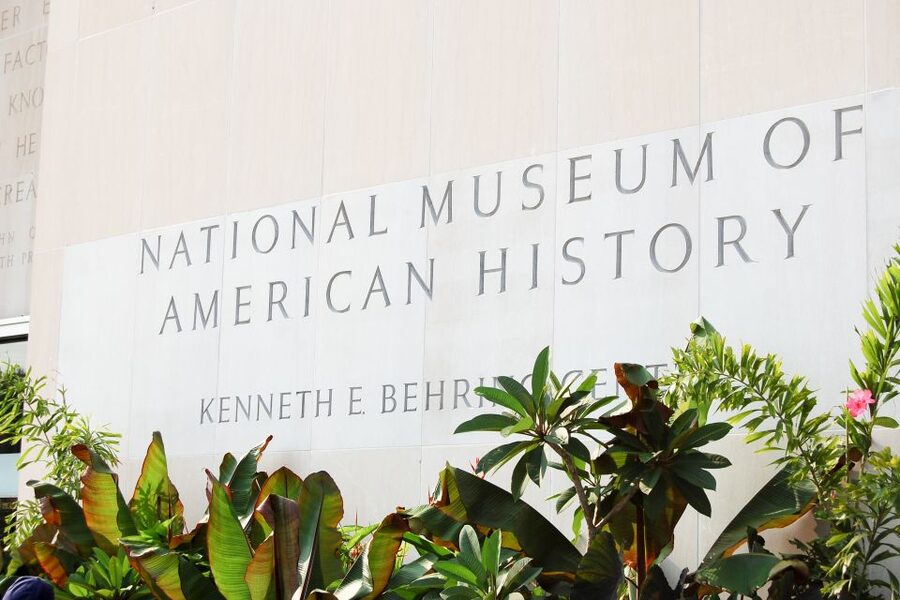
National Museum of American History: Guided Tour
Book on GetYourGuide →Operated by Babylon Tours DC · Bookable on GetYourGuide
A museum full of American icons, told clearly. This small-group guided tour at the Smithsonian National Museum of American History connects colonial beginnings to modern life, with a guide who helps you make sense of what you’re seeing, not just stare at it. I like the way the tour spotlights the Original Star-Spangled Banner and turns it into a story you can actually track through time.
A second thing I like: the mix. You don’t just get political artifacts; you also get pop culture and social change in the same route. Seeing Dorothy’s ruby red slippers and then stopping at the Greensboro lunch counter makes the museum feel less like a textbook and more like the real country. One possible drawback: 2.5 hours is tight, so you’re not here to explore everything at your own pace, and the museum’s no-large-bags rule means you’ll want to travel light.
In This Review
- Key points
- Entering the Smithsonian American History Museum on a guided walk
- The “big five” artifacts you actually want to see
- The Star-Spangled Banner moment
- George Washington’s Sword, explained in context
- Thomas Jefferson’s desk
- How Hollywood fits into American history
- Dorothy’s ruby slippers and the power of pop culture
- First Ladies gowns: history you can read in style
- Greensboro lunch counter: the civil rights conversation you can’t ignore
- Price and time: does $86 feel like good value?
- Group size, pacing, and what the tour actually feels like
- Planning your visit: what to bring and what to leave behind
- Who this guided tour is best for
- Final call: should you book this National Museum of American History guided tour?
- FAQ
- How long is the National Museum of American History guided tour?
- How much does it cost?
- Is the tour in English?
- Is it a small group or private tour?
- Do I need to buy tickets in advance?
- What identification should I bring?
- Are large bags allowed in the museum?
- Is the tour wheelchair accessible?
- Are food and drinks included?
Key points
- Original Star-Spangled Banner up close, with context for why it mattered then and now
- George Washington’s Sword paired with first-president background you can follow easily
- Dorothy’s ruby red slippers and the way Hollywood helped shape American identity
- Gowns worn by First Ladies that show changing roles through style and symbolism
- Greensboro lunch counter as a clear conversation starter about segregation and civil rights
- Small groups (max 8) that make it easier to ask questions and keep the pace sane
Entering the Smithsonian American History Museum on a guided walk
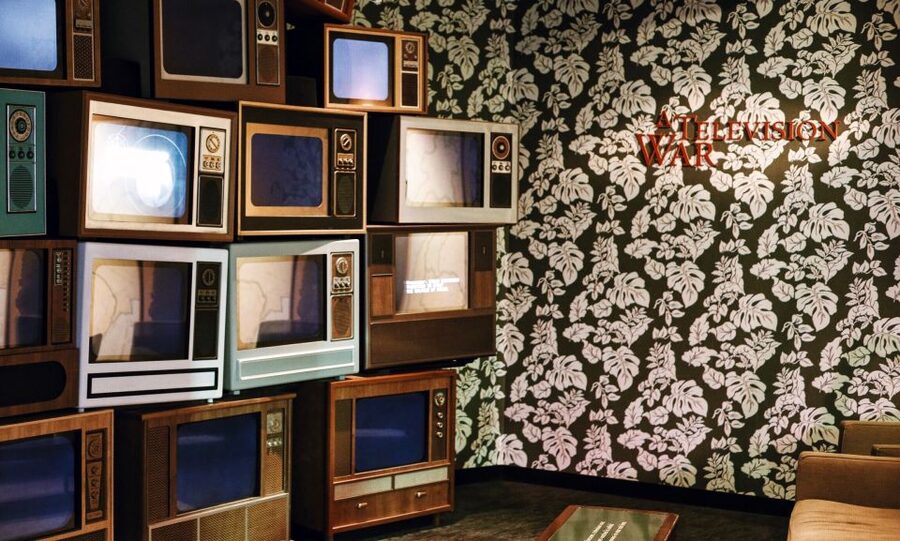
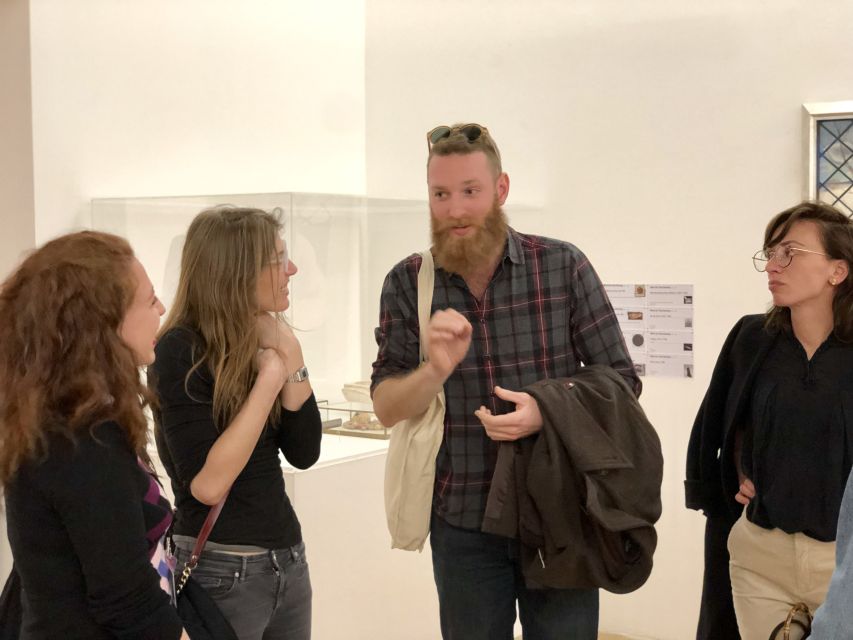
The Smithsonian National Museum of American History is big. Even if you love history, the sheer volume can make a first visit feel like you’re speed-walking between highlights. This is exactly why a guided tour helps: it gives your eyes a plan.
The format is a 2.5-hour, English-speaking walking tour with a professional guide. It’s offered either as a small group or private option (up to 8 people). That small cap matters. You’re not stuck behind a crowd surge, and you’re more likely to catch the details the guide points out as you move from room to room.
Your guide’s job isn’t just to recite facts. The tour is described as a blend of historical, scientific, cultural, social, technological, and political angles, with background stories and surprising details. In practice, that means you’ll often hear why an object sits where it does, what it represented to people at the time, and how it connects to later events.
The “big five” artifacts you actually want to see
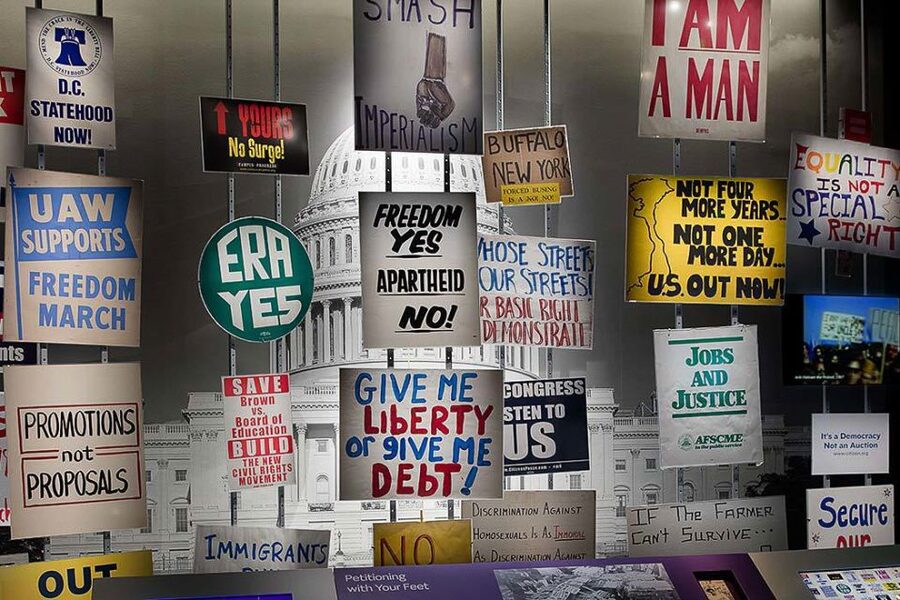
If you’re coming for famous objects, this tour is built around the ones people talk about for a reason. The plan includes the major items you’d struggle to prioritize on your own.
The Star-Spangled Banner moment
The headline stop is the Original Star-Spangled Banner, the one that inspired the national anthem. Seeing it with an explanation changes the experience. You’re not just looking at fabric; you’re learning what it symbolized and why it became part of the national story.
This is also where your guide’s narrative style helps. If you’ve ever stared at a museum label and felt like you still didn’t get it, you’ll appreciate having a real person connect the dots while you’re there in front of the display.
George Washington’s Sword, explained in context
Another standout stop is George Washington’s Sword. You’ll connect it to what Washington was doing and thinking as the first president. That pairing is smart because a sword could otherwise feel like a random relic. With the guide’s framing, it becomes part of the early government story—power, symbolism, and leadership in a young country.
Thomas Jefferson’s desk
The tour also points you toward Thomas Jefferson’s desk. A desk is the kind of object that looks plain until someone explains what you should notice. In a guided setting, you get a sense of how everyday work, writing, and decision-making shaped the political world you’ll also learn about during the tour.
How Hollywood fits into American history
One surprise angle in the itinerary is the role of Hollywood in shaping the country. That matters because Hollywood isn’t just entertainment; it’s influence at scale. When a guide brings this into an American history museum route, it nudges you to think about media as part of how national identity gets built.
You’ll feel this most clearly at the pop culture stop right after the more founding-era items.
Dorothy’s ruby slippers and the power of pop culture
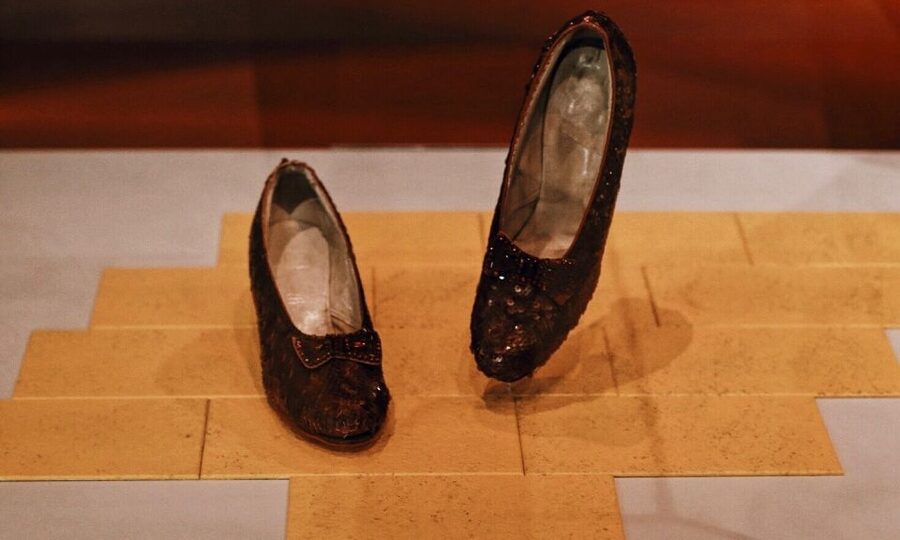
The tour includes Dorothy’s ruby red slippers from The Wizard of Oz. That’s a fun stop on paper, but the value is what it lets you talk about.
Pop culture is one of the fastest ways a country spreads shared symbols. The Wizard of Oz has themes people recognize instantly, and seeing an iconic film artifact in a history museum helps you understand why those symbols stick. Even if you’re not a movie person, this is one of those moments where the guide can show you how stories affect social attitudes and expectations.
This section of the tour is also a good mental reset. After heavier political artifacts, Dorothy’s slippers give you something visual and immediate, while still keeping the story connected to the larger American arc.
First Ladies gowns: history you can read in style
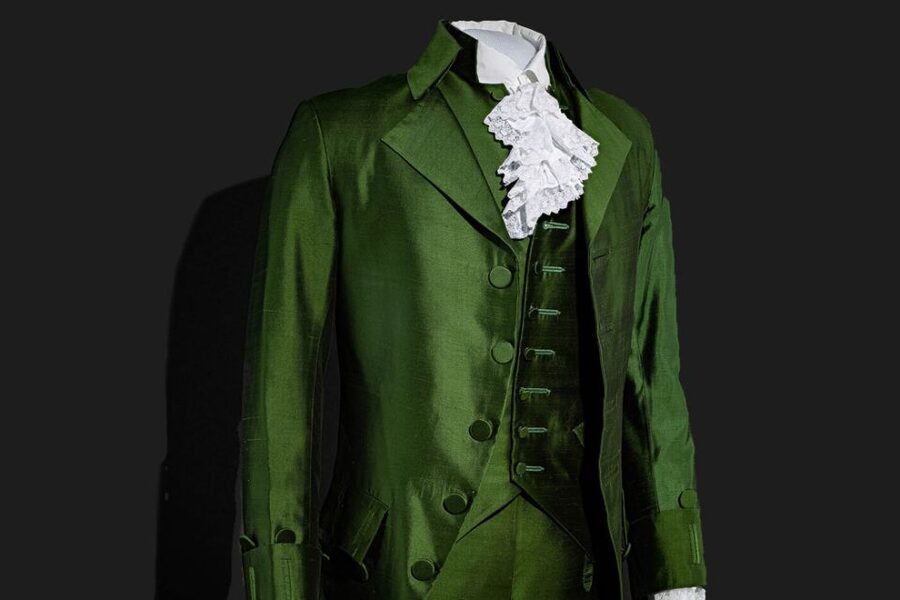
Next up: fashion, but with meaning. The tour includes gowns worn by First Ladies over the years. This is one of my favorite types of museum stops because it’s not only about glamour. It’s about role and public image.
A first lady’s clothing often lands at the intersection of personal taste, social expectations, and political signaling. Seeing multiple gowns across different time periods gives you a chance to notice how the idea of the role changes along with the country.
If you like when history is shown through daily life rather than only laws and wars, you’ll likely enjoy this part more than you expect. And if you prefer politics, you’ll still get something useful: how public presentation shapes perception.
Greensboro lunch counter: the civil rights conversation you can’t ignore
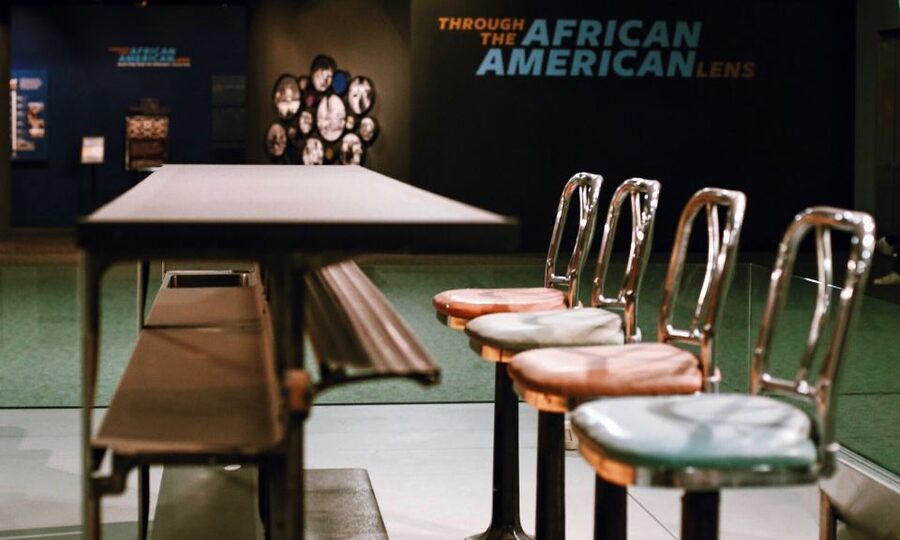
The tour’s social justice stop is the Greensboro Lunch Counter, tied directly to the Civil Rights Movement. This is where the tour becomes more than museum viewing.
A lunch counter sounds ordinary until you remember it’s a stage where segregation was enforced and challenged. With the guide leading the conversation, you’re encouraged to look at it as a turning point in how people pushed back against unequal treatment.
The value here is clarity. A guided explanation helps you understand what was happening, why it mattered, and how this kind of action changed the broader fight for civil rights. If you’ve wanted to make the Civil Rights Movement feel concrete rather than abstract, this stop does that job.
Price and time: does $86 feel like good value?
At $86 per person for a 2.5-hour guided walking tour, the question isn’t just cost. It’s what you get for that window of time.
Here’s the practical math in plain terms:
- You get a professional guide and a path through major exhibits you likely wouldn’t line up efficiently on your own.
- The group is kept small (up to 8 people), which helps the tour feel like a guided experience rather than a mass shuffle.
- The tour is built around headline objects, so your 2.5 hours aren’t spent wandering.
If you already know the museum well and love free-form exploring, you might skip a guided route. But for a first visit, or for anyone short on time, $86 can feel reasonable because you’re paying for focus and interpretation. You’re also getting skip-the-ticket-line included, which helps cut down on friction at the start.
The other timing truth: 2.5 hours will move quickly. You’ll see the planned highlights, but you won’t have time to fully audit every side exhibit in the museum. If you want to linger and photograph everything, plan to arrive early or stay afterward on your own.
Group size, pacing, and what the tour actually feels like
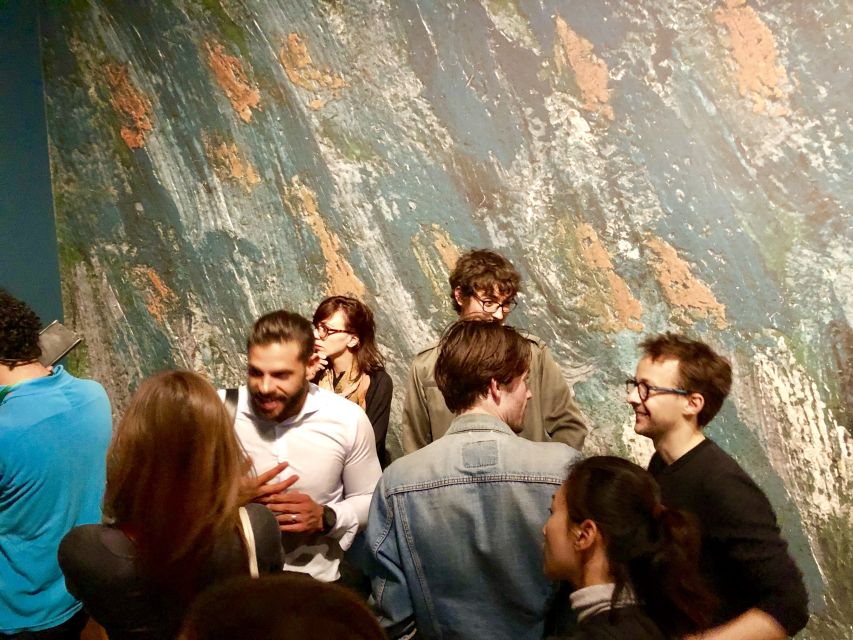
A tour with up to 8 people hits a sweet spot. Big enough to feel social, small enough that you’re not fighting for attention. You’ll likely get more specific answers, because the guide isn’t juggling a huge crowd.
Pacing is “walk, stop, learn, move.” That’s good if you like structure. It can be less ideal if you need long visual breaks. Since this is a walking tour, comfortable shoes are a smart call.
One more thing: some rooms inside the museum may have rules requiring quiet or restricting speaking. The guide is expected to tell you about the specific room rules before entering. Translation: you’ll still get explanations, just not in a noisy way where rules apply.
Planning your visit: what to bring and what to leave behind
This tour is straightforward, but the museum security rules matter.
- Bring passport or ID card.
- The museum doesn’t allow luggage or large bags. Only handbags or small thin bag packs are allowed through security.
- You should be ready for occasional museum closures. If the museum opening time is delayed more than 1 hour from the tour starting time, an appropriate alternative is provided, and the supplier is unable to provide refunds or discounts.
Also, the tour may include stops in areas with dress expectations for entry into some sites. The safe play is to wear something that looks respectful and covers basics that would make a museum site staff member uncomfortable.
Who this guided tour is best for
This tour is especially good for:
- First-time visitors to the Smithsonian National Museum of American History who want the major objects with context
- People who learn better with a guide’s stories than from labels alone
- Anyone interested in how American identity forms through politics, culture, and civil rights
- Groups that want structure without getting stuck in a giant crowd
It may be less ideal if:
- You want a long, slow museum day where you can wander freely for hours
- You need frequent restroom breaks or long stops at every exhibit (the tour is timed)
- You rely on wheelchair access. The activity is marked as not suitable for wheelchair users, though you can advise when booking if you require a wheelchair accessible tour
Final call: should you book this National Museum of American History guided tour?

If you want the museum’s key American-history anchors—Star-Spangled Banner, Washington’s sword, Jefferson’s desk, Dorothy’s slippers, First Ladies gowns, and the Greensboro lunch counter—without spending your whole day guessing what to prioritize, this tour is a solid bet. The strongest selling point is the guided interpretation: you’ll leave understanding what the objects represent, not just that they exist.
Book it if your goal is to get your bearings fast and learn a connected story in 2.5 hours. Skip it if you’re aiming for a slow self-guided marathon or you plan to bring large bags and expect to move around security rules easily.
FAQ
How long is the National Museum of American History guided tour?
The tour is 2.5 hours.
How much does it cost?
It costs $86 per person.
Is the tour in English?
Yes, the live tour guide is English.
Is it a small group or private tour?
Both are available. Each tour is limited to no more than 8 people, and private options may be booked.
Do I need to buy tickets in advance?
The tour includes skip-the-ticket-line, but you still need to reserve your spot as part of the activity booking.
What identification should I bring?
Bring a passport or ID card.
Are large bags allowed in the museum?
No. Luggage or large bags are not allowed. Only handbags or small thin bag packs are allowed through security.
Is the tour wheelchair accessible?
The activity is marked as not suitable for wheelchair users, but you can advise when booking if you require a wheelchair accessible tour.
Are food and drinks included?
No. Food or drink is not included. The tour does not include temporary exhibits either.