REVIEW · VERONA
Museo Nicolis Verona
Book on Viator →Operated by Museo Nicolis · Bookable on Viator
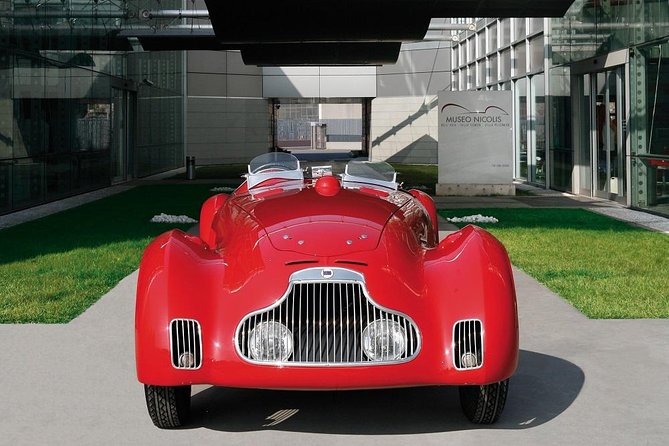
A car museum with surprises. You’ll spend around two hours roaming Museo Nicolis in Verona at your own pace, surrounded by real mechanical oddities and car-world artifacts that feel almost impossible to find. Two things I really like: the museum’s mix of cars, motorcycles, and race pieces, and the way the collections broaden into things like typewriters and musical instruments.
A quick heads-up: there’s no guided tour, so you’ll get the most from it if you’re happy reading signs and spotting details yourself.
This is the kind of place where you can stop for five minutes and suddenly lose an hour. I love that Museo Nicolis was founded in 2000 by Luciano Nicolis, and the displays follow a theme: how humans have overcome distance in time and space through engineering. You’ll also encounter rare anchors like the first motorcycle to run on gas from 1882, which is the sort of detail that makes the visit feel genuinely special.
One consideration: if you’re looking for a lively, lecturer-style tour, this setup may feel a little quiet. The experience is private and self-guided, so it’s flexible, but you won’t have someone narrating the story for you.
In This Review
- Key things to know before you go
- Museo Nicolis in Verona: why this car museum feels different
- Your 2-hour, self-guided plan inside the museum
- Timing tip
- The heart of the visit: collections built around engineering and obsession
- Automobiles, motorcycles, and the mechanical backbone
- Bicycles and airplanes: transportation beyond cars
- Musical instruments, cameras, and typewriters/computers
- Motors, racecars, and military objects
- The rare stuff you’ll actually remember: 1882 and F1 steering wheels
- Browsing 1,000+ objects without getting overwhelmed
- What to do if you’re traveling with different interests
- The “no guided tour” reality: when it helps and when it doesn’t
- Price and value: what $16.90 buys you in real museum time
- Where it fits in your Verona-area plans
- Who should book Museo Nicolis?
- Should you book Museo Nicolis?
Key things to know before you go
- Self-paced timing: plan for about 2 hours of wandering.
- A wide collection mix: not just vehicles, but also musical instruments, cameras, and typewriters/computers.
- F1 focus included: your ticket comes with 100 F1 steering wheels for 100 cars.
- Rare motorcycle fact: the museum includes the first motorcycle to run on gas (1882).
- Big inventory: you’re looking at 1,000+ objects spread across multiple collections.
- Private by group: only your group participates, so you won’t be sharing the vibe with strangers.
Museo Nicolis in Verona: why this car museum feels different
Museo Nicolis isn’t trying to be a basic lineup of cars behind ropes. It’s a technical, mechanical museum built around collecting—meaning you get objects that look specific, strange, and deeply tied to how people traveled, raced, and built machines. It helps that it was founded in 2000 by Luciano Nicolis, a businessman with a real passion for old cars and mechanics, not just a logo on a wall.
The best part for many visitors is the balance. Yes, you’ll see vehicles and serious racing items, but the museum doesn’t stop there. Expect related technology and artifacts—things connected to machinery and how humans worked around distance—so the story stays interesting even when you’ve already had your fill of classic engines.
Your 2-hour, self-guided plan inside the museum
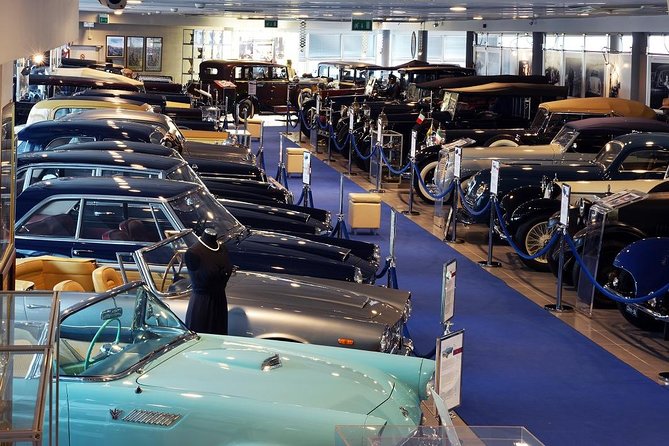
This experience is simple on paper: you start at V.le Postumia, 71, 37069 Villafranca di Verona VR, then you visit the museum at your own pace. The activity ends back at the meeting point, so you’re not stuck hunting for a new route when you’re done.
Because it’s self-guided, your main job is choosing how you want to pace yourself. If you’re a devoted car person, you may move fast early and then slow down for the rare race pieces and the small, hands-on details like instruments and cameras. If your interest is broader—cars plus tech plus odd collectibles—give yourself a little extra breathing room so you don’t feel rushed between themes.
You should also know what’s not included: there’s no guided tour. That can be a deal-breaker for some people, but it also means you can follow your curiosity without worrying about keeping up with a group. If you like reading exhibit text and letting your eyes do the work, this format works.
Timing tip
Aim to start with the area that grabs you most, then work your way outward. In a museum with 1,000+ objects, your attention is the scarcest resource—so lead with your favorite theme and let everything else become bonus material.
The heart of the visit: collections built around engineering and obsession
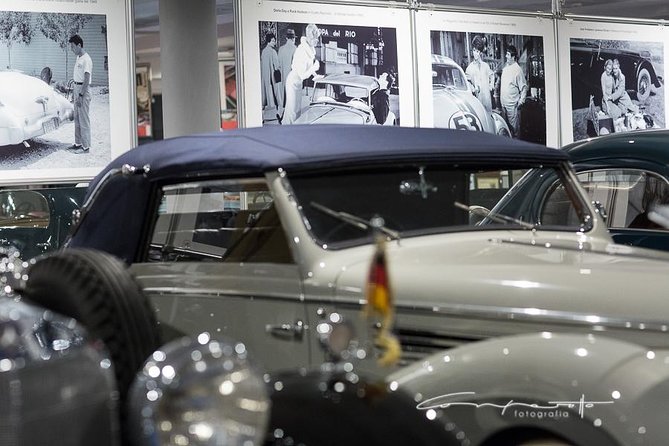
Museo Nicolis is organized into multiple collections—with eight themed categories described across the museum’s focus areas—and the overall total is 1,000+ objects. That number matters. It’s not a quick walk-through museum; it’s a place where you’ll likely circle back to re-check something you noticed the first time.
Here’s how the main themes typically land, and what to look for in each.
Automobiles, motorcycles, and the mechanical backbone
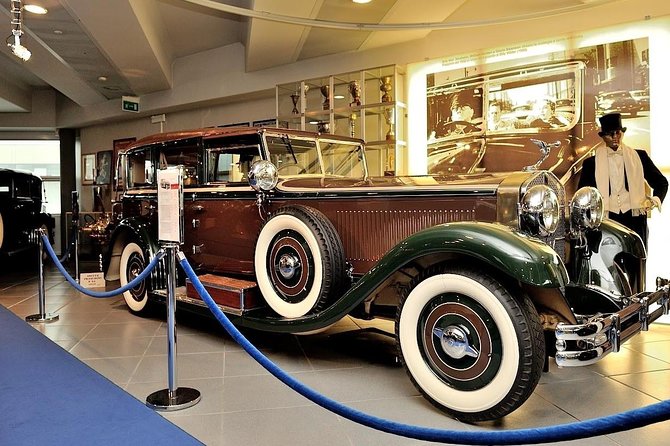
If you came for the vehicles, this is where you’ll feel most at home. The museum covers automobiles and motorcycles, and you’ll also see mechanical objects that connect bikes, motors, and racing to each other. The experience feels technical rather than decorative, so even if you don’t know every model, you can still appreciate the engineering logic behind what you’re seeing.
This is also where the museum’s collecting reputation shows up. The displays are built from objects gathered from around the world, with items that are described as precious and difficult to find today. Translation: you’re not just looking at common nostalgia; you’re seeing the kind of gear that tends to disappear into private collections.
Bicycles and airplanes: transportation beyond cars
You’ll also find collections that expand beyond the usual road-only focus, including bicycles and airplanes. It’s a smart move, because it reminds you that the museum’s big theme isn’t only automobiles. It’s about overcoming distance—time, space, and the engineering choices that made travel possible.
If you’re the kind of visitor who gets bored when a museum stays in one lane, this section helps keep momentum. Even if you don’t know airplane history, you can still enjoy the physical design and the way technology changes shape as it moves from ground transport to flight.
Musical instruments, cameras, and typewriters/computers
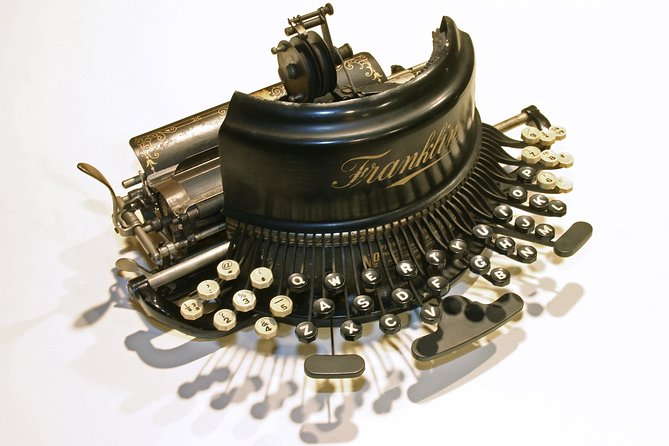
This is where the museum surprises people. Among the themed collections you can browse musical instruments, cameras, and typewriters/computers. It sounds like a random mix until you realize the common thread: mechanical design, precision, and how humans built tools to record, communicate, and create.
I particularly like this because it turns the museum into more than a car shrine. If you’re traveling with someone who loves cars but also likes oddball gadgets, this is a good peace treaty. It keeps the visit from feeling like one long parade of engines.
Motors, racecars, and military objects
The museum also includes motors and racecars, plus military objects. The racecar content is especially relevant because it ties directly into the F1-focused element included with your admission.
Even without a guide, you can spot the difference in how racing items are presented. They tend to invite close viewing—materials, details, and design choices that feel purpose-built. Military pieces can add context to how mechanics were driven by real-world demands, though you’ll want to rely on signage for specifics since there’s no live narration.
The rare stuff you’ll actually remember: 1882 and F1 steering wheels
Two headline moments drive a lot of the enthusiasm for this visit.
First, the museum includes the first motorcycle to run on gas (1882). That’s not a generic antique marker. It’s the kind of date that lets you measure how long engineering has been evolving—and it makes the rest of the motorcycle and motor sections feel more grounded. When you see something this early, later designs don’t feel like random products; they feel like steps in a real progression.
Second, your ticket includes 100 F1 steering wheels for 100 cars. Even if you’re not an F1 superfan, that detail gives you a clear reason to slow down and look longer. Steering wheels are iconic in a way that photographs sometimes fail to capture, because they carry the design language of racing—materials, shapes, and the level of precision involved. If you’re into motorsport design, this included element adds real value because you’re not paying extra just to reach the most eye-catching part.
Browsing 1,000+ objects without getting overwhelmed
Museo Nicolis is big in terms of sheer number of items—over 1,000 objects across its collections. That’s both the magic and the risk. The magic is you can get lost in details. The risk is you might feel scattered if you try to see everything in one go.
To keep it fun, I’d treat it like this: pick a few “must-see” anchors, then let the rest fill in around them. Your included F1 steering wheel element can be one anchor. Another could be the 1882 motorcycle. After that, choose one broad theme to spend extra time on—vehicles, or the more tech-and-tool side (cameras, typewriters, instruments).
What to do if you’re traveling with different interests
This museum works well for mixed groups because it’s not just cars. If one person wants engines and the other wants typewriters or cameras, you can roam close to each other while still choosing your own priorities. A self-guided format helps because you’re not forced into a single pace dictated by a guide.
The “no guided tour” reality: when it helps and when it doesn’t
Not having a guided tour is the biggest practical difference between Museo Nicolis and many other museum experiences. It helps you if you like autonomy. You can linger, re-check a display, and move on when something no longer pulls your attention.
It doesn’t help if you need someone to connect the dots. The museum is clearly full of detail—technical objects, rare pieces, and themed categories—so you’ll want to rely on exhibit descriptions. If you tend to skim text in museums, the experience may feel more like wandering than learning.
A good compromise is to commit to a “slow start.” Spend your first 15 minutes reading how the museum frames its themes, then decide whether you want a faster or slower pace. Even a small amount of context can turn a self-guided museum into a smarter visit.
Price and value: what $16.90 buys you in real museum time

At $16.90 per person for about 2 hours, this can be a solid value if you enjoy machinery and cross-over collections. Here’s why: you’re not just paying for entry to a room of vehicles. Your admission includes a standout element—100 F1 steering wheels for 100 cars—and the museum itself is packed with 1,000+ objects across multiple collections.
Also, the booking pattern matters. This is commonly booked about 15 days in advance, which usually signals steady demand. If you’re traveling in peak times, booking ahead is a low-effort way to reduce stress.
Is it expensive for a museum ticket? For some budgets, yes. But compared to many “special interest” museums, the included F1 steering wheel focus and the sheer quantity of exhibits make it feel more like you’re getting time and access to a curated collection of unusual mechanical artifacts.
Where it fits in your Verona-area plans
Museo Nicolis is in the Villafranca di Verona area, with the meeting point at V.le Postumia, 71. That location can make it a nice add-on when you have a gap day or when you want something different from the center-city main sights. Since the visit is about two hours, it’s also easy to pair with other plans rather than committing your whole day.
Because the experience returns you to the meeting point, you don’t have to plan for a separate end location. That’s practical when you’re working around trains, taxis, or a rental car schedule.
One more fit question: think about the vibe of your trip. If you’re in Verona for Roman ruins, churches, and classic city walks, Museo Nicolis is your switch to technical, mechanical storytelling. It’s not trying to compete with the big city highlights—it complements them.
Who should book Museo Nicolis?
I’d book this if you like:
- Vintage cars, motorcycles, and motors (including rare, early tech items like the 1882 gas motorcycle)
- Motorsport design details, especially the included F1 steering wheel focus
- Tech-adjacent oddities like cameras, typewriters/computers, and musical instruments
- A self-paced visit where you can linger without worrying about a group schedule
I’d think twice if you:
- Want a live guide and a narrated deep explanation
- Prefer small museums with fewer objects and very linear storytelling
Should you book Museo Nicolis?
Yes, if your idea of a good time is spending real minutes with machines and related artifacts, and you’re happy to read signage on your own. For the price, you get a concentrated mix of vehicles plus unexpected categories like instruments and typewriters, and the included F1 steering wheel element gives you a clear “don’t miss” payoff.
Book ahead if you’re traveling busy season, and bring comfy shoes—you’ll likely be doing more walking and circling than you expect once you start paying attention to the details. If free cancellation is important for your plans, you can cancel up to 24 hours in advance for a full refund, so there’s some breathing room.
If you want a museum that rewards curiosity rather than forcing a schedule, Museo Nicolis is a strong pick.